Traveling in Alaska with toddlers can work surprisingly well when you keep the schedule simple. Instead of trying to cover the whole state, choose a few family-friendly bases, plan one main activity each day, and leave room for snacks, naps, weather changes, and early bedtimes. Alaska offers easy wildlife viewing, paved trails, hands-on museums, scenic drives, and short outdoor stops that can fit a young child’s pace.
Quick Answer
Alaska with toddlers is easiest when you use Anchorage, Seward, Palmer, Fairbanks, or another town as a base and plan one major outing per day. Favor paved trails, wildlife centers, short museum visits, flexible cruises, and developed rest stops. Bring layers, rain protection, snacks, a stroller plus carrier, and plenty of time for naps.
Key Takeaways
- Plan around your toddler’s normal meals and naps instead of filling every hour with sightseeing.
- Use a stroller on confirmed paved or smooth routes and carry a baby or toddler carrier for rougher trails.
- Wildlife centers such as the Alaska Wildlife Conservation Center are often easier with toddlers than searching for wild animals along remote roads.
- For boat trips, check the operator’s minimum age, trip length, cabin access, restroom facilities, and child life-jacket rules before booking.
- Alaska weather varies by region, so pack layers, waterproof outerwear, sun protection, and mosquito protection even during summer.
Family-Friendly Activities in Alaska
Some of the easiest activities for toddlers combine animals, short walks, and places where you can leave whenever your child has had enough.
- Alaska Zoo, Anchorage: A manageable way to see northern animals without committing to a full-day wilderness excursion. The zoo uses gravel trails, so a stroller with sturdy wheels can be easier to push than a tiny travel stroller.
- Alaska SeaLife Center, Seward: A particularly useful rainy-day stop with marine animals and indoor exhibits. The center confirms that the facility is wheelchair and stroller accessible.
- Alaska Wildlife Conservation Center, near Portage Valley: Families can explore a roughly 1.5-mile wildlife loop by foot or car, making it easier to adjust the visit around naps or bad weather.
- Musk Ox Farm, Palmer: Guided farm tours introduce visitors to musk oxen. Standard tours are walking tours of about 45 minutes, so check whether that timing fits your toddler’s energy level.
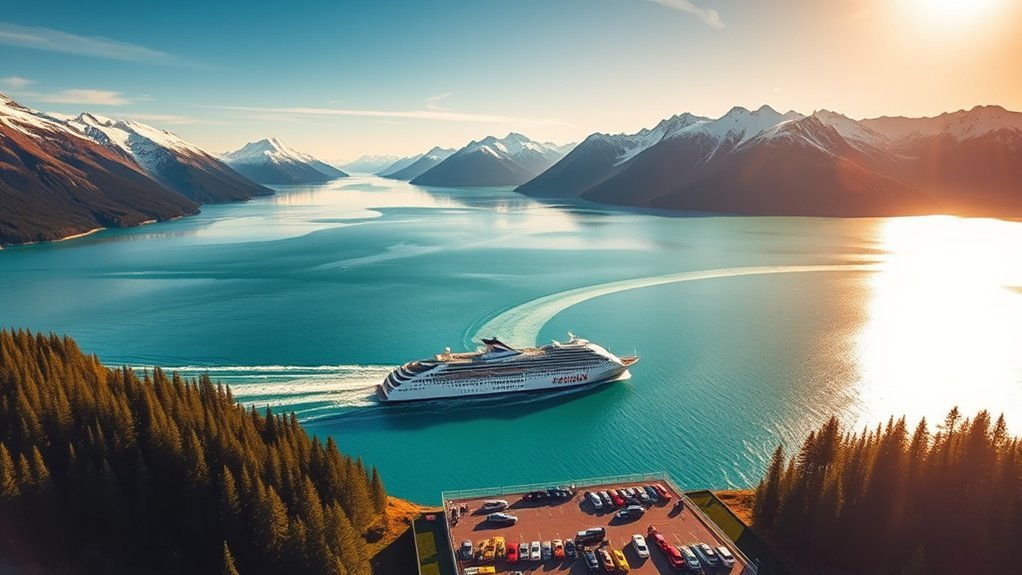
- Glacier or wildlife day cruise: A shorter cruise can give families glacier and marine-wildlife views without changing hotels. Choose the trip by your child’s tolerance for boat rides rather than by how many hours of sightseeing adults can handle.
Pro Tip: With a toddler, one major attraction plus one playground, waterfront walk, or easy meal stop is usually a more realistic day than three ticketed activities.
How to Plan a Toddler-Friendly Alaska Itinerary
Alaska is large, and attractions that look close on a map may still involve significant driving. A toddler-friendly trip is usually easier when you pick a few bases instead of moving to a new hotel every night.
Use Two- or Three-Night Bases
Anchorage works well for the zoo, museums, trails, and day trips south toward Turnagain Arm. Seward gives you easy access to the Alaska SeaLife Center and boat tours. Palmer is useful for the Musk Ox Farm and nearby valley activities. Fairbanks offers parks, museums, and Interior Alaska experiences.
Keeping the same room for several nights reduces packing, unpacking, car-seat transfers, and changes to your toddler’s bedtime routine.
Plan Around One Anchor Activity
Choose one activity that matters most each day. Do it when your toddler is normally happiest, then leave the rest of the day flexible. A simple rhythm might be breakfast, main attraction, lunch, nap, playground or easy walk, dinner, and bedtime.
Build in an Indoor Weather Backup
Rain, wind, or cold temperatures can change an outdoor plan quickly. Keep an indoor alternative such as the Alaska SeaLife Center or Anchorage Museum available rather than forcing a long outdoor excursion when everyone is uncomfortable.
Stroller-Friendly Trails and Parks
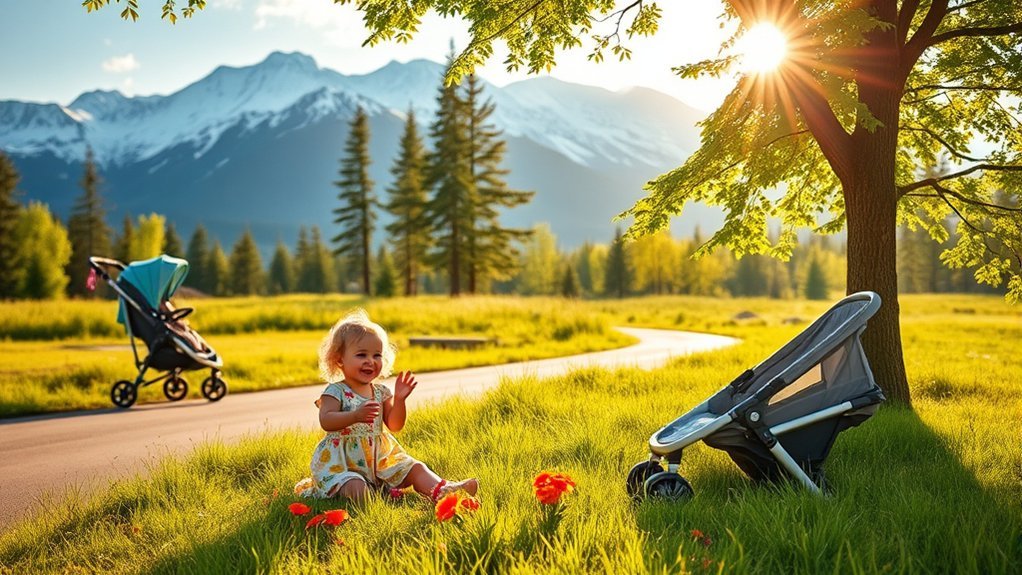
A stroller is useful in Alaska, but “family-friendly” does not automatically mean “small-wheel stroller-friendly.” Paved urban trails are the easiest choice. Gravel, woodchips, roots, mud, and steep grades can make a carrier more practical.
Tony Knowles Coastal Trail
The Tony Knowles Coastal Trail is an 11-mile paved trail along Anchorage’s coastline. You do not need to walk the whole trail. Pick a short out-and-back section that fits your child’s nap or snack window.
Because moose, bears, and other wildlife can occur around Anchorage trails, stay alert and give animals plenty of room.
Kincaid Park
Kincaid Park contains a large network of trails and provides access to the Tony Knowles Coastal Trail. Not every Kincaid trail has the same surface or difficulty, so check the route before assuming a standard stroller will work.
The Kincaid Outdoor Center can also be useful for a restroom and indoor break during operating hours.
Alaska Botanical Garden
The Alaska Botanical Garden specifically describes itself as wheelchair, walker, and stroller friendly. Its gardens are connected by a half-mile paved loop, although individual garden paths may have gravel or woodchips that are more difficult for small stroller wheels.
Note: A lightweight stroller is useful in museums and towns, but an all-terrain stroller or comfortable child carrier gives you more flexibility on gravel and uneven outdoor paths.
Wildlife Encounters for Little Ones
Seeing a moose, bear, sea lion, puffin, or musk ox can become a highlight of an Alaska family trip, but wildlife viewing should always happen at a safe distance. Toddlers cannot reliably judge when an animal is too close, so an adult needs to control the distance at all times.
Warning: Never approach wildlife for a photograph and never let a toddler walk toward an animal. In Denali National Park, visitors must stay at least 300 yards from bears and at least 25 yards from other animals, dens, and nests. Other locations may have different or stricter rules, so follow posted guidance.
Best Wildlife Viewing Spots
Alaska Wildlife Conservation Center is one of the easiest choices for families because the wildlife viewing is concentrated along a defined loop that can be explored on foot or by car.
Denali National Park offers opportunities to see moose, caribou, bears, Dall sheep, and other wildlife, but sightings are never guaranteed. Denali also requires more planning than a zoo or wildlife center.
For summer 2026, the National Park Service’s current Denali conditions state that personal vehicles can travel to Mile 15 at Savage River during the main summer season, while transit and tour buses travel no farther than Mile 43 because of the Pretty Rocks landslide closure. Check conditions again shortly before your visit because access can change.
Kenai Fjords National Park is primarily experienced from Seward by boat. Puffins, Steller sea lions, seals, sea otters, whales, and other marine wildlife may be seen, but wildlife sightings depend on conditions and season.
Kid-Friendly Animal Attractions
For toddlers, controlled animal attractions are often easier than long wilderness outings:
- Alaska Wildlife Conservation Center: Choose walking or driving depending on the weather and your child’s energy.
- Alaska SeaLife Center: A stroller-accessible indoor option in Seward with marine species and educational exhibits.
- Musk Ox Farm: A guided walking visit in Palmer that works best when scheduled outside nap time.
- Alaska Zoo: An Anchorage option that lets families set their own pace.
Before Booking a Glacier or Wildlife Cruise With a Toddler
A glacier cruise can work well with toddlers, but the right trip is not always the longest one. Before booking, ask the operator:
- Is there a minimum passenger age?
- How many hours is the trip?
- Is there a heated or enclosed cabin?
- Are restrooms and changing areas available?
- Can you bring a stroller aboard, and where must it be stored?
- Can you bring your child’s usual snacks and drinks?
- Does the operator supply an appropriately sized child life jacket?
- What happens if weather causes a cancellation or route change?
Alaska’s Kids Don’t Float program explains that people under 13 must wear a U.S. Coast Guard-approved life jacket when on an open boat, on an open deck, or when being towed. Follow the vessel crew’s instructions at all times.
Scenic Spots for Naptime
A toddler nap does not need a famous viewpoint. The best rest stop is usually a developed place where you can park legally, use a restroom, manage snacks, and stay with your child without worrying about traffic or an exposed roadside shoulder.
Cozy Parks for Naps
Kincaid Park in Anchorage can work for a quiet break near the Outdoor Center or another developed day-use area. Wildlife does roam in the park, so keep your toddler with you and do not spread out in an isolated area simply because it looks quiet.
Pioneer Park in Fairbanks has a playground, grounds, and seasonal picnic facilities. That makes it more practical for a family rest break than an informal roadside stop.
If your child naps well in a stroller, choose a calm developed park or paved walking area and remain with the stroller. If naps are difficult on the go, returning to your hotel may save the rest of the day.
Scenic Viewpoints for Rest
| Area | Better Toddler-Rest Strategy |
|---|---|
| Turnagain Arm | Use a developed viewpoint, park, or legal designated pullout. Avoid stopping on an unsafe shoulder simply for the view. |
| Denali National Park | Use visitor facilities, picnic areas, or your accommodation. Stay alert for wildlife even near developed areas. |
| Seward Highway | Stop only at legal developed pullouts or attractions with proper parking. A scenic turnout is a break point, not an unattended play or sleep area. |
| Kachemak Bay | Favor a developed waterfront park, restaurant, visitor area, or your lodging where wind and weather are easier to manage. |
Kid-Friendly Museums and Attractions
Indoor attractions become especially valuable when rain, wind, or a tired toddler makes an outdoor plan unrealistic.
- Alaska SeaLife Center: Marine exhibits in Seward plus confirmed stroller accessibility.
- Anchorage Museum Discovery Center: Hands-on science-oriented exhibits. Families with toddlers should also look for TOTE Kidspace, which is specifically designed for children age 5 and younger and their caregivers.
- Alaska Native Heritage Center: A living cultural center with Alaska Native dance, storytelling, demonstrations, exhibits, and cultural programming. Follow the guidance of hosts and treat the cultures presented here as living traditions, not simply historical displays.
- William A. Egan Civic & Convention Center: This is primarily an event facility rather than a permanent children’s attraction. Check the Anchorage events calendar to see whether an appropriate public family event is scheduled during your stay.
Tips for Traveling With Toddlers in Alaska
Pack for Changing Weather
Alaska does not have one statewide summer temperature. Coastal areas are often cooler than the Interior, and rain or wind can make a mild day feel much colder. Dress your toddler in layers that are easy to add or remove.
A practical summer clothing setup includes a comfortable base layer, warm middle layer, waterproof outer layer, sturdy shoes, spare socks, and an extra dry outfit in the day bag.
Prepare for Long Summer Daylight
Summer daylight lasts much longer than many visiting families are used to. Keep your usual bedtime routine where possible and consider accommodation where you can darken the sleeping area.
Plan for Mosquitoes
Bring child-appropriate mosquito protection, especially for forested areas and Interior Alaska. The CDC recommends EPA-registered insect repellents and advises following the product label. Clothing that covers arms and legs can also reduce exposed skin.
Bring a Stroller and a Carrier
You do not necessarily need to choose one. A compact stroller is useful for airports, museums, downtown areas, and paved trails. A comfortable carrier is better when the path turns to gravel, roots, stairs, mud, or steep terrain.
Plan Car Travel Carefully
If you are renting a vehicle, arrange an appropriate child safety seat before pickup or bring your own compatible seat. Alaska’s highway-safety program provides information about child passenger protection at the Alaska Highway Safety Office.
Keep wipes, diapers, spare clothing, water, snacks, and one simple toy or book within reach instead of buried under luggage. Build regular stops into long drives rather than assuming your toddler will happily sit through several uninterrupted hours.
Keep Food and Restroom Backups
Carry familiar snacks and enough supplies to handle a delayed meal. Restaurants and attraction cafes may have seasonal hours, and a toddler may be hungry long before the adults are ready for lunch.
Before leaving a town for a longer scenic drive, use the restroom, refill water, and check whether the next planned stop has facilities.
Check Current Conditions Before Each Day
Confirm attraction hours, trail conditions, road restrictions, cruise departure information, and weather before leaving your accommodation. Alaska plans can change because of weather, wildlife activity, maintenance, or seasonal schedules.
Frequently Asked Questions
What should I pack for a toddler-friendly trip to Alaska?
Pack layered clothing, a waterproof jacket, sturdy shoes, spare socks and clothes, snacks, water, diapers or toilet supplies, sunscreen, child-appropriate insect protection, a favorite comfort item, and basic medicines or supplies your child normally uses. A compact stroller plus a comfortable carrier gives you the most flexibility.
Are there family-friendly dining options available in Alaska?
Yes. Major visitor towns such as Anchorage, Fairbanks, Seward, and Palmer have casual restaurants and grocery options, but menus and seasonal hours vary. Check the restaurant before arriving with a tired toddler, and keep a backup snack or simple meal available in case your schedule changes.
How do I ensure my toddler stays safe during wildlife encounters?
Keep your toddler physically close and never approach, feed, follow, or crowd wildlife. Follow the rules for the specific park or attraction. In Denali, visitors must remain at least 300 yards from bears and at least 25 yards from other animals, dens, and nests. If wildlife blocks a trail or road, give it space instead of trying to pass closely.
What is the best time of year to visit Alaska with toddlers?
June through August is usually the easiest period for a first Alaska trip with toddlers because visitor services, trails, cruises, and family attractions are widely operating. Temperatures vary greatly by region, so do not plan around one statewide average. Bring layers and waterproof clothing even during midsummer.
Are there any local customs I should be aware of when visiting Alaska?
Respect private property, posted trail rules, wildlife closures, and cultural-site guidance. At Alaska Native cultural programs, listen to the hosts and follow their photography rules. If you are unsure whether photographing a person, performance, or cultural activity is appropriate, ask first.
Do I need a car seat when renting a vehicle in Alaska?
A toddler needs an appropriate child restraint when traveling by car. Confirm the current Alaska requirements and arrange the correct seat before your rental pickup. If renting a seat from the car company, verify availability in advance rather than assuming one will be waiting.
Are glacier cruises suitable for toddlers?
Many families take young children on Alaska day cruises, but suitability depends on the operator and your child. Check minimum ages, total trip length, enclosed cabin space, restroom access, stroller rules, food options, and life-jacket arrangements before booking. A shorter cruise is often easier for a toddler than an all-day excursion.
Sources
- National Park Service: Denali Current Conditions — current Park Road access and summer operating limits.
- National Park Service: Denali Wildlife Safety — wildlife-distance and bear-safety guidance.
- Municipality of Anchorage: Kincaid Park — trail network, facilities, wildlife, and Coastal Trail access.
- Alaska Botanical Garden: Plan Your Visit — stroller accessibility and trail-surface information.
- Alaska Office of Boating Safety: Kids Don’t Float — child life-jacket requirements.
- Centers for Disease Control and Prevention: Preventing Mosquito Bites — insect-repellent and mosquito-protection guidance.