Disclosure: As an Amazon Associate, we earn from qualifying purchases. If you click a link on this page and make a purchase, we may receive a small commission at no extra cost to you.
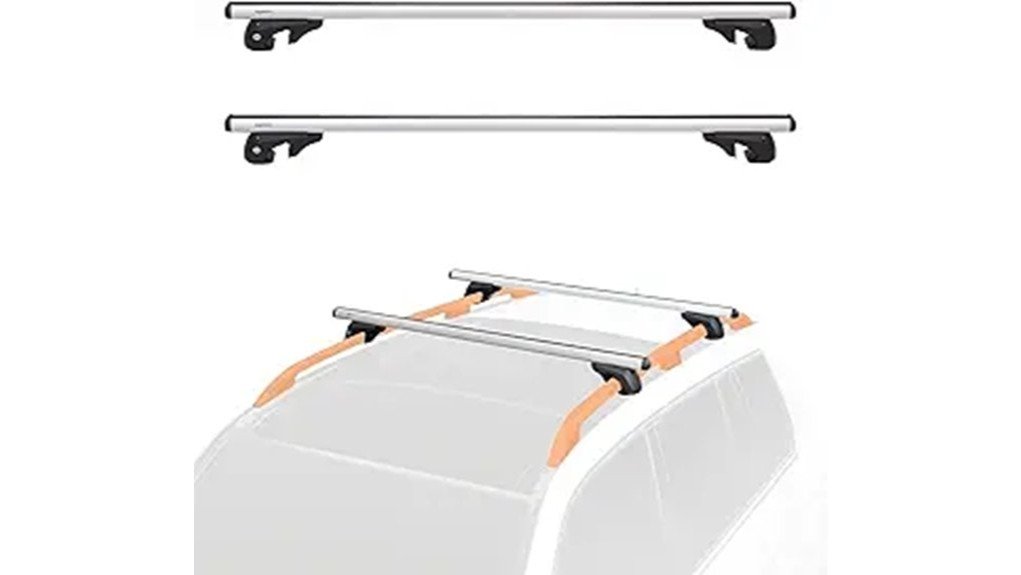
Adding cargo space to your vehicle is useful only when the crossbars fit correctly and remain secure at highway speeds. The Amazon Basics Cross Rail Roof Rack is a two-bar aluminum system made for vehicles that already have raised longitudinal side rails. It offers a published 165-pound load capacity, locking clamps, and rubber strips designed to limit wind noise. Its main drawback is compatibility, because the 52-inch version will not fit flush rails or every raised-rail vehicle.
Quick Verdict
Rating: 8/10, recommended with fit-related caveats
Best For: Drivers with compatible raised side rails who need an affordable base for luggage boxes, baskets, bike trays, or kayak carriers.
Bottom Line: These crossbars offer useful capacity, aluminum construction, and built-in locks at a practical value level. You must measure carefully before ordering, and the locks secure the rack rather than the cargo mounted on it.
| Specification | Detail |
|---|---|
| Brand | Amazon Basics |
| Product | Cross Rail Roof Rack, pack of two bars |
| ASIN | B083T53K3P |
| Manufacturer model | DS-RB-004-1 |
| Selected size | 52 inches |
| Published dimensions | 52 × 2.95 × 4.4 inches |
| Published weight | Amazon listing: 6.6 pounds; product manual: 7.5 pounds |
| Material | Aluminum crossbars with rubber-coated steel clamps |
| Color | Black and silver |
| Published rack capacity | Up to 165 pounds, subject to your vehicle’s lower roof or rail limit |
| Required rail type | Raised longitudinal side rails with space between the rail and roof |
| Minimum roof gap | 1/2 inch according to the product listing |
| Current 52-inch fit description | Designed for spans up to 46 inches between compatible raised rails |
| Noise-control feature | Rubber sealing strips inserted into the bars |
| Security | Built-in locking system for securing the crossbars to the side rails |
| Warranty | One-year limited warranty for defects in materials and workmanship under ordinary use |
| Best use | Creating a mounting base for compatible cargo boxes, baskets, bike racks, ski carriers, and kayak cradles |
Before You Buy: Measure your rails instead of relying only on a vehicle list. This 52-inch version requires raised rails with a roof gap and is currently described as fitting spans up to 46 inches. Amazon’s shared listing text contains measurements that may refer to the separate 56-inch version, so confirm the selected size and current fit diagram before ordering.
What Is the Amazon Basics Cross Rail Roof Rack?
The Amazon Basics Cross Rail Roof Rack is a pair of adjustable crossbars that clamp onto existing raised side rails. It does not replace your vehicle’s factory rails. Instead, the bars run from one side of the roof to the other and create mounting points for compatible cargo accessories.
This review covers the 52-inch B083T53K3P version. Amazon also lists a separate 56-inch option, so selecting the correct variant matters. The 52-inch bars use aluminum bodies, rubber-coated steel clamps, rubber sealing strips, and built-in locks.
The system is aimed at drivers who want a lower-cost alternative to vehicle-specific crossbars. Its universal-style design gives you flexibility, but it also places more responsibility on you to measure the rails and verify the vehicle’s roof-load limit.
Key Takeaways
- The package includes two 52-inch crossbars for vehicles with compatible raised side rails.
- The published maximum rack capacity is 165 pounds, but your vehicle may have a lower limit.
- Aluminum bars limit weight and resist corrosion better than unprotected steel bars.
- Rubber sealing strips help control airflow noise when fitted correctly.
- Built-in locks make the bars harder to remove, but they do not lock your bike, kayak, luggage, or cargo box.
- Careful measurement is more reliable than assuming every listed model or model year will fit.
Who Should Buy It?
Best For
- Cars, SUVs, and crossovers with raised side rails that match the current fit measurements.
- Drivers who need a base for a cargo basket, roof box, bicycle tray, ski carrier, or kayak cradle.
- Buyers who value locks and aluminum construction but do not need a premium vehicle-specific system.
Skip If
- Your vehicle has a bare roof, fixed mounting points, or flush rails with no space underneath.
- Your rail span exceeds the limits shown for the selected 52-inch version.
- You want a confirmed vehicle-specific fit with no measuring or adjustment required.
Fit and Vehicle Compatibility
Compatibility is the most important part of this purchase. The rack clamps around raised longitudinal rails, so you need visible space between each rail and the vehicle roof. The product listing specifies a minimum gap of 1/2 inch.
Amazon currently titles the 52-inch version as fitting spans up to 46 inches. The same page also contains shared bullet text with a larger measurement range, which appears inconsistent with the selected size. Treat the current variant title, installation diagram, manual, and your own measurements as more useful than a general vehicle list.
Measure the distance between the left and right rails at both planned crossbar locations. Roof rails may taper toward the front or rear, so one mounting point can fit while another is too wide. You should also check the rail shape and thickness against Amazon’s current installation images.
The listing names vehicles such as certain Acura MDX, Chevrolet Equinox, Ford Escape, Nissan Rogue, Subaru Crosstrek, Toyota RAV4, and Volkswagen models. These examples are helpful starting points, but trim changes, factory rail designs, and model-year updates can affect fit.
Pro Tip: Place removable tape at your intended front and rear mounting points, then measure both positions before ordering. This catches tapered-rail problems that one center measurement can miss.
Materials and Build Quality
The main crossbar bodies use aluminum, which keeps the system lighter than an all-steel rack while providing useful corrosion resistance. Amazon combines the aluminum bars with rubber-coated steel clamps that grip the raised rails.
The rubber coating matters because exposed metal clamps could scratch painted or coated rails. You should still clean dirt and grit from both contact surfaces before installation. Sand trapped under a rubber pad can mark the rail as the rack shifts under load.
The bar profile includes channels for rubber sealing strips. These strips fill open grooves that would otherwise catch passing air. Correct installation will not make a roof rack silent, but it can reduce whistling and high-pitched airflow noise.
The product includes an anti-theft locking system. The locks restrict access to the clamp mechanism and make casual removal more difficult. They are not cargo locks, so you still need a suitable cable, lock, strap, or carrier-specific security system for the item mounted above the bars.
Installation and Setup
Start by reading the current manual and checking that all parts are present and undamaged. Keep the front and rear bars, clamp parts, covers, rubber strips, and locking components organized before placing anything on the vehicle.
Clean the raised rails and the clamp contact areas. Position the bars so they sit straight across the roof and remain within the spacing required by your cargo accessory. A roof box or bike rack may specify a minimum or maximum distance between crossbars.
Tighten the clamps evenly from side to side. Avoid fully tightening one end while the opposite end remains loose, because the bar can pull off-center. The manual warns against overtightening the fasteners, so tighten only as directed.
After both bars are mounted, lock the covers and test the assembly by pushing and pulling each bar by hand. The bars should not slide, rotate, or lift away from the side rails. Recheck all fasteners after the first short drive and inspect them regularly during use.
Setup Tips Before First Use
- Confirm that the bar does not block a sunroof, roof antenna, liftgate, or other moving part.
- Fit the rubber sealing strips fully into the exposed channels.
- Keep the bars square to the vehicle rather than angled across the roof.
- Follow the spacing requirements for the cargo box, basket, tray, or cradle you plan to attach.
- Lock both crossbars before driving.
- Test the vehicle at low speed before beginning a long highway trip.
Wind Noise and Highway Driving
Any crossbar changes the airflow over your roof, so some additional sound and aerodynamic drag are normal. The Amazon Basics bars use rubber sealing strips to cover channels that may whistle when left open.
If you hear strong whistling, check that the rubber strips are seated without gaps. Also confirm that the bars face the correct direction and that no unused channel is exposed. The exact position of the bars can affect noise, but you should not move them outside the safe range required by your rails or cargo carrier.
Adding a cargo basket, box, bicycle, or kayak will create more noise than the bare crossbars. Secure loose strap ends because a flapping strap can sound like a mechanical problem and can damage the vehicle’s finish.
The manual recommends removing the rack when it is not in use. Removal can reduce drag, noise, and fuel use while also limiting long-term exposure to road salt and weather.
Load Capacity and Cargo Safety
The published maximum capacity is 165 pounds. That number does not automatically mean every compatible vehicle can carry 165 pounds on its roof. Your safe limit is the lowest stated limit among the crossbars, factory side rails, vehicle roof, cargo carrier, and any mounting hardware.
Distribute the load across both bars and keep the center of gravity as low as practical. Heavy cargo placed high above the roof can affect steering, cornering, braking, and crosswind stability even when the total weight remains below the published limit.
The manual says cargo should be secured against slipping with appropriate straps rather than elastic bungee cords. Remove loose parts from the cargo, check the attachment points during stops, and do not modify the rack.
For bicycles, kayaks, skis, or surfboards, these crossbars are only the base. You still need a compatible tray, cradle, clamp, or carrier designed for that item. Follow both the crossbar instructions and the accessory manufacturer’s instructions.
How It Performs in Real Use
For Luggage and Road Trips
The two-bar layout can support a compatible cargo box or basket, giving you more interior room for passengers. The 165-pound published rating provides useful headroom, but large boxes can reach the vehicle’s roof limit before their available volume is full. Pack dense items low and confirm the total weight.
For Bikes
A compatible roof-mounted bike tray can clamp to the bars, provided the tray supports the bar shape and crossbar spacing. The rack locks help secure the bars to the vehicle, but you should use the bike carrier’s locking system or a separate cable to protect the bicycle.
For Kayaks and Paddle Gear
The bars can serve as a base for kayak saddles, J-cradles, or padded carriers. Use bow and stern tie-downs when required by the carrier manufacturer, and verify that the kayak, cradles, straps, and bars remain within the vehicle’s limit.
For Seasonal and Long-Term Use
Aluminum bars are a practical choice for wet or winter conditions, but the clamps and fasteners still need inspection and cleaning. Road salt and trapped dirt can affect moving parts and rail contact areas. Removing and storing the rack when you do not need it will reduce exposure and simplify maintenance.
Maintenance and Safety
Check the bars and fasteners before every long trip and after carrying a heavy or bulky load. Look for movement, loose covers, damaged rubber pads, missing sealing strips, bent hardware, or corrosion around the clamps.
Clean the rack with a soft, slightly damp cloth. The manual advises against corrosive detergents, wire brushes, abrasive pads, and sharp cleaning tools. Store the bars in a cool, dry place when removed.
Do not take the vehicle through an automatic car wash with the rack installed. Brushes and moving equipment can catch the bars or mounted accessories. Remove the crossbars first unless the car wash and vehicle manufacturer explicitly approve the setup.
Sunroofs and roof antennas may not operate normally with the rack installed. Open each moving component slowly during the initial clearance check, and do not use it if contact is possible.
Pros and Cons
Pros
- Published capacity of up to 165 pounds.
- Aluminum bars provide strength without excessive rack weight.
- Rubber-coated steel clamps help protect compatible side rails.
- Rubber sealing strips reduce open-channel wind noise.
- Built-in locks restrict access to the crossbar clamps.
Cons
- Fit is limited to compatible raised rails and requires careful measurement.
- The shared Amazon listing contains conflicting size guidance for the 52-inch and 56-inch versions.
- The rack locks do not secure the cargo mounted above the bars.
Is It Worth the Price?
The Amazon Basics rack sits in the budget-to-mid-range part of the universal crossbar market. It offers strong value for the price when you need aluminum bars, a locking clamp system, and a published 165-pound capacity without paying for a premium vehicle-specific kit.
You will get the most value when your vehicle clearly matches the required raised-rail design and you already know which cargo accessory you plan to mount. The bars can support several types of carrier, so you may use the same base for a roof box during one trip and bike trays during another.
It is not the best fit when you want guaranteed vehicle-specific dimensions, aerodynamic integration, or dealer-style installation. In those cases, a factory rack or a system from a specialist roof-rack brand may justify its higher cost.
How It Compares to Alternatives
Universal alternatives such as the COWVIE 53-inch bars and Stay There 56-inch bars may suit wider rail spacing or buyers who prefer a different bar length. Compare each option’s rail requirements, crossbar profile, accessory compatibility, locking design, and published capacity rather than choosing by length alone.
Premium systems from brands such as Thule or Yakima may offer a more refined vehicle-specific fit and a wider accessory ecosystem, but they usually cost more. The Amazon Basics rack makes the most sense when your measurements match and you want a practical, lockable two-bar system at a lower price tier.
Frequently Asked Questions
Will the Amazon Basics Cross Rail Roof Rack fit my vehicle?
It may fit when your vehicle has raised side rails with at least 1/2 inch of space underneath. Measure the rail span at both mounting positions and compare it with the current 52-inch product diagram before buying.
What is the difference between the 52-inch and 56-inch versions?
They are separate size options intended for different rail spans. This review covers ASIN B083T53K3P, the 52-inch version currently titled for spans up to 46 inches.
Can I carry a kayak or bicycle directly on the bars?
The bars provide a mounting base, but you still need a compatible kayak cradle, padded carrier, or bicycle tray. Use the carrier’s required straps and locks, and keep the complete setup within the vehicle’s roof limit.
Can every compatible vehicle carry the full 165 pounds?
No. The 165-pound figure is the rack’s published maximum. Your safe limit is the lowest rating stated for the rack, vehicle roof, factory rails, cargo carrier, and mounting hardware.
How can I reduce wind noise?
Install the rubber sealing strips fully and check for uncovered channels or loose strap ends. Some airflow noise is normal, especially after adding a cargo box, basket, bicycle, or kayak.
Can I leave the rack installed during an automatic car wash?
No. The product manual says not to take the rack through a car wash. Remove the bars and all roof-mounted accessories before using an automatic wash.
Does the locking system protect my cargo from theft?
The built-in locks help secure the crossbars to the vehicle’s side rails. They do not lock a bike, kayak, cargo box, or other load, so use a separate cargo-security method when needed.
What warranty comes with the roof rack?
Amazon’s limited warranty document lists one year of coverage for Amazon Basics products against defects in materials and workmanship under ordinary use. Misuse, alteration, accidents, commercial use, and other exclusions may not be covered.
The Bottom Line
The Amazon Basics Cross Rail Roof Rack is a practical choice when your vehicle has compatible raised rails and you want lockable aluminum bars with a published 165-pound capacity. Skip it if your vehicle has flush rails, your measurements fall outside the 52-inch fit range, or you prefer a confirmed vehicle-specific system.
Its strongest qualities are its useful capacity, straightforward clamp design, and value. Its biggest limitation is the need to measure carefully and resolve the mixed size information shown on the shared Amazon listing.
Ready to Buy?
Check the selected size, current fit diagram, and latest product details before you decide.