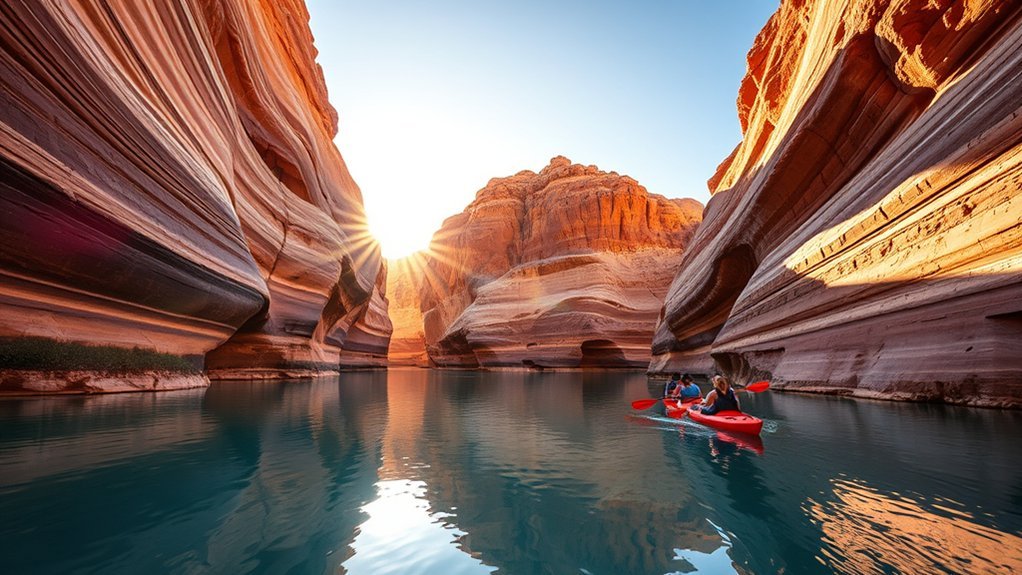
Kayaking into Antelope Canyon from Lake Powell offers a stunning perspective on the world’s most famous Navajo sandstone formations, combining open-water paddling with a hike into towering slot canyon narrows. While many travelers know Antelope Canyon exclusively through guided walking tours on tribal land, accessing the canyon from the water allows you to experience the flooded lower narrows at your own pace. Navigating this route safely requires understanding the critical difference between launch points, preparing for Lake Powell’s sudden wind and boat wake, and securing the proper Glen Canyon National Recreation Area passes.
Quick Answer
To kayak Antelope Canyon, launch from Antelope Point Public Launch Ramp (not Wahweap Marina) for a direct 5-to-6-mile round-trip paddle plus a 1-to-2-mile dry slot canyon hike. No special tribal permit is required for the water portion, only a standard Glen Canyon National Recreation Area vehicle entrance pass. Launch by 7:30 AM to beat midday boat wake and summer winds.
Key Takeaways
- Launch Site Matters: Launching from Antelope Point Public Ramp requires ~2.5 miles of paddling to reach the canyon, whereas launching from Wahweap Marina requires an ~8-mile open-lake crossing through heavy boat traffic.
- Permits & Fees: Waterway access is managed by the National Park Service; an NPS pass ($30/vehicle) covers your entry. Guided land permits are not required to paddle and hike the flooded lower narrows.
- Paddle-to-Hike Transition: The paddle ends where sediment builds up at the back of the bay; you must pull your kayak onto the sandy beach to continue on foot.
- Safety Hazards: Afternoon wind gusts exceeding 25 mph, powerboat wakes rebounding off vertical rock walls, and flash flood risks during the summer monsoon season are the primary dangers.
At a Glance
| Total Time Required | 4 to 6 hours (2–3 hours paddling, 1–2 hours hiking) |
| Total Distance | 5 to 6 miles round-trip paddle + 2 to 3 miles round-trip hike |
| Difficulty Level | Moderate (requires basic paddling endurance and heat management) |
| Estimated Cost | $30 NPS entry fee + $45–$65/day kayak rental (or $100–$150 per person for guided tours) |
Planning Your Kayak Trip: Permits, Guides, and Bookings
Understanding jurisdiction is essential when organizing this trip. The overland upper and lower sections of Antelope Canyon are located on the Navajo Nation and require mandatory guided tours booked through Navajo operators. However, the water route enters Antelope Canyon via Lake Powell, which is managed as public water by the National Park Service under Glen Canyon National Recreation Area.
You do not need a special backcountry permit or a Navajo tribal guide to kayak into the canyon and hike the lower water-carved slot. You only need a standard Glen Canyon entrance pass ($30 per vehicle for 7 days or an America the Beautiful Interagency Pass). If you bring your own kayak or paddleboard, you can self-launch at the public ramp without tour fees.
Pro Tip: If renting equipment in Page, AZ, reserve your touring kayak or stand-up paddleboard (SUP) at least 2 to 3 weeks ahead during peak season (May through September). Several outfitters provide delivery directly to the Antelope Point launch ramp or provide soft roof racks for transport.
For paddlers seeking route instruction, safety monitoring, and local geological interpretation, licensed commercial outfitters operate half-day and full-day guided tours. Guided trips generally include high-end touring kayaks, USCG-approved personal flotation devices (PFDs), dry bags, and transport logistics. When selecting an outfitter, confirm their group size limits (ideally under 10 paddlers) and whether they monitor active VHF weather radios.
Launch Points and Route Navigation: Wahweap vs. Antelope Point
Choosing the correct launch point determines whether your trip is an enjoyable day tour or an exhausting, hazardous endurance trial. There are two primary launch facilities in the area:
- Antelope Point Public Launch Ramp (Recommended): Located on the south side of Lake Powell, just 10 minutes outside Page, Arizona. From this public high-water ramp, it is an easy 1-mile paddle across the main bay to the mouth of Antelope Canyon, followed by roughly 1.5 to 2 miles of scenic paddling inside the canyon walls.
- Wahweap Marina / Stateline Launch Ramp: Located on the Utah-Arizona border on the lake’s north side. Paddling from Wahweap to Antelope Canyon requires crossing 7 to 8 miles of open lake across the main navigational channel. This route exposes paddlers to severe motorboat wakes, strong crosswinds, and a grueling 15+ mile round-trip paddle. Unless you are completing an advanced multi-day kayak tour, avoid launching from Wahweap for a single-day Antelope Canyon excursion.
“The transition from Lake Powell’s open blue waters into the towering red-rock slot canyon is dramatic: the canyon walls narrow from hundreds of feet across to barely 20 feet wide within a mile of paddling.”
Once you enter the mouth of Antelope Canyon from the main channel, motorized boat traffic drops to “No Wake” speeds. As you paddle deeper, the water gets progressively shallower, and the sandstone walls rise hundreds of feet overhead. Eventually, you will encounter a sandy bank where the lake meets the dry canyon wash. Pull your kayak completely out of the water onto the sand bank, stow your paddle, and continue on foot to explore the narrow dry slot section.
Best Times to Paddle: Light, Weather, and Crowd Considerations
Timing your paddle influences your physical comfort, photography quality, and on-water safety. The canyon environment changes significantly throughout the day and across seasons.
- Morning Launches (7:00 AM – 8:30 AM): This is the ideal window. The water on Lake Powell is glassy, summer temperatures are tolerable (70°F to 80°F / 21°C to 27°C), and powerboat traffic is minimal. You will reach the dry hiking portion before peak midday crowds arrive.
- Midday Lighting (11:00 AM – 1:30 PM): Midday delivers the most direct overhead sunlight into the slot canyon, illuminating the red, orange, and purple hues in the sandstone. However, paddling back to the launch ramp during this window exposes you to peak afternoon heat (frequently exceeding 100°F / 38°C in July and August) and strong wind chop.
- Spring & Fall (April–May & September–October): These shoulder months offer the best balance of moderate air temperatures (75°F to 85°F) and lower visitor volume. Water temperatures can be chilly in early spring (55°F to 60°F), making a wetsuit top or quick-dry thermal layer advisable.
Warning: The Southwest monsoon season runs from July through September. Thunderstorms miles away can funnel massive volumes of water, mud, and debris into slot canyons within minutes. Check the National Weather Service Flagstaff Forecast before launching. Never enter slot canyons if rain is forecast anywhere in the regional drainage basin.
What to Bring: Gear, Clothing, and Fitness Tips
Because this trip involves both flatwater paddling and walking over sandy, rocky wash trails, your equipment must serve dual purposes.
| Category | Essential Items | Why It Matters |
|---|---|---|
| Safety & Nav | USCG-Approved Life Jacket (PFD), whistle, paddle leash | Required by park law; secures paddle when transferring to hike. |
| Hydration & Food | 3–4 Liters of water per person, electrolyte packets, high-calorie snacks | Desert paddling causes rapid dehydration; lake water is non-potable. |
| Apparel & Footwear | UPF 50+ sun hoodie, wide-brim hat, amphibious hiking shoes (e.g., Astral/Chacos) | Protects against intense reflected radiation; transitions from wet mud to dry sand. |
| Dry Storage | 10L–20L roll-top dry bag, waterproof phone pouch, polarized sunglasses | Protects cameras/electronics from splashes; polarized lenses cut water glare. |
Safety on Lake Powell and in the Slot Canyons
Lake Powell is a dynamic desert reservoir with vertical sheer walls. Understanding these distinct environmental risks ensures a safe outing:
1. Boat Wake Reflection: In open sections of the lake and the wide mouth of Antelope Canyon, powerboats, wakeboard boats, and tour vessels generate large wakes. Because the sandstone cliffs drop vertically into hundreds of feet of water, wakes do not dissipate on a sloping shoreline; they bounce back and forth between walls, creating chaotic “washing machine” chop. Turn your kayak bow directly into oncoming waves at a 90-degree angle to prevent capsizing.
2. Afternoon Thermal Winds: Daily heating creates strong pressure gradients across the canyon country. By 1:00 PM, sustained headwinds of 15 to 25 mph can develop quickly, making the return paddle across the open bay to Antelope Point ramp physically exhausting. Budget extra time and reserve physical energy for the return leg.
3. Flash Flood Protocol: Slot canyons are natural drainage funnels. Flash flood waters carry logs, heavy silt, and boulders. Warning signs include sudden changes in water clarity, a low rumbling sound upstream, or an unexpected rush of cool air down the slot. If you observe any of these indicators while hiking, immediately seek the highest accessible sandstone ledge and stay out of the canyon floor.
Getting There and Where to Stay
The staging hub for Antelope Canyon water trips is Page, Arizona, located along US Highway 89 in northern Arizona.
- Driving Distances: Page is approximately 4.5 hours north of Phoenix (PHX), 4.5 hours east of Las Vegas (LAS), and 2.5 hours north of Flagstaff (FLG).
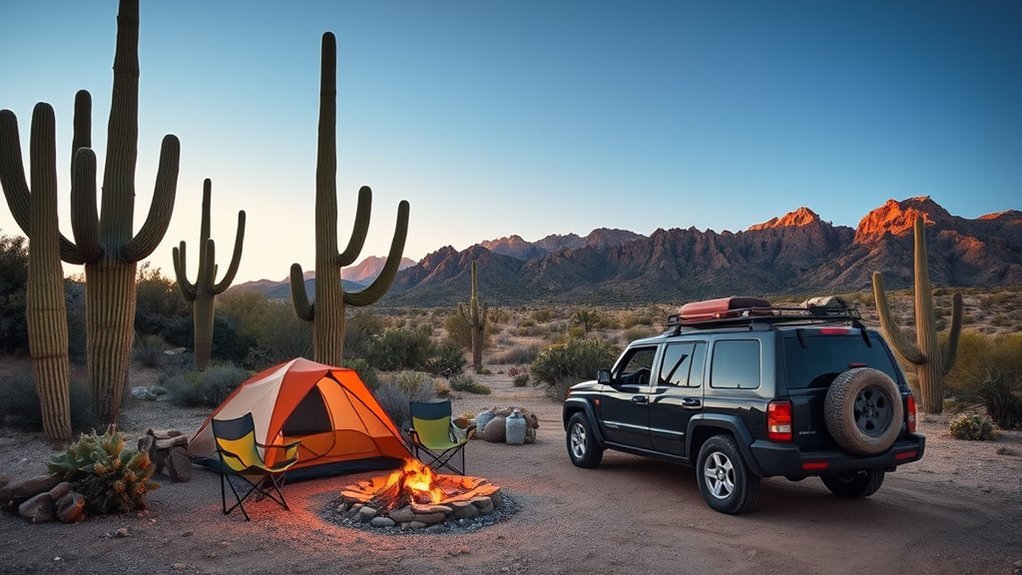
- Accessing the Ramp: From Page, take AZ-98 east, turn north onto Coppermine Road, and follow signs toward Antelope Point Marina. Follow the public ramp signs (separate from the commercial marina entrance).
- Camping & Lodging:
- Wahweap Campground: Full-hookup RV and tent sites near the lake with coin showers and camp store.
- Lone Rock Beach: Primitive dispersed beach camping directly at the water’s edge located off Highway 89 (NPS permit required).
- Hotels in Page: A wide selection of national chain hotels, motels, and vacation rentals located 10 to 15 minutes from the launch ramp.
Frequently Asked Questions
Are drones allowed for photography in Antelope Canyon and on Lake Powell?
No. Under 36 CFR 1.5, the National Park Service bans the launching, landing, or operating of unmanned aircraft (drones) on all lands and waters within Glen Canyon National Recreation Area. Drones are also strictly prohibited on Navajo Nation land.
Can children under 12 participate in guided kayak trips?
Yes, children under 12 can participate, typically seated in the front cockpit of a tandem kayak with an adult paddling in the rear. Under federal and state boating safety laws, children 12 and under are legally required to wear a properly fitted, USCG-approved life jacket at all times while on the water.
Are pets permitted on kayaks or in the canyon area?
Pets on a 6-foot leash are permitted on Lake Powell waters and along Glen Canyon National Recreation Area shorelines. However, taking dogs on kayaks and into hot, narrow slot canyons is generally discouraged during the summer due to extreme sand temperatures that can burn paw pads and a lack of emergency escape routes.
Is fishing allowed during a kayaking trip from Wahweap or Antelope Point?
Yes, fishing for striped bass, smallmouth bass, and walleye is permitted on Lake Powell. You must possess a valid Arizona or Utah fishing license with appropriate Lake Powell stamps. Note that fishing inside the narrowest, high-traffic pedestrian sections of Antelope Canyon is impractical due to narrow passage widths and kayakers.
Are restroom facilities available at launch and canyon access points?
Vault restrooms and trash facilities are located at the Antelope Point Public Ramp and Wahweap Marina. There are no restroom facilities inside Antelope Canyon itself. All visitors must pack out all trash and carry a waste-bag system (WAG bag) if nature calls in the backcountry slot canyon.
Conclusion
Paddling into Antelope Canyon is one of the most rewarding day adventures on Lake Powell, combining the freedom of open-water kayaking with the dramatic intimacy of towering Navajo sandstone slot canyons. By launching from Antelope Point Public Ramp, getting on the water early in the morning, packing ample water, and staying vigilant regarding weather and boat wake, you can complete this self-guided or outfitter-led paddle safely. Prepare your gear, check the marine forecast, and experience the natural architecture of the desert Southwest right from the water line.
Sources
- National Park Service: Glen Canyon NRA Fees & Passes — Official park entrance and vessel pass regulations.
- National Park Service: Glen Canyon Boating & Water Safety — Vessel requirements, launch ramp updates, and life jacket guidelines.
- National Park Service: Unmanned Aircraft Regulations — Glen Canyon 36 CFR 1.5 drone prohibitions.
- NOAA National Weather Service (Flagstaff, AZ) — Northern Arizona flash flood guidance and Lake Powell marine wind forecasts.
- United States Coast Guard Boating Safety — Federal paddlecraft safety standards and PFD specifications.