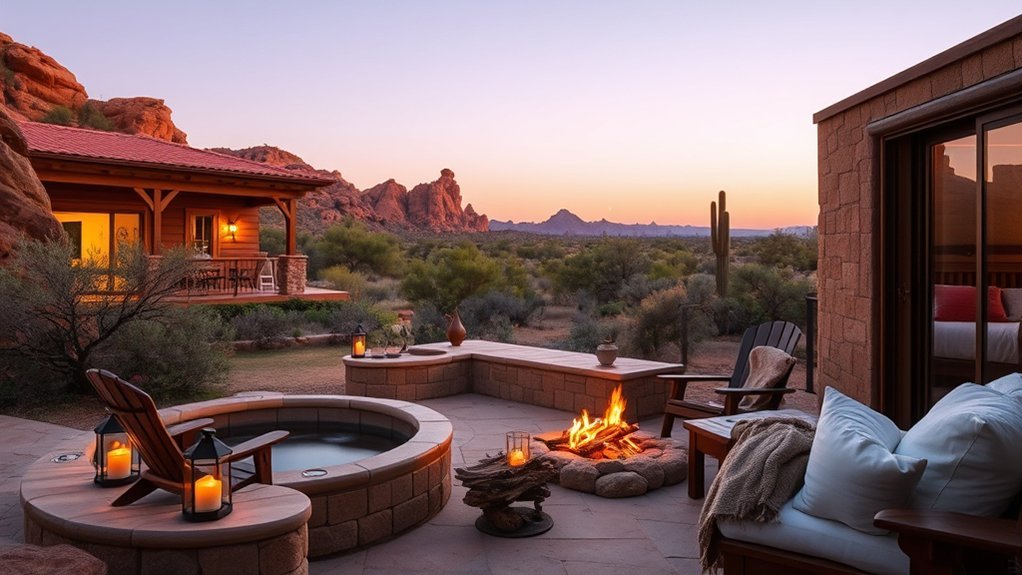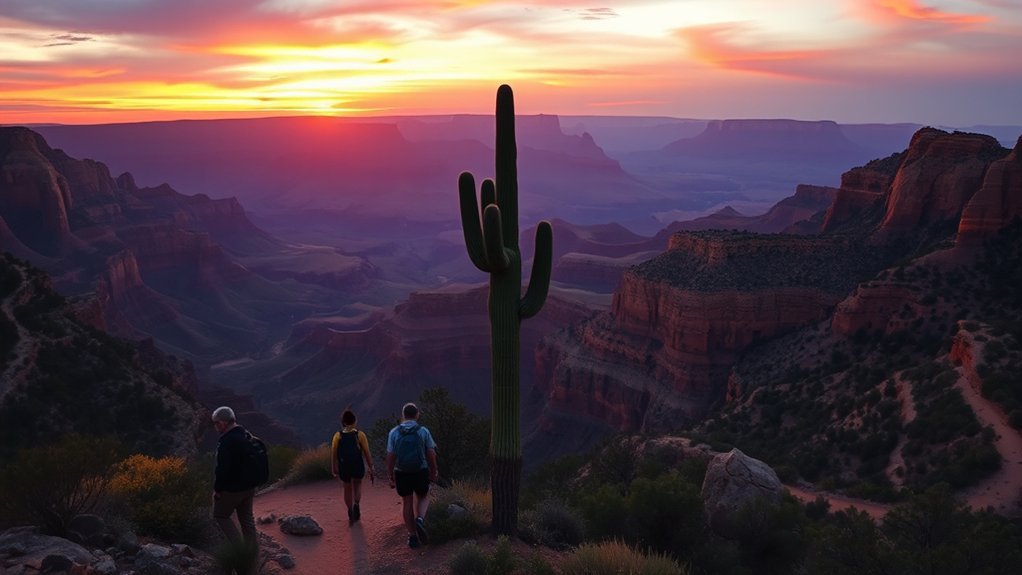
A 10-day Arizona road trip gives you enough time to combine desert cities, red-rock country, the Grand Canyon, Route 66, Navajo Nation landscapes, Lake Powell, and Petrified Forest National Park without turning every day into a race. This route begins and ends in Phoenix and works best with a rental car. Because temperatures, trail conditions, tour availability, park fees, and lake access can change, confirm the current status of major stops before each travel day.
Quick Answer
A practical 10-day Arizona itinerary starts in Phoenix, then travels through Sedona, the Grand Canyon, Williams, Page, Antelope Canyon, Horseshoe Bend, Lake Powell, Monument Valley, and Petrified Forest National Park before returning to Phoenix. Reserve Antelope Canyon in advance and check current park, trail, weather, and boating conditions before departure.
Key Takeaways
- Use Phoenix as the starting and ending point for an efficient 10-day driving loop.
- Reserve an authorized Antelope Canyon tour before arriving because independent entry is not permitted.
- Treat Grand Canyon below-rim hiking cautiously, especially during hot weather.
- Check Lake Powell water levels, launch access, weather, and marina services before boating or kayaking.
- Remember that Navajo Nation parks have separate fees and rules from National Park Service sites.
- Petrified Forest National Park fills the original itinerary’s missing sightseeing day and creates a more complete 10-day route.
Day 1: Arrival in Phoenix
Arrive in Phoenix, pick up your rental car, and keep the first day relatively light. Phoenix is your low-desert introduction to Arizona, and the weather can feel dramatically warmer than the higher-elevation destinations later in the trip.
Start in Roosevelt Row, downtown Phoenix’s walkable arts district, where you’ll find murals, galleries, restaurants, and independent shops. If you have several hours available, visit the Desert Botanical Garden to see plants adapted to the Sonoran Desert.
Finish with Southwestern or Mexican-inspired food at a local restaurant and get an early night if you have traveled a long distance. Tomorrow’s route takes you north into red-rock country.
Pro Tip: In hot months, plan outdoor Phoenix activities for early morning or evening. Desert temperatures can be much more demanding than the conditions you’ll encounter later at higher elevations.
Day 2: Exploring Sedona
Drive north to Sedona for red-rock scenery, hiking, art galleries, and Oak Creek Canyon. You can build this day around a challenging hike or choose an easier scenic itinerary depending on the weather and your fitness level.
| Activity | Area | Plan For |
|---|---|---|
| Cathedral Rock Trail | Sedona red-rock country | A steep hike with difficult scrambling sections |
| Oak Creek Canyon | North of Sedona | Scenic driving, viewpoints, picnicking, or short walks |
| Art galleries and shops | Sedona | One or two relaxed hours |
If Cathedral Rock is your priority, review the U.S. Forest Service trail information first. The trail is steep, exposed, and difficult in places. Carry water, wear shoes with good traction, and avoid committing to exposed terrain when thunderstorms or extreme heat are possible.
For a lower-effort day, spend more time around Oak Creek Canyon and Sedona’s galleries instead of tackling a steep trail. This gives you a chance to enjoy the red-rock landscape without exhausting yourself before the Grand Canyon.
Day 3: Grand Canyon National Park
Spend Day 3 at the South Rim of Grand Canyon National Park. The South Rim is open year-round, although individual facilities, trails, shuttle routes, drinking-water points, and services can change. Check the current Grand Canyon operations and alerts before setting out.
Scenic Viewpoints and Hikes
Start with easily reached rim viewpoints before deciding whether to hike below the rim.
- Mather Point: A convenient first view near the Grand Canyon Visitor Center.
- Bright Angel Trail: An iconic route into the canyon, but even a short descent requires enough energy for a harder climb back to the rim.
- Yavapai area: A useful stop for broad canyon views and geological interpretation.
- Hopi Point: A popular rim viewpoint, particularly around sunset when accessible by the applicable seasonal transportation system.
Warning: Do not underestimate a below-rim Grand Canyon hike. The climb out is harder than the descent, shade is limited, and summer Inner Canyon heat can be extreme. The National Park Service advises avoiding strenuous summer hiking during the hottest part of the day. Check weather, water availability, trail closures, and current hiking messages before leaving the rim.
If you hike Bright Angel Trail, read the official Bright Angel Trail guidance. Carry water and food rather than assuming every seasonal water source will be operating.
Visitor Center Highlights
The Grand Canyon Visitor Center is a good starting point for trip planning, maps, current hiking information, and access to Mather Point. Rangers and official information displays can help you adjust the day’s plan to weather and trail conditions.
Elsewhere in Grand Canyon Village, historic buildings such as Kolb Studio add context to the canyon’s human history, art, and early tourism. Treat these as separate village stops rather than part of the main visitor center.
Sunset Viewing Spots
If weather and transportation allow, finish at one of the South Rim’s sunset viewpoints:
- Mather Point: Easy to combine with the visitor-center area.
- Yavapai Point: Broad canyon views and convenient access.
- Hopi Point: Well known for an open western outlook.
- Desert View: A worthwhile option if your route and operating conditions allow you to spend time toward the park’s eastern side.
Arrive before sunset rather than at the last minute, and carry a warm layer. High-elevation temperatures can drop quickly after dark even when Phoenix is hot.
Day 4: Route 66 and Williams
Day 4 shifts from natural scenery to Arizona’s Route 66 history. Williams is known as a gateway community for the Grand Canyon and has a compact historic district with neon, diners, shops, railroad history, and Route 66 memorabilia.
Historic Route 66 Highlights
- Historic Route 66: Walk or drive through Williams’ historic commercial district and look for preserved signs, roadside architecture, shops, and diners.
- Grand Canyon Railway: The railway offers a scenic full-day trip from Williams to the South Rim. Because you’ve already spent Day 3 at the canyon, treat this as an optional alternative experience rather than trying to squeeze it between several other Day 4 stops.
- Bearizona Wildlife Park: A drive-through and walk-through wildlife attraction near Williams.
- Old West atmosphere: Williams uses its Route 66 and railroad heritage throughout its central visitor district.
If you choose the train, check the Grand Canyon Railway schedule because the excursion normally takes most of the day. If you prefer a varied Route 66 day, skip the train and combine downtown Williams, Bearizona, and Seligman instead.
Exploring Williams Attractions
Stroll the historic Route 66 blocks, browse the local shops, and visit the Route 66 Museum and Gift Shop if its current hours fit your schedule. Williams is especially atmospheric after dark when vintage-style signs and neon illuminate the main streets.
If wildlife interests you, visit Bearizona. Check its current hours before arriving because seasonal operating times can change.
Scenic Stops Along Route
You can build the day around several original itinerary highlights:
- Bearizona Wildlife Park: Allow enough time for both the drive-through and walk-through portions rather than treating it as a five-minute roadside stop.
- Route 66 Museum: Add historical context before exploring the surrounding Route 66 district.
- Grand Canyon Railway: Choose it when you specifically want the railroad experience and are comfortable dedicating most of the day to it.
- Seligman: Continue west for classic Route 66 storefronts, signs, murals, and roadside Americana before returning toward your overnight stop.
Day 5: Antelope Canyon and Page
Travel to Page for one of the trip’s most distinctive landscapes: Antelope Canyon. Its narrow sandstone passageways, sculpted walls, and changing light make it a memorable stop, but it is not an independent-access hike.
Note: Antelope Canyon is on Navajo Nation land, and authorized guided tours are mandatory. Reserve through an approved operator and follow that operator’s arrival, parking, weather, photography, and check-in instructions. See the Navajo Nation Parks authorized tour information.
After the tour, spend time in Page and visit the Glen Canyon Dam area or Carl Hayden Visitor Center when open. Keep the rest of the afternoon flexible because slot-canyon tours can be affected by dangerous weather and flash-flood risk.
Warning: Never treat a slot canyon as a safe place during threatening weather. Follow your authorized guide and operator instructions. Tours may be changed or canceled when conditions create flash-flood danger.
One additional planning detail matters in this part of Arizona: most of Arizona stays on Mountain Standard Time year-round, while the Navajo Nation observes daylight saving time. Confirm the exact time used by your tour operator instead of assuming your phone, Page hotel, and Navajo Nation destination are all displaying the same local time.
Day 6: Horseshoe Bend and Lake Powell
Start early at Horseshoe Bend, where the Colorado River curves around a massive sandstone formation. The official trail is about 1.5 miles round trip and is exposed to sun and wind.
The overlook itself is within Glen Canyon National Recreation Area, while the parking lot is operated separately in Page. National Park Service or Glen Canyon passes do not cover the Page parking charge. Check the official Horseshoe Bend information before visiting.
To make the most of the morning:
- Walk to Horseshoe Bend: Bring water and sun protection even though the hike is relatively short.
- Photography: Stay behind railings where provided and use extra caution around unprotected cliff edges.
- Lake Powell: Choose kayaking, a boat trip, or shoreline sightseeing based on current conditions.
- Picnic: A simple meal near an approved recreation area can keep your schedule flexible.
Pro Tip: Lake Powell’s water level can change which ramps, docks, channels, and services are usable. Check the NPS changing lake levels page and current Glen Canyon conditions before renting or launching a vessel.
If you paddle, wear a properly fitted personal flotation device, watch the marine forecast, carry adequate drinking water, and do not assume calm morning conditions will last all day.
Day 7: Monument Valley
Continue to Monument Valley Navajo Tribal Park, where enormous sandstone buttes rise from the desert floor. This is Navajo Nation land and is managed separately from National Park Service sites.
You can take in the famous viewpoints from the visitor area and, when current conditions permit, explore the public scenic drive in a suitable vehicle. The unpaved loop can be rough and sandy, so check the latest vehicle restrictions and road information before entering.
A guided Navajo tour is worth considering because guides can provide cultural and historical context and may take visitors to areas not accessible on the self-drive route. Use the official Monument Valley Navajo Tribal Park page for current hours and access rules.
Note: Monument Valley Navajo Tribal Park charges its own entrance fee and does not accept the National Park Pass. Confirm current hours, scenic-drive last-entry time, vehicle restrictions, and local time before arrival.
If sunset viewing is permitted during your visit, allow extra time rather than rushing out of the valley. Golden-hour light can transform the sandstone, but your departure must still comply with current tribal-park operating rules.
Day 8: Petrified Forest National Park
Use the eighth sightseeing day to continue through northeastern Arizona toward Petrified Forest National Park. This fixes the original itinerary’s missing-day problem while adding a landscape that differs from Sedona, the Grand Canyon, and Monument Valley.
The park combines petrified wood, badlands, archaeological sites, historic Route 66 connections, and the Painted Desert. Check Petrified Forest National Park for current alerts and operating hours before entering because the park road is gated and does not remain open 24 hours.
Good stops include:
- Painted Desert viewpoints: Start with broad views across the colorful badlands.
- Painted Desert Inn area: Add history and a short break from driving when facilities are open.
- Blue Mesa: One of the park’s most distinctive badlands landscapes.
- Puerco Pueblo: Learn about the long human history of the region.
- Jasper Forest or Crystal Forest: See concentrations of petrified wood without attempting an all-day backcountry hike.
Warning: Summer monsoon storms can bring lightning and flash flooding to the open landscape. If a storm develops, follow National Park Service guidance and return to a safe enclosed location rather than sheltering beneath an exposed metal shade structure.
Plan your overnight stop so Day 9’s return toward Phoenix is comfortable rather than forcing a late-night drive.
Day 9: Return to Phoenix
Use Day 9 to complete the drive back toward Phoenix. This should be a flexible transition day rather than another tightly scheduled list of attractions.
Once back in the Phoenix area, choose one or two low-pressure activities:
- Last-minute photo stops: Enjoy the changing scenery as high desert gives way to the Sonoran Desert.
- Local dining: Have a final Arizona dinner without needing to rush to the airport.
- Shopping: Pick up souvenirs or locally made items.
- Explore Phoenix: Take a short downtown walk or return to an area you missed on Day 1.
Returning a full day before your flight gives you a useful buffer for traffic, weather, changing plans, and rental-car logistics.
Day 10: Phoenix and Departure
Your final day is intentionally simple. Check out, pack the car, allow time for fuel and your rental-car return, and head to the airport with enough margin for your flight.
If you have a late departure, use the extra hours for breakfast, a short downtown walk, or another easy Phoenix stop. Avoid starting a long desert hike or distant day trip when you have a fixed flight later the same day.
By the end of the route, you will have experienced Phoenix’s urban desert setting, Sedona’s red rocks, the Grand Canyon, historic Route 66, Page, Antelope Canyon, Horseshoe Bend, Lake Powell, Monument Valley, and Petrified Forest National Park.
Planning Your Arizona Road Trip
Reservations to Make First
Book your rental car and overnight stays first, then secure any activity tied to a fixed time. Antelope Canyon should be high on that list because entry requires an authorized guided tour. If you choose the Grand Canyon Railway or a guided Monument Valley experience, reserve those early enough to build the surrounding itinerary around them.
Weather and Season
Arizona is not one uniform climate. Phoenix can be extremely hot while the Grand Canyon, Williams, and other high-elevation stops are much cooler. Spring and fall are comfortable for many travelers, but winter can bring snow or ice at higher elevations and summer brings serious heat plus monsoon thunderstorms.
Check destination-specific forecasts shortly before travel rather than relying on a single “Arizona weather” forecast.
What to Pack
- Lightweight, breathable clothing for hot low-desert conditions
- A warm layer for high elevations, mornings, and evenings
- Sturdy walking or hiking shoes with traction
- Wide-brimmed hat and sunglasses
- Broad-spectrum sunscreen
- Reusable water bottles or a hydration system
- Salty snacks and food for longer hikes
- Small daypack
- Phone charger or power bank
- Offline maps for areas with weak service
- Camera or phone with enough storage for photos
Fees and Passes
Many major federal recreation areas on this itinerary charge entrance fees, but the rules are not identical at every destination. Grand Canyon and Petrified Forest use National Park Service passes, while Navajo Nation destinations such as Monument Valley and Antelope Canyon have separate fees. Horseshoe Bend’s Page-operated parking is also separate from the NPS pass system.
Because federal pass and nonresident fee rules changed in 2026, check the current National Park Service pass information before purchasing a pass for your trip.
The best Arizona road trip is not the one with the most stops. It is the one that leaves enough time to enjoy each landscape safely and adjust when desert weather, trail conditions, tours, or road access change.
Frequently Asked Questions
What is the best time to visit Arizona?
Spring and fall are comfortable for many parts of this route, but conditions vary greatly with elevation. Phoenix may be hot while Williams and the Grand Canyon are cool. Summer requires serious heat planning, and winter can bring snow and ice to northern Arizona.
Are there entry fees for Arizona’s national parks?
Yes, several major National Park Service destinations on this route charge entrance fees. Check each park’s current fee page before travel. Navajo Nation parks and Horseshoe Bend parking use separate fee systems, so one federal pass does not cover every stop in this itinerary.
What should I pack for my Arizona trip?
Pack breathable clothing, sturdy shoes, sun protection, plenty of water capacity, a warm layer for high elevations, snacks, a daypack, and offline navigation. Conditions can change dramatically between Phoenix and northern Arizona.
Can I visit multiple attractions in one day?
Yes, when the stops are close together and do not require fixed tour times. Avoid overbooking days that include long drives, strenuous hikes, Antelope Canyon tours, or a full-day Grand Canyon Railway excursion.
Are guided tours available in Arizona?
Yes. Guided experiences are available at many destinations. Antelope Canyon is different because an authorized guided tour is required for entry. Navajo-led tours are also available in Monument Valley and can provide cultural context and access beyond parts of the public self-drive route.
Do I need to reserve Antelope Canyon in advance?
Advance booking is strongly recommended because you must enter with an authorized guide and popular tour times can fill. Book through an operator recognized by Navajo Nation Parks and follow its check-in instructions.
Does all of Arizona use the same time during this trip?
Not always. Most of Arizona does not observe daylight saving time, while the Navajo Nation does. During daylight-saving months, confirm the local time stated by your Antelope Canyon or Monument Valley operator so you do not miss a reservation.
Do I need a rental car for this 10-day Arizona itinerary?
A rental car is the most practical option for this route because the itinerary covers widely separated cities, parks, tribal lands, trailheads, and roadside destinations. Choose a vehicle appropriate for your passengers and luggage, and follow any vehicle restrictions on unpaved roads.
Conclusion
This 10-day Arizona itinerary gives you a much fuller picture of the state than a rushed highlights trip. You move from Phoenix’s Sonoran Desert to Sedona’s red rocks, the Grand Canyon, Route 66, Page, Navajo Nation landscapes, Lake Powell, Monument Valley, and Petrified Forest National Park before returning to Phoenix. Keep the route flexible, reserve the activities that require fixed times, and check official conditions before hiking, boating, or entering remote areas.
Sources
- Grand Canyon National Park, National Park Service — current park operations, hiking guidance, fees, trails, visitor information, and safety.
- Coconino National Forest, U.S. Forest Service — Sedona-area recreation, Cathedral Rock Trail, and Oak Creek Canyon information.
- Glen Canyon National Recreation Area, National Park Service — Horseshoe Bend, Lake Powell access, boating, kayaking, changing water levels, and current conditions.
- Navajo Nation Parks — Antelope Canyon Tour Operators — mandatory guided-tour requirement and authorized operator information.
- Navajo Nation Parks — Monument Valley Navajo Tribal Park — park hours, scenic-drive access, tribal-park rules, and visitor information.
- Petrified Forest National Park, National Park Service — park hours, current conditions, hiking, Painted Desert, and visitor planning information.