Bakeries in Kadikoy are part of daily life as much as they are food stops. Across the district, traditional fırın shops, pastry counters, and café-style bakeries serve everything from simit and pide to cakes, chocolate, and modern laminated pastries. Their story also reflects Kadıköy’s growth from an old Bosphorus settlement into one of Istanbul’s busiest food neighborhoods.
Quick Answer
Kadikoy bakeries range from neighborhood fırın shops selling simit, bread, poğaça, börek, and pide to historic patisseries and modern cafés. For a first visit, try Istanbul-style simit for everyday bakery culture and a classic pastry-shop dessert for the district’s sweeter side.
Last checked: October 1, 2026. Dates and figures were verified against official sources.
Key Takeaways
- Traditional Kadıköy bakery food includes simit, pide, börek, poğaça, and everyday loaves, while patisseries add cakes, chocolate, and syrup-based sweets.
- Istanbul simit is dipped in a room-temperature molasses mixture and coated with sesame before baking; the dough itself is not boiled.
- Kadıköy’s bakery culture combines older neighborhood fırın traditions with sourdough, croissants, coffee, and café-style service.
- Baylan is a documented historic Kadıköy patisserie, and its best-known classic is Kup Griye rather than profiterole.
- For gluten-free, vegan, or allergy-sensitive eating, confirm ingredients and cross-contact procedures with the bakery rather than relying only on a display label.
History of Bakeries in Kadikoy
Kadıköy’s food culture developed alongside one of Istanbul’s oldest settlements. The Kadıköy Municipality history traces settlement in the area back thousands of years and shows how the district later expanded significantly during the 19th century.
The area’s baking tradition is often linked to the wider bread culture of Byzantine Constantinople, although a continuous record of named commercial bakeries in Kadıköy from the Byzantine period is difficult to document. What is clearer is that bread making remained an essential urban trade through the Ottoman centuries.
Ottoman bakers operated within changing craft and commercial systems rather than one unchanging guild structure. Academic work on surviving court records, including research published through Hacettepe University, shows that the organization of bakers and other crafts evolved over time.
By the 19th century, Kadıköy was becoming a more settled residential and commercial district. Baking technology was also changing, with newer oven designs allowing better temperature control and greater output. The exact timing of steam-oven adoption by Kadıköy bakeries, however, is not well documented.
Traditional breads such as pide and sesame-coated simit became part of the everyday food rhythm. Bakeries also functioned as neighborhood businesses where people bought breakfast, daily bread, snacks, and food for family gatherings. That social role still helps explain why a local fırın can feel very different from a modern grab-and-go bakery.
Traditional Turkish Baked Goods
Traditional Turkish baked goods remain the foundation of many bakeries in Kadikoy. A visitor can encounter several different kinds of shops, from bread-focused fırın businesses to börek counters and dessert-oriented pastaneler.
| Item | What It Is | Typical Use |
|---|---|---|
| Simit | Ring-shaped bread coated with molasses and sesame | Breakfast or a quick snack, often with tea |
| Pide | Flat or boat-shaped bread that may be plain or topped | A bread accompaniment or a complete savory meal |
| Börek | Layered or rolled pastry with fillings such as cheese, meat, or greens | Breakfast, lunch, or a substantial snack |
| Poğaça | Soft savory pastry or bun, often plain or filled | Portable breakfast or tea-time snack |
| Baklava | Layered filo pastry with nuts and syrup | Dessert, more commonly associated with pastry and sweet shops |
How Istanbul Simit Is Actually Made
Simit is one of the clearest symbols of Istanbul’s everyday bakery culture. It should not be confused with a boiled bagel simply because both are ring-shaped.
TÜRKPATENT registered İstanbul Simidi as a geographical indication on October 8, 2025. The registered preparation uses wheat flour, water, salt, fresh yeast, molasses, and sesame.
After the dough is shaped into its characteristic double-strand ring, it is dipped in a room-temperature molasses mixture, coated with sesame, rested, and baked. The dough itself is not boiled. The cold molasses coating is one of the defining features of registered Istanbul simit.
Pide, Börek, and Other Dough-Based Foods
Pide and börek cover a wide range of preparations rather than a single recipe. Turkey’s Culture Portal groups börek, gözleme, bazlama, and pide among major categories of dough-based foods, with regional variations across the country.
Pide may be served plain or topped with ingredients such as cheese, minced meat, or vegetables. During Ramadan, round or oval ramazan pidesi becomes especially associated with iftar meals.
Börek usually uses thin layers or sheets of dough with savory fillings. Poğaça, meanwhile, is generally softer and more compact, making it easy to carry for breakfast or a snack.
Modern Bakeries and Cafes in Kadikoy
)
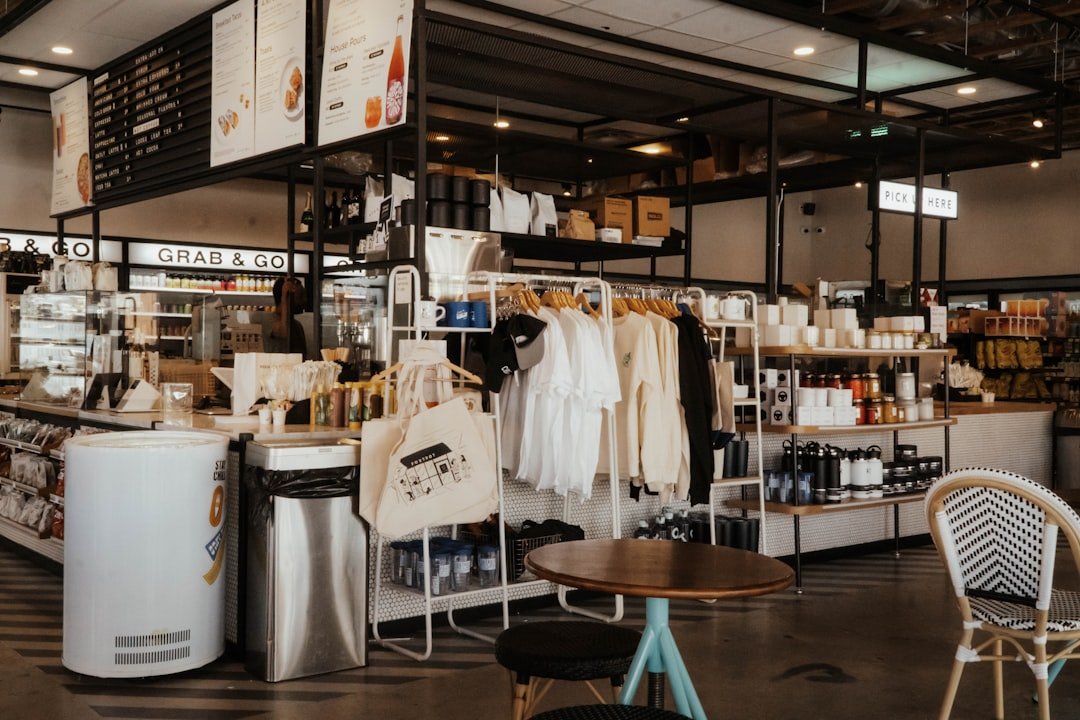
Modern bakery culture in Kadıköy goes well beyond the traditional bread counter. Contemporary bakery-cafés may combine naturally fermented bread, croissants, tarts, cakes, sandwiches, and specialty coffee in one space.
Sourdough has become an important part of this newer style. Natural fermentation changes the bread’s flavor, aroma, acidity, and crumb structure. It does not, however, make ordinary wheat sourdough safe for someone with celiac disease.
Some modern shops also emphasize local, seasonal, or organic ingredients. Others focus more on technique, presentation, or specialty pastry. These approaches vary by bakery, so they should not be treated as standard features across Kadıköy.
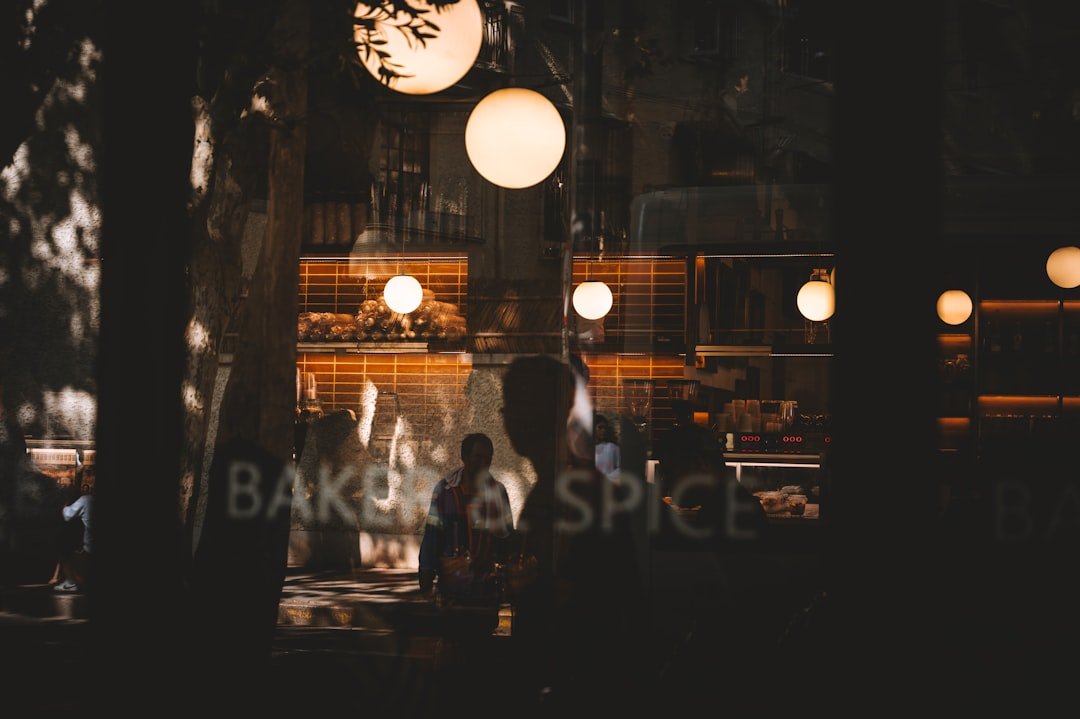
Café service has also changed how people use bakeries. Instead of buying bread and leaving, customers may sit down for coffee, breakfast, or dessert. Open preparation areas and visible pastry counters can make the baking process part of the experience.
The Role of Bakeries in Kadikoy’s Culinary Scene
Bakeries help connect Kadıköy’s everyday food culture with its more destination-driven dining scene. They serve residents buying daily bread while also attracting visitors looking for simit, pastries, desserts, or a quick breakfast.
The district’s dense food streets make that mix easy to see. The city’s official tourism site highlights the Kadıköy Market area for its food shops, produce, cheeses, spices, seafood, cafés, and wider neighborhood culture.
A neighborhood bakery can also be a social space. Friends may meet over tea and cake, commuters may pick up a poğaça before work, and families may buy trays of pastries or sweets for gatherings. Bakery food therefore crosses several parts of daily life rather than belonging to one meal.
These businesses also support a wider local supply chain through flour, dairy, nuts, sesame, fruit, packaging, equipment, and service jobs. At the same time, long-running shops help preserve products and preparation styles that might otherwise disappear as food trends change.
Popular Bakeries and Their Signature Items
Historic bakery and pastry names can be useful reference points, but a bakery should be matched to its actual specialty. A bread-focused fırın, a börek shop, and a dessert-oriented pastane serve different purposes even when all are casually described as bakeries.
Baylan Kadıköy
Baylan is one of the best-documented historic patisserie names in central Kadıköy. Its official contact page lists the Kadıköy branch at Muvakkithane Caddesi No. 9/A and describes the business as operating since 1923.
Its signature item is better identified as Kup Griye, not profiterole. Baylan’s official collection of classics dates Kup Griye to 1954 and describes it as a combination of vanilla and caramel ice cream, whipped cream, honeyed almonds, and caramel sauce.
That makes Baylan more relevant for cakes, chocolates, ice cream, and classic patisserie desserts than for someone specifically looking for a rustic loaf of bread.
What About Köşkeroğlu?
Köşkeroğlu was previously described as a Kadıköy bakery known for sesame bread, but its current official information does not support that description. The Köşkeroğlu official site lists an address in Hacımimi, Beyoğlu, and presents the business primarily around baklava, kadayıf, lokum, and related sweets.
For that reason, it should not be treated as a verified Kadıköy bakery or used as a dependable example of a Kadıköy sesame-bread specialist.
How to Choose the Right Type of Bakery
Start with the product you actually want. For everyday bread, simit, or poğaça, a traditional fırın is usually the most natural fit. For cakes, chocolate, and plated desserts, look for a pastane.
If you want croissants, sourdough, specialty coffee, or a sit-down breakfast, a newer bakery-café may suit you better. For börek, a shop that specializes in börek can offer more filling and pastry choices than a general bakery.
Pro Tip: If freshness matters most, look at what is being baked or replenished while you are there. A shorter selection made throughout the day can be more useful than a large display that has been sitting for hours.
The Art of Baking in Kadikoy
)
Good baking depends on control of fermentation, dough development, shaping, heat, and timing. Those fundamentals apply whether a baker is making a simple loaf, a sesame-coated simit, layered börek, or a laminated croissant.
Traditional work often relies heavily on repeated hand skills. A baker learns how dough should feel, how long it needs to rest, how much filling a pastry can hold, and how oven heat changes the crust and interior.
Modern bakers may combine those foundations with newer equipment, controlled fermentation, international pastry techniques, and contemporary flavors. This does not automatically make the result better or worse; it simply creates a different style of bakery.
Fusion products can also appear. Matcha-infused baklava or chocolate-filled simit, for example, reinterpret familiar forms with newer flavor combinations. They are creative variations rather than standard versions of traditional Turkish baking.
Bakeries as Community Gathering Places
Many Kadıköy bakeries function as small social spaces as well as food businesses. A bakery with tables may become a regular meeting point for neighbors, while even a counter-only fırın can become part of a person’s daily routine.
This role becomes especially visible around holidays and family occasions. During Ramadan, ramazan pidesi is strongly associated with the evening meal, and bakery queues can become part of the seasonal rhythm.
Cakes, börek, pastries, and sweets also appear at birthdays, visits, celebrations, and family gatherings. In this sense, a bakery connects ordinary meals with special occasions.
Some bakery-cafés may also organize tastings, demonstrations, or baking activities. These are business-specific rather than universal, but they show how baking can move from a simple retail transaction into a shared experience.
The Future of Bakeries in Kadikoy
Kadıköy’s bakeries are likely to keep balancing tradition with changing customer habits. Traditional shops still have a clear role because bread, simit, börek, and poğaça are practical everyday foods, while newer cafés compete through specialty products, coffee, design, and sit-down service.
Digital ordering and delivery add another layer. Some bakeries and patisseries now accept orders online or arrange local delivery, although availability, delivery areas, and minimum orders differ between businesses.
Sustainability is also becoming more visible in food service. Waste reduction, reusable or recyclable packaging, seasonal ingredients, and careful production planning can all matter in a business where unsold fresh products have a short useful life.
The most durable bakeries will probably be those that understand what customers value about them. For one shop that may be a familiar simit or poğaça made the same way every morning; for another, it may be careful sourdough fermentation, pastry technique, or a distinctive café experience.
If you enjoy exploring foods from different regions, you may also like this guide to Asian melon varieties and flavors. It offers a different look at how ingredients, varieties, and food traditions shape what people eat.
Frequently Asked Questions
What types of bakeries can be found in Kadikoy?
Kadikoy has traditional bread bakeries, börek and pastry shops, patisseries, and modern bakery-cafés. Some focus on everyday bread and simit, while others specialize in desserts, sourdough, laminated pastries, coffee, or sit-down breakfast.
What are some popular items found in Kadikoy bakeries?
Popular bakery foods include simit, pide, börek, poğaça, everyday bread, cakes, and baklava. Turkish delight may also be sold by sweet shops and patisseries, although it is a confection rather than a baked product.
Are there any gluten-free or vegan options available in Kadikoy bakeries?
Yes, some Kadikoy bakeries and cafés offer gluten-free or vegan products, but availability varies. If you have celiac disease or a serious allergy, ask about ingredients, shared ovens, preparation surfaces, and cross-contact before ordering.
Do Kadikoy bakeries offer delivery or online ordering?
Some Kadikoy bakeries offer online ordering, takeaway, or delivery. The service area, menu, minimum order, and delivery hours can differ from the shop’s normal walk-in service, so confirm those details when placing an order.
Are there any famous or historic bakeries in Kadikoy?
Yes. Baylan is a well-documented historic Kadıköy patisserie, with its current Kadıköy branch on Muvakkithane Caddesi. Its signature Kup Griye dates to 1954 and is more representative of the shop than the profiterole claim sometimes associated with it.
Sources
- Kadıköy Municipality: district settlement history and 19th-century urban development.
- Visit Istanbul: Kadıköy Market and the district’s current food and café context.
- Turkish Patent and Trademark Office: registration and production characteristics of İstanbul Simidi.
- Türkiye Culture Portal: traditional Turkish dough-based food categories including börek and pide.
- Hacettepe University: academic research on Ottoman bakers and changing craft organization.
- Baylan official contact page: Kadıköy branch address and brand history.
- Baylan Classics: Kup Griye history, ingredients, and 1954 date.
- Köşkeroğlu official site: current location and product focus used to correct the previous Kadıköy bakery claim.