

Via Ferrata, which translates to “iron way” in Italian, is a climbing route that is equipped with fixed anchors, cables, and ladders to assist climbers in traversing steep and challenging terrain. Originating in the Dolomites of Italy during World War I, these routes were initially constructed to facilitate troop movements across the rugged mountain landscape. Today, Via Ferrata has evolved into a popular recreational activity that allows adventurers of varying skill levels to experience the thrill of climbing without the need for extensive technical climbing skills or equipment.
The essence of Via Ferrata lies in its unique combination of hiking and climbing. Unlike traditional rock climbing, where climbers rely on their skills to ascend natural features, Via Ferrata routes provide a safety net through the use of metal cables and rungs. This makes it accessible to a broader audience, including families and those who may not have prior climbing experience.
The routes can vary significantly in difficulty, length, and exposure, offering something for everyone from beginners to seasoned climbers seeking a new challenge.
Key Takeaways
- Via Ferrata is a mountain climbing activity that involves following a protected climbing route using a steel cable, iron rungs, pegs, and ladders.
- Switzerland offers a variety of Via Ferrata routes, including the Eiger, Murren, and Saas Fee, providing stunning views and challenging climbs for all skill levels.
- When doing Via Ferrata, expect to use a harness, helmet, and Via Ferrata set to secure yourself to the safety cable, as well as encounter steep and exposed sections of the route.
- Essential gear for Via Ferrata includes a helmet, harness, Via Ferrata set, sturdy footwear, gloves, and appropriate clothing for the weather conditions.
- Safety tips for beginners include proper training, checking weather conditions, staying connected to the safety cable at all times, and being aware of your surroundings.
Where to find Via Ferrata routes in Switzerland
Switzerland is renowned for its breathtaking alpine scenery, making it an ideal destination for Via Ferrata enthusiasts.
One of the most famous areas for Via Ferrata is the region surrounding Zermatt, home to the iconic Matterhorn.
The “Via Ferrata Zermatt” offers several routes that provide climbers with unparalleled views of this majestic peak while navigating through rocky outcrops and steep cliffs. Another notable location is the Engadin Valley, where the “Via Ferrata Piz Trovat” presents an exhilarating experience with its dramatic vertical drops and panoramic views of the surrounding mountains. The route is well-marked and features various sections that challenge climbers with different levels of exposure and difficulty.
Additionally, the Lauterbrunnen Valley is home to several Via Ferrata routes, including the “Via Ferrata Mürren,” which allows climbers to traverse along the cliffs while enjoying views of cascading waterfalls and lush green valleys below.
What to expect when doing Via Ferrata
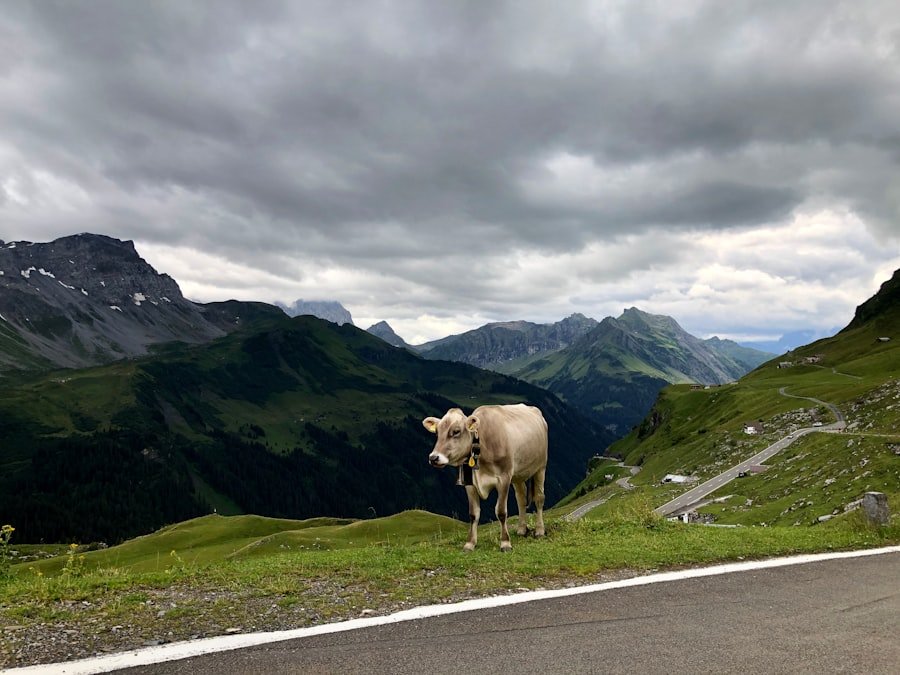
When embarking on a Via Ferrata adventure, climbers can expect a unique blend of physical exertion and mental stimulation. The experience typically begins with a hike to the base of the route, where participants can take in the surrounding beauty and prepare for the climb ahead. Once on the route, climbers will encounter a series of fixed cables, ladders, and rungs that facilitate upward movement and provide security against falls.
The sensation of climbing while being securely attached to these safety features creates an exhilarating experience that combines the thrill of heights with a sense of security. The physical demands of Via Ferrata can vary widely depending on the route’s difficulty. Some routes may require significant upper body strength and endurance, particularly when navigating vertical sections or overhangs.
Others may be more accessible, allowing participants to focus on enjoying the scenery rather than strenuous climbing. Regardless of the route chosen, climbers should be prepared for varying weather conditions, as mountain weather can change rapidly. It is essential to dress appropriately and bring necessary gear to ensure comfort throughout the adventure.
Essential gear and equipment for Via Ferrata
| Item | Description |
|---|---|
| Helmet | A protective headgear to prevent head injuries from falling rocks or accidental falls. |
| Harness | An essential piece of equipment for attaching yourself to the safety cable of the via ferrata route. |
| Via Ferrata Lanyard | A specialized shock-absorbing lanyard with carabiners for connecting to the safety cable. |
| Gloves | To protect your hands from sharp rocks and provide better grip on the via ferrata equipment. |
| Climbing Shoes | Sturdy and grippy footwear designed for climbing and scrambling on rocky terrain. |
| Carabiners | Used for attaching the via ferrata lanyard to the harness and for other technical maneuvers. |
To safely enjoy a Via Ferrata experience, having the right gear is crucial. At a minimum, climbers should equip themselves with a harness, a helmet, and a Via Ferrata set, which includes a lanyard with two carabiners designed specifically for this type of climbing. The harness should fit snugly but comfortably around the waist and legs, allowing for freedom of movement while providing adequate support.
Helmets are essential for protecting against falling rocks or accidental bumps against rock faces. The Via Ferrata set is particularly important as it allows climbers to remain securely attached to the fixed cables throughout their ascent. These sets typically feature energy-absorbing lanyards that reduce the impact force in case of a fall.
In addition to these essentials, climbers should consider wearing climbing shoes or sturdy hiking boots with good grip for optimal traction on rocky surfaces. A small backpack can also be useful for carrying water, snacks, and additional layers of clothing to adapt to changing weather conditions.
Safety tips for beginners
For those new to Via Ferrata, safety should always be a top priority. One of the most important tips is to familiarize oneself with the specific route before starting.
It is advisable to start with easier routes that match one’s skill level before progressing to more challenging climbs. Another critical safety measure is to always double-check equipment before beginning the climb. Ensuring that harnesses are properly secured and that carabiners are locked can prevent accidents caused by equipment failure.
Additionally, climbers should maintain a safe distance from one another on the route to avoid falling debris or collisions. It is also wise to keep an eye on weather conditions; if storms are approaching or visibility decreases significantly, it may be best to postpone the climb or descend safely.
Choosing the right Via Ferrata route for your skill level
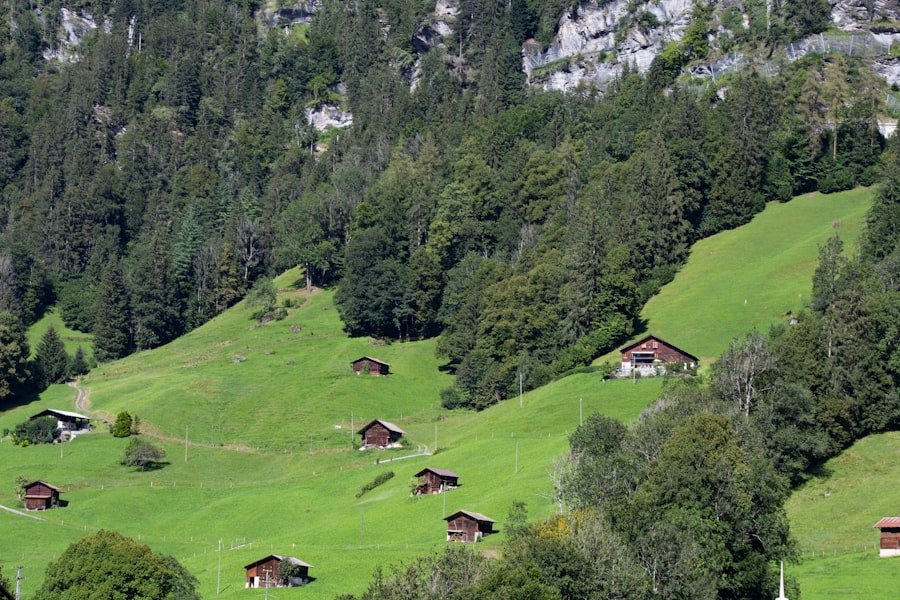
Selecting an appropriate Via Ferrata route is essential for ensuring an enjoyable experience. Beginners should look for routes that are classified as easy or moderate, which typically feature less exposure and more straightforward climbing sections. These routes often have well-maintained paths and ample safety features, making them ideal for those who are still building their confidence in climbing.
As climbers gain experience and strength, they can gradually progress to more challenging routes that may include steeper ascents or more technical sections requiring greater skill and endurance. It is important to read route descriptions carefully and consult local guides or climbing shops for recommendations based on personal abilities. Many areas also provide grading systems that indicate the difficulty level of each route, helping climbers make informed decisions about where to start their adventures.
Guided tours and courses for beginners
For those who feel uncertain about venturing onto a Via Ferrata route alone, guided tours and courses are excellent options for beginners. Many outdoor adventure companies in Switzerland offer guided experiences led by certified instructors who are knowledgeable about both climbing techniques and safety protocols. These guides can provide valuable insights into proper climbing techniques while ensuring that participants feel secure throughout their journey.
Courses specifically designed for beginners often include instruction on how to use Via Ferrata equipment effectively, as well as tips on navigating different types of terrain. Participants will have the opportunity to practice their skills in a controlled environment before tackling more challenging routes independently. This structured approach not only enhances safety but also builds confidence among novice climbers as they learn from experienced professionals.
Etiquette and environmental considerations for Via Ferrata in Switzerland
As with any outdoor activity, practicing good etiquette and being mindful of environmental considerations is essential when participating in Via Ferrata in Switzerland. Climbers should always respect local regulations and guidelines regarding access to specific routes, as some areas may have restrictions in place to protect wildlife or preserve natural habitats. Staying on marked paths helps minimize environmental impact while ensuring safety.
Additionally, it is important to practice Leave No Trace principles by packing out all trash and minimizing disturbances to flora and fauna along the route. Climbers should also be considerate of other users on the trail; this includes yielding to those ascending or descending when necessary and maintaining a respectful distance from others on busy routes. By adhering to these guidelines, climbers can help preserve Switzerland’s stunning landscapes for future generations while enjoying their own adventures in nature.
If you’re a beginner looking to explore the thrilling world of via ferrata in Switzerland, you’ll find that the country offers a variety of routes that cater to all skill levels. These protected climbing paths provide a unique way to experience the stunning Swiss landscapes, combining hiking and climbing with the safety of fixed cables and ladders. For those who are new to this adventure sport, starting with easier routes is recommended to build confidence and skills. After a day of exhilarating climbs, you might want to unwind with a healthy and refreshing treat. Consider trying out a simple recipe for homemade cottage cheese, which you can find in this related article. It’s a perfect way to refuel and relax after your Swiss via ferrata adventure.
FAQs
What is a via ferrata?
A via ferrata is a protected climbing route found in the Alps and other mountainous regions. It consists of a steel cable which runs along the route and is periodically fixed to the rock. This allows climbers to secure themselves to the cable, limiting the risk of falling.
What equipment do I need for a via ferrata in Switzerland?
For a via ferrata in Switzerland, you will need a climbing harness, a via ferrata set (which includes a shock-absorbing lanyard with carabiners), a helmet, sturdy footwear, and appropriate clothing for the mountain environment.
Do I need prior climbing experience to do a via ferrata in Switzerland?
No, via ferratas are designed to be accessible to beginners with no prior climbing experience. However, a basic level of fitness and a head for heights are recommended.
Are there different levels of difficulty for via ferratas in Switzerland?
Yes, via ferratas are graded according to their difficulty, with routes ranging from easy to very difficult. It’s important to choose a via ferrata that matches your skill level and experience.
Are there guided tours available for via ferratas in Switzerland?
Yes, there are many companies in Switzerland that offer guided via ferrata tours for beginners. These tours often include equipment rental and instruction, making them a great option for those new to via ferrata climbing.