For riders entering the mountain bike market in [2026], several budget-friendly models under $500 stand out for different reasons. The WEIZE, VEVOR, and Outroad bikes each offer a mix of suspension, gearing, and braking features that suit beginners without adding unnecessary cost. Yet the real difference often lies in how these models perform once the trail gets rougher, and that is where the comparison becomes more revealing.
Key Takeaways
- WEIZE Mountain Bike is a solid beginner pick with dual suspension, 18 speeds, and easy 20-minute assembly.
- VEVOR Mountain Bike suits smaller riders with a 20-inch frame, 7-speed SHIMANO drivetrain, and disc brakes.
- Outroad Folding Mountain Bike offers 21 speeds, dual suspension, and a foldable design for casual trail use.
- 26″ 7-Speed Mountain Bike is beginner-friendly with front suspension, adjustable fit, and 90% pre-assembled setup.
- Betterland Mountain Bike delivers 26-inch wheels, dual V-brakes, and a comfortable, easy-to-set-up beginner ride.
WEIZE Mountain Bike with Dual Full Suspension
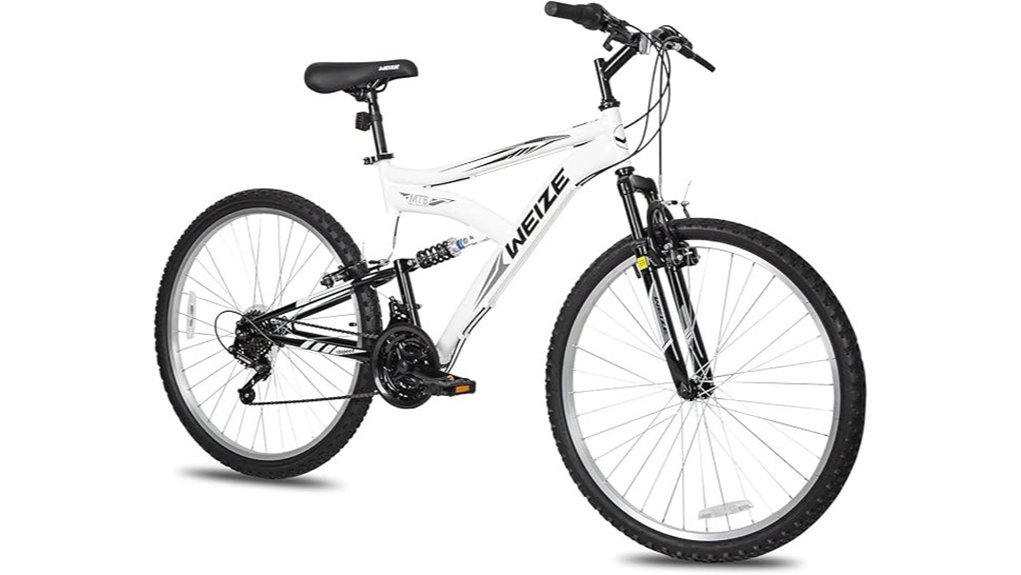
The WEIZE Mountain Bike with Dual Full Suspension is a strong option for beginner riders who want a comfortable, easy-to-control bike on a budget. Its high-carbon steel frame and dual suspension setup, with a front fork and rear coil shock, help absorb rough terrain. Eighteen-speed twist shifters and front and rear derailleurs make gear changes simple, while linear pull brakes supply dependable stopping power. The 26-inch all-terrain tires suit varied surfaces. Designed for riders 13 and up, from 52 to 62 inches tall, it arrives partially assembled and can be ready in about 20 minutes.
Best For: Beginner riders, including teens and adults 13+ who want an affordable, comfortable mountain bike with dual suspension and easy handling.
Pros:
- Dual suspension with a front fork and rear coil shock helps smooth out bumps.
- 18-speed twist shifters and derailleurs make gear changes easy.
- Arrives partially assembled and can be put together in about 20 minutes.
Cons:
- High-carbon steel frame is heavier than aluminum alternatives.
- Linear pull brakes are less advanced than disc brakes.
- Fits a limited rider height range of 52 to 62 inches.
VEVOR Mountain Bike with Dual Disc Brakes
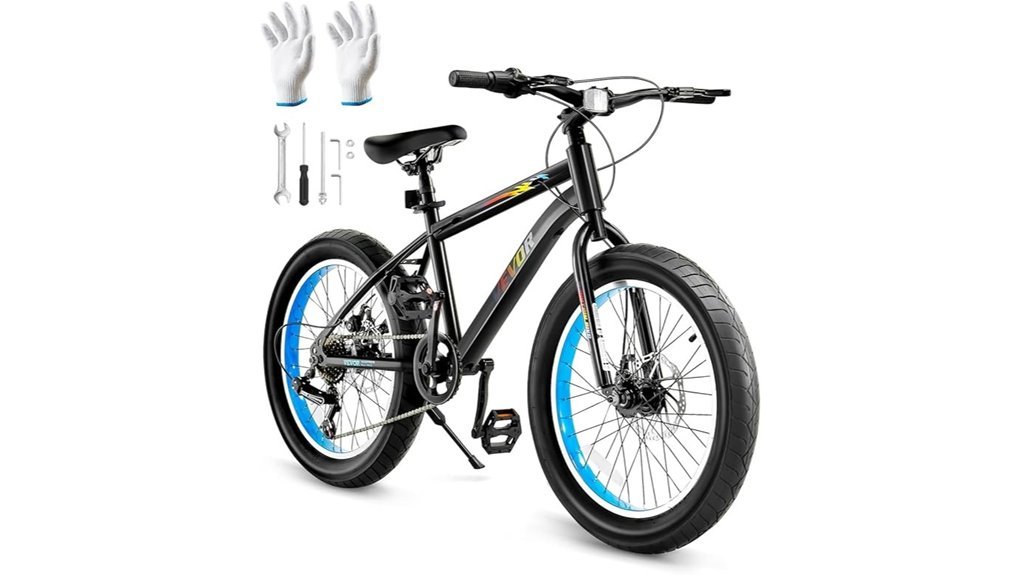
Built for smaller riders, the VEVOR Mountain Bike suits beginners between 48 and 60 inches tall. Its 20-inch carbon steel frame offers durable support for varied riding conditions, while the 7-speed drivetrain with a SHIMANO rear derailleur delivers smooth, accurate shifting on roads and inclines. Wide 20-inch tires improve traction and stability for park trails, countryside paths, and commuting. Front and rear disc brakes add confident, responsive stopping power on descents and rough ground. With 85% of the bike pre-assembled and tools included, setup stays simple, making it an accessible entry-level option for new cyclists.
Best For: Smaller riders and beginners between 48 and 60 inches tall who want an easy-to-ride mountain bike for casual trails, commuting, and light off-road use.
Pros:
- 20-inch carbon steel frame provides durable support for different riding conditions.
- 7-speed drivetrain with SHIMANO rear derailleur offers smooth, precise shifting.
- Front and rear disc brakes deliver responsive stopping power and better control.
Cons:
- Best suited for smaller riders, so it may not fit taller cyclists well.
- As a beginner bike, it may not have the performance features advanced riders want.
- 85% assembly still requires some setup before riding.
Outroad 26 Inch Folding Mountain Bike, 21 Speed
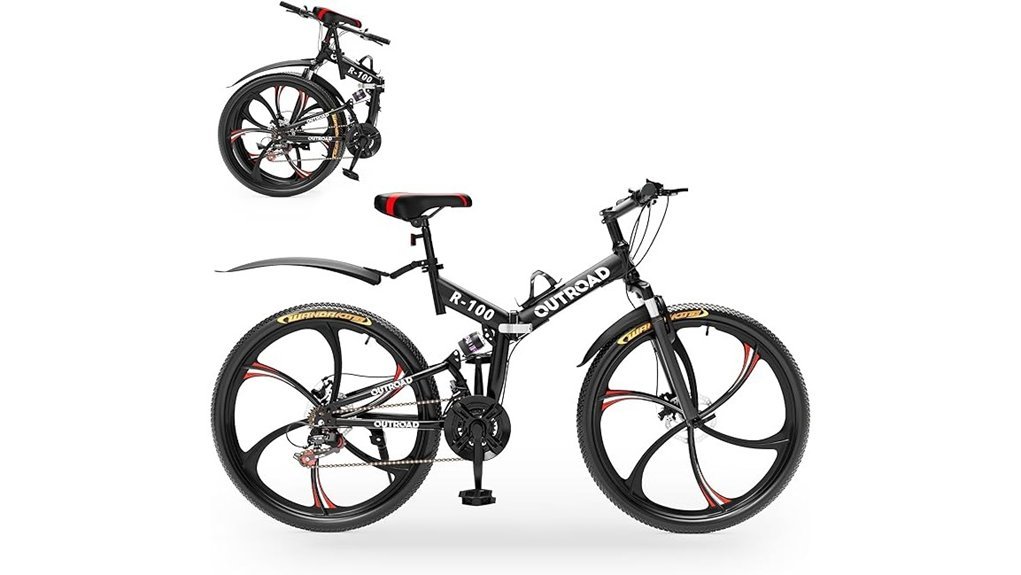
With 21 speeds and dual suspension, the Outroad 26-inch folding mountain bike suits beginners needing control on varied trails. Its high-carbon steel frame and 26-inch wheels provide durability, while the 17-inch frame fits riders roughly 5.3 to 6.0 feet tall. Weighing 39 pounds, it supports riders up to 300 pounds and comes in black, orange, or green. Twist-grip shifting allows quick gear changes, and front and rear disc brakes improve stopping power on descents. Included pedals, seat, kickstand, mudguard, and tool kit simplify setup. Seat height adjusts for fit, though the handlebar height remains fixed.
Best For: Beginners and casual trail riders who want a durable, foldable mountain bike with strong braking, dual suspension, and easy gearing for varied terrain.
Pros:
- 21-speed gearing and twist-grip shifters make it easy to adapt to hills and changing trail conditions.
- Dual suspension and front/rear disc brakes improve comfort, control, and stopping power.
- Includes useful setup extras like pedals, seat, kickstand, mudguard, and tool kit.
Cons:
- At 39 lbs, it may feel heavy for a folding bike.
- Handlebar height is fixed, which limits fit customization.
- Some assembly is required before riding.
26″ 7-Speed Mountain Bike with Front Suspension
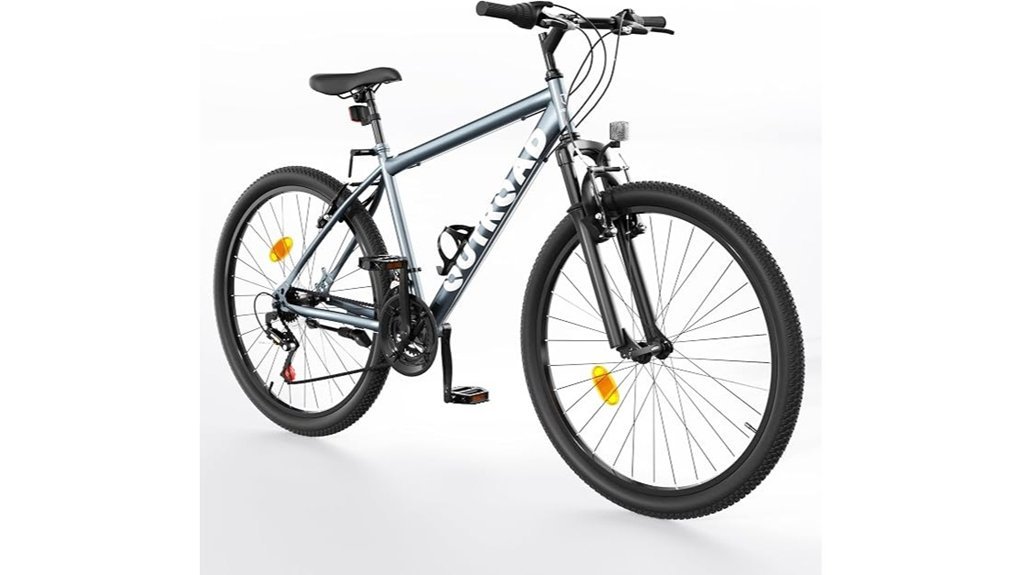
For riders 52 to 62 inches tall, this 26-inch 7-speed mountain bike offers a comfortable fit. Its adjustable quick-release seat and ergonomic handlebars help maintain a natural riding position, while the front suspension fork softens bumps on trail rides. The high-carbon steel frame is aviation-grade and supports up to 330 pounds, yet keeps a lightweight profile. Seven gears provide enough range for beginner terrain changes, and V-brakes deliver dependable stopping power. Upgraded waterproof paint improves durability, and 90% pre-assembly makes setup straightforward. Tools, video guides, and 24/7 support simplify ownership.
Best For: Riders 52 to 62 inches tall who want a beginner-friendly 26-inch mountain bike for trail riding with a comfortable fit, front suspension, and easy assembly.
Pros:
- Adjustable quick-release seat and ergonomic handlebars improve comfort and riding position.
- Front suspension and 7-speed gearing make it suitable for varied trail terrain.
- 90% pre-assembled with tools, video guides, and 24/7 support for easier setup and ownership.
Cons:
- 26-inch wheel size and frame style may not suit taller riders or advanced mountain biking needs.
- V-brakes are dependable, but not as powerful as higher-end braking systems in tougher conditions.
- Best suited for beginner to moderate terrain, so it may have limited performance on more demanding trails.
Betterland 26 Inch Mountain Bike with Front Suspension
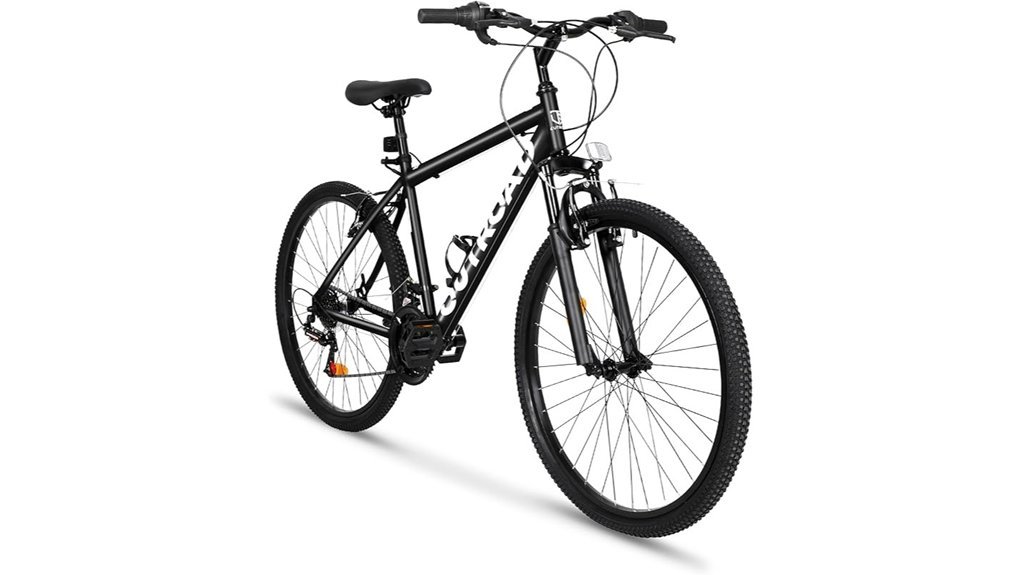
The Betterland 26 Inch Mountain Bike suits beginner riders seeking stability and easy control. Its 26-inch wheels, high-carbon steel frame, and 37-pound build provide a sturdy yet manageable ride. With a 330-pound load capacity and fit for riders 5’2″ to 6′, it accommodates many body types. The front suspension and anti-skid tires help it handle rough paths with better grip and shock absorption. A dual V-type braking system supports responsive stopping, while the adjustable ergonomic seat improves comfort. The 7-speed drivetrain adds versatility. It arrives 85% pre-assembled and includes customer support.
Best For: Beginner riders and casual mountain biking users who want a stable, easy-to-control 26-inch bike with reliable braking and decent all-terrain capability.
Pros:
- 26-inch wheels, front suspension, and anti-skid tires help provide good grip and shock absorption on rough paths.
- 7-speed drivetrain and dual V-type brakes offer versatile riding and responsive stopping.
- 85% pre-assembled with customer support, making setup easier for most buyers.
Cons:
- At 37 pounds, it may feel somewhat heavy for some riders.
- High-carbon steel frame is durable, but not as lightweight as aluminum or carbon options.
- Best suited for beginner and casual use, so it may not satisfy more advanced mountain bikers.
Max4out 26-Inch Dual Suspension Mountain Bike
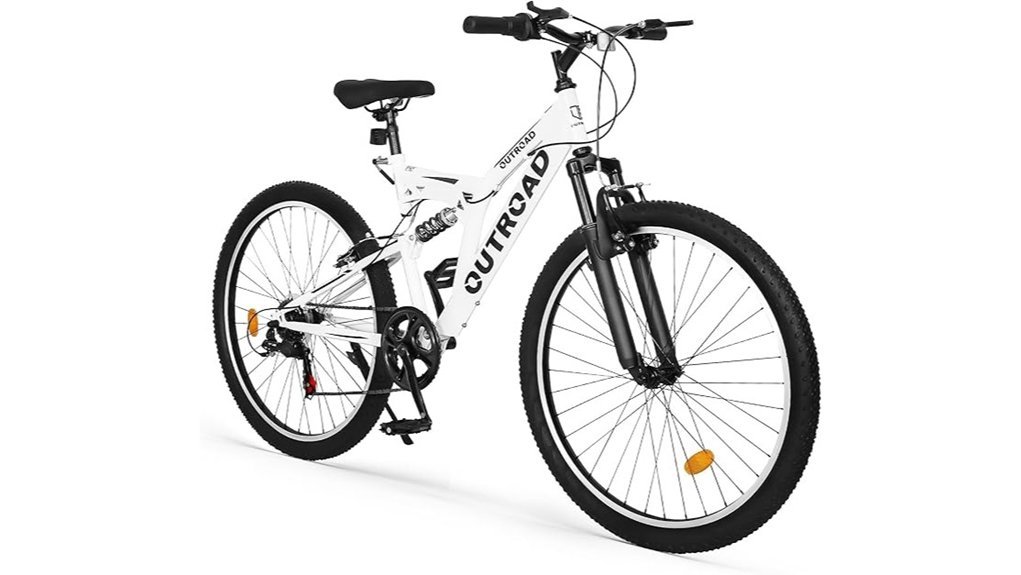
Max4out’s dual suspension makes trail chatter easier on new riders. The 26-inch steel frame pairs a responsive front fork with a rear coil shock, helping smooth out rough paths. A 7-speed drivetrain with twist shifters supports steady climbing and controlled descents, while dual V-brakes add dependable stopping power. All-terrain 26-inch tires improve grip on mixed surfaces. The adjustable frame fits riders from 52 to 62 inches tall. With preassembled parts, included tools, and a video guide, setup takes about 20 minutes, making it a practical beginner choice.
Best For: Beginners and casual riders who want an affordable, easy-to-assemble 26-inch mountain bike for light trail riding and everyday use.
Pros:
- Dual suspension helps smooth out bumps and rough terrain.
- 7-speed drivetrain with twist shifters makes gearing simple and versatile.
- Preassembled parts and included tools/video guide make setup quick.
Cons:
- Steel frame may be heavier than aluminum alternatives.
- V-brakes are reliable but less powerful than disc brakes in wet conditions.
- Best suited for riders 52 to 62 inches tall, limiting fit range.
Factors to Consider When Choosing a Beginner Mountain Bike Under 500
When choosing a beginner mountain bike under $500, frame and suspension quality, gear range, and brake system are key starting points. Rider fit also matters, since comfort and control affect confidence on the trail. Assembly ease can further influence how quickly the bike is ready for first use.
Frame And Suspension
Frame and suspension form the backbone of a beginner mountain bike, especially in the under-$500 range where durability and comfort matter most. A high-carbon steel frame is common in this category because it offers strength and resilience on rough trails, though it usually adds weight. Proper frame size also matters; it should match the rider’s height to support comfort and efficient pedaling. Geometry influences posture and stability, so an ergonomic shape can help new riders feel secure. Suspension further shapes the ride. Dual suspension, with front forks and rear coil shocks, softens impacts from uneven ground, improving control, traction, and handling. For beginners, that extra stability can build confidence on mixed terrain while reducing fatigue during longer rides.
Gear Range
A bike’s gear range plays a major role in how well a beginner handles different trails, especially after choosing a frame and suspension setup that can support comfort and control. A wider range makes it easier to move from steep climbs to quicker descents without constant effort or strain. For most new riders, a bike with at least 7 speeds offers enough flexibility for flat paths, rolling terrain, and hilly routes. Gear ratio also matters: lower ratios help with uphill pedaling, while higher ratios support faster riding on smoother ground. Twist shifters are often a practical choice because they are simple and intuitive. A reliable derailleur system further improves shifting accuracy, helping the rider maintain rhythm, momentum, and confidence on varied trails.
Brake System
Reliable brakes are essential on a beginner mountain bike, because they give the rider the control and safety needed on changing terrain. For most entry-level riders, the main choices are V-brakes and disc brakes. V-brakes are lighter, simpler, and easier to maintain, making them practical for riders who want straightforward service. Disc brakes, however, deliver stronger stopping power and perform better in wet or muddy conditions. Within disc systems, mechanical models are easier to service, while hydraulic versions provide smoother, more powerful braking. Strong braking performance can boost confidence on steep descents and rough trails. It is also wise to reflect on how easy the parts are to replace, since maintainable components help preserve long-term performance and safety.
Rider Fit
Rider fit is one of the most important factors when choosing a beginner mountain bike under $500, because the bike should match the rider’s height, reach, and overall comfort. Frame size should suit the rider’s stature, with many beginner models covering heights from about 48 to 62 inches. A properly adjusted seat helps maintain effective leg extension and improves control on uneven terrain. Weight capacity also matters, since many bikes support between 250 and 330 pounds. Handlebar reach should feel natural, allowing easy access without leaning too far forward or stretching excessively. A bike that fits well promotes steadier handling, better balance, and more confidence on trails. Testing several models can help reveal which frame feels stable, maneuverable, and suited to the rider’s body.
Assembly Ease
Assembly ease can make a big difference for beginner mountain bike buyers on a budget, since many models arrive partially assembled and need about 20 to 90 minutes to finish. A bike that comes 85% or more pre-assembled can reduce frustration and help a new rider get on the trail faster. Clear instructions, installation tools, and video guides also matter, especially for buyers without mechanical experience. Designs with fewer parts and straightforward hardware are usually easier to manage and less prone to setup mistakes. Some brands add customer support for assembly questions, which can be valuable when confusion arises. For entry-level riders, choosing a bike with simple, well-documented assembly can make ownership smoother and more confidence-inspiring from the start.
Frequently Asked Questions
How Much Assembly Do These Budget Mountain Bikes Usually Require?
They usually arrive mostly assembled, but several key parts still need installation. A typical buyer can expect to attach the handlebars, front wheel, pedals, seat, and sometimes the front brake or derailleur. Final adjustments to shifting, brakes, and bolt tightness are often necessary. For someone with basic tools and patience, the process is manageable. However, many budget models benefit from a professional tune-up after assembly for safer, smoother riding.
Which Frame Size Fits a Beginner Rider Best?
For a beginner rider, the best frame size is usually the one that lets the body settle like a key finding its lock: balanced, comfortable, and unforced. A slightly smaller frame often feels more manageable, offering easier control, safer stops, and simpler handling. Proper standover clearance matters, as does reach to the bars. A local bike shop fitting, or the manufacturer’s size chart, gives the clearest starting point for confidence.
Are These Bikes Suitable for Commuting on Pavement?
Yes, these bikes can handle commuting on pavement, though they are not ideal for it. Their wider tires, suspension, and heavier frames make them slower and less efficient than dedicated road or hybrid bikes. For short urban trips, they should work fine if fitted with smoother tires and proper tire pressure. For longer daily rides, a commuter-specific bike would usually offer greater comfort and speed on pavement.
How Often Should Beginner Mountain Bikes Be Serviced?
Beginner mountain bikes should be serviced every 3 to 6 months, depending on use, weather, and terrain. More frequent riding on dirt, mud, or rain may require monthly checks of brakes, tires, drivetrain, and bolts. A basic tune-up before each season is wise, while chains and cables may need attention sooner. Regular cleaning and lubrication help prevent wear and keep performance safe, smooth, and reliable over time.
Can I Upgrade the Tires or Saddle Later?
Yes, both can be upgraded later, and that flexibility often eases concern about buying a budget bike now. Tires are usually the easiest improvement: swapping to lighter, grippier, or more puncture-resistant options can noticeably improve comfort and control. A saddle can also be changed quickly, though fit is personal. It is wise to prioritize frame size and suspension first, since those matter more than accessories for long-term satisfaction.