Cats with liver disease can have very different nutritional needs depending on the diagnosis, appetite, other illnesses, and whether complications such as hepatic encephalopathy are present. For that reason, the best choice is usually a veterinarian-directed feeding plan, not a one-size-fits-all “liver diet.” This guide compares two Hill’s Prescription Diet Multi-Organ Support foods plus three liver-support supplements that may be worth discussing with your veterinarian. Supplements are not complete diets and should not replace prescribed nutrition.
Affiliate disclosure: This article contains Amazon affiliate links. We may earn a commission from qualifying purchases at no extra cost to you.
| Hill’s Prescription Diet Multi-Organ Support Chicken Dry Cat Food 4 lb Bag | 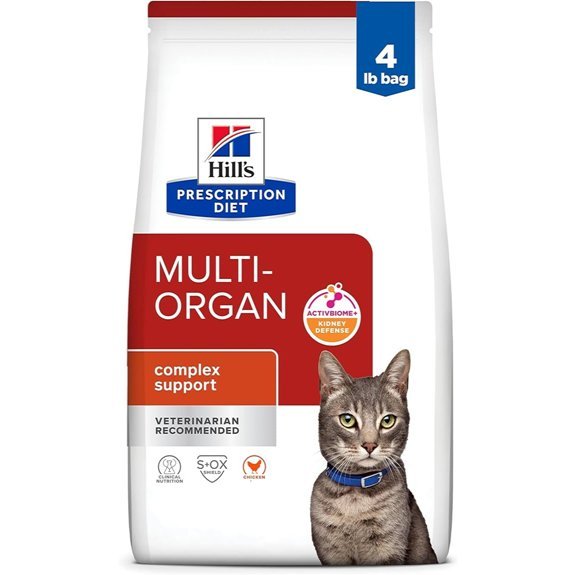 | Best Vet-Directed Dry Option | Form: Dry food | Use Case: Multi-organ support for diabetic cats with multiple health issues | Important: Use with veterinary approval | CHECK PRODUCT DETAILS | Read Our Analysis |
| Hill’s Prescription Diet Multi-Organ Support Cat Food | 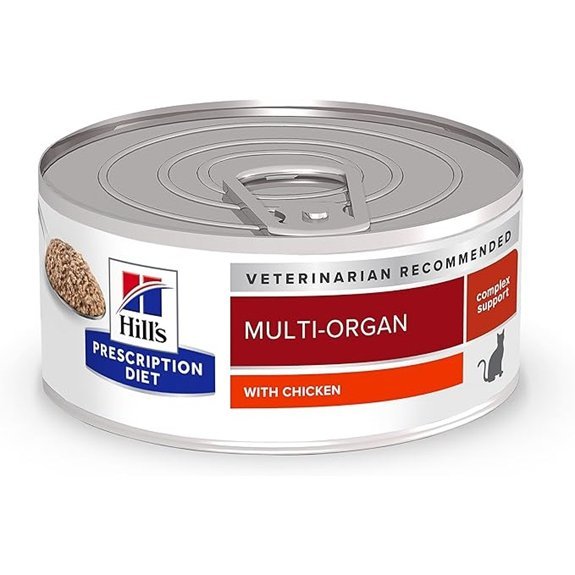 | Best Vet-Directed Wet Option | Form: Wet food | Use Case: Multi-organ support for diabetic cats with multiple health issues | Important: Use with veterinary approval | CHECK PRODUCT DETAILS | Read Our Analysis |
| Standard Process Feline Hepatic Support Supplement (90 Tablets) | 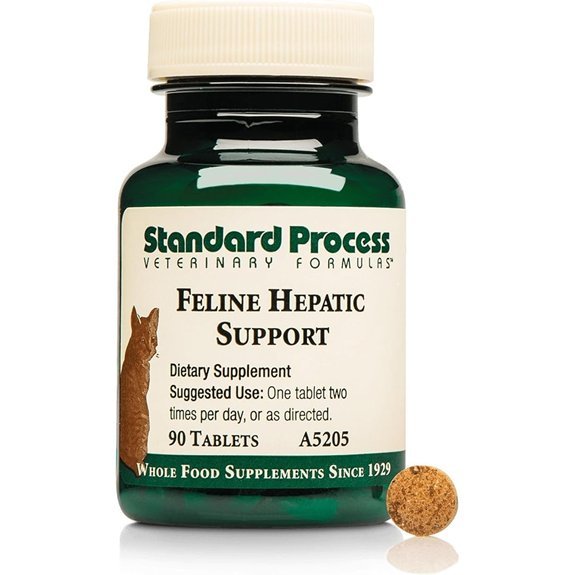 | Established Hepatic Support Formula | Form: Tablet | Purpose: Nutritional liver support | Important: Supplement, not complete cat food | CHECK PRODUCT DETAILS | Read Our Analysis |
| Same and Silybin Liver Supplement for Cats | 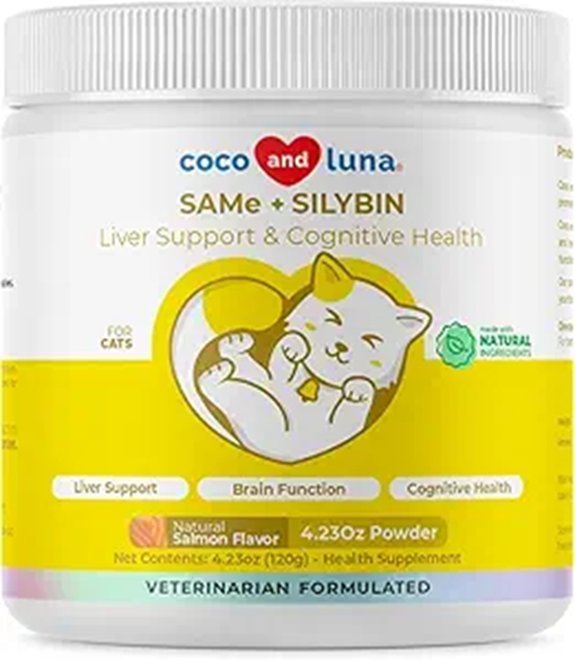 | Powder Supplement Option | Form: Powder | Key Ingredients: SAMe and silybin | Important: Ask your veterinarian before use | CHECK PRODUCT DETAILS | Read Our Analysis |
| Doctor By Cat Liver Guard Supplement for Cats | 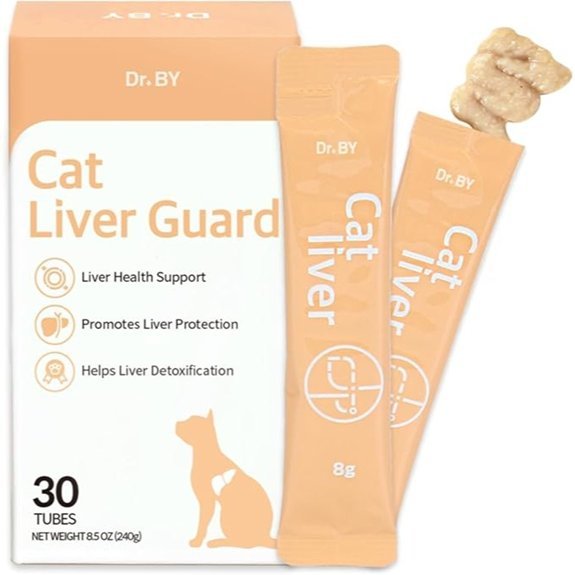 | Easy-to-Serve Supplement | Form: Squeezable supplement | Key Ingredients: Milk thistle, Artemisia annua, taurine | Important: Ask your veterinarian before use | CHECK PRODUCT DETAILS | Read Our Analysis |
More Details on Our Top Picks
Hill’s Prescription Diet Multi-Organ Support Chicken Dry Cat Food 4 lb Bag
Hill’s Prescription Diet Multi-Organ Support Chicken Dry Cat Food is a therapeutic dry diet formulated for diabetic cats with multiple health issues. Its purpose is broader than liver disease alone: the formula is designed to support several vital organs, including the liver. That makes it a potential option when your veterinarian believes a multi-organ prescription diet fits your cat’s overall medical picture. It should not be presented as a universal diet for every cat with liver disease.
Who should consider it: Owners whose veterinarian has specifically recommended Multi-Organ Support and whose cat prefers dry food. Who should avoid choosing it independently: Anyone trying to self-treat an undiagnosed liver problem or replace a different prescribed diet without veterinary approval.
- Form:Dry food
- Primary Use:Therapeutic multi-organ nutrition
- Target Audience:Diabetic cats with multiple health issues
- Liver Relevance:Supports the liver as one of several vital organs
- Feeding:Use according to your veterinarian’s plan
- Buyer Note:Prescription-style therapeutic diet
- Best For:Cats that accept dry food well
- Limitation:Not a one-size-fits-all liver diet
Hill’s Prescription Diet Multi-Organ Support Cat Food
This wet version of Hill’s Prescription Diet Multi-Organ Support is also intended for diabetic cats with multiple health issues and is designed to support several organs, including the liver. The wet format may be easier to serve to cats that strongly prefer canned food, but suitability still depends on the specific liver diagnosis and any concurrent disease. Use it only when your veterinarian considers the nutrient profile appropriate for your cat.
Who should consider it: Cats prescribed Multi-Organ Support that prefer wet food. Main limitation: “Supports the liver” does not mean it is the correct therapeutic diet for every form of feline liver disease.
- Form:Wet food
- Primary Use:Therapeutic multi-organ nutrition
- Target Audience:Diabetic cats with multiple health issues
- Liver Relevance:Supports the liver as one of several vital organs
- Feeding:Use according to your veterinarian’s plan
- Buyer Note:Wet-food format
- Best For:Cats that prefer canned food
- Limitation:Not a general-purpose liver prescription
Standard Process Feline Hepatic Support Supplement (90 Tablets)
Standard Process Feline Hepatic Support is a cat supplement formulated to provide nutritional support for liver metabolism, hepatic circulation, and bile production and flow. It is a supplement rather than a complete food, so it belongs alongside a veterinarian-approved diet rather than in place of one. The tablet format can be useful for owners who are comfortable administering tablets or mixing a crushed tablet with food when appropriate.
Who should consider it: Owners looking for a dedicated feline hepatic-support supplement after discussing it with their veterinarian. Main limitation: A supplement cannot correct an inappropriate diet or replace diagnosis-specific treatment.
- Form:Tablet
- Purpose:Nutritional hepatic support
- Administration:Tablet format
- Diet Status:Supplement, not complete food
- Best For:Owners who prefer a dedicated feline formula
- Buyer Note:Review ingredients with your veterinarian
- Limitation:Not a treatment substitute
Same and Silybin Liver Supplement for Cats
This SAMe and silybin powder is marketed as a feline liver-support supplement and is designed to be mixed with food. The powder format may appeal to owners whose cats resist tablets. Because cats with liver disease may already be taking medications or eating a carefully controlled therapeutic diet, check the ingredient list and serving directions with your veterinarian before adding it.
Who should consider it: Owners who want a powder format and have veterinary approval for SAMe/silybin supplementation. Main limitation: It is supplemental nutrition, not a complete diet and not a substitute for medical care.
- Form:Powder
- Key Ingredients:SAMe and silybin
- Administration:Designed to mix with food
- Diet Status:Supplement, not complete food
- Best For:Cats that resist tablets
- Buyer Note:Confirm compatibility with current treatment
- Limitation:Do not use as a diet replacement
Doctor By Cat Liver Guard Supplement for Cats
Doctor By Cat Liver Guard is a squeezable feline supplement containing ingredients such as milk thistle extract, Artemisia annua extract, and taurine. Its biggest practical advantage is the lickable format, which may be easier for some cats than tablets or powders. Manufacturer liver-support claims should be treated as supportive positioning, not proof that the product can treat a diagnosed liver disorder.
Who should consider it: Owners whose veterinarian approves the ingredients and who need an easier serving format. Main limitation: It is a supplemental product and should not replace a complete diet, prescribed medication, or veterinary monitoring.
- Form:Squeezable supplement
- Key Ingredients:Milk thistle, Artemisia annua, taurine
- Administration:Lickable or food-topper format
- Diet Status:Supplement, not complete food
- Best For:Cats that are difficult to pill
- Buyer Note:Review ingredients with your veterinarian
- Limitation:Supportive product, not disease treatment
Factors to Consider When Choosing Food for a Cat With Liver Disease
The phrase “liver disease” covers multiple conditions, so the right diet can differ substantially from one cat to another. Focus on the diagnosis, the veterinarian’s nutritional goals, whether your cat is actually eating enough, and any other medical conditions that affect the diet choice.
Start With the Diagnosis, Not a Generic Liver-Food Label
A cat with hepatic lipidosis, cholangitis, diabetes, copper-associated disease, or hepatic encephalopathy may need different nutritional priorities. Ask your veterinarian what the diet is intended to accomplish and which nutrient restrictions, if any, are appropriate. This is especially important before switching to a prescription food designed for multiple conditions.
Prioritize Adequate Calorie Intake and Palatability
For many cats with liver disease, eating enough is a major part of nutritional management. A food can have an impressive ingredient list and still be a poor practical choice if the cat refuses it. Discuss poor appetite promptly with your veterinarian rather than repeatedly changing foods or waiting for the cat to “get hungry enough.”
Do Not Restrict Protein Automatically
Cats have substantial protein requirements, and protein restriction is not automatically appropriate for liver disease. It may be considered in specific situations such as clinically significant hepatic encephalopathy, but that decision belongs with the veterinarian managing the case. Avoid choosing a low-protein food simply because the liver is involved.
Treat Fat, Copper, and Other Nutrients as Diagnosis-Specific
General rules such as “always feed low fat” or “always feed low copper” can be misleading. The appropriate fat level, copper level, fiber, carbohydrate profile, electrolytes, vitamins, and other nutrients depend on the disease and concurrent conditions. Follow the nutrient targets your veterinarian gives you instead of applying a universal restriction.
Choose Wet or Dry Based on the Medical Plan and What Your Cat Will Eat
Wet food can add moisture and may be more appealing to some cats, while dry food may be easier for other cats to eat consistently. Neither format is automatically best for every liver patient. If both formats fit the prescribed plan, palatability, hydration needs, feeding method, and your cat’s preferences can help guide the choice.
Remember That Liver Supplements Are Not Complete Diets
Products containing SAMe, silybin, milk thistle, or other liver-support ingredients are supplements. They do not provide the complete nutrition a cat needs and should not displace a balanced or therapeutic diet. Because supplements can overlap with medications or other products, review them with your veterinarian before use.
Take Appetite Loss and Rapid Weight Loss Seriously
Cats can develop serious complications when they stop eating, and cats with existing liver disease deserve prompt attention if appetite drops. Contact your veterinarian if your cat refuses food, eats much less than normal, vomits repeatedly, becomes markedly lethargic, or develops yellowing of the eyes, gums, or skin.
Transition and Monitor According to Your Veterinarian’s Plan
For a stable cat, a gradual food transition can reduce digestive upset. A sick or poorly eating cat may need a different approach, so do not let a routine transition schedule delay needed calories or medical care. Track appetite, body weight, stool quality, vomiting, and any changes your veterinarian asks you to monitor.
Frequently Asked Questions
Can I Mix Different Brands of Liver-Support Cat Food?
Only with veterinary approval. Mixing a therapeutic diet with another food can change the nutrient profile your veterinarian is trying to achieve. If palatability is a problem, ask which foods or toppers are compatible with the treatment plan.
How Do I Transition My Cat to a New Diet?
If your cat is stable and eating normally, your veterinarian may recommend a gradual transition. If your cat has poor appetite or is already eating too little, contact the clinic for specific instructions rather than delaying food intake with a standard transition schedule.
Can I Make Homemade Food for a Cat With Liver Disease?
A generic homemade recipe is not a safe substitute for a properly formulated therapeutic diet. Cats have specific nutrient requirements, and liver disease can add additional constraints. If you want to feed home-cooked food, ask your veterinarian for a recipe formulated for your cat by a qualified veterinary nutrition professional.
What Signs Can Indicate My Cat’s Condition Is Worsening?
Reduced appetite, repeated vomiting, increasing lethargy, weight loss, yellowing of the eyes or gums, abdominal swelling, or unusual neurologic behavior warrant veterinary attention. If your cat with liver disease stops eating, seek veterinary advice promptly.
Can Cats With Liver Disease Eat Treats?
Sometimes, but the type and amount should fit the prescribed diet. Avoid assuming that “low-fat” or “low-protein” treats are automatically appropriate. Ask your veterinarian which treats, if any, can be used without undermining the nutritional plan.
Are Liver Supplements a Replacement for Prescription Food?
No. A liver supplement is not a complete diet and does not replace diagnosis-specific nutrition, medication, or veterinary monitoring. Use supplements only as an addition to the treatment plan when your veterinarian approves them.
Should All Cats With Liver Disease Eat Low-Protein Food?
No. Protein restriction is not routinely appropriate for every feline liver condition and may be counterproductive in some cats. Your veterinarian may adjust protein only when the specific diagnosis and clinical signs justify it.
Conclusion
The safest way to choose food for a cat with liver disease is to match the diet to the diagnosis rather than rely on broad marketing terms. Hill’s Prescription Diet Multi-Organ Support may be appropriate when a veterinarian wants a multi-organ therapeutic diet for a cat with concurrent health issues, while the three liver-support supplements in this guide are separate add-ons that require veterinary approval. Prioritize a complete diet your cat will reliably eat, follow the nutrient targets set for the specific condition, and contact your veterinarian quickly if appetite or symptoms worsen.