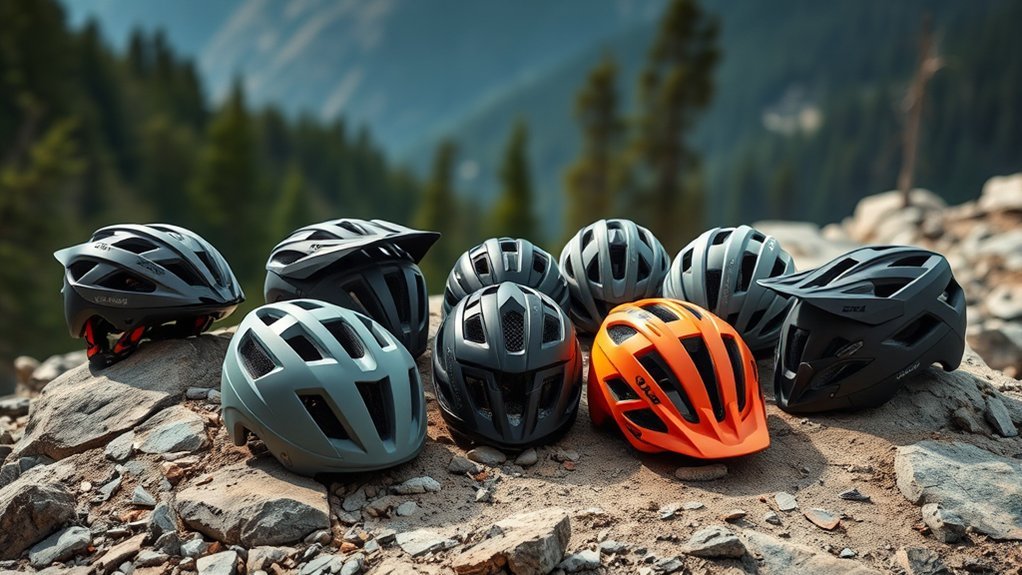
Climbing enduro mountain bikes for [2026] are being shaped by a mix of traction, control, and rider efficiency. From aggressive Vittoria tires to reliable SHIMANO SPD pedals and supportive Ergon saddles, the latest setups aim to handle steep ascents without sacrificing confidence on the descent. Garmin’s rugged GPS tools also add another layer of precision. The real question is which combination offers the best balance when the trail turns unforgiving.
Key Takeaways
- Prioritize enduro bikes with efficient climbing geometry, balanced weight distribution, and adjustable suspension for technical ascents.
- Look for grippy, fast-rolling tires like the Vittoria Mazza for traction on loose, mixed, and steep terrain.
- Choose secure clip-in pedals such as Shimano PD-M8120 for better power transfer and control on climbs.
- Comfort matters on long ascents, so select supportive saddles like the Ergon SM Enduro Comp with proper fit options.
- Use rugged GPS navigation like Garmin Edge MTB to stay connected to climb-descent trail networks and plan smarter routes.
Vittoria Mazza Race MTB Tire for Mixed/Soft Terrain
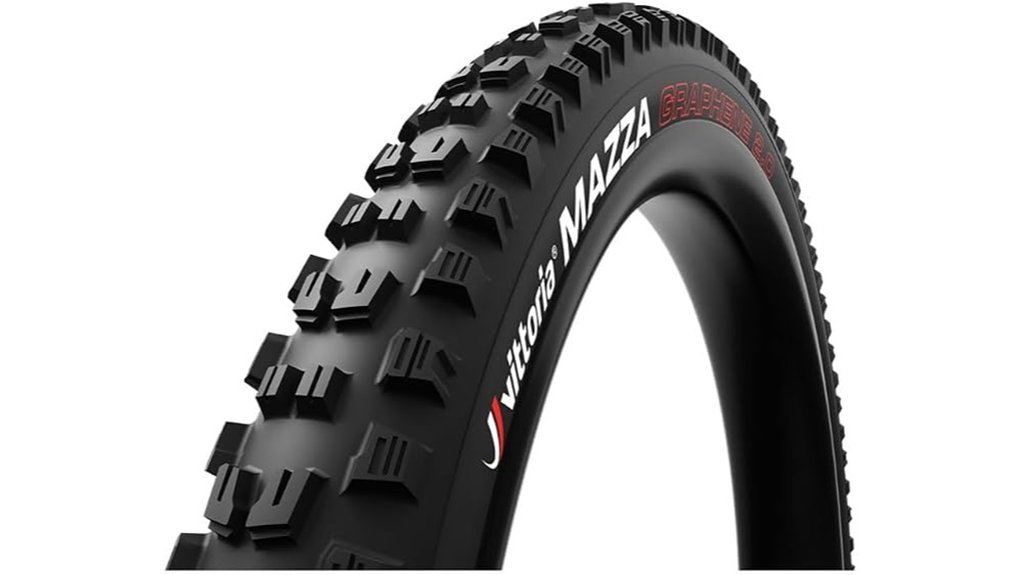
For riders tackling mixed to soft terrain, the Vittoria Mazza Race Mountain Bike Tire stands out as a strong choice, especially when enduro racing demands dependable grip and control. This tubeless 29×2.6 TLR tire uses a Graphene and Silica racing compound to increase traction, while its directional tread supports precise handling. The 60 TPI reinforced nylon casing adds durability, including a puncture-resistant center layer. A softer compound improves flexibility and tread deformation, helping absorption on rough sections. Vittoria’s limited-warranty model 11A00430 suits mountain bikers seeking consistent performance.
Best For: Riders who need a tubeless 29×2.6 enduro MTB tire for mixed to soft terrain, with strong grip, control, and puncture resistance.
Pros:
- Graphene and silica racing compound delivers excellent traction and cornering grip.
- 60 TPI reinforced nylon casing with a puncture-resistant center layer adds durability.
- Softer tread compound improves flexibility, damping, and performance on rough sections.
Cons:
- Best suited to mixed and soft terrain, so it may not be ideal for hardpack-only riding.
- Enduro-focused design may feel more aggressive than casual trail riders need.
- The 2.6-inch width can add rolling resistance compared with narrower tires.
SHIMANO PD-M8120 Trail and Enduro SPD Pedal
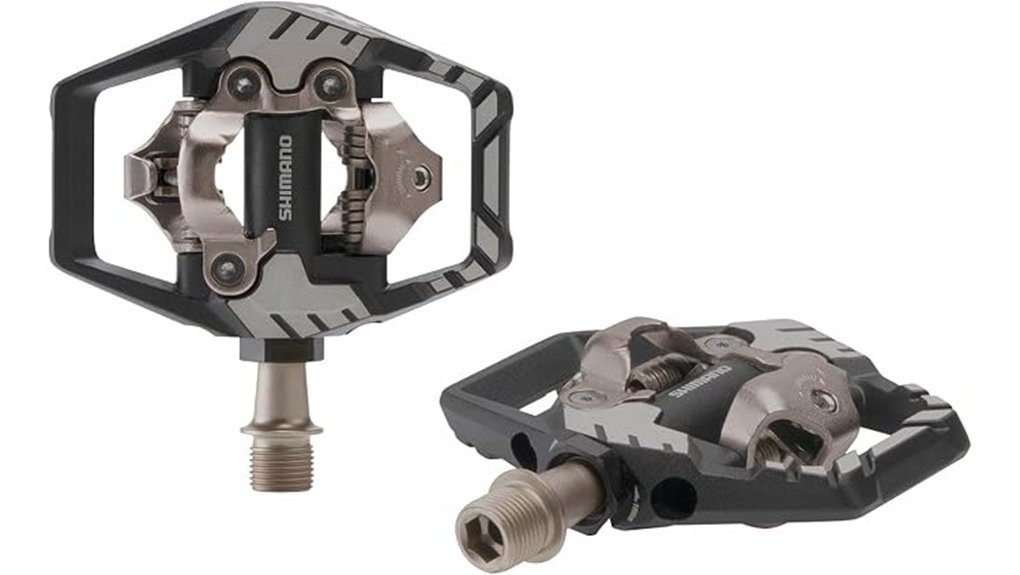
The SHIMANO PD-M8120 suits riders who want secure clip-in control on technical climbs and descents. This Trail and Enduro SPD pedal uses a wide contact area to improve stability and power transfer, while its lower platform height supports efficient pedaling. Retention claws and adjustable tension settings allow smooth engagement and release, giving riders predictable connection on demanding terrain. An integrated cage adds stability when unclipped and helps shield the pedal from impacts. Built with a chrome-moly spindle and chromium-molybdenum steel construction, it is designed for durable use on mountain bikes.
Best For: Mountain bikers tackling technical trails, climbs, and descents who want secure SPD clip-in control, stable pedaling, and durable enduro-ready performance.
Pros:
- Wide contact area improves stability and power transfer.
- Lower platform height supports efficient pedaling.
- Integrated cage adds unclipped stability and impact protection.
Cons:
- SPD clip-in design may not suit riders who prefer flat pedals.
- Adjustable retention can require setup to find the right release tension.
- Best suited to mountain biking, so it’s less versatile for casual or road riding.
Garmin Edge MTB Rugged GPS Bike Computer
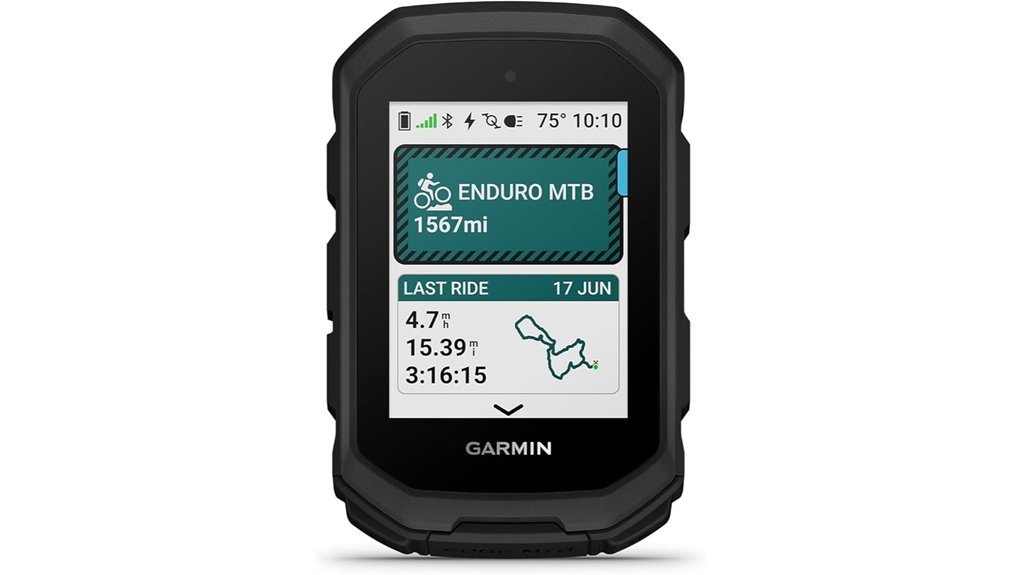
Garmin Edge MTB suits riders who need rugged trail navigation and ride data. This compact GPS computer uses a 7-button layout and ride profiles for enduro and downhill. Its sunlight-readable color display and Corning Gorilla Glass help it endure mud, grit, and impacts. Multi-band GPS with 5 Hz recording improves tracking accuracy, while Trailforks maps and Forksight reveal route details and upcoming forks. Riders can monitor Grit, Flow, jump speed, and hang time, set timing gates, and use safety alerts, incident detection, and ride messaging for connected group days.
Best For: Mountain bikers who want a compact, rugged GPS bike computer with advanced trail navigation, performance tracking, and safety features for enduro and downhill riding.
Pros:
- Rugged, compact design with a sunlight-readable color display and Gorilla Glass for tough trail conditions.
- Accurate ride tracking with multi-band GPS, 5 Hz recording, Trailforks maps, and Forksight trail previews.
- Strong MTB-specific features, including Grit, Flow, jump metrics, timing gates, and connected ride safety tools.
Cons:
- Battery life may be limiting for very long all-day rides in demanding use.
- Some training and safety features require a compatible smartphone and extra accessories like a heart rate monitor or power meter.
- Best suited to mountain biking, so it may be overkill for riders who mainly want a simple general-purpose bike computer.
Vittoria Mazza Trail Tubeless Ready Mountain Bike Tire
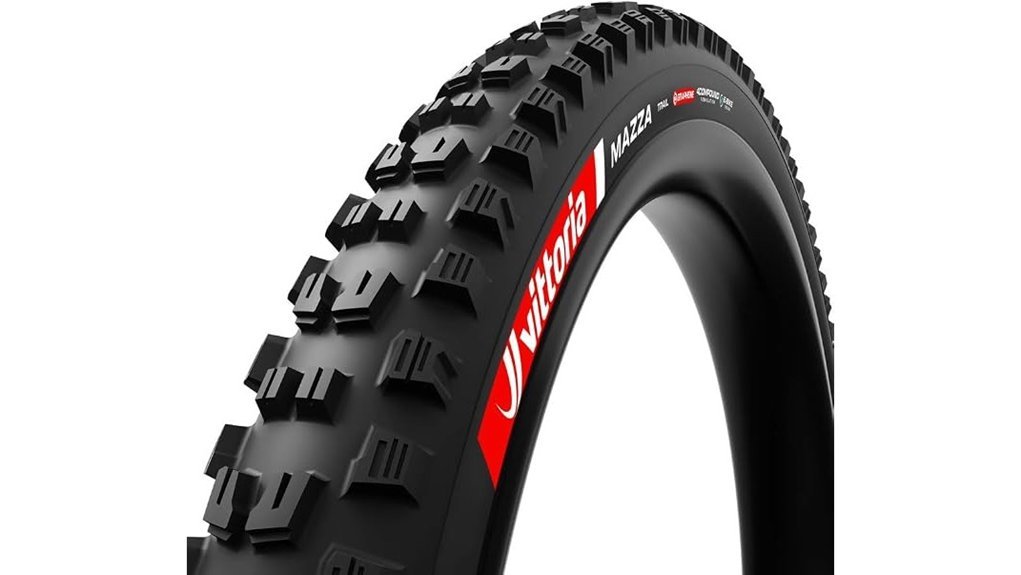
Built for technical climbers, the Vittoria Mazza Trail rewards riders who want grip without sacrificing speed. Vittoria’s 27.5×2.4 tubeless-ready design uses a 60 TPI nylon casing, reinforced sidewalls, and an anti-puncture belt for added protection on rough terrain. The 4C Graphene compound supports durability and consistent performance. Aggressive tread, progressive siping, and ramped leading edges improve cornering, braking, climbing traction, and rolling efficiency. Wide knob spacing helps shed mud and soil. In steep, loose conditions, it offers confident control and enduro-inspired efficiency.
Best For: Riders tackling technical trail and steep, loose terrain who want a tubeless-ready tire with strong grip, dependable protection, and efficient rolling.
Pros:
- Aggressive tread and progressive siping deliver excellent cornering, braking traction, and off-camber control.
- 60 TPI nylon casing with reinforced sidewalls and an anti-puncture belt adds durability and puncture protection.
- Wide knob spacing and ramped leading edges help with mud shedding, climbing traction, and rolling efficiency.
Cons:
- The aggressive tread may feel slower than a more XC-focused tire on smoother trails.
- Best performance is geared toward technical terrain, so it may be overbuilt for casual riding.
- Tubeless setup can require more initial effort than a standard clincher tire.
Vittoria Agarro Mountain Bike Tire 27.5×2.6 Tubeless Ready
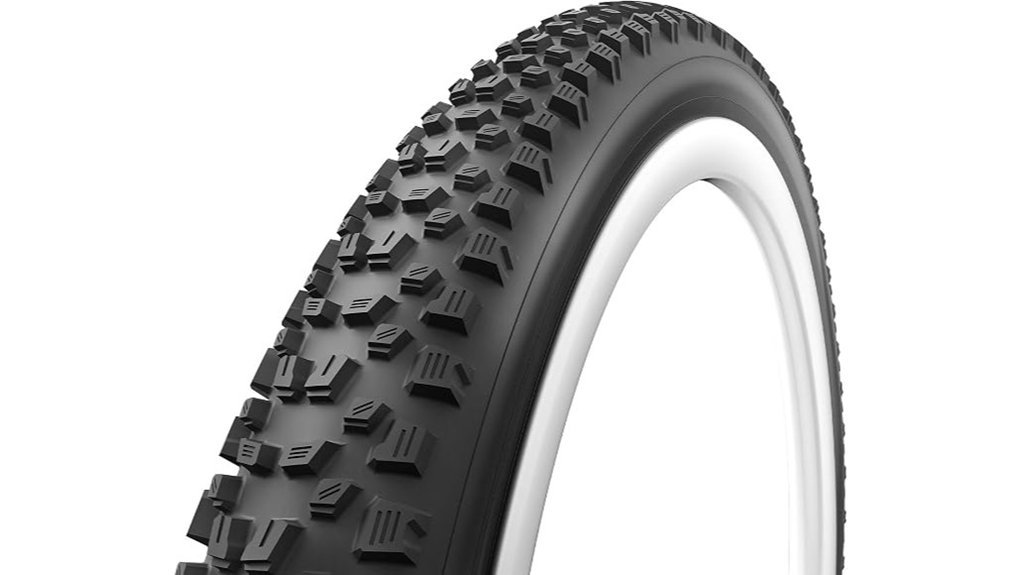
For riders chasing grip on mixed terrain, the Vittoria Agarro 27.5×2.6 Tubeless Ready stands out. The Trail TNT 4C G2.0 casing blends enduro durability with XC efficiency, making it suited to climbing-focused trail and enduro use. A progressive sipe-width pattern improves cornering and climbing traction, while the V-pattern layout adds steady handling. Drawing on Martello, Barzo, and Gato design traits, it combines proven technologies from both enduro and XC categories. Official tire of USA Cycling, it has also appeared in major victories across grand tours, classics, and world championships.
Best For: Riders who want a tubeless-ready 27.5×2.6 mountain bike tire that balances grip, climbing traction, and efficiency for mixed-terrain trail and enduro riding.
Pros:
- Strong mixed-terrain performance with a blend of enduro durability and XC efficiency
- Progressive sipe-width pattern improves cornering and climbing grip
- V-pattern design and proven Vittoria tech provide stable, confident handling
Cons:
- Best suited to riders prioritizing trail/enduro performance rather than pure XC speed
- 27.5×2.6 sizing may not fit all bikes or rider preferences
- Mixed-terrain focus may not be ideal for highly specialized conditions like mud-only or hardpack-only riding
Ergon Bicycle Saddle, SM Enduro Comp – Mens,
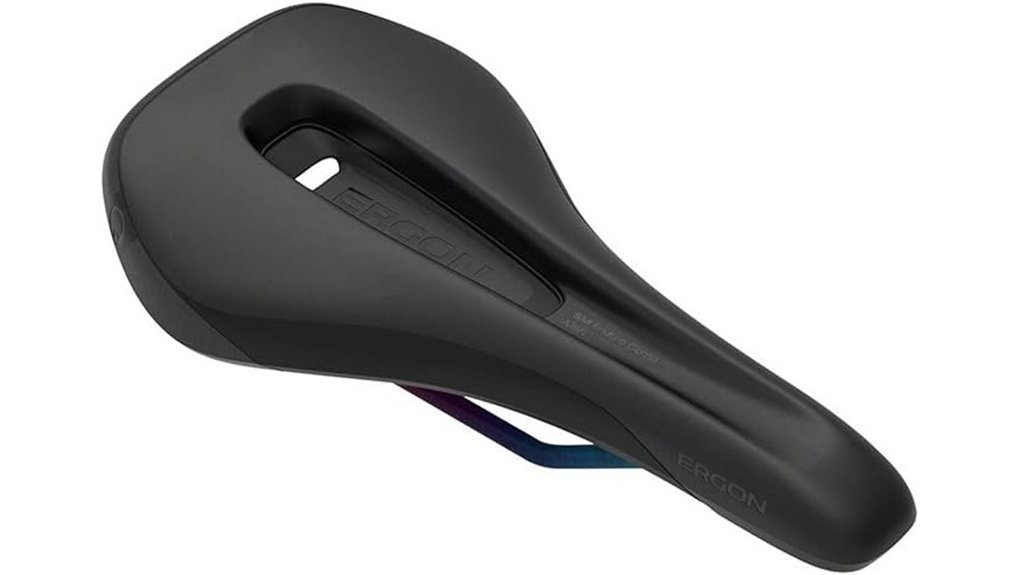
The Ergon SM Enduro Comp suits riders who value all-day comfort on technical climbs. This men’s saddle uses Orthopedic Comfort Foam and memory foam padding under a MicroFiber cover, aiming to reduce pressure during long efforts. CroMo 7×10 rails add durability without excessive weight, while the 12-ounce build remains manageable for enduro setups. It comes in S/M and M/L fit options for different sit-bone widths, and the oil slick finish gives each saddle a unique look. Rated to 265 pounds and backed by a two-year warranty, it blends support, durability, and practical trail-focused design.
Best For: Enduro and trail riders who want a comfortable, durable men’s saddle for long climbs and all-day technical riding.
Pros:
- Orthopedic Comfort Foam and memory foam padding help reduce pressure on long rides.
- CroMo 7×10 rails and a 12-ounce weight offer a good balance of durability and manageable weight.
- Multiple fit options and a unique oil slick finish make it versatile and distinctive.
Cons:
- The specific fit may require choosing carefully between S/M and M/L sit-bone width options.
- It is designed for a men’s enduro setup, so it may not suit all riding styles.
- The unique oil slick pattern means appearance will vary from saddle to saddle.
WTB Peacekeeper 29″ Tubeless Mountain Bike Tire
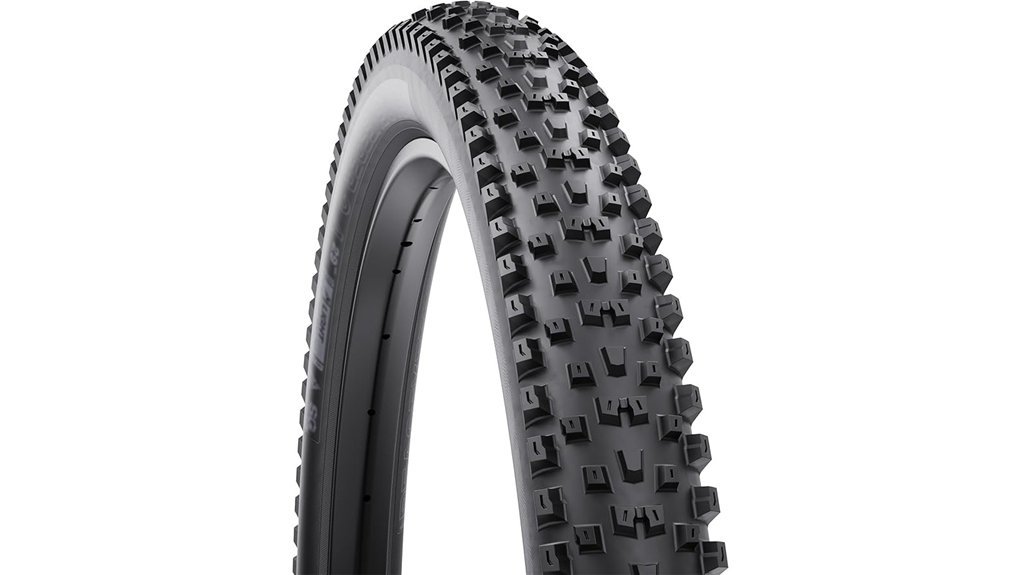
WTB’s Peacekeeper 29 x 2.4 tire suits riders seeking speed without sacrificing trail grip. The tubeless folding design targets trail and enduro use, pairing a fast center tread with aggressive side knobs for efficient climbing and confident cornering. It handles dry, damp, and loose-over-hard terrain with balanced momentum and traction. Offered in fast-rolling 1024g and high-grip 998g versions, it stays relatively light. SG2 sidewall protection and a 60tpi casing improve durability. TCS tubeless readiness supports lower pressures, better traction, fewer flats, and a smoother ride front or rear.
Best For: Riders who want a fast-rolling, tubeless 29″ trail/enduro tire that still delivers reliable grip, cornering control, and solid puncture protection across varied terrain.
Pros:
- Fast center tread helps maintain speed and climb efficiently.
- Aggressive side knobs improve cornering confidence and trail control.
- SG2 sidewall protection and TCS tubeless readiness boost durability and reduce flats.
Cons:
- Not the lightest option for riders prioritizing pure XC weight savings.
- May be less ideal for very muddy or extremely loose conditions than more specialized tires.
- 2.4″ width may feel too wide or slow for riders wanting a narrower, more race-focused setup.
Factors to Consider When Choosing a Climbing Enduro Mountain Bike
Selecting a climbing enduro mountain bike begins with terrain traction and climbing efficiency, since both determine how well the bike maintains grip and forward motion on steep ground. Tire compound and pedal stability also matter, as they influence control, comfort, and energy transfer during long ascents. Suspension damping can then refine the ride by keeping the rear wheel settled and helping the bike stay composed on technical climbs.
Terrain Traction
Terrain traction becomes a decisive factor on climbing enduro bikes, especially on mixed and soft surfaces where grip can vanish quickly. Tires with specialized compounds, including graphene and silica blends, can improve grip across climbs and descents. Softer compounds also deform more readily, increasing tread contact on uneven ground and helping the tire stay planted. Aggressive tread patterns with wide spacing between knobs clear mud and loose soil efficiently, which preserves bite in wet or broken terrain. Directional tread layouts add cornering security, useful when a climb turns steep or a descent becomes technical. Tubeless-ready setups allow lower pressures, boosting traction while reducing pinch-flat risk on rocky trails. Together, these tire characteristics create a more reliable connection to the trail.
Climbing Efficiency
Climbing efficiency on an enduro mountain bike depends on how well the bike converts effort into forward motion on steep, variable terrain. A lighter frame and tubeless-ready setup reduce mass, helping the bike carry momentum with less energy. Pedal platform height also matters, since a lower position can improve power transfer and make each stroke more effective on sustained grades. Tire choice influences climbing behavior as well; mixed-terrain designs with supportive side knobs and optimized siping can improve grip and stability on loose or technical ascents. Saddle fit contributes to efficiency by supporting a stable, comfortable position that lets the rider maintain power output longer. Together, these details shape how smoothly an enduro bike climbs when conditions demand sustained effort and control.
Tire Compound
Tire compound plays a major role in how a climbing enduro mountain bike grips and responds on steep, changing trails. Softer compounds usually deliver stronger traction on mixed and loose surfaces, helping the bike hold lines on climbs and stay composed on descents. More advanced blends, including Graphene and Silica, can increase flexibility and tread deformation, improving contact with the ground. The tradeoff is durability: compounds that maximize grip often wear faster, so selection should reflect terrain and riding frequency. Tubeless-ready tires commonly pair with specialized compounds that support lower pressures and reduce pinch-flat risk. Because compound also shapes tread behavior, it influences cornering stability and braking performance on technical routes where precise control matters most.
Pedal Stability
Pedal stability is a key factor in climbing enduro mountain bike performance, helping riders keep control on technical ascents and descents while transferring power efficiently. A wide pedal-to-shoe contact area improves grip and steadiness on uneven ground, helping reduce foot slip when cadence changes under load. Lower platform height can also support smoother pedaling efficiency, giving the rider more responsive control on steep inclines. Clipping systems with adjustable tension let the rider fine-tune engagement and release for confident shifts between clipped and unclipped moments. Integrated cage designs add another layer of support, especially when the foot is not fully secured. Together, these features help maintain balance, conserve energy, and improve traction during demanding climbing sections and unpredictable enduro terrain.
Suspension Damping
Suspension damping plays a major role in how a climbing enduro mountain bike feels on the trail, shaping both stability and comfort as the suspension compresses and rebounds. It regulates how quickly the fork and shock move, influencing performance on both climbs and descents. Compression and rebound damping let riders match suspension response to terrain and riding style, improving efficiency on rough grades. Proper tuning also helps prevent bottoming out, which preserves composure on repeated hits and reduces wear. Adjustable damping settings can increase traction in technical sections by keeping tires engaged with the ground. When well set, damping softens impacts, lowers fatigue over long climbs, and supports a smoother, more controlled ride through rugged enduro terrain.
Bike Control
Bike control is a key factor when choosing a climbing enduro mountain bike, especially for steep and technical terrain. A wide pedal-to-shoe contact area helps create a stable interface, improving power transfer and confidence on sustained climbs. Pedals with a lower platform height can further support efficient pedaling and smoother handling on rough ascents. Tire design also plays a major role; aggressive tread patterns increase grip and cornering control, helping preserve traction on loose or uneven surfaces. A softer rubber compound can add flexibility and tread deformation, which improves grip on mixed or soft ground. Integrated stability features in both pedals and tires can also enhance control when unclipped, giving the rider more precise maneuverability through technical climbing sections.
Weight Balance
Weight balance plays a major role in climbing enduro mountain bikes, shaping handling, stability, and ride quality on steep terrain. When mass is distributed well, the rear wheel maintains stronger traction, improving power transfer and giving the rider more control on steep climbs. A lower center of gravity can further sharpen maneuverability, helping the bike respond quickly when traversing technical sections or shifting line choice. Component placement also matters, since saddle and pedal positioning can alter overall balance and influence climbing efficiency. Proper weight balance supports comfort as well, reducing strain during long ascents. By keeping the bike composed and easier to manage, it helps riders conserve energy, maintain endurance, and sustain performance throughout demanding uphill efforts.
Trail Connectivity
Trail connectivity can shape how effectively a climbing enduro mountain bike performs across a full ride, especially when routes link climbs, descents, and technical sections without unnecessary interruptions. Strong connectivity lets riders move smoothly between trails, reducing detours and backtracking that waste energy on long ascents. It also broadens access to varied terrain, which supports different skill levels and riding styles in one network. Clear signage and mapping tools become especially valuable in these systems, helping riders navigate confidently and stay safe when terrain changes quickly. Beyond individual performance, well-connected trail networks often attract more riders, strengthen community participation, and support local cycling economies. For enduro-focused climbing bikes, these advantages make route design as important as suspension or geometry.
Frequently Asked Questions
What Suspension Travel Best Balances Climbing Efficiency and Downhill Control?
Like a well-tuned hinge, 150 to 160 mm of rear suspension travel often best balances climbing efficiency and downhill control for enduro use. It keeps pedal bob manageable on steep ascents while preserving enough support and forgiveness for rough descents. Shorter travel can feel faster uphill, but it surrenders confidence downhill. Longer travel boosts stability, yet usually adds weight and softness that can dull climbing performance.
How Much Does Frame Geometry Affect Long Ascent Comfort?
Frame geometry strongly affects long ascent comfort. A steeper seat tube places the rider more directly over the pedals, reducing fatigue and improving power delivery. A longer reach and moderate stack can preserve a stable, open posture, while too slack a head angle or low front end may strain the back and shoulders. Short chainstays help maneuvering, but excessive compactness can feel cramped on sustained climbs.
Are Lightweight Enduro Bikes Less Durable for Aggressive Trail Riding?
Like a trimmed sail in a hard wind, lighter enduro bikes are not automatically fragile. They can be less forgiving if built with thin components, but modern materials often preserve strength. Aggressive trail riding punishes wheels, tires, and suspension more than frame weight itself. Durability depends on construction, rider style, and maintenance. A well-designed lightweight bike can withstand hard use, though heavier models may offer a broader margin of abuse.
Which Drivetrain Gearing Works Best for Steep, Technical Climbs?
A wide-range 1x drivetrain with a small chainring and an easy climbing gear works best for steep, technical climbs. Ratios around 30–32T up front paired with a 52T cassette cog give enough low-end leverage to maintain traction and cadence on loose pitches. A narrow gear spread is less important than smooth shifting, reliable chain retention, and the ability to stay seated while maneuvering obstacles and sudden grade changes.
How Often Should Climbing Enduro Bikes Be Serviced for Peak Performance?
Climbing enduro bikes should be serviced after every few hard rides for peak performance, with a full inspection every 20 to 30 riding hours. Chain, drivetrain, tires, and brake wear deserve frequent checks, while suspension pivots and bearings benefit from regular cleaning and lubrication. More aggressive terrain, mud, and wet conditions can shorten service intervals. A professional tune-up every season helps maintain efficiency, control, and climbing reliability throughout the year.