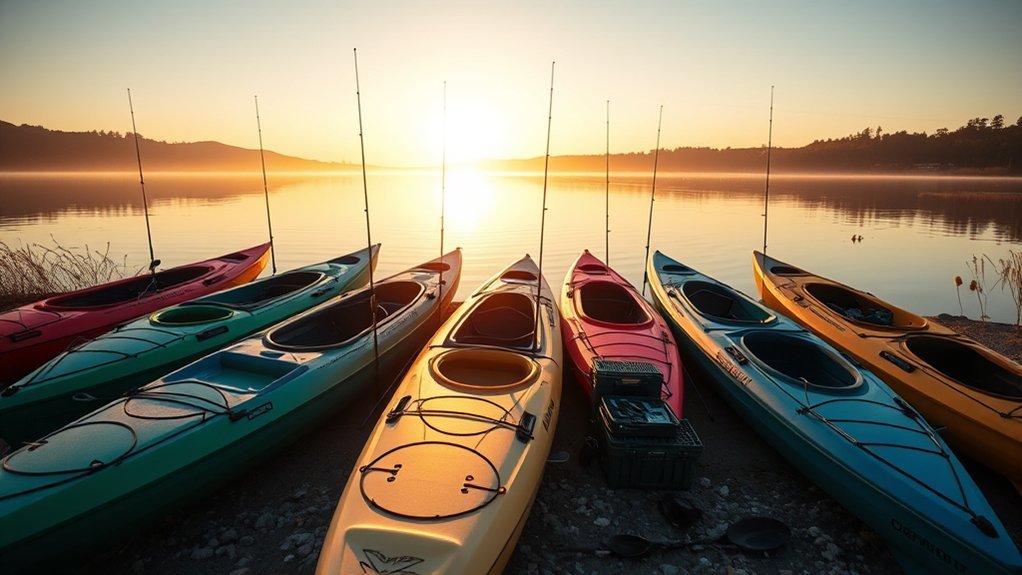
Planning a Duck River kayaking day trip in Tennessee? This scenic river offers peaceful stretches, limestone bluffs, wildlife, and several paddling routes near Columbia and Shelbyville. Whether you’re a beginner or an experienced kayaker, choosing the right section matters. This guide covers where to launch, how long trips take, rental costs, and the safety precautions you need before getting on the water.
Quick Answer
For a Duck River kayaking day trip, the 5-mile Milltown-to-River Rat’s route or the 5.5-mile Leftwich Bridge-to-Howard’s Bridge route are good starting points. Both offer scenic paddling near Columbia, Tennessee. Plan roughly 3–5 hours on the water, depending on your route and conditions. Check river levels, arrange transportation, and wear a life jacket.
Last checked: November 18, 2026. Dates and figures were verified against official sources.
Key Takeaways
- Best time: Late spring through early summer often provides pleasant paddling weather. Early fall is another good option when water levels allow.
- Beginner-friendly routes: The Milltown-to-River Rat’s trip covers 5 miles, while Higher Pursuits operates on a 5.5-mile Class I section.
- Rental costs: Published basic single-kayak prices start at $35 at both River Rat’s and Higher Pursuits. Shuttle services are available for personally owned boats.
- Safety: Watch for changing river levels, fallen trees, shallow shoals, and low-head dams. Never attempt to paddle over a dam.
- Wildlife: Look for herons, other waterbirds, river otters, and the river’s remarkable aquatic habitats.
- Planning: Identify your launch and take-out points before leaving home. Allow enough daylight for the entire trip.
Tennessee Adventure Bucket List Scratch-Off Cards
The Tennessee Adventure Bucket List Scratch-Off Cards offer another way to plan outdoor activities around the state. They are especially useful if kayaking on the Duck River is part of a longer Tennessee vacation.
The set includes 50 activities covering destinations from the Great Smoky Mountains to Nashville. Seasonal icons help you choose activities suited to different times of year.
The cards appeal to families, couples, friends, and solo travelers who enjoy discovering new destinations. They can also serve as a gift for someone planning more Tennessee adventures.
However, these are travel-planning cards, not kayaking equipment or an official Duck River guide. You will still need accurate river information and appropriate safety gear.
Best For: Families, couples, friends, and solo travelers looking for outdoor activities and travel inspiration within Tennessee.
Pros:
- Includes 50 activities suitable for different interests and experience levels.
- Seasonal icons make it easier to plan activities throughout the year.
- Encourages exploration of Tennessee’s natural attractions and cultural destinations.
Cons:
- Only covers Tennessee destinations.
- The scratch-off format may not appeal to everyone.
- Some suggested activities depend on weather or seasonal access.
Factors to Consider When Planning a Duck River Kayaking Day Trip
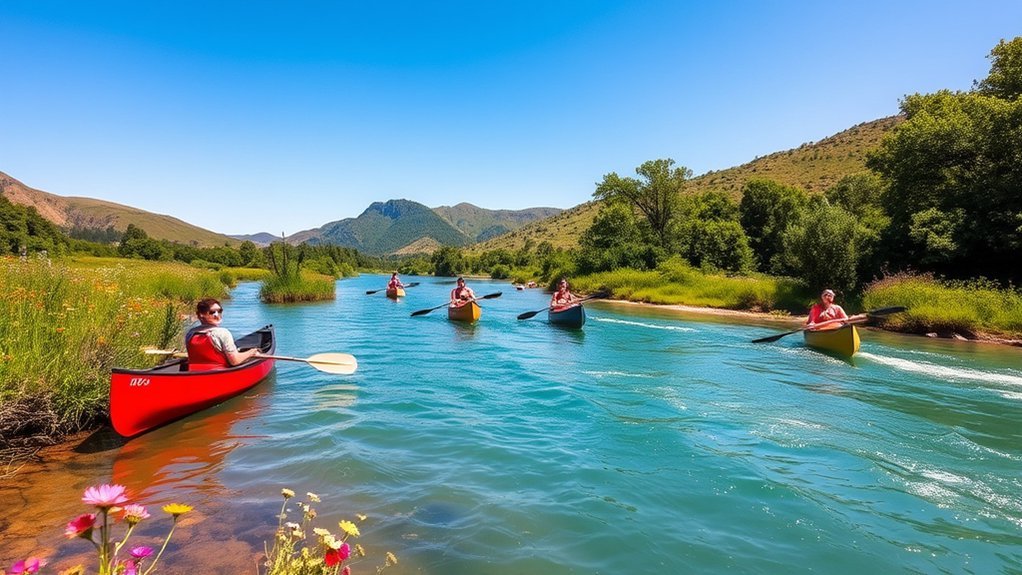
The best Duck River kayaking trip depends on water conditions, your paddling experience, available equipment, and the section you choose. Some routes are suitable for first-time paddlers, while others require experience with changing currents and obstacles.
Start by matching the route to your group’s ability. Then consider the following factors before choosing a launch date.
Weather Conditions and Safety
Weather and river flow are two of the biggest factors affecting kayaking safety on the Duck River. A normally gentle section can become hazardous after heavy rainfall. Low water can also expose rocks and make shallow areas difficult to cross.
Check the forecast for thunderstorms, strong winds, and extreme temperatures. Pay particular attention to recent rainfall upstream, not just the weather at your launch point.
The USGS Duck River gauge at Columbia (03599500) provides river monitoring information for the Columbia area. Other gauges serve different sections of the river.
Gauge readings show water conditions at specific locations. They do not automatically tell you whether an entire kayaking route is safe. Local obstacles, recent storms, and experience level also matter.
For upstream sections affected by Normandy Dam, review the Tennessee Valley Authority’s lake-level and release information. TVA warns that water-release schedules can change without notice.
Warning: Never kayak during flood conditions or approach a low-head dam. The Columbia Dam downstream of Iron Bridge is especially hazardous. Water can circulate below a dam and trap boats or swimmers. Stay outside marked danger areas and choose a route that avoids dams entirely.
Sun exposure is another concern. Use sunscreen, wear protective clothing, and carry enough drinking water for your entire trip.
Skill Level Assessment
Your paddling experience should determine which Duck River section you choose. Beginners will generally enjoy shorter stretches with gentle currents and established access points.
The river contains calm pools, shallow shoals, faster water, and occasional obstacles. A route that feels easy at one water level may become more challenging after rainfall.
Use these guidelines to choose a suitable trip:
- Beginners: Choose an established outfitter route with gentle water, a reasonable distance, and arranged transportation.
- Intermediate paddlers: Consider longer routes with mild current changes, shallow shoals, or more difficult access points.
- Experienced paddlers: Remote sections with fallen trees, limited exits, and longer distances require stronger route-finding and rescue skills.
Consider your physical fitness as well. A five-mile recreational float can take several hours, especially when you stop to rest or explore.
If anyone in your group is new to kayaking, an outfitter-supported trip is usually the simplest option.
Equipment and Gear Requirements
You do not need specialized whitewater equipment for every Duck River route. However, reliable paddling gear and appropriate safety equipment are essential.
Bring the following items:
- Kayak: Choose a stable recreational or touring kayak suited to the route and paddler.
- Personal flotation device: Carry a properly fitted, U.S. Coast Guard-approved wearable life jacket for every person and wear it while paddling.
- Paddle: Select a paddle that suits your height and kayak width.
- Dry bag: Protect your phone, keys, identification, and other valuables.
- First aid kit: Pack basic supplies for cuts, scrapes, and minor injuries.
- Water and snacks: Carry enough for the full trip, including possible delays.
- Sun protection: Bring sunscreen, a hat, and sunglasses with a retaining strap.
- Clothing: Wear quick-drying layers and footwear that can handle wet, slippery surfaces.
- Emergency supplies: Bring an effective sound-signaling device, such as a whistle, and a charged phone in waterproof storage.
If you rent from an outfitter, the kayak, paddle, and life jacket are commonly included. Still, confirm what your specific booking provides.
A lightweight recreational kayak is often suitable for calm sections. Longer touring models can be useful for covering distance, but their benefits depend on the route and your experience.
Scenic Views and Wildlife
The Duck River is one of Tennessee’s most remarkable places for wildlife observation. Forested banks, rocky bluffs, shallow shoals, and quiet pools create varied habitats along the river.
According to The Nature Conservancy’s Duck River conservation information, the river supports 151 fish species, more than 60 freshwater mussel species, and 22 aquatic snail species.
Its aquatic wildlife includes rare and endangered species such as the pygmy madtom and sensitive freshwater mussels. These species are important to the river’s ecology, although recreational paddlers are unlikely to identify many of them from a kayak.
More visible wildlife may include:
- Great blue herons feeding along shallow banks.
- Hawks, osprey, and other birds above the river.
- River otters and other mammals near quiet shorelines.
- Deer moving through wooded areas or approaching the water.
- Fish swimming through clear, shallow sections.
The scenery changes throughout the year. Spring brings fresh greenery and wildflowers, while autumn adds colorful foliage along wooded stretches.
Wildlife sightings are never guaranteed. Paddle quietly, observe animals from a distance, and avoid disturbing sensitive river habitats.
Local Regulations and Permits
Kayaking on the Duck River is subject to Tennessee boating rules and any restrictions at specific access areas. Most recreational paddlers using ordinary, non-motorized kayaks do not need a special statewide kayaking permit.
However, commercial outfitters operate under different requirements, and individual launch facilities may have their own rules or fees.
The Tennessee Wildlife Resources Agency’s boating regulations establish important safety requirements.
- Life jackets: Every canoe or kayak must have an appropriate wearable PFD for each person aboard.
- Children: Children 12 years of age and younger must wear an approved life jacket while on the open deck of a recreational vessel that is underway.
- Adults: Wearing a properly fitted life jacket throughout the trip is strongly recommended.
- Sound signals: Carry an effective way to signal others, such as a whistle.
- Launch rules: Follow posted restrictions, parking instructions, and access-area regulations.
- Private property: Do not assume that every riverbank, gravel bar, or access road is open to the public.
A standard kayak propelled only by a paddle generally does not require Tennessee motorboat registration. Adding a motor changes the applicable registration requirements.
Fishing also involves separate licensing and wildlife regulations. If you plan to fish during your kayaking trip, make sure you meet those requirements.
Note: Rental companies may apply stricter age, equipment, and weather restrictions than the minimum state boating rules. Follow your outfitter’s safety instructions and any posted access-area regulations.
Best Duck River Kayaking Routes and Access Points
The Duck River has multiple launch points, but not every section is suitable for a short recreational trip. Routes near Columbia offer a useful mix of beginner-friendly floats and longer stretches for experienced paddlers.
The Duck River paddling and access guide from Higher Pursuits provides specific distances, estimated times, and access descriptions for several Maury County routes.
| Route | Distance | Estimated Time | Best For |
|---|---|---|---|
| Milltown to River Rat’s | 5 miles | About 3.5–4 hours | Recreational day trips |
| Leftwich Bridge to Howard’s Bridge | 5.5 miles | 3–5 hours | Beginners and families with suitable conditions |
| Howard’s Bridge to Fountain Creek | 4.5 miles | 3–4 hours | Paddlers comfortable with remote access |
| Riverside Access to Chickasaw Trace | 8.4 miles | 5–7 hours | Longer day trips near Columbia |
| Carpenter Bridge to Leftwich Bridge | 8.5 miles | 5–7 hours | Experienced paddlers |
These are published route estimates, not guaranteed travel times. Low water, stops, weather, and paddling speed can change your actual duration.
Which Duck River Route Is Best for Beginners?
The Leftwich Bridge to Howard’s Bridge section is a strong choice for beginners using an established outfitter. Higher Pursuits describes its 5.5-mile route as Class I, with relatively gentle water and few swift sections.
This route passes through the Yanahli Wildlife Management Area and the Cheeks Bend section of the river. Much of the surrounding land remains wooded, giving paddlers a quiet natural setting.
The Milltown-to-River Rat’s route is another convenient option because rentals and shuttle arrangements are available.
Which Routes Are Better for Experienced Kayakers?
Experienced paddlers may prefer the Carpenter Bridge-to-Leftwich Bridge stretch. This 8.5-mile section is more remote and can contain fallen trees or other obstructions following storms.
The Howard’s Bridge-to-Fountain Creek route is shorter, but the take-out can be difficult to identify. Mobile phone service may also be unreliable around Fountain Creek.
For a longer day, Riverside Access to Chickasaw Trace passes through the Columbia area before continuing downstream.
Where Should You Avoid Kayaking?
Do not treat the entire Duck River as one continuous, safe paddling route. Dams, private land, difficult access points, and changing currents can interrupt a trip.
The low-head Columbia Dam lies downstream of Iron Bridge. Higher Pursuits identifies it as a serious danger and warns paddlers against approaching or going over it.
Never assume that a downstream take-out exists simply because a boat ramp appears on a map.
Pro Tip: Before launching your own kayak, save the exact take-out location on an offline map. Arrange your vehicle shuttle before entering the river. This is especially useful on remote routes where mobile reception is unreliable.
Duck River Kayak Rentals, Shuttle Services, and Costs
You can rent a kayak for a Duck River day trip without owning equipment. Two established operators near Columbia are Higher Pursuits and River Rat’s Canoe Rental.
Both offer recreational paddling trips, and both have options for visitors bringing their own boats.
How Much Does It Cost to Rent a Kayak?
The following prices are published by Higher Pursuits and River Rat’s Canoe Rental.
| Rental Option | Higher Pursuits | River Rat’s |
|---|---|---|
| Basic single kayak | $35 | $35 |
| Premium single kayak | $45 | Not listed |
| Tandem kayak | $50–$60 | $60 |
| Canoe | $50 | $55 |
| Shuttle for your own kayak | $20 per boat | $20 per kayak |
These are advertised prices, so taxes, additional charges, and availability may affect your final booking cost.
Higher Pursuits states that its rental prices include paddles, life jackets, and transportation to and from the paddling route.
River Rat’s operates from 4361 Highway 431, Columbia, Tennessee, and offers its five-mile Milltown trip with a shuttle.
Reservations are especially useful for summer weekends, when rental availability can be limited.
Best Time of Year for Duck River Kayaking
Late spring, early summer, and early fall can provide enjoyable kayaking conditions on the Duck River. However, no month guarantees safe water levels.
Rainfall, drought, river flow, and dam operations can affect different sections at different times.
| Season | Typical Conditions | Main Consideration |
|---|---|---|
| Spring (March–May) | Warming weather, green scenery, and variable rainfall | High flows and cold water after rain |
| Summer (June–August) | Warm weather and popular recreational paddling conditions | Heat, thunderstorms, and possible low water |
| Fall (September–November) | Cooling temperatures and changing foliage | Low water and reduced rental availability |
| Winter (December–February) | Cold air and water temperatures | Cold-water immersion and limited outfitter services |
May and June are appealing choices for many recreational paddlers because of warmer weather and green scenery. Early fall can also be pleasant, especially for those who prefer cooler air.
Winter paddling is better suited to experienced kayakers with proper cold-water clothing and safety skills.
Choose the final trip date based on the conditions of your intended river section, rather than relying on the calendar alone.
How to Plan a Duck River Kayaking Day Trip
A successful day trip starts with choosing a route you can finish comfortably before sunset. Your launch point, transportation, equipment, and expected paddling time should all be arranged before departure.
- Choose your route. Select a river section that matches your group’s skills and available paddling time.
- Identify the launch and take-out points. Confirm that both are accessible and suitable for your kayak.
- Arrange transportation. Reserve an outfitter shuttle or position vehicles at the correct locations.
- Prepare your equipment. Inspect the kayak, paddle, life jacket, and safety supplies.
- Set a realistic schedule. Include time for launching, rest stops, delays, and getting off the river before dark.
- Share your trip plan. Tell someone your intended route, launch time, and expected return.
During the trip, keep a comfortable pace and stay alert to changing river conditions. If an obstacle cannot be passed safely, stop and reassess rather than forcing your kayak through it.
Frequently Asked Questions
What Is the Best Time of Year for Kayaking on Duck River?
Late spring through early summer is often a good time for recreational kayaking on the Duck River. May and June can offer warm weather and green scenery. Early fall is another pleasant option, with cooler temperatures and colorful foliage. Actual paddling safety depends on rainfall, water levels, and the specific route.
Are There Any Age Restrictions for Kayaking on Duck River?
Age restrictions depend on the rental company and the type of trip. Higher Pursuits lists a minimum rental age of 3 and requires participants under 16 to be accompanied by an adult. Its guided trips are for ages 12 and older. Tennessee also requires children 12 and younger to wear an approved life jacket while underway.
Can I Bring My Own Kayak or Canoe?
Yes, you can bring your own kayak or canoe to suitable Duck River access points. Higher Pursuits and River Rat’s also advertise shuttle services for personally owned boats. You must arrange transportation, follow launch rules, and carry the required safety equipment. Some privately operated ramps charge access fees.
Are There Guided Kayaking Tours Available on Duck River?
Yes, Higher Pursuits offers seasonal guided paddling trips on the Duck River. Its published 2026 options included wildlife and history trips, mussel-focused floats, and sunset paddles. Standard guided trips were advertised at $75 per person for ages 12 and older, with boats provided. Dates and availability depend on the season.
What Safety Equipment Is Required for Kayaking on Duck River?
You must have an appropriate wearable life jacket for each person aboard a kayak or canoe. Children 12 and younger must wear one while the vessel is underway. A sound-signaling device is also important. Bring a first aid kit, drinking water, and a waterproof way to carry emergency contact information.
How Long Does a Duck River Kayaking Trip Take?
A typical recreational Duck River kayaking trip can take about 3–5 hours. River Rat’s advertises a five-mile float averaging roughly 3.5–4 hours. Higher Pursuits estimates 3–5 hours for its 5.5-mile route. Longer or more remote sections can require most of the day, depending on conditions and stops.
Do You Need a Permit to Kayak on Duck River?
Ordinary recreational kayaking with a non-motorized personal kayak generally does not require a special statewide paddling permit. However, specific access locations can have restrictions or fees. Motorized vessels have additional registration rules, and commercial outfitters operate under separate permit requirements. Fishing during your trip may require a fishing license.
Conclusion
A Duck River kayaking day trip offers a rewarding way to explore Middle Tennessee’s forests, limestone bluffs, and diverse wildlife. For first-time visitors, an established five- or 5.5-mile outfitter route is a practical choice.
Pick a suitable river section, plan your transportation, and prepare the right safety equipment. With careful preparation and favorable river conditions, you can enjoy the scenery at a comfortable pace.
Sources
- Tennessee Department of Environment and Conservation: Duck River scenic designation, river characteristics, and public recreation access.
- Higher Pursuits Duck River Paddling Guide: Route distances, estimated paddling times, access points, and dam hazards.
- Higher Pursuits Kayak and Canoe Rentals: Rental prices, shuttle services, equipment, age requirements, and route details.
- River Rat’s Canoe Rental: Five-mile paddling route, rental rates, and shuttle options.
- Tennessee Wildlife Resources Agency: Boating regulations, required life jackets, and safety rules.
- U.S. Geological Survey: Duck River monitoring station at Columbia, Tennessee.
- Tennessee Valley Authority: Lake levels, dam releases, and water-release safety information.
- The Nature Conservancy: Duck River biodiversity, fish and mussel species, and conservation information.
- Higher Pursuits Guided Trips: Guided kayaking options, published prices, and age requirements.