Choosing a recycling center in Tulsa starts with one simple question: what exactly are you trying to recycle? Household bottles and cardboard, old electronics, scrap copper, batteries, paint, and automotive fluids may all require different programs. The best choice is the facility that accepts your specific material, handles it responsibly, clearly explains any fees, and is convenient enough for you to use consistently.
Quick Answer
The best recycling center in Tulsa depends on what you have. Use City curbside or a M.e.t. drop-off for common household recyclables, a responsible electronics recycler for data-bearing devices, a scrap yard for valuable metals, and the City’s Household Pollutant Collection Facility for accepted chemicals. Always verify accepted items, fees, and hours first.
Key Takeaways
- Match the recycling facility to the material instead of assuming one center accepts everything.
- Tulsa’s blue recycling cart does not accept batteries, electronics, chemicals, plastic bags, Styrofoam, or many other specialty materials.
- For electronics, look for responsible downstream handling and consider R2 or e-Stewards certification when choosing a specialized recycler.
- Scrap-metal payouts change with the market, so check the yard’s current price and material grade before making a trip.
- Confirm hours, fees, quantity limits, identification requirements, and preparation rules directly with the facility.
At a Glance
| Time Required | About 5–15 minutes to identify the material, check the facility’s rules, and confirm current hours |
| Difficulty | Easy for common recyclables; moderate for electronics, chemicals, and regulated scrap |
| Tools Needed | A list or photo of your items, internet or phone access, and suitable containers for transporting materials safely |
| Cost | Varies. Many common recyclables can be dropped off without a disposal charge, while some electronics and specialty materials may have fees. Valuable scrap metal may earn a payout. |
Types of Recycling Centers and Their Services
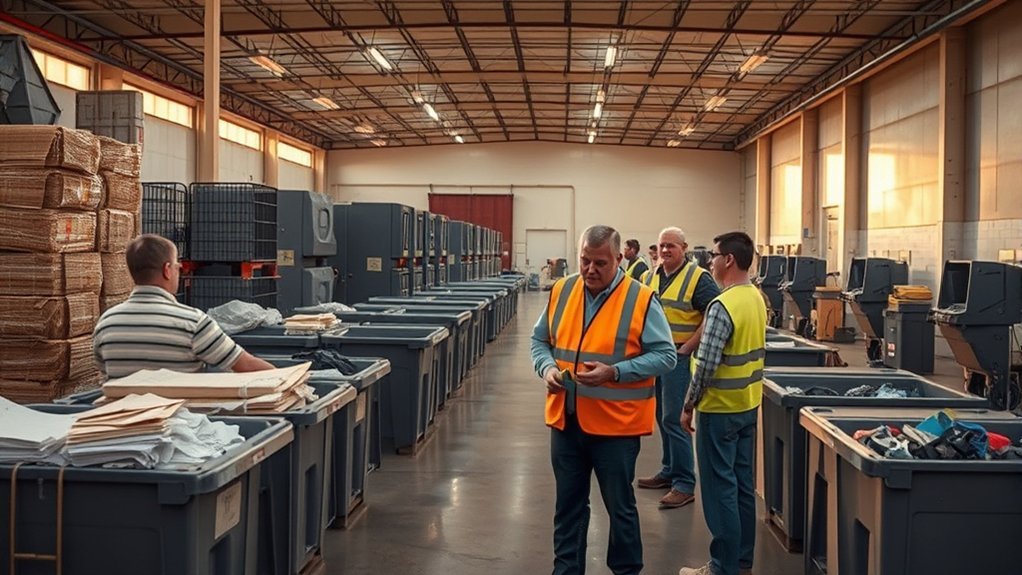
Recycling in Tulsa is not handled by one universal type of facility. Different programs are designed for different waste streams, so choosing the right one prevents contamination and can save you an unnecessary trip.
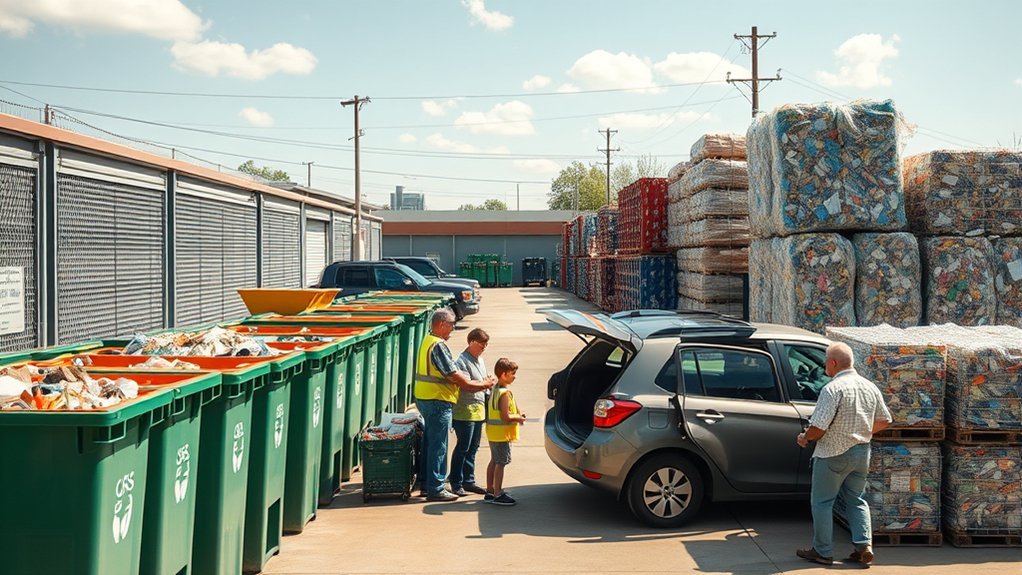
- City curbside recycling: Tulsa’s blue-cart program handles approved household glass bottles and jars, aluminum and steel cans, paper and cardboard, and approved plastic containers. The City asks residents to keep recyclables empty and dry. See the City of Tulsa’s current recycling list before placing an unfamiliar item in the cart.
- Community drop-off centers: The Metropolitan Environmental Trust, or M.e.t., operates recycling centers in the Tulsa area and publishes a 2026 Residential Recycling Directory covering materials from cardboard and batteries to electronics, oil, televisions, and tires.
- Mixed-recyclables processing: Tulsa Recycle & Transfer operates the Mr. Murph Materials Recovery Facility. Its operator says automated sorting increased its recovery rate from about 15% under manual sorting to as much as 95%. The company also reports a network of more than 600 Feed Mr. Murph drop-off locations.
- Scrap-metal yards: These facilities buy qualifying ferrous and nonferrous metals such as copper, aluminum, steel, and brass. Prices depend on the metal grade and current market.
- Electronics recyclers: Specialized programs handle computers, phones, monitors, televisions, printers, and other electronic equipment. Some offer data destruction or asset-management services for businesses.
- Household-pollutant facilities: Chemicals, paint, automotive fluids, certain batteries, and similar materials need specialized handling rather than ordinary recycling.
Warning: Do not place batteries, electronics, household chemicals, automotive fluids, paint, or other hazardous materials in Tulsa’s blue recycling cart. These items can require separate handling and may create safety problems in collection vehicles or processing facilities.
Best Tulsa Recycling Option by Material
The easiest way to choose among Tulsa recycling centers is to start with the item instead of the facility name.
| Material | Good Starting Point | What to Check |
|---|---|---|
| Common bottles, cans, paper, and cardboard | Tulsa blue cart or an appropriate M.e.t. center | Exact accepted material and preparation rules |
| Plastic bags | A participating specialty drop-off location | Bags should generally be clean and dry; do not put them in the City blue cart |
| Computers, phones, printers, and other electronics | M.e.t. or a qualified electronics recycler | Fees, data destruction, accepted device types, and downstream certification |
| Televisions and monitors | An e-waste program that specifically accepts them | Advance payment or recycling fee may apply |
| Copper, aluminum, brass, steel, and other valuable scrap | Scrap-metal yard | Current price, grade, contamination, identification requirements, and prohibited items |
| Paint, automotive fluids, cleaners, lawn chemicals, and similar household pollutants | City of Tulsa Household Pollutant Collection Facility | Accepted material, quantity, residency rules, and current operating hours |
How to Identify a Responsible Recycling Center
A certification can be useful, but the right credential depends on the material. You do not need an R2-certified company simply to drop off ordinary cardboard. Certification becomes much more important when a recycler is handling electronics, confidential data, hazardous components, or business IT assets.
- Match the certification to the service. For electronics, the U.S. Environmental Protection Agency recognizes R2 and e-Stewards as accredited electronics-recycling standards.
- Verify the certification directly. Do not rely only on a logo displayed on a company’s website. Check whether the facility and location are included in the applicable certification directory.
- Ask what happens downstream. A responsible recycler should be able to explain whether material is reused, refurbished, processed, transferred to another recycler, or sent to an end market.
- Ask about data security. For computers, servers, phones, drives, and other devices containing personal or business information, find out whether the recycler offers documented data wiping or physical destruction.
- Request records when appropriate. Businesses may need weight tickets, certificates of recycling, serialized asset reports, or certificates of data destruction.
- Review environmental and safety practices. Management-system certifications such as ISO 14001 can provide additional evidence of organized environmental controls, but they serve a different purpose from an electronics-specific standard such as R2.
Note: ISO 14001:2026 is the current edition of the international environmental-management-system standard. An ISO credential can be useful supporting evidence, but the phrase “ISO certified” by itself does not tell you how a recycler handles electronics or destroys data.
Assessing Costs and Convenience in Recycling
Cost works differently depending on what you are recycling. Ordinary household recycling may be available through curbside service or free community drop-off options. Certain electronics, televisions, monitors, tires, or specialty materials may carry a fee. Scrap-metal yards work in the opposite direction: they may pay you for qualifying material.
Avoid relying on an old article for the exact value of copper or aluminum. Tulsa scrap yards can update prices as commodity markets change, and two pieces of aluminum may receive different prices because they belong to different grades. For example, CMC Recycling’s Tulsa location publishes material-specific prices and its current payment requirements online.
Before driving to a facility, check:
- Whether your exact material is accepted
- Current hours and holiday closures
- Drop-off or processing fees
- Quantity or weight limits
- Whether Tulsa-area residency is required
- Whether identification is required
- Whether materials must be separated, flattened, drained, or otherwise prepared
- Whether pickup service is available for larger residential or commercial loads
Pro Tip: If you are selling scrap, sort copper, aluminum, brass, stainless steel, and ferrous metal before arriving when the yard’s rules allow it. Correct grading can matter more to your payout than simply choosing the closest yard.
Handling Electronics, Batteries, and Household Pollutants
Tulsa’s ordinary blue-cart program specifically excludes batteries, electronics, automotive fluids, chemicals, paint, light bulbs, medical waste, tires, and several other specialty materials. That does not necessarily mean those items cannot be recycled or safely recovered. It means they need another outlet.
The Tulsa Household Pollutant Collection Facility at 4502 S. Galveston Ave. accepts specified household materials such as fluorescent and CFL bulbs, oil-based and latex paint, paint thinner, lawn chemicals, automotive fluids, cooking oil and grease, aerosols, household and car batteries, household cleaners, pool chemicals, small electronics, and mercury thermostats. The City currently lists operating hours on Wednesdays and Saturdays.
The facility does not accept every difficult material. Among its listed exclusions are large electronics such as televisions, monitors, and computers, along with commercially generated waste, medical or biomedical waste, asbestos, radioactive material, ammunition, explosives, tires, and unknown substances. Check the City’s current list before transporting a questionable item.
For consumer electronics, The M.e.t. also provides e-waste options. Its current guidance lists many small electronics for free drop-off while televisions and monitors may require a recycling fee. If a device contains personal information, erase your data when possible and ask the recycler what data-destruction process it uses.
How Community Engagement Improves Recycling Efforts
Community recycling works best when residents know which program handles each material. Putting an unacceptable item into a recycling bin does not make it recyclable. It can contaminate other material or create problems for workers and sorting equipment.
The M.e.t. maintains a Tulsa-area recycling directory covering many difficult items, while the City publishes its own accepted-material rules and household-pollutant guidance. Local schools, businesses, neighborhood groups, and events can strengthen recycling participation by teaching those rules instead of encouraging people to put every potentially recyclable object into the same bin.
Private operators also play a role. American Waste Control says its automated Mr. Murph system uses mechanical sorting, quality-control workers, and automated technology to separate mixed recyclables, and the company reports a recovery rate of up to 95%. That is a useful example of why proper collection and processing infrastructure matter, but households still need to follow the acceptance rules for the program they actually use.
The most useful recycling habit is not putting more items in the bin. It is sending the right material to the right recycling or disposal program.
Sustainable Recycling Practices You Can Implement
Recycling is only one part of responsible material management. The EPA recommends prioritizing waste prevention and reuse before recycling when practical. When an item has reached the end of its useful life, proper sorting helps recover material while reducing contamination.
- Reduce and reuse first. Repair, donate, refill, or reuse an item when that is practical and safe.
- Check the local rules. Tulsa’s curbside list should be your reference for the blue cart, not the recycling symbol alone.
- Keep accepted curbside recyclables empty and dry. Food, liquids, and other contamination can reduce material quality.
- Keep specialty waste separate. Batteries, electronics, chemicals, paint, automotive fluids, and similar items need the appropriate specialty program.
- Use the current recycling directory. The M.e.t.’s annual directory can help locate options for items that do not belong in curbside recycling.
- Confirm before you drive. Acceptance policies, prices, fees, hours, and capacity can change.
Frequently Asked Questions
Where should I avoid recycling in Tulsa?
Avoid leaving material at an unauthorized location or using a recycler that cannot clearly explain what it accepts, what it charges, and how specialty materials are handled. For electronics containing sensitive data, use extra care when evaluating data-security practices and downstream recycling.
How can I get the most money for scrap recycling?
Separate metals by type and grade when the yard permits it, remove unacceptable contamination where practical, compare current yard prices, and verify identification and payment requirements before visiting. Copper and other high-value nonferrous metals generally need accurate grading, so do not assume every copper- or aluminum-containing item receives the same price.
Where can I find recycling drop-off locations in Tulsa?
Start with The Metropolitan Environmental Trust’s current Residential Recycling Directory for material-specific Tulsa-area options. American Waste Control also operates Feed Mr. Murph recycling drop-off locations. Check the individual location before visiting because accepted materials can differ by program.
What do recycling centers not accept?
There is no universal rejection list. Tulsa’s blue cart excludes batteries, electronics, chemicals, plastic bags and flexible film, Styrofoam, tires, most scrap metal other than accepted cans, medical waste, and many other materials. Specialty facilities may accept some of those items, so always check the rules for the program you plan to use.
Can I put batteries or electronics in Tulsa’s blue recycling cart?
No. The City lists batteries and electronics among the items that do not belong in the blue cart. Use a specialty collection program or recycler that accepts the specific battery or electronic device.
Where can Tulsa residents take household chemicals and paint?
The City of Tulsa Household Pollutant Collection Facility accepts specified household chemicals, paints, automotive fluids, batteries, cleaners, and related materials. Acceptance limits and operating rules apply, so review the City’s current guidance before visiting.
Does every recycling center need R2 certification?
No. R2 is an electronics-recycling standard, so it is particularly relevant when choosing a company to handle electronic equipment and IT assets. A paper, cardboard, glass, or conventional scrap-metal facility should instead be evaluated using the permits, operating practices, weighing procedures, and other standards relevant to its work.
Do Tulsa recycling centers charge fees?
It depends on the material and program. Many ordinary household recyclables can be handled through curbside or drop-off programs without a separate disposal fee, while televisions, monitors, specialty electronics, tires, or other difficult materials may cost money. Scrap-metal yards may instead pay for qualifying material.
Conclusion
Choosing the right recycling center in Tulsa is less about finding one facility that does everything and more about matching each material with the correct program. Use Tulsa’s blue cart for approved household recyclables, community drop-off centers for additional materials, qualified electronics recyclers for devices, scrap yards for valuable metal, and the City’s pollutant facility for accepted household chemicals. Checking current rules before every specialty drop-off helps prevent contamination, protects workers, and gives recyclable material a better chance of being properly recovered.
Sources
- City of Tulsa: What Can Be Recycled — accepted and prohibited materials for Tulsa’s blue recycling cart.
- City of Tulsa: Household Pollutant Collection Facility — accepted household pollutants, exclusions, location, and operating information.
- The Metropolitan Environmental Trust: 2026 Residential Recycling Directory — Tulsa-area recycling options organized by material.
- U.S. Environmental Protection Agency: Certified Electronics Recyclers — guidance on R2 and e-Stewards electronics-recycling standards.
- American Waste Control: The Story of Mr. Murph — operator information about Tulsa Recycle & Transfer’s automated materials recovery system.
- CMC Recycling: Tulsa — current scrap-metal pricing, payment requirements, accepted materials, and prohibited items.