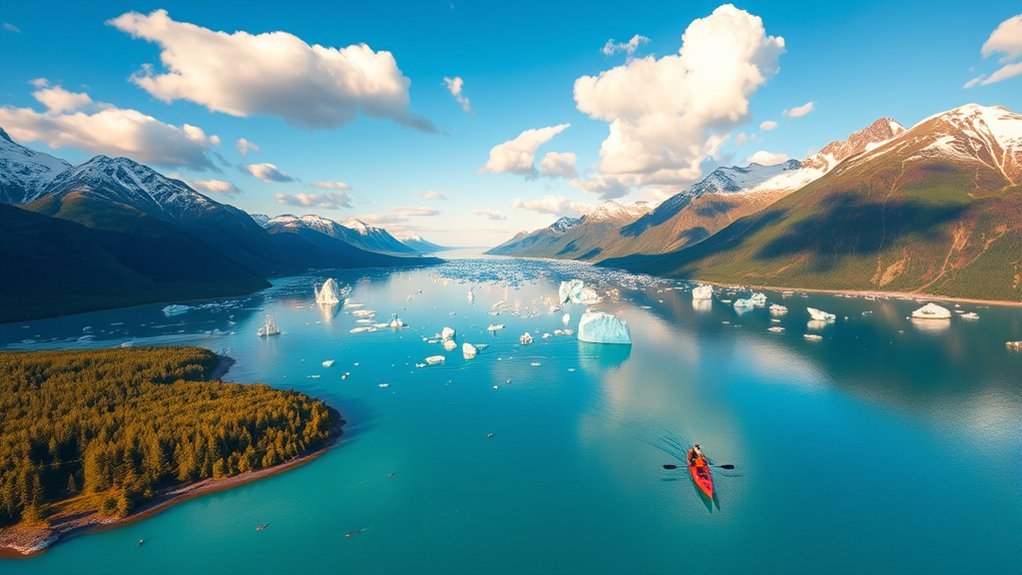
Summer in Alaska gives you unusually long days for hiking, wildlife cruises, glacier trips, fishing, rail journeys, and cultural experiences, but the amount of daylight varies dramatically by latitude. Fairbanks gets close to 22 hours between sunrise and sunset around the June solstice, while communities farther north can experience continuous daylight. The best trip combines a few regions rather than trying to cover the whole state, with extra time for weather, transportation changes, and advance reservations.
Quick Answer
The best things to do in Alaska in summer include exploring Denali, cruising Glacier Bay or Kenai Fjords, hiking the Chugach Mountains, riding the Alaska Railroad, visiting the Alaska Native Heritage Center, kayaking Prince William Sound, fishing under current regulations, trying local food, and experiencing the midnight sun.
Key Takeaways
- June through August is the core Alaska summer travel period, but exact operating seasons and daylight vary by destination.
- Book popular rail journeys, Denali buses, wildlife cruises, glacier activities, and guided fishing trips ahead when possible.
- Check official conditions shortly before every major outing because road access, fishing regulations, marine weather, and transportation can change.
- Treat wildlife sightings, glacier calving, mountain views, and fishing success as possibilities, never guarantees.
- Pack layers and rain protection even in summer, and plan conservatively for cold water, wildlife, and areas with little cell coverage.
Plan Your Alaska Summer Trip Around Daylight, Distance, and Weather
Alaska is too large to treat as a single sightseeing zone. A first trip usually works better when you build around one or two corridors, such as Anchorage–Seward–Denali, Juneau and Southeast Alaska, or Fairbanks and the Interior. Long summer daylight gives you flexibility, but it does not eliminate driving times, tour schedules, weather delays, or fatigue.
Daylight also changes sharply with latitude. NOAA notes that Fairbanks has almost 22 hours between sunrise and sunset near the June solstice. Farther north, the sun can remain above the horizon around the clock for part of summer. Southeast Alaska and Southcentral Alaska still have long days, but not the same continuous daylight found in the far north.
Warning: Alaska’s summer conditions can change quickly. Rain, cold, high water, wildfire smoke, marine conditions, road work, and wildlife activity can alter plans. Check the managing agency’s current alerts before heading into remote areas and carry enough clothing, food, water, and navigation capability for delays.
Explore Denali National Park
Denali National Park and Preserve is one of Alaska’s signature summer destinations, but it is important to plan around current access rather than an old map. In summer 2026, the National Park Service reports that Denali Park Road remains closed at Mile 43 because of the Pretty Rocks landslide. Transit and tour buses travel no farther than East Fork Bridge, and NPS strongly recommends reservations for buses and campgrounds.
Near the park entrance, you can use maintained trails for shorter hikes and viewpoints. Farther into Denali, the experience changes. Much of the park is trail-less wilderness, so serious backcountry travel can involve route-finding, river crossings, rough terrain, and limited communication. NPS safety guidance notes that cell service is limited near the entrance, rainy and chilly summer days are normal, and bear spray is strongly encouraged for hikers.
A bus trip is one of the simplest ways to see tundra landscapes and look for wildlife such as moose, caribou, bears, and Dall sheep without attempting a backcountry trek. Flightseeing is another option for aerial views of the Alaska Range and the 20,310-foot summit when weather allows. Clouds can hide the mountain even on otherwise good travel days, so treat a clear summit view as a bonus rather than an expectation.
Pro Tip: Reserve the Denali experience that matters most to you first, especially a park bus or campground, then build hikes and ranger programs around that fixed reservation.
Cruise Through Glacier Bay
Glacier Bay National Park and Preserve combines tidewater glaciers, steep mountains, marine wildlife, and a largely undeveloped coastline. A cruise or authorized tour vessel gives you access to scenery that cannot be reached by road. According to the National Park Service, large cruise ships typically spend much of a day inside the park, and wildlife sightings are frequent, although no particular species or glacier event is guaranteed.
Watch Tidewater Glaciers and Ice
As you move through the bay, you may see tidewater glaciers descending from the mountains to the sea. Their ice can appear blue where dense ice absorbs other wavelengths of light. Calving sometimes sends blocks of ice into the water with a loud crack, but it happens on the glacier’s schedule, not the tour’s.
Bring binoculars as well as a camera. Wide views often communicate the scale of the landscape better than tightly zoomed glacier photos, especially when boats, mountains, and ice are visible in the same scene.
Look for Wildlife Without Expecting a Checklist
Glacier Bay offers chances to see humpback whales, sea otters, Steller sea lions, bears, and seabirds. You may also encounter harbor seals and other marine mammals. Keep expectations flexible: wildlife moves freely, and a responsible tour cannot promise a particular sighting.
Use binoculars instead of trying to get closer to animals. If you are on a smaller vessel or shore excursion, follow park and operator instructions on wildlife distance, nesting areas, and protected waters.
Experience the Midnight Sun
Alaska’s long summer days change the rhythm of a trip. Around the solstice, you can finish dinner and still have hours of usable light for a walk, photography, fishing, or a scenic drive. In the Interior, sunset can arrive extremely late, while communities north of the Arctic Circle can experience periods when the sun does not set at all.
Long daylight is one of Alaska’s biggest summer advantages, but it is also something to plan for: a sleep mask can be as useful as a camera.
- Take an evening walk or scenic drive when many destinations still have plenty of natural light.
- Photograph landscapes during the warmer, lower-angle light near the end of the day.
- Carry a sleep mask or use blackout curtains if late light makes it difficult for you to sleep.
Go Wildlife Viewing in Kenai Fjords
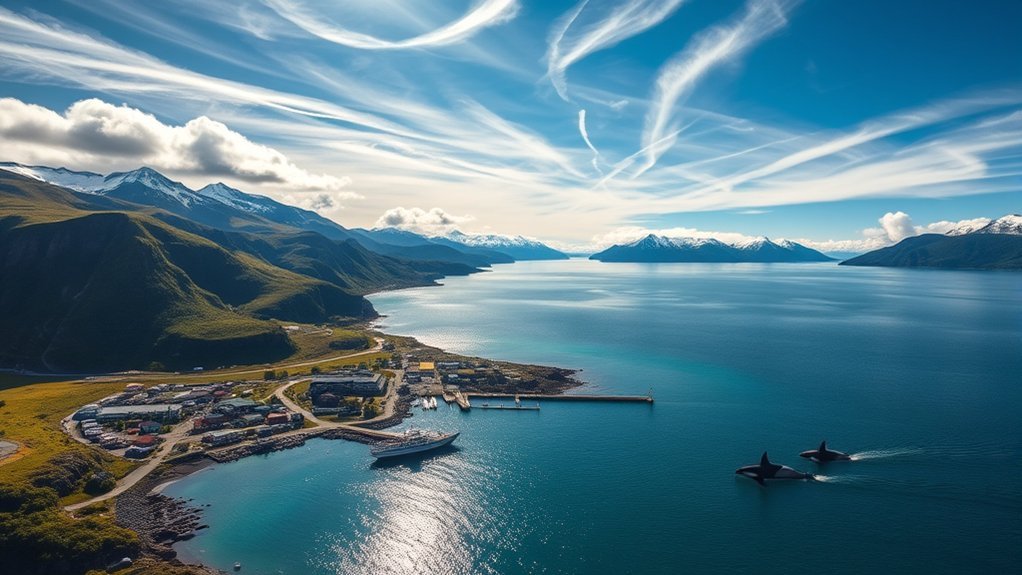
Kenai Fjords National Park is best known in summer for its coastal scenery, tidewater glaciers, and marine wildlife. The National Park Service says local boat tours depart Seward’s small boat harbor daily during the summer months. Half-day trips generally stay closer to Resurrection Bay, while longer trips can travel farther toward the park’s tidewater glaciers.
Depending on conditions, you may see sea otters, puffins, harbor seals, Steller sea lions, humpback whales, orcas, and other wildlife. Bring warm layers even if Seward feels mild on shore. Wind over cold ocean water can make the deck noticeably colder.
Reserve ahead if a wildlife cruise is one of your highest priorities. Weather and sea conditions can still affect routes, so leave some flexibility in a tightly scheduled itinerary.
Hike the Trails of the Chugach Mountains
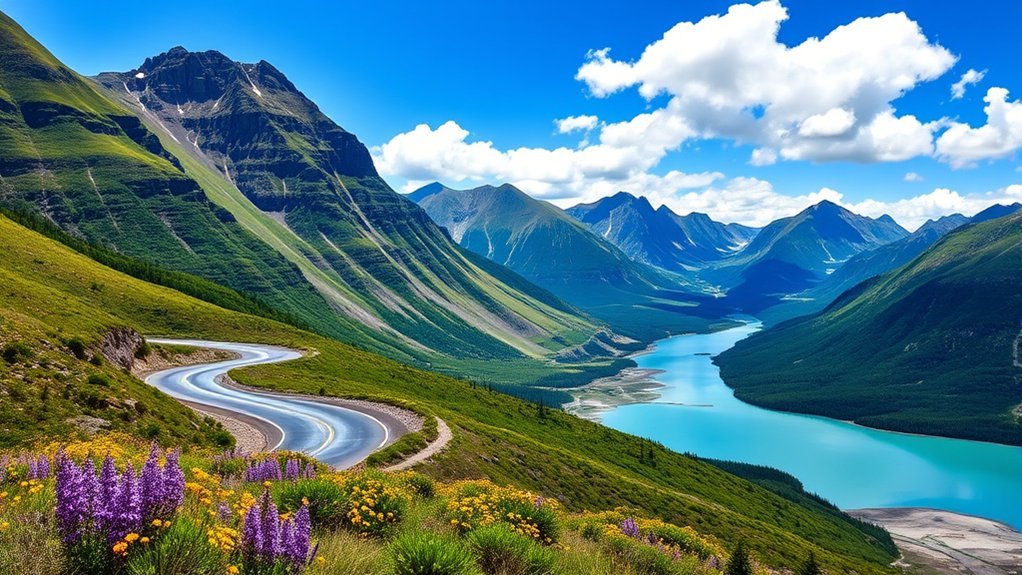
The Chugach Mountains give Anchorage-area visitors access to hikes ranging from short viewpoints to steep mountain routes. At Glen Alps, for example, Alaska State Parks describes an extensive system with established trails and more general travel routes of varying difficulty.
- Choose a trail that matches your fitness, footwear, navigation skills, and available daylight.
- Carry a waterproof layer and an insulating layer even when the morning starts warm.
- Give wildlife plenty of space and never approach an animal for a photograph.
- Tell someone your route and expected return time when heading beyond busy trailheads.
Wildflowers, alpine views, waterfalls, and wildlife can make even a short hike memorable, but conditions change with elevation. Turn around if visibility, footing, water levels, or weather deteriorate.
Discover the Historic Town of Skagway
Skagway is closely tied to the Klondike Gold Rush. Historic buildings, exhibits, and the Klondike Gold Rush National Historical Park help explain how thousands of prospectors moved through the area on their way toward the Yukon. Walking Broadway and visiting the park’s museum adds useful context before a scenic rail excursion.
The White Pass route climbs through steep mountain terrain that once challenged stampeders traveling north. Today, rail excursions provide a much easier way to see portions of that landscape while learning about transportation and Gold Rush history.
Current Travel Note: On August 15, 2026, the Alaska Marine Highway System announced that major structural damage had closed its Skagway docking facility and suspended ferry service to and from Skagway until further notice. Check the official AMHS service notices before building a trip around ferry transportation.
Kayak in Prince William Sound
Prince William Sound offers sea kayaking among forested islands, mountain walls, glaciers, and marine habitats. The Chugach National Forest highlights the Sound for boating, kayaking, glacier viewing, and wildlife viewing.
Conditions deserve respect. The water is cold, weather can change quickly, and wind can turn an easy paddle into a difficult return. Wear an appropriate personal flotation device, dress for cold-water conditions rather than air temperature alone, and use a qualified guided trip if you lack sea-kayaking or local route experience.
- Watch floating ice from a safe distance instead of paddling close to unstable ice or glacier faces.
- Keep binoculars handy for sea otters, seals, birds, and other wildlife.
- Carry waterproof communication and navigation equipment appropriate to your route.
Visit the Alaska Native Heritage Center
The Alaska Native Heritage Center in Anchorage is one of the best places for visitors to learn directly about Alaska Native peoples, cultures, histories, and living traditions. Its summer programming includes guided experiences, dance performances, Native Games demonstrations, storytelling, exhibits, films, and opportunities to learn about cultural belongings and traditional structures.
Rather than treating Alaska Native cultures as one tradition, pay attention to the distinctions among the peoples and regions represented. Listen to the language used by culture bearers, educators, artists, and performers at the Center, and give yourself enough time to explore both indoor exhibits and the outdoor village sites.
For 2026, the Center lists its summer season from May into September; check the official site for current admission, hours, programming, and shuttle information before visiting.
Fish in the Kenai River
The Kenai River is famous for salmon and trout, but the most important planning step is checking the current rules before choosing a target species. Run timing, conservation measures, tackle restrictions, retention limits, and emergency orders can change within a season.
Warning: For 2026, the Alaska Department of Fish and Game closed the Kenai River late-run king salmon sport fishery from June 20 through August 15, including catch-and-release fishing for kings. Fishing for other species remained available subject to applicable restrictions. Always check the current ADF&G fishing report and emergency orders before fishing.
Match Your Trip to the Run and Regulations
There is no single “best” fishing week for every species. Sockeye, coho, trout, and other fisheries have different seasonal patterns, and regulations can change in response to conservation needs. Decide which legal species you hope to fish, then check current run information and regulations before booking dates.
You will also need the appropriate Alaska sport-fishing license and any required endorsements or stamps for the fishing you plan to do. Do not rely on an old blog post or last year’s limits at the river.
Popular Kenai River Fish
The Kenai system supports salmon as well as rainbow trout and Dolly Varden. Sockeye and coho are popular summer targets when their runs and current regulations allow. King salmon are iconic, but conservation restrictions can substantially limit or close king fishing, as happened during the 2026 late run.
Species availability does not guarantee fishing success. Water conditions, run strength, regulations, angler technique, and timing all matter.
Consider a Guided Fishing Trip
A reputable local guide can provide a boat or approved access, tackle, local techniques, safety support, and help interpreting current regulations. That can be especially useful for a first Kenai trip. A guide cannot guarantee a fish, however, so choose a trip based on the quality of the experience and instruction rather than promises of a trophy catch.
Take a Scenic Train Ride on the Alaska Railroad
The Alaska Railroad is both transportation and sightseeing. Its routes link several major visitor destinations while passing mountains, rivers, forests, and areas that are difficult to appreciate from the highway.
According to the official 2026 schedule, the Coastal Classic operates between Anchorage, Girdwood, and Seward daily from May 15 through September 13, 2026. The Denali Star links Anchorage, Talkeetna, Denali, and Fairbanks during a May-to-September operating season, with 2026 service running May 13 through September 17.
Some services include dome-style viewing, but the exact seating and amenities depend on the route and service class. Reserve early if you need a particular travel date or want to coordinate the train with a Denali stay, cruise, or Seward wildlife trip.
Enjoy the Festivals and Events
Summer calendars add arts, food, community celebrations, fairs, and long-day events to an Alaska itinerary. Check exact dates for the year you travel because many happen on only one weekend or during a short annual window.
- Fairbanks Summer Arts Festival: The 2026 festival ran July 19 through August 2, with workshops and events across visual and performing arts. Check the official festival site for future schedules.
- Midnight Sun Festival: Fairbanks celebrates its summer daylight with a downtown festival around the solstice. Verify each year’s program at the official event site.
- Iditarod summer activities: The Iditarod Trail Sled Dog Race itself is not a summer race. Its official calendar lists summer headquarters activities and appearances, while the next ceremonial race start is scheduled for March 6, 2027.
If a particular festival is important to your trip, arrange lodging and transportation around the event before filling the rest of the itinerary.
Camp Under the Midnight Sun and Save Stargazing for Darker Nights
Camping is one of the best ways to experience Alaska’s forests, mountains, rivers, and long summer evenings, but “camping under the stars” can be misleading around midsummer. In many places, the sky never becomes fully dark around the June solstice. Farther north, the sun may remain above the horizon throughout the night.
Use the extra daylight for cooking, walking, photography, or simply sitting outside late in the evening. If seeing stars matters to you, later-summer nights generally offer more darkness than the weeks around the solstice.
- Use a sleep mask if bright nights affect your sleep.
- Store food and scented items according to local bear-safety rules.
- Bring insulation and waterproof clothing even when daytime weather seems mild.
- Check campground rules, fire restrictions, and local alerts before arriving.
Go Dog Sledding on a Glacier or Visit a Summer Kennel
Dog mushing remains a summer activity even after low-elevation snow disappears. Travel Alaska explains that many summer kennel experiences use wheeled carts pulled by dog teams, giving visitors a chance to meet the dogs and learn how mushers train and care for them.
If you specifically want to ride a sled on snow or ice, glacier dog-sled tours generally combine a helicopter flight with a glacier-based kennel and sled ride. These trips are highly weather-dependent, so build flexibility into the day and understand the operator’s cancellation and rebooking policy before you reserve.
- Choose an operator that clearly explains dog care, safety, and tour conditions.
- Dress for temperatures on the glacier, which can feel very different from conditions in town.
- Keep another activity in mind in case aviation weather prevents the flight.
Visit the Mendenhall Glacier
Near Juneau, Mendenhall Glacier is one of Alaska’s most accessible glacier landscapes. From the visitor area and surrounding trails, you can view the glacier across Mendenhall Lake, walk through temperate rainforest, and visit nearby viewpoints and waterfalls.
The U.S. Forest Service currently lists summer visitor-center hours of 9 a.m. to 6 p.m. daily from May through September, while the surrounding grounds have longer access hours. Some areas require a visitor pass while several trails do not, so check the official page for current details.
Ice fragments may be visible in the lake, and wildlife can occur around the recreation area, but neither should be treated as guaranteed. Stay on authorized routes and do not attempt to reach or climb onto glacier ice without an appropriately equipped guided activity.
Note: Conditions around Mendenhall Lake and River can change during glacial lake outburst events and severe weather. Check current Forest Service and local weather alerts shortly before your visit.
Experience the Local Cuisine
Alaska’s food scene is broader than a short list of seafood dishes, but locally sourced seafood, game, produce, berries, and regional specialties can add another layer to a trip. Travel Alaska highlights foods such as grilled salmon, halibut chowder, cod tacos, reindeer sausage, and crab legs among common visitor favorites.
- Salmon: Try it grilled, smoked, or prepared in a local seasonal dish.
- Halibut and other seafood: Coastal communities often offer simple preparations that let the fish remain the focus.
- Reindeer sausage: A widely available Alaska specialty, especially at breakfast spots and casual stands.
- Crab: Availability, species, preparation, and price vary, so ask what is being served rather than assuming every restaurant offers the same product.
- Alaska-grown and Native foods: When a Native-led restaurant, cultural event, or food program shares traditional foods, approach the experience as an opportunity to learn about the specific people and traditions represented rather than treating all Alaska Native cuisines as one category.
Farmers markets, food trucks, neighborhood restaurants, and small local cafés can be as worthwhile as expensive waterfront dining. Ask what is local and in season instead of assuming every menu item was harvested in Alaska.
Before You Go: Safety, Reservations, and Packing
Alaska rewards flexible planning. Reserve the experiences that have limited capacity, then leave enough open time to handle weather or transportation changes. Before each major outing, check the responsible park, state agency, transportation company, or tour operator rather than relying on an old itinerary screenshot.
- Clothing: Pack a waterproof shell plus warm synthetic or wool layers. Summer does not eliminate cold rain or hypothermia risk.
- Wildlife: Never approach or feed wildlife. Follow local distance rules and learn bear-safety procedures before hiking.
- Navigation: Download maps before losing service and carry more robust communication equipment when your route truly requires it.
- Water activities: Dress for cold water, wear an appropriate personal flotation device, and respect marine forecasts.
- Fishing: Carry the correct license and check current regulations and emergency orders immediately before fishing.
- Transportation: Reconfirm trains, ferries, flights, rental vehicles, and tour pickups because seasonal services and disruptions can alter an itinerary.
Frequently Asked Questions
What is the best time to visit Alaska in summer?
June through August is the core high season for many Alaska trips because days are long and most seasonal visitor services are operating. However, May and September can also work well depending on your route. Check the exact operating season for parks, trains, cruises, ferries, and tours you want rather than choosing dates from a statewide rule.
Are there safety concerns while hiking in Alaska?
Yes. Wildlife, rapidly changing weather, cold rain, rough terrain, river crossings, limited cell service, and remoteness can all matter. Carry appropriate layers, navigation, food, water, and emergency equipment for the route; learn local bear-safety guidance; avoid hiking beyond your skills; and tell someone where you are going.
What wildlife can I expect to see in Alaska?
Potential sightings vary by region and habitat. Depending on your itinerary, you may encounter moose, bears, caribou, Dall sheep, bald eagles, sea otters, harbor seals, sea lions, puffins, humpback whales, or orcas. No species is guaranteed, so use binoculars, keep safe distances, and let animals control the encounter.
How should I prepare for unpredictable Alaska weather?
Dress in layers and carry a waterproof outer shell. Pack warm synthetic or wool insulation even on a mild day, especially for boat trips, higher elevations, and remote hikes. Check the forecast before leaving, but also be prepared for conditions to change during the outing.
Can I travel around Alaska without a car?
Yes, if you design the itinerary around places connected by trains, scheduled buses or shuttles, flights, cruises, ferries, and guided tours. A car-free trip is easier on selected visitor corridors than across the entire state. Always verify seasonal transportation shortly before departure; for example, Skagway ferry service was suspended on August 15, 2026 because of terminal damage.
How many days do I need for an Alaska summer trip?
A week can cover one compact route, while 10 to 14 days gives you more room to combine several regions without spending every day in transit. Alaska’s distances are large, so a slower itinerary with weather buffers usually works better than trying to check off as many destinations as possible.
What should I book in advance for an Alaska summer vacation?
Prioritize limited-capacity experiences such as Denali buses and campgrounds, Alaska Railroad seats, popular wildlife cruises, glacier dog-sled flights, guided fishing trips, and lodging in small gateway communities. Exact demand varies by date, so reserve the experiences that would be hardest to replace first.
Can I see stars or the northern lights during an Alaska summer trip?
Around the June solstice, long daylight and bright twilight make stars and aurora difficult or impossible to see in many Alaska destinations. Nights become darker as summer progresses, improving the possibility of seeing stars. Aurora visibility still depends on darkness, cloud cover, and geomagnetic activity, so it should not be treated as a guaranteed summer attraction.
Sources
- National Park Service — Denali Current Conditions — current Denali Park Road access, summer operations, buses, and reservations.
- National Park Service — Glacier Bay Cruise Ships — glacier viewing, cruise operations, and wildlife opportunities.
- Alaska Department of Fish and Game — Southcentral Fishing Reports — Kenai River fishing conditions and 2026 king salmon restrictions.
- Alaska Railroad — Train Schedules — official 2026 summer route dates and schedules.
- U.S. Forest Service — Mendenhall Glacier Visitor Center — current hours, passes, and recreation-area access.
- Alaska Native Heritage Center — Plan Your Visit — current cultural programming, visitor information, and summer-season details.