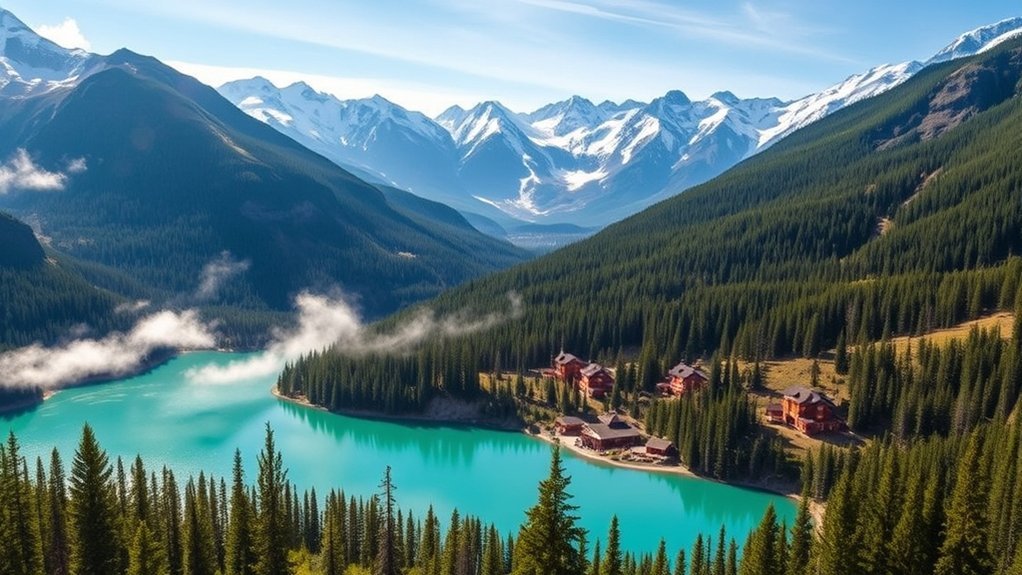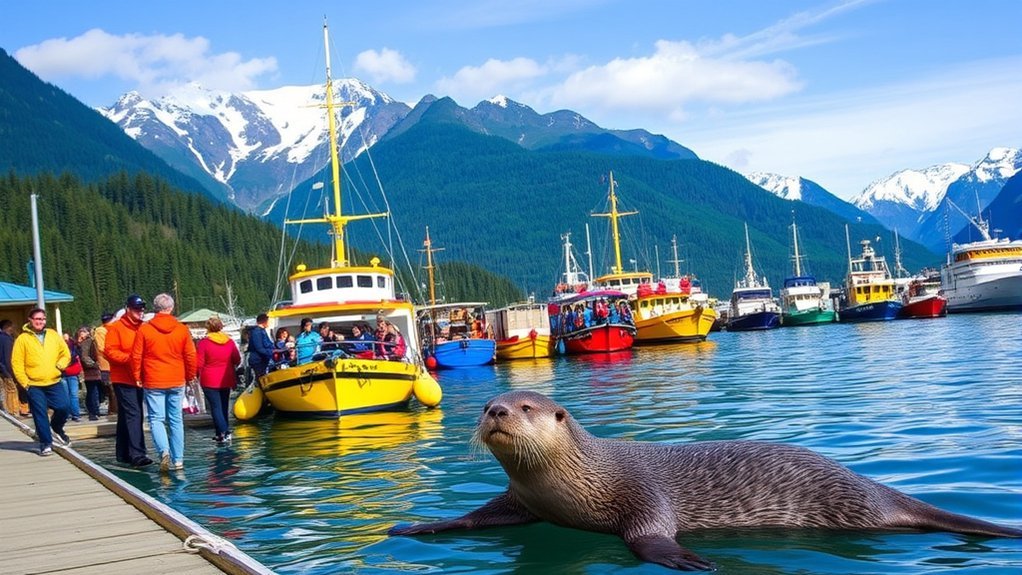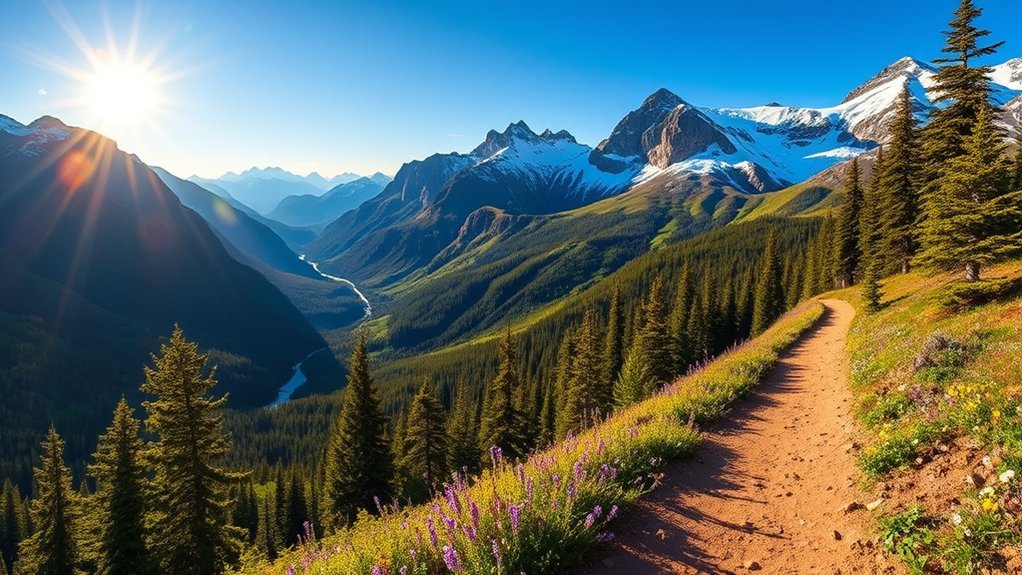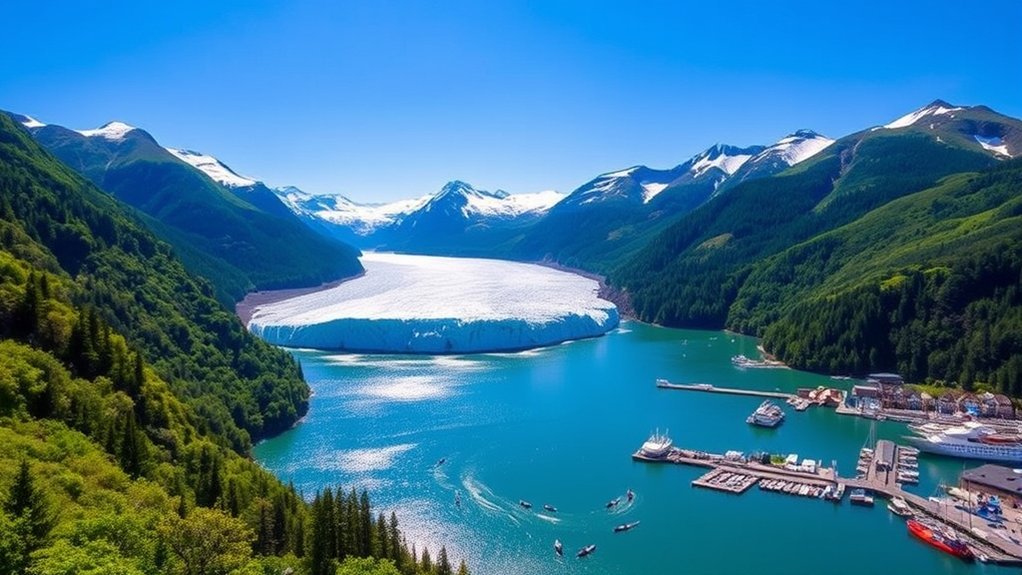
Juneau may be remote, but Alaska’s capital packs glaciers, wildlife, museums, historic streets, rainforest trails, cultural experiences, and memorable day trips into one remarkable destination. Whether you have a single cruise-port day or several days to explore, these 15 things to do in Juneau combine the city’s best-known sights with experiences that reveal its history, landscape, and culture.
Quick Answer
The best things to do in Juneau include seeing Mendenhall Glacier, whale watching, exploring Tracy Arm or another nearby glacial fjord, hiking Mount Roberts, visiting the Alaska State Museum, exploring downtown, trying local seafood, and learning about Juneau’s Tlingit and gold-mining heritage.
Key Takeaways
- Mendenhall Glacier, whale watching, and a glacial-fjord cruise are among Juneau’s signature outdoor experiences.
- Many glacier, dog-sledding, whale-watching, and fjord excursions are seasonal and weather-dependent, so reservations and same-day status checks matter.
- Downtown museums and cultural sites add important context about Alaska Native cultures, Juneau’s mining history, and the city’s development.
- Juneau is cool and often wet even in summer. Bring layers and a waterproof outer layer.
- Operating conditions can change quickly. Check official attraction, Forest Service, transit, and tour-operator information before heading out.
Plan Before You Go
Juneau rewards flexible planning. Summer is the busiest visitor season, and popular whale-watching, glacier, dog-sledding, and fjord tours can sell out. Weather also affects helicopters, boats, hiking conditions, and some attractions.
For current weather and climate information, check the National Weather Service Juneau office. Typical summer daytime highs are in the low-to-mid 60s, but cool rain, wind, and warmer spells are all possible.
Note: Juneau attractions can experience temporary closures or schedule changes. Check official operating information on the day of your visit, especially for Mendenhall Glacier, hiking trails, the Goldbelt Tram, helicopter tours, and boat excursions.
Pro Tip: If you arrive by cruise ship, work backward from your ship’s all-aboard time. Allow extra time for transportation, tour delays, weather changes, and walking back to the dock.
Explore Mendenhall Glacier
Mendenhall Glacier is one of Juneau’s best-known natural attractions. The glacier, Mendenhall Lake, surrounding rainforest, waterfalls, and trails form part of the Mendenhall Glacier Recreation Area in the Tongass National Forest.
The Mendenhall Glacier Visitor Center provides glacier views, interpretive information, and access to several nearby trails. One of the most popular walks is the relatively easy route to Nugget Falls, where a large waterfall enters Mendenhall Lake.
You may also see bald eagles, porcupines, beavers, spawning salmon, waterfowl, or black bears in the broader recreation area depending on season and luck. Wildlife sightings are never guaranteed, and visitors should follow posted wildlife guidance and keep a safe distance.
Regular Capital Transit service can help you reach the Mendenhall Valley, but it does not deliver passengers directly to the visitor-center entrance. Visitors using the city bus should expect a substantial additional walk. Taxis, rental cars, shuttles, and permitted tours are other options.
Warning: Mendenhall Lake and River can be affected by glacial lake outburst flooding, and trails, roads, or facilities can close temporarily. Check current U.S. Forest Service and City and Borough of Juneau notices before visiting and never enter a closed area.
Visit the Alaska State Museum
The Alaska State Museum is one of the best indoor stops in Juneau, especially on a rainy day. Its collections explore Alaska Native cultures, state history, art, natural history, Russian-era influences, and later periods of Alaska’s development.
The museum’s collection has grown to about 27,000 objects. Highlights vary as exhibitions rotate, but visitors can expect material connected to Alaska Native communities, historical objects, artwork, and resources that help explain the state’s diverse regions and people.
- Alaska Native collections: Explore art, material culture, clothing, tools, and other objects representing Indigenous communities across Alaska.
- Historical exhibits: Learn about major periods in Alaska’s development, including Russian America, territorial history, transportation, industry, and statehood.
- Art and natural history: See works and specimens that connect Alaska’s people with its landscapes and wildlife.
- Educational resources: Exhibits and museum programs provide useful context for many of the places you may encounter elsewhere in Juneau.
Because hours, admission, and exhibitions can change, check the museum’s official website before your visit.
Take a Whale Watching Tour
Whale watching is one of Juneau’s signature wildlife experiences. Humpback whales return in large numbers to Southeast Alaska’s productive coastal waters, and Travel Juneau identifies roughly April through November as the main period for humpback viewing.
Tours typically travel from the Juneau area into nearby channels and feeding grounds. You may see whales surfacing, diving, showing their flukes, or occasionally breaching. Bubble-net feeding is another possible sight, but no specific behavior should be expected on every trip.
Orcas also travel through Southeast Alaska, but they are more unpredictable than humpbacks and should be treated as a bonus rather than a guaranteed sighting. Depending on the trip, you may also encounter sea lions, seals, porpoises, and bald eagles.
Boat size varies from small vessels to larger catamarans. When choosing a tour, compare trip duration, passenger capacity, viewing areas, accessibility, transportation, cancellation terms, and your ship schedule if you are visiting on a cruise.
Hike Mount Roberts
Mount Roberts rises directly above downtown Juneau and gives hikers a convenient way to experience the city’s temperate rainforest and higher-elevation scenery. Trails can be steep, wet, muddy, or slippery, so footwear with good traction is useful even on a seemingly pleasant day.
Scenic Trail Highlights
The Mount Roberts area changes noticeably as you gain elevation. Lower sections pass through forest, while higher terrain opens toward subalpine vegetation and broader views when clouds cooperate.
- City and channel views: Clearings and viewpoints can reveal downtown Juneau, Douglas Island, Gastineau Channel, and surrounding mountains.
- Temperate rainforest: Mosses, ferns, dense vegetation, and large trees characterize the lower slopes.
- Wildflowers: Seasonal flowers become more noticeable in open areas during summer.
- Connections near the tram area: The upper mountain has a network of walking and hiking routes associated with the Goldbelt Tram area, although tram access depends on current operating status.
Wildlife Viewing Opportunities
Mount Roberts supports a variety of Southeast Alaska wildlife, but sightings should be considered possible rather than expected. Bald eagles and other birds may be seen, and black bears can occur in Juneau’s forests.
Stay alert, do not approach wildlife, and follow posted bear-safety and trail guidance. Avoid relying on wildlife encounters as the main reason for choosing a specific trail.
Discover Tracy Arm Fjord
Tracy Arm Fjord is a dramatic glacial fjord roughly 45 miles south of Juneau. The fjord extends for about 30 miles through steep mountains, waterfalls, floating ice, and the Tracy Arm-Fords Terror Wilderness.
- Sawyer Glaciers: Tracy Arm leads toward North and South Sawyer Glaciers, although ice and weather affect how closely vessels can approach.
- Wildlife: Seals, whales, eagles, mountain goats, and other wildlife may be seen along the journey.
- Waterfalls and cliffs: Sheer rock walls and numerous waterfalls create much of the fjord’s visual impact.
- Full-day experience: Excursions from Juneau can consume much of a day, so check duration carefully before booking.
Boat routes can change because of ice, weather, marine conditions, and operator schedules. Some Juneau excursions visit nearby Endicott Arm and Dawes Glacier instead of Tracy Arm, so confirm the exact fjord and glacier included in your booking.
Stroll Through Downtown Juneau
Downtown Juneau combines government buildings, Gold Rush-era architecture, shops, public art, restaurants, waterfront views, and cultural institutions in a compact area that is easy to explore on foot.
Stops can include the Alaska State Capitol, historic South Franklin Street, the Red Dog Saloon, local galleries, and the waterfront. For a deeper understanding of the region’s Indigenous heritage, consider visiting the Sealaska Heritage Institute and Walter Soboleff Building.
Rather than treating downtown only as a souvenir district, take time to look for interpretive signs, historic buildings, public artwork, and locally owned businesses. The city’s streets reveal the overlapping stories of the Áak’w Ḵwáan and T’aaḵu Ḵwáan, mining, maritime trade, territorial government, tourism, and modern Alaska.
Experience the Juneau-Douglas City Museum
The Juneau-Douglas City Museum focuses closely on the history and culture of the Juneau and Douglas area. It is a useful complement to the statewide perspective of the Alaska State Museum.
Local History Exhibits
The museum helps explain how mining, local communities, geography, politics, and culture shaped Juneau. Depending on current exhibitions, topics may include:
- Mining history: Learn how gold discoveries and industrial mining influenced Juneau’s early growth.
- Indigenous history and culture: Explore the deeper history of the region and its Native communities.
- Historic photographs and objects: See visual and material records of the city’s development.
- Changing city landscape: Discover how geography, development, transportation, and industry influenced modern Juneau.
Interactive Learning Opportunities
The museum offers changing exhibits, educational programs, and special activities rather than one fixed set of interactive attractions. It also organizes selected walking tours and public programs during the year.
For July through September 2026, the City and Borough of Juneau lists museum hours as Wednesday through Saturday, 11 a.m. to 4:30 p.m. Because hours and programs can change seasonally, verify them before visiting.
Go Dog Sledding
Dog sledding gives visitors a taste of one of Alaska’s most famous transportation and racing traditions. In Juneau, the classic summer snow experience usually combines a helicopter flight to the Juneau Icefield with time at a glacier dog camp.
- Meet the dogs: Operators may introduce guests to working sled dogs and explain how teams are trained and cared for.
- Learn from mushers: Guides can explain commands, equipment, racing traditions, and life at a remote dog camp.
- Ride on snow: Glacier-based camps allow summer visitors to experience sled travel on snow rather than wheeled carts.
- See the icefield from the air: The helicopter journey is a major part of many Juneau dog-sled excursions.
These tours are expensive compared with many land-based attractions and are especially sensitive to cloud ceilings, wind, visibility, and glacier conditions. Weather cancellations are possible, so understand the operator’s refund or rebooking policy before purchasing.
Ride the Goldbelt Tram When Operating
The attraction long known as the Mount Roberts Tramway is now branded the Goldbelt Tram. Under normal operations, its aerial cabins climb from the downtown cruise-ship area to the Mountain House at roughly 1,800 feet, opening access to viewpoints, trails, dining, shopping, and cultural experiences.
Current Status: As of August 16, 2026, Goldbelt Tram says tram operations are temporarily closed while assessments continue. The lower-terminal experience remains available. Check the official Goldbelt Tram update before making plans.
Scenic Views Await You
When tram operations are available, the ascent offers broad views over downtown Juneau, Gastineau Channel, Douglas Island, and surrounding mountains. Conditions can shift rapidly, and low clouds may hide some of the higher views.
- Mountain scenery: The upper terminal places visitors high above downtown with views across surrounding ridges.
- Temperate rainforest: The cabins rise through forest before reaching higher-elevation terrain.
- Gastineau Channel: Cruise ships, boats, Douglas Island, and the channel form much of the view below.
- Seasonal vegetation: Summer brings green slopes and wildflowers to open areas along the mountain.
Wildlife Spotting Opportunities
Birds and other wildlife occur on Mount Roberts, but spotting a bear, deer, or another large animal from the tram should never be treated as part of the guaranteed experience. Enjoy any wildlife encounter from a safe distance and follow staff guidance.
Hiking Trails Accessed
Under normal operations, the upper tram area connects visitors with a network of walking and hiking routes. Options range from easier loops near the Mountain House to steeper routes continuing farther up Mount Roberts.
- Short walks near the Mountain House: Good for visitors who want scenery without committing to a long hike.
- Totem Loop area: Goldbelt uses this route for some of its guided trail experiences.
- Higher Mount Roberts routes: More demanding trails climb into subalpine terrain and require additional time and appropriate footwear.
- Observation areas: Established viewpoints near the upper facilities allow visitors to enjoy the scenery without a long hike.
Trail conditions can include mud, roots, snow, ice, steep ground, and changing weather. Check current status before setting out.
Visit Gold Creek and Silver Bow Basin
Gold Creek and Silver Bow Basin combine Juneau’s natural scenery with traces of its hard-rock mining history. Basin Road leads toward a landscape of forest, rushing water, historic mining sites, and trail access close to downtown.
Rather than expecting a preserved open-air mining park everywhere you look, pay attention to interpretive material and surviving industrial features that explain how dramatically mining reshaped the valley. The area also provides access toward the Perseverance Trail system.
Conditions can be wet, and historic structures or equipment should be viewed without climbing on them. The creek, vegetation, mountains, and remnants of mining infrastructure make this an especially interesting area for travelers who enjoy both history and walking.
Explore Glacier Gardens Rainforest Adventure
Glacier Gardens Rainforest Adventure offers a different side of Juneau: a landscaped botanical attraction set within the Tongass rainforest.
Unique Botanical Experience
The gardens combine native rainforest vegetation with designed displays and the attraction’s distinctive upside-down “Flower Towers.” During a visit, you can expect:
- Landscaped gardens: Seasonal flowers and designed plant displays add color to the surrounding forest.
- Flower Towers: Fallen trees are creatively repurposed into large inverted planters.
- Rainforest setting: Mosses, trees, ferns, and dense vegetation create a distinctly Southeast Alaska environment.
- Guided interpretation: Guides explain the gardens, rainforest, and surrounding landscape during the tour.
Scenic Rainforest Vehicle Ride
The attraction does not use an aerial tramway. Its Rainforest Adventure is conducted in covered, open-air vehicles, described by Glacier Gardens as 18-passenger golf carts, along a scenic route through the property.
The guided ride follows roughly two miles of rainforest road and climbs toward viewpoints above Juneau. Weather affects visibility, but on a clear day the higher sections can provide broad views over the surrounding area.
Take a Scenic Cruise
A scenic cruise is an excellent way to understand why Juneau’s landscape is so closely tied to water. Depending on the excursion, you may travel through channels, bays, glacial fjords, or wildlife habitat while viewing mountains and waterfalls from sea level.
- Glacial scenery: Some cruises travel toward tidewater glaciers, where floating ice and occasional calving may be visible.
- Wildlife possibilities: Humpbacks, seals, sea lions, porpoises, eagles, and other wildlife may appear, depending on route and season.
- Islands and channels: Southeast Alaska’s complex coastline creates constantly changing views.
- Long summer evenings: Extended daylight can provide beautiful late-day scenery when weather cooperates.
Do not assume every “scenic cruise” includes a glacier or whale-watching guarantee. Compare the advertised route, duration, vessel, wildlife policy, food, accessibility, and cancellation terms before booking.
Enjoy the Local Cuisine
After a day outside, Juneau’s restaurants offer plenty of ways to explore Alaska through food. Seafood is the obvious starting point, with salmon and halibut appearing frequently on local menus. Crab, rockfish, and other seafood may also be available depending on the restaurant and season.
Alaska-style reindeer sausage is another item visitors may encounter. For drinks, Juneau has local craft-beer options, while bakeries and dessert menus sometimes feature berries associated with Alaska and the Pacific Northwest.
Instead of assuming every “Alaskan” menu item was harvested locally, ask the restaurant about sourcing if that matters to you. Waterfront and downtown restaurants can become busy when several cruise ships are in port, so reservations or off-peak dining can help.
Visit the Last Chance Mining Museum
The Last Chance Mining Museum preserves an important part of Juneau’s industrial mining story. Operated by the Gastineau Channel Historical Society, it occupies the former Alaska-Juneau Gold Mining Company compressor building in Last Chance Basin.
- Historic machinery: See large-scale equipment connected with Juneau’s hard-rock mining industry.
- Mining artifacts: Tools, rail equipment, historical objects, and exhibits help explain how the mines operated.
- Three-dimensional mine map: One unusual exhibit helps visitors visualize the underground ore body and workings.
- Historic setting: The museum’s Basin Road location connects naturally with Gold Creek and nearby mining landscapes.
For the 2026 summer season, the museum lists regular hours Thursday through Monday from 2 p.m. to 5 p.m., with the season continuing until after Labor Day and a final closing date to be determined. The museum is volunteer-run, so checking current hours before walking out is wise.
Attend a Perseverance Theatre Performance
Perseverance Theatre has been an important part of Alaska’s professional theater community since its founding in Juneau. Its productions include both Alaska-connected work and plays from the wider theatrical canon.
The 2026/27 Juneau season includes Kutulagaaw: The Tlingit-Russian Battles, a production created in partnership with Sealaska Heritage Institute and scheduled for September 11–20, 2026 at Yadaa.at Kalé Juneau-Douglas High School Auditorium. The season also includes Gaslight in early 2027.
Because productions may use different venues and performance dates, check the theater’s current calendar rather than simply arriving at its main facility. A performance can add a valuable cultural dimension to a trip dominated by glaciers and outdoor excursions.
Frequently Asked Questions
What is the best time to visit Juneau for outdoor activities?
Late spring through early fall offers the widest selection of hiking, whale-watching, glacier, sightseeing, and boat activities. Summer brings long daylight hours and the most tour options, but rain and cool weather are still common. Some businesses and attractions operate seasonally.
Are there any local events or festivals in June?
Yes, but the calendar changes each year. In 2026, Sealaska Heritage Institute’s Celebration took place June 3–6 in Juneau. June also includes arts, music, gallery, and community events. The Alaska Folk Festival is not a June event; in 2026 it ran April 6–12. Check current Juneau Arts & Humanities Council, Sealaska Heritage Institute, and Travel Juneau calendars before your trip.
What is the average temperature in Juneau during June?
June is cool compared with many U.S. summer destinations. Typical daytime highs are around the low 60s Fahrenheit, while mornings and nights are cooler. Conditions can range from chilly rain to surprisingly warm sunshine, so pack layers and a waterproof outer layer.
Is public transportation available for getting around Juneau?
Yes. Capital Transit operates public buses throughout much of the City and Borough of Juneau. The standard adult one-way fare is currently $2. Routes and seasonal schedules can change, so check the official system before traveling.
Are there guided tours for first-time visitors in Juneau?
Yes. Juneau has guided whale-watching trips, glacier excursions, helicopter tours, dog-sledding experiences, city tours, food tours, hiking trips, kayaking, fjord cruises, and other excursions. Compare duration and transportation carefully if you are visiting during a cruise-port call.
Can I take the city bus directly to the Mendenhall Glacier Visitor Center?
Not directly. Capital Transit can take you into the Mendenhall Valley, but the nearest regular transit stop leaves a significant walk to the visitor-center area. If walking that distance is unsuitable, consider a permitted shuttle or tour, taxi, or rental vehicle.
How much time do I need to see Juneau?
One full day is enough for two or three major experiences, such as Mendenhall Glacier, downtown, and whale watching. Two or three days give you much more flexibility for hiking, museums, weather delays, and a long fjord excursion. Full-day Tracy Arm or Endicott Arm trips can use most of one day by themselves.
Sources
- U.S. Forest Service — Mendenhall Glacier Visitor Center — visitor-center access, trails, fees, wildlife, hours, and recreation-area information.
- Travel Juneau — Top Attractions — Juneau attraction, Tracy Arm, whale-watching, hiking, and trip-planning information.
- Alaska State Museums — Alaska State Museum collections, exhibitions, visitor information, and museum history.
- Capital Transit — current public transportation, fares, routes, schedules, and Mendenhall-area transportation guidance.
- Goldbelt Tram — current tram operating status and visitor updates.
- Glacier Gardens Rainforest Adventure — official information about the gardens and guided rainforest vehicle tours.