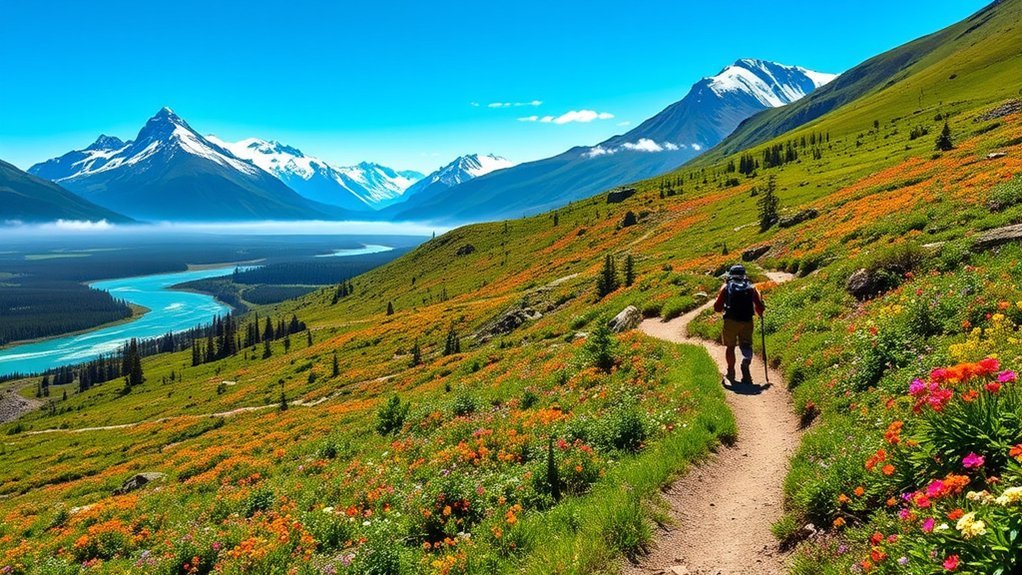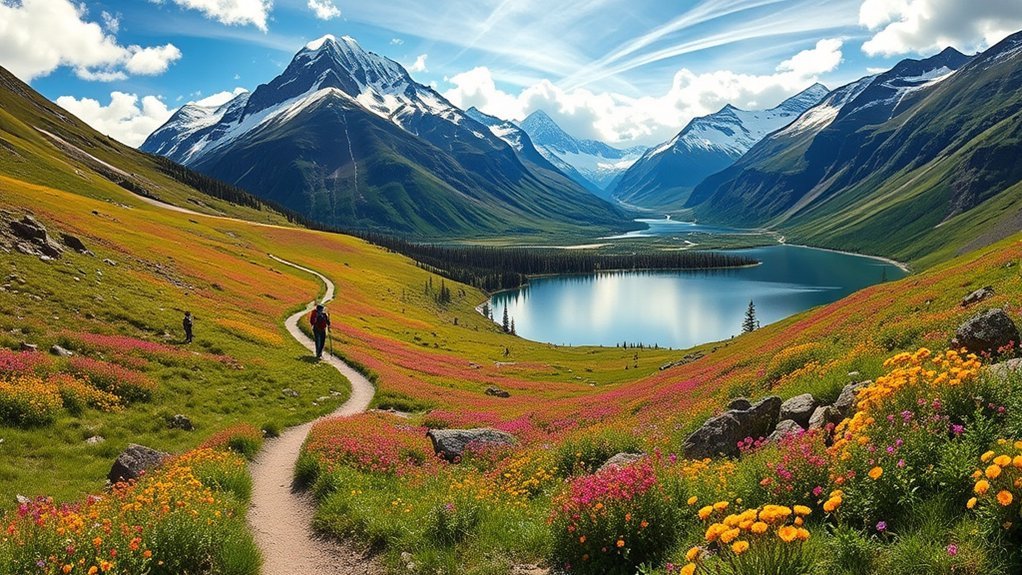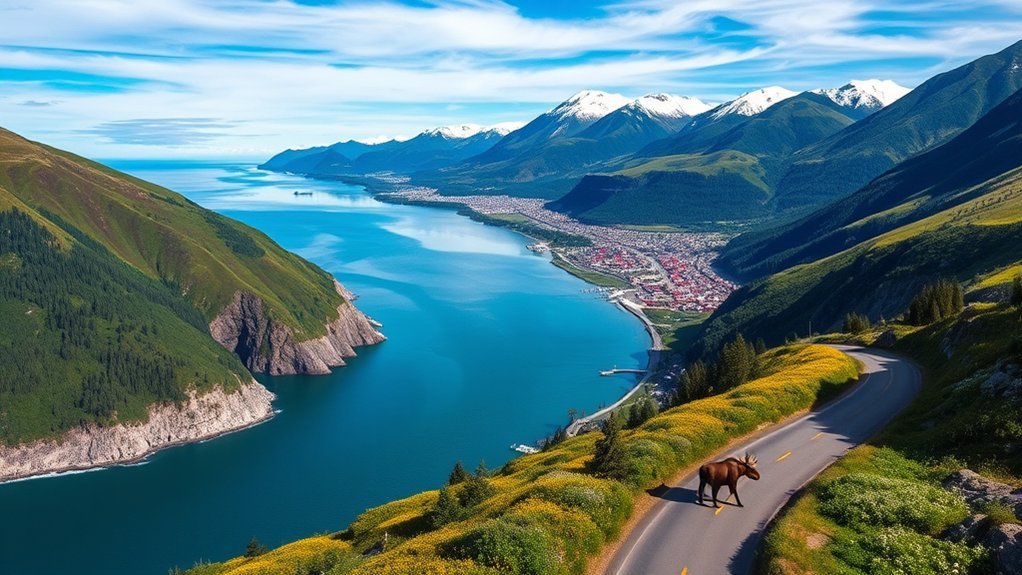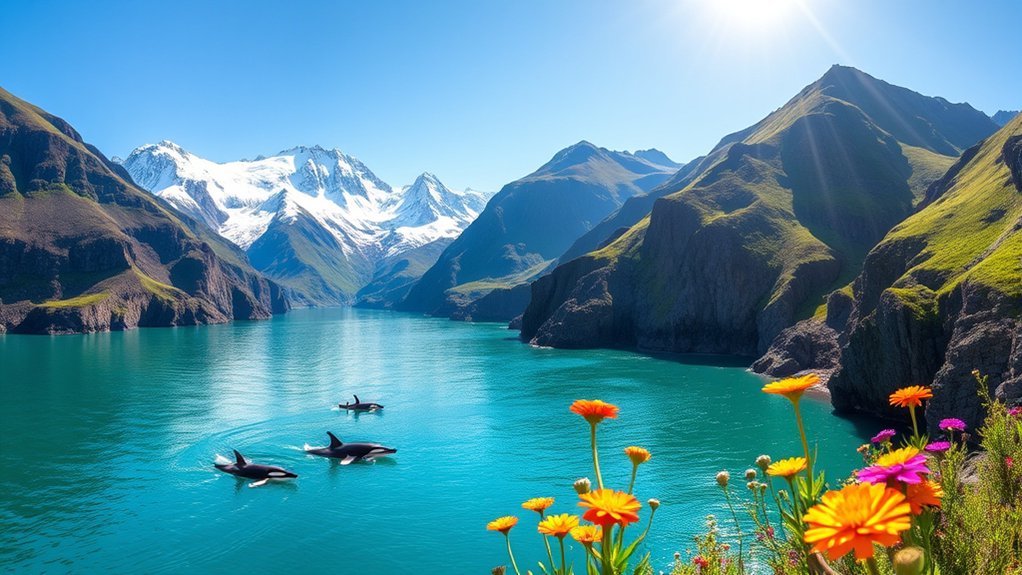
Seward, Alaska, serves as the premier gateway to coastal wilderness on the Kenai Peninsula. Situated at the head of Resurrection Bay, this historic port town bridges towering marine fjords, massive tidewater glaciers, and rugged subarctic mountain ranges. Whether you are navigating Kenai Fjords National Park by boat, trekking across alpine ridges along the Harding Icefield Trail, or casting for silver salmon in deep coastal waters, Seward delivers accessible Alaskan wilderness paired with a rich maritime heritage.
Quick Answer
The top things to do in Seward, Alaska, include booking a Kenai Fjords wildlife and glacier cruise, hiking the Exit Glacier and Harding Icefield trails, exploring marine wildlife at the Alaska SeaLife Center, sea kayaking at Lowell Point, and riding the scenic Alaska Railroad Coastal Classic train.
Key Takeaways
- Peak Season: The best window to visit Seward is from late May through mid-September when tour boats, train routes, and hiking trails are fully operational.
- Wildlife Highlights: Summer visitors frequently encounter humpback whales, orcas, sea otters, Steller sea lions, puffins, and bald eagles.
- Glacier Access: Exit Glacier is the only part of Kenai Fjords National Park accessible by road, making it the top destination for self-guided day hikes.
- Transportation: Seward connects to Anchorage via the scenic Seward Highway (All-American Road) and the daily Alaska Railroad Coastal Classic route.
Explore Kenai Fjords National Park
Covering over 600,000 acres, Kenai Fjords National Park protects a dramatic coastal landscape carved by ancient ice. The park is crowned by the Harding Icefield, a massive expanse of ice generating more than 35 named glaciers that spill down rugged mountain valleys into pristine saltwater fjords.
Because the vast majority of the park is inaccessible by car, visitors explore the region through two primary methods: driving to the Exit Glacier area for front-country hiking, or boarding marine catamarans from Seward Harbor to explore deep outer fjords like Aialik Bay and Northwestern Fjord. Along the outer coast, active tidewater glaciers regularly calve massive chunks of ice into the sea while marine mammals congregate along protected rocky shorelines.
Take a Kenai Fjords Wildlife and Glacier Cruise
Full-day and half-day boat excursions departing from Seward’s small boat harbor offer direct access to Alaska’s marine wildlife and active calving glaciers. Major operators such as Kenai Fjords Tours and Major Marine Tours navigate customized catamarans through Resurrection Bay into the open waters of the Gulf of Alaska and protected national park fjords.
Key Marine Wildlife Sightings
The nutrient-rich waters surrounding Seward sustain an extraordinary concentration of marine life. During summer months, day cruises routinely encounter resident and transient pods of killer whales (orcas) alongside migrating humpback whales bubble-net feeding on schooling fish.
Rookeries along the Chiswell Islands and Spire Cove host thousands of nesting seabirds, including horned and tufted puffins, common murres, and black-legged kittiwakes. Near shallow kelp beds, sea otters float in rafts, while harbor seals haul out on floating glacial icebergs to rest away from predators.
Tidewater Glaciers and Coastal Fjords
Venturing beyond Resurrection Bay into Aialik Bay or Northwestern Fjord brings vessels within safe viewing distance of towering tidewater glaciers. The sheer faces of Holgate Glacier and Aialik Glacier rise hundreds of feet above the waterline. As warming daytime temperatures cause internal pressure shifts, visitors witness “white thunder”—the resounding boom of massive ice blocks breaking free and crashing into the sea.
Cruise Options and Seasonal Timelines
Choosing the right cruise duration depends on your travel goals, weather tolerance, and desired balance between wildlife spotting and glacier viewing.
| Cruise Type | Primary Sights | Best Operating Window | Typical Duration |
|---|---|---|---|
| National Park Full-Day | Aialik or Holgate Glacier, Humpbacks, Orcas, Puffins | June – August | 6 – 7.5 Hours |
| Northwestern Fjord Tour | Remote tidewater glaciers, harbor seals on ice, seabirds | June – Mid-August | 8 – 8.5 Hours |
| Resurrection Bay Tour | Protected waters, Sea Otters, Sea Lions, Bear Glacier spit | May – September | 3.5 – 5 Hours |
| Spring Whale Watch | Gray whale migration, Steller sea lion colonies | Mid-April – Mid-May | 4 Hours |
Pro Tip: If you are prone to motion sickness, take preventive medication prior to departure. Outer fjord cruises cross open ocean swells at Cape Resurrection and the Aialik Peninsula where wave action is significantly stronger than inside Resurrection Bay.
Visit the Alaska SeaLife Center
Located at the southern end of Seward’s historic downtown, the Alaska SeaLife Center is Alaska’s only public aquarium and dedicated cold-water marine research and rehabilitation facility. Built with restitution funds following the 1989 Exxon Valdez oil spill, the center plays a vital role in marine wildlife preservation across the state.
Visitors can view underwater viewing tanks featuring harbor seals, spotted seals, and diving sea birds such as tufted puffins. The facility also features interactive touch tanks with local invertebrates, educational displays on Gulf of Alaska ecosystem research, and viewing windows into the active animal rehabilitation clinic.
Hike Exit Glacier and the Harding Icefield
Located just 12 miles north of downtown Seward, the Exit Glacier Area provides pedestrian access to a receding valley glacier. Maintained by the National Park Service, this road-accessible sector includes well-marked trails designed for varying fitness levels.
Exit Glacier Trail Network and Routes
- Glacier View Loop Trail (Easy / Accessible): A paved 1-mile loop through cottonwood forest that leads to clear viewpoints of the glacier terminus. Suitable for strollers and wheelchairs.
- Edge of the Glacier Trail (Moderate): A 1.2-mile round-trip trail branching from the lower loop over rocky terrain to reach the glacier’s raw terminal moraine.
- Harding Icefield Trail (Strenuous): An intensive 8.2-mile round-trip hike ascending roughly 3,500 feet of elevation alongside the glacier. The trail climbs through alder forests and subalpine meadows before terminating at a sweeping overlook of the 700-square-mile icefield.
Warning: Always stay on marked trails near Exit Glacier. Glacial ice is unpredictable; sudden calving, deep crevasses, and falling rock hazards present serious dangers to hikers attempting to cross barriers.
Scenic Viewpoints and Trailside Milestones
Along the lower trails, hikers pass historical markers indicating the glacier terminus position recorded across past decades, providing a clear visual record of glacial retreat. Higher up along the Harding Icefield Trail, stops at Marmot Meadows and Top of the Cliffs offer expansive vistas across the valley floor and Resurrection River drainage.
Exit Glacier Nature Center
Before beginning your trek, stop at the Exit Glacier Nature Center to review daily ranger reports, trail conditions, and recent wildlife sightings. The center offers interpretive displays on glacial geology and hosts ranger-led walks twice daily during peak summer months.
Enjoy Seward’s Historic Downtown and Murals
Seward’s historic core along 3rd and 4th Avenues features turn-of-the-century architecture dating back to its founding as a railroad port in 1903. Known officially as the “Mural Capital of Alaska,” the downtown area displays more than 30 large-scale, hand-painted murals created by local artists depicting historical events, native heritage, and local ecology.
The district is filled with local bakeries, independent coffee roasters, outdoor gear shops, and artisanal craft galleries. Walking south leads directly to the original Iditarod National Historic Trail Mile 0 monument along the shoreline.
Go Fishing in Resurrection Bay
Seward is one of Alaska’s most active saltwater sportfishing ports, offering charters targeting Pacific halibut, rockfish, lingcod, and migrating Pacific salmon. Fishing charters operate daily from early May through late September out of Seward Harbor.
Prime Fishing Seasons and Species Runs
- Pacific Halibut (May – September): Deep-water bottom fishing near outer reefs and island trenches produces halibut ranging from 20 to over 100 pounds.
- King Salmon / Chinook (May – June): Feeder and spawning run kings are targeted by trolling in deep bay channels.
- Silver Salmon / Coho (July – September): Fast-paced surface action occurs inside Resurrection Bay and around coastal points as silver salmon return in vast numbers.
- Lingcod & Pelagic Rockfish (July – August): Bottom structures along the outer capes provide excellent opportunities for aggressive lingcod (open season begins July 1) and black rockfish.
Note: Saltwater anglers require a valid Alaska sport fishing license and a king salmon stamp if targeting Chinook salmon. Verify current bag limits and retention dates with the Alaska Department of Fish and Game.
Participate in Seward’s Renowned Fishing Derbies
Every summer, Seward hosts competitive fishing events that draw anglers from around the world. The historic Seward Silver Salmon Derby, held annually since 1956 during mid-August, is one of the oldest and largest derbies in the Pacific Northwest, awarding substantial cash prizes for tagged fish and the heaviest coho catches.
Charter operators also participate in summer-long halibut tournament derbies, where purchasing a daily ticket allows anglers to compete for prizes tied to massive trophy flatfish.
Experience Alaskan Dog Sledding
Seward offers two distinct ways to experience Alaska’s official state sport: summer glacier dog sledding and dryland kennel tours.
Glacier tours depart via helicopter from Seward Airport, flying over rugged peaks to Godwin Glacier or Punchbowl Glacier. Guests land at elevated alpine snow camps where Iditarod veteran sled dog teams pull guests on snow sleds across packed snowfields. Alternatively, kennel tours near Exit Glacier (such as Mitch Seavey’s IdidaRide) offer wheeled-cart mushing rides through coastal spruce forests alongside educational presentations on racing sled dogs.
Discover Seward Waterfront Park
Seward Waterfront Park stretches along the shoreline of Resurrection Bay between downtown and the small boat harbor. This scenic green space features paved walking and cycling paths, historical monuments, public picnic areas, and shoreline tent/RV campgrounds managed by the city.
The beachfront is a prime spot for observing sea otters feeding close to shore and watching bald eagles perch atop harbor pilings. It also provides unobstructed panoramic views of Mount Alice and the steep mountains framing the eastern wall of the bay.
Ride the Alaska Railroad Coastal Classic
The Alaska Railroad Coastal Classic is widely regarded as one of the most scenic passenger rail journeys in North America. Operating daily from mid-May to mid-September, the train links Anchorage and Seward along an expansive 4.5-hour route.
Scenic Highlights Along Grandview Pass
The rail line hugs the shoreline of Turnagain Arm before heading deep into the backcountry of the Kenai Mountains. Passengers pass through Placer River valley, winding over the steep grades of Grandview Pass and past hanging alpine glaciers like Spencer Glacier and Bartlett Glacier that are completely inaccessible by road.
Historical Significance of the Route
Constructed in the early 20th century, the railway was engineered to connect Alaska’s ice-free southern coast at Seward to the interior goldfields and the Matanuska agricultural valley. Traveling the tracks offers a direct perspective on the immense engineering challenges required to carve tunnels and bridges through coastal mountain passes.
Onboard Amenities and Dome Car Service
Passengers can choose between standard Adventure Class or upgraded GoldStar Service. GoldStar seating features upper-level glass-dome viewing windows, an outdoor open-air viewing platform, and an onboard dining room serving meals prepared with regional Alaskan ingredients.
Visit the Seward Community Library & Museum
Operated by the Resurrection Bay Historical Society inside a modern municipal facility, the Seward Museum details the city’s role in pioneer history, the 1964 Good Friday Earthquake, and Native Alutiiq (Sugpiaq) culture.
| Exhibit Category | Featured Artifacts & Topics | Visitor Insights |
|---|---|---|
| 1964 Alaska Earthquake | Tsunami survivor accounts, photographic archives, salvage gear | Watch the documentary film presented in the auditorium. |
| Iditarod Trail Heritage | Original dog sled equipment, historic winter trail route maps | Learn why Seward served as the original winter supply port. |
| Native Alutiiq Heritage | Traditional ivory carvings, woven spruce-root baskets, tools | Focuses on Sugpiaq maritime subsistence culture. |
| Alaska State Flag Origin | Benny Benson contest sketches and original memorabilia | Honors the 13-year-old Seward resident who designed the flag in 1927. |
Try Sea Kayaking in Resurrection Bay and Lowell Point
Sea kayaking provides a silent, low-profile way to explore Seward’s coastal coves. Guided excursions launch primarily from Lowell Point, located just south of downtown Seward.
Paddlers navigate along rocky cliffs draped in temperate rainforest, exploring sea caves and paddling past marine life haul-outs. Full-day water-taxi kayak trips allow experienced paddlers to reach remote fjords like Bear Glacier Lagoon, where kayakers glide among massive, maze-like icebergs floating in a calm freshwater lake.
Camp Around Seward and Resurrection Bay
While the vast Kenai National Wildlife Refuge spans western Kenai Peninsula ecosystems, camping immediately surrounding Seward focuses on mountain and waterfront state/national park settings.
Popular options include camping at Seward Waterfront Park right on the shoreline, booking rustic walk-in tent sites at the Exit Glacier Campground inside Kenai Fjords National Park, or utilizing private campgrounds and cabins at Miller’s Landing in Lowell Point.
Hike Mount Marathon and Caines Head
Beyond Exit Glacier, Seward is home to two of Alaska’s most famous hiking challenges:
- Mount Marathon: Towering 3,022 feet directly over town, this mountain is the site of the world-famous Mount Marathon Race held every July 4th. Day hikers can take the challenging Hiker’s Trail or Bowl Trail up to the summit ridge for breathtaking views over Resurrection Bay.
- Caines Head State Recreation Area: A coastal trail starting at Lowell Point leads 4.5 miles along the rocky beach to the remains of Fort McGilvray, a World War II strategic outpost set 650 feet above the ocean. Note: A 2-mile section of the coastal trail can only be hiked at low tide.
Enjoy Local Cuisine at Waterfront Restaurants
Seward’s culinary scene revolves around fresh Gulf of Alaska catches brought straight to the docks. Dining establishments around the boat harbor and along 4th Avenue serve locally harvested seafood, wild game, and regional specialties.
- Alaskan Halibut & Chips: Fresh, beer-battered halibut filets served with house-made tartar sauce.
- Wild Salmon Chowder: Rich, creamy chowder prepared with smoked sockeye or coho salmon and hearty potatoes.
- Alaskan King Crab Legs: Steamed red king crab legs served with drawn butter.
- Berry Desserts: Tarts and crisps made from locally foraged Alaskan wild blueberries, salmonberries, and lingonberries.
Attend the Seward Music and Arts Festival
Held annually in late September or early October at the Alaska Railroad Cruise Ship Terminal, the Seward Music and Arts Festival marks the close of the summer season. The weekend event gathers musicians, performers, regional craft vendors, and local food trucks for a lively community celebration of Alaskan arts and culture.
Frequently Asked Questions
What is the best time of year to visit Seward?
The best time to visit Seward is from late May to early September. During this peak summer period, daily temperatures range from 55°F to 65°F (13°C to 18°C), wildlife tours and train services run daily schedules, and hiking trails like the Harding Icefield are generally snow-free.
Are there guided tours available in Seward?
Yes, Seward offers a wide variety of guided tours. Popular options include full-day national park boat cruises, guided sea kayaking trips at Lowell Point, helicopter glacier dog sledding excursions, charter fishing trips, and ranger-led walks at Exit Glacier.
Is Seward accessible by road or only by boat?
Seward is fully accessible by road. It sits at the southern terminus of the Seward Highway (Alaska Route 9 / National Scenic Byway), roughly a 2.5-hour drive (127 miles) south of Anchorage. You can also reach Seward via the Alaska Railroad or scheduled regional bus transfers.
What accommodations are recommended for tourists in Seward?
Seward provides accommodations for every travel style, including harbor-front hotels, downtown bed and breakfasts, self-contained coastal cabins at Lowell Point, and scenic city-run campgrounds along Waterfront Park. Book several months in advance for peak summer travel.
Can I see the northern lights from Seward?
While the aurora borealis can occasionally be seen from Seward between September and April during periods of strong solar activity, Seward’s coastal maritime climate brings frequent cloud cover and precipitation. For dedicated aurora viewing, inland destinations like Fairbanks offer significantly clearer skies and higher success rates.
Conclusion
Seward combines quintessential Alaskan wilderness adventures with convenient accessibility. From the deep fjords of Kenai Fjords National Park and the ice trails of Exit Glacier to world-class fishing derbies and cultural landmarks, this coastal port offers an exceptional base for exploring the Kenai Peninsula. Plan ahead, pack moisture-wicking layers for dynamic coastal weather, and prepare to experience one of the most scenic destinations in Alaska.
Sources
- National Park Service: Kenai Fjords National Park — Official park trail guides, Exit Glacier status, and ecological data.
- Alaska SeaLife Center — Marine research projects, rescue program information, and visitor exhibits.
- Alaska Railroad — Coastal Classic train schedules, route elevations, and ticketing.
- Alaska Department of Fish and Game — Resurrection Bay sport fishing regulations, run timing, and licensing.
- Alaska Department of Natural Resources: Caines Head State Recreation Area — Coastal trail tide requirements and historic site details.