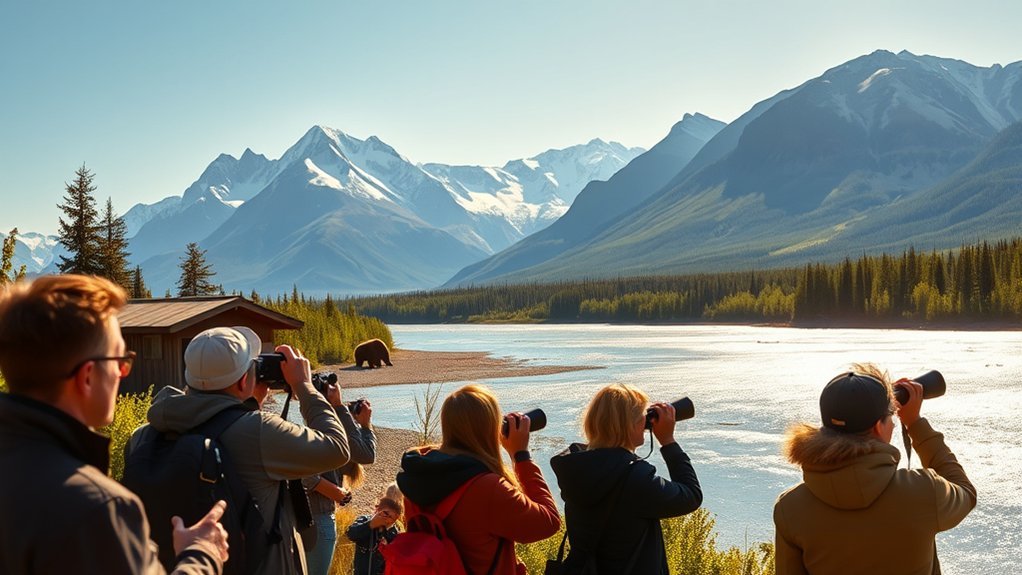
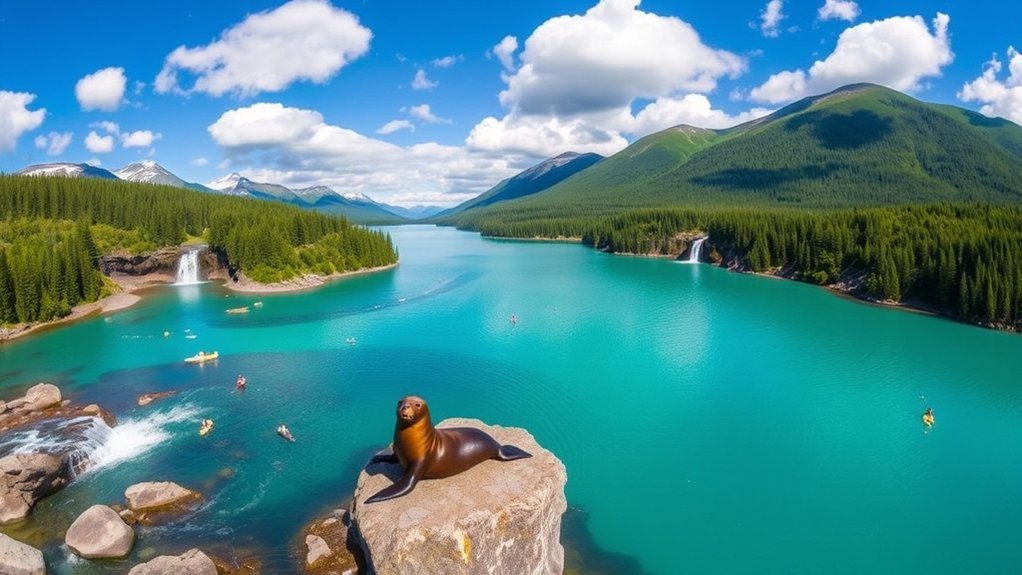
Sitka, Alaska, located on the outer coast of Baranof Island within the Tongass National Forest, blends Tlingit Indigenous heritage, Russian colonial architecture, and dramatic coastal wilderness. Accessible only by air or sea via the Alaska Marine Highway and cruise ships, Sitka offers travelers immediate access to temperate rainforest trails, historic totem parks, world-class marine wildlife charters, and wildlife rehabilitation sanctuaries.
Quick Answer
The top things to do in Sitka include walking the Totem Trail at Sitka National Historical Park, viewing recovering bald eagles at the Alaska Raptor Center, visiting rescued brown bears at Fortress of the Bear, exploring Russian-American architecture at St. Michael’s Cathedral, and taking a marine wildlife charter into Sitka Sound to spot humpback whales, sea otters, and puffins.
Key Takeaways
- Compact Downtown: Most central sights—such as St. Michael’s Cathedral, the Sheldon Jackson Museum, and the Russian Bishop’s House—are within comfortable walking distance of Crescent Harbor.
- Wildlife Hotspots: Head to the Alaska Raptor Center and Fortress of the Bear for guaranteed up-close native wildlife education.
- Cultural Preservation: Explore 19th-century Tlingit and Haida totem poles along the coastal rainforest path at Sitka National Historical Park.
- Outdoor Preparation: Sitka receives over 130 inches of annual precipitation; waterproof outerwear, sturdy boots, and bear spray are mandatory for hiking.
Explore the Sitka National Historical Park
Sitka National Historical Park is Alaska’s oldest federally designated cultural park, preserving the 1804 battle site between invading Russian traders and the Indigenous Kiks.ádi Tlingit clan. The park covers 113 acres of temperate coastal rainforest where Indian River empties into Sitka Sound.
The park’s main visitor center features working master artisan studios where Tlingit, Haida, and Tsimshian carvers, weavers, and beadworkers demonstrate traditional techniques and explain the ancestral stories behind their pieces.
Follow the flat, gravel-paved Totem Trail (1 mile loop), which winds past historic and replica totem poles surrounded by towering Sitka spruce and western hemlock trees. During the late summer months (July through September), the footbridge over Indian River provides prime viewing for thousands of spawning pink and chum salmon.
Pro Tip: Check the park’s daily ranger schedule upon arrival for free guided walking tours that explain the iconography of the totem poles and the military strategy of the 1804 Battle of Sitka.
Visit the Alaska Raptor Center
The Alaska Raptor Center is a non-profit avian rehabilitation facility dedicated to treating injured bald eagles, owls, hawks, and falcons from all across Alaska. Each year, the center treats between 100 and 200 birds of prey with the primary goal of releasing them back into the wild.
Bird Rehabilitation Programs
The facility operates a 20,000-square-foot Flight Training Center where recovering raptors rebuild their flight muscles and re-learn aerodynamic hunting maneuvers in a safe, enclosed habitat. Visitors observe these birds through one-way glass viewing windows to ensure the birds do not habituate to human presence before release.
Educational Exhibits and Tours
Birds that suffer permanent injuries and cannot survive in the wild become permanent “Raptors in Residence.” These non-releasable birds act as ambassadors for conservation education during interpretive presentations throughout the day.
| Experience / Exhibit | Key Highlights | Recommended Time |
|---|---|---|
| Flight Training Center | Observe flight conditioning through one-way glass | 20–30 Minutes |
| Habitat Enclosures | Close encounters with bald eagles, peregrine falcons, and great horned owls | 30–45 Minutes |
| Raptor Presentation | Staff-led educational talks detailing avian biology and rescue cases | 30 Minutes |
Volunteer and Support Opportunities
The facility relies on visitor admissions, gift shop purchases, and symbolic raptor adoptions to fund surgical care, medications, and high-protein food supplies for incoming patients. Seasonal volunteer opportunities and educational internships are available for wildlife rehabilitation students.
Discover the Sheldon Jackson Museum
The Sheldon Jackson Museum, established in 1888, is housed in Alaska’s oldest concrete building and is part of the Alaska State Museum system. It contains one of the most thoroughly documented ethnographic collections in North America.
Unique Artifacts Collection
Unlike modern museums where artifacts are rotated into deep storage, the Sheldon Jackson Museum displays thousands of items systematically in historic wood-and-glass display cases. The collection includes:
- Rare hunting visors and bentwood boxes crafted by Unangax̂ and Alutiiq artisans.
- Waterproof gutskin parkas stitched with sinew and decorated with feather tufts.
- Full-scale skin-on-frame sea kayaks (baidarkas) and dugout canoes.
- Carved ceremonial shaman masks, copper shields, and Chilkat woven textiles.
Cultural Heritage Exhibits
Exhibits are organized across four primary Alaska Native cultural groups: Tlingit/Haida/Tsimshian (Southeast), Inupiaq/Yup’ik (North and Northwest Coast), Athabascan (Interior), and Unangax̂/Alutiiq (Southwest & Aleutian Islands). Interpretive signage outlines regional adaptation, survival tools, and seasonal subsistence patterns.
Educational Programs and Artist Residencies
During the summer visitor season, the museum hosts the Native Artist-in-Residence program. Visitors can watch Native Alaskan artists practice quillwork, wood carving, or spruce-root basketry directly inside the gallery and ask questions about their heritage and craft techniques.
Take a Wildlife Cruise
Sitka Sound sits adjacent to deep Pacific Ocean trenches and nutrient-dense shelf waters, creating an abundant feeding ground for marine mammals and seabirds. Booking a boat tour or small-vessel wildlife charter provides direct access to remote island passages and protected channels.
Common wildlife sightings on Sitka Sound charters include:
- Humpback Whales: Present from May through September, often observed bubble-net feeding in coordinated groups.
- Southern Sea Otters: Rafts of hundreds of otters floating among kelp beds.
- Steller Sea Lions: Hauling out on rocky reefs and navigation buoys.
- Seabirds: Tufted puffins, common murres, and pelagic cormorants nesting along sea cliffs.
“Sitka Sound’s unique geographic position produces high marine biomass, making it one of the most reliable places in Southeast Alaska to observe cooperative whale feeding behavior.”
Hike the Mount Verstovia Trail
The Mount Verstovia Trail, managed by the U.S. Forest Service (Tongass National Forest), is one of the most demanding and rewarding alpine day hikes in Southeast Alaska. The trailhead is located approximately 2 miles east of downtown Sitka along Sawmill Creek Road.
Trail Overview and Difficulty
This trail features sustained, steep elevation gain through dense temperate rainforest, climbing over exposed tree roots, rocky switchbacks, and mud steps.
- Distance: 4.5 miles round-trip to Picnic Rock; 5.0 miles round-trip to the true summit.
- Elevation Gain: 2,550 feet to Picnic Rock (shoulder summit); 3,300 feet to the true Verstovia Peak.
- Trail Rating: Strenuous / Difficult.
- Average Time: 3.5 to 5 hours total.
Warning: Southeast Alaska weather changes rapidly. Summit ridges are prone to sudden fog, high winds, and slippery mud chutes. Carry trekking poles, waterproof gear, high-energy food, and bear deterrent spray.
Scenic Views Along Hike
At 2,550 feet, Picnic Rock emerges above the tree line to deliver sweeping 360-degree views of downtown Sitka, the volcanic cone of Mount Edgecumbe on Kruzof Island, Silver Bay, and the endless island maze of Sitka Sound.
Wildlife Spotting Opportunities
Hikers regularly share the slopes with Sitka black-tailed deer and coastal brown bears (grizzlies). Brown bears forage on berries along lower forest cuts in mid-summer; maintain vocal awareness around blind trail bends to avoid surprising wildlife.
Enjoy the Sitka Sound Science Center
The Sitka Sound Science Center combines field-based ocean research, local education, and public aquaculture. Located on the waterfront near Crescent Harbor, the facility is home to the historic Sheldon Jackson Hatchery and the Molly O. Ahlgren Aquarium.
Inside the aquarium, interactive touch tanks allow visitors to gently handle cold-water intertidal invertebrates, including ochre sea stars, giant sea cucumbers, green sea urchins, and hermit crabs. Outside, the working salmon hatchery features an active fish ladder where visitors can watch coho and pink salmon return from the open ocean to spawn.
Experience the Sea Otter and Wildlife Tour
While general boat tours explore wider waters, dedicated wildlife-watching excursions head directly into the protected passages around Salisbury Sound and Biorka Island, where sea otter populations have rebounded dramatically since commercial protection laws were enacted.
Tours typically utilize high-speed catamarans with wraparound outdoor observation decks and heated interior cabins. On-board naturalists deploy hydrophones (underwater microphones) to broadcast whale vocalizations and explain the symbiotic relationship between kelp forests, sea urchins, and sea otter foraging.
Relax at Sitka’s Beaches
Sitka’s coastline offers rugged, driftwood-lined rocky beaches rather than tropical sandbars, providing prime vantage points for beachcombing, photography, and marine wildlife watching.
Scenic Ocean Views
Top accessible beaches around Sitka include:
- Halibut Point Recreation Site: Located 4.5 miles north of town, offering gravel beach access, covered picnic shelters, and unobstructed views of Mount Edgecumbe across the channel.
- Sandy Beach (Starrigavan Bay): Situated at the northern terminus of Halibut Point Road, featuring wide tidal flats, birding estuaries, and a wheelchair-accessible boardwalk.
- Mosquito Cove Beach: A secluded cove accessible via a 1.5-mile loop trail through old-growth spruce and cedar trees.
Wildlife Watching Opportunities
Low tide exposes rich intertidal zones loaded with colorful anemones, chitons, and kelp crabs. Harbor seals, river otters, and bald eagles are frequently seen along the shoreline hunting for small schooling fish.
Beach Activities and Relaxation
Local beach activities center around beachcombing for volcanic pebbles and sea glass, building shoreline campfires in designated metal fire rings, and launching sea kayaks into calm tidal lagoons.
Tour the Russian Bishop’s House
The Russian Bishop’s House, a unit of the National Park Service, is one of only four surviving examples of Russian colonial log architecture in the Western Hemisphere. Constructed between 1842 and 1843 using heavy Sitka spruce logs, it served as the headquarters and residence of Bishop Innocent (Ivan Veniaminov), a pivotal figure in Russian Orthodox missionary work in Alaska.
The ground floor contains restored administrative offices, classroom displays, and historical exhibits regarding Russian-American Company trade routes. Ranger-led tours of the second floor showcase the preserved private living quarters, chapel, and historic 19th-century religious vestments and hand-painted icons.
Note: Admission to the ground-floor exhibits is free. Access to the second-floor historic quarters requires joining a timed National Park Service ranger tour, which fills quickly on days when cruise ships are in port.
Go Fishing in the Pacific Ocean
Sitka is recognized by the Alaska Department of Fish and Game as one of Southeast Alaska’s premier saltwater sportfishing ports, offering immediate access to outer coastal migration routes.
Prized sport fish species include:
- King Salmon (Chinook): Peak season runs from mid-May through June.
- Silver Salmon (Coho): Aggressive surface feeders running heavily from July through September.
- Pacific Halibut: Massive bottom-dwellers caught along deep submarine banks and gravel flats.
- Lingcod and Pelagic Rockfish: Abundant around outer rocky pinnacles and reef ledges.
Most local charter operators offer full-day trips that include all commercial processing, vacuum-sealing, blast-freezing, and airline-approved insulated shipping boxes so you can bring your catch home safely.
Attend the Sitka Fine Arts Camp
The Sitka Fine Arts Camp is held on the historic Sheldon Jackson College campus, which was designated a National Historic Landmark in 2001. Throughout June and July, the campus hosts nationally recognized faculty and students across creative disciplines including symphonic music, theater, jazz, digital arts, and dance.
Even if you are not enrolled as a student, visitors can purchase tickets to evening concerts, Broadway theatrical productions, jazz ensembles, and faculty master recitals held in the Odess Theater and Allen Hall auditorium.
Explore St. Michael’s Cathedral
Located in the center of downtown Sitka at the intersection of Lincoln and Cathedral Streets, St. Michael the Archangel Cathedral is the historic seat of the Russian Orthodox Diocese of Alaska. The original cathedral was constructed between 1844 and 1848.
After a devastating downtown fire destroyed the structure in January 1966, the local community rallied to salvage priceless 17th- and 18th-century icons, chalices, and the historic iconostasis. The cathedral was meticulously reconstructed using original blueprints and opened in 1976. Visitors can step inside during open public hours to admire the copper domes, silver-gilt icons (including the renowned Sitka Madonna), and traditional cruciform floor plan.
Kayak in the Serene Waters
Paddling a sea kayak through Sitka’s protected barrier islands allows travelers to approach wildlife quietly without engine noise. Protected passages in Sitka Channel, Crescent Bay, and the Magoun Islands State Marine Park provide calm conditions shielded from open Pacific swells.
Outfitters operate guided half-day and full-day paddles departing from downtown docks, providing dry suits, spray skirts, and tandem sea kayaks. Paddlers regularly navigate through kelp beds where harbor seals haul out and sea otters rest with their pups.
Visit Totem Square and Castle Hill
Beyond the national park trails, downtown Sitka preserves historical monuments celebrating the region’s cultural transitions. Totem Square features a prominent replica totem pole, historical cannons, and views of the working harbor.
Directly adjacent stands Baranof Castle State Historic Site, locally known as Castle Hill. A paved, accessible walkway leads to the top of this rocky promontory, which was the historic stronghold of the Kiks.ádi Tlingit clan and later the formal governor’s residence of Russian America. It was on Castle Hill on October 18, 1867, that the formal transfer of Alaska from the Russian Empire to the United States took place.
Take a Scenic Flightseeing Tour
Boarding a floatplane from Sitka Harbor or the seaplane base at Rocky Gutierrez Airport provides aerial views of Southeast Alaska’s rugged topography. Flights bank over Mount Edgecumbe’s dormant crater, turquoise alpine tarns, glacial fjords, and the unbroken temperate rainforest of Baranof and Chichagof Islands.
Some flightseeing tours include remote water landings in hidden fjords or wilderness lakes, allowing visitors to step onto alpine gravel shores accessible only by float-equipped aircraft.
Frequently Asked Questions
What is the best time of year to visit Sitka?
The best time to visit Sitka is between late May and early September. During this summer window, temperatures range from 55°F to 65°F (13°C to 18°C), daylight hours extend up to 18 hours per day, salmon runs are active, and wildlife boat charters and historical museums operate on full daily schedules.
Is there public transportation available in Sitka?
Yes. The City and Borough of Sitka and the Sitka Tribe of Alaska operate The RIDE, a public transit bus system with three primary routes (Blue, Red, and Green lines) connecting downtown with Halibut Point Road and Sawmill Creek Road. Additionally, cruise passengers docking at the Sitka Sound Cruise Terminal (5 miles north of town) receive complimentary shuttle bus transport directly to Crescent Harbor downtown. Taxis are available, while rideshare apps (Uber/Lyft) operate with very limited driver availability.
Are there guided tours available for these attractions?
Yes. You can book marine wildlife cruises, guided kayak tours, guided hikes on Mount Verstovia, and specialized cultural tours led by Indigenous guides. The National Park Service also offers free, ranger-led interpretive walks along the Totem Trail and inside the Russian Bishop’s House.
What are the dining options in Sitka?
Sitka features excellent seafood dining centered on locally caught wild salmon, Pacific halibut, spot prawns, and Dungeness crab. Popular local establishments include fresh fish-and-chip stands along Lincoln Street, waterfront grills near Crescent Harbor, cozy coffee houses, and local bakeries offering Russian-influenced pastries.
Are there accommodations for families in Sitka?
Yes. Downtown harborside hotels, locally owned motels, bed-and-breakfasts, and vacation rental cabins cater to families. Booking several months in advance is critical if visiting during the peak summer fishing and cruise season from June to August.
Conclusion
Sitka offers one of the most distinctive travel experiences in Southeast Alaska by pairing rich Indigenous and colonial history with rugged marine wilderness. Whether you are walking beneath towering totems in the temperate rainforest, watching bald eagles regain their strength at the Alaska Raptor Center, or watching humpback whales surface against a backdrop of coastal peaks, Sitka rewards travelers with authentic, unforgettable Alaskan adventures.
Sources
- National Park Service — Official visitor guide, historical background, and trail maps for Sitka National Historical Park and the Russian Bishop’s House.
- Alaska Raptor Center — Avian rehabilitation statistics, patient care protocols, and conservation education programs.
- Alaska State Museum: Sheldon Jackson Museum — Permanent ethnographic collections, history, and educational exhibits.
- Sitka Sound Science Center — Aquaculture operations, hatchery data, and intertidal research.
- U.S. Forest Service: Tongass National Forest — Mount Verstovia Trail metrics, recreation sites, and wilderness safety guidance.
- Alaska Department of Fish and Game — Southeast Alaska saltwater sport fishing regulations, seasons, and marine species data.