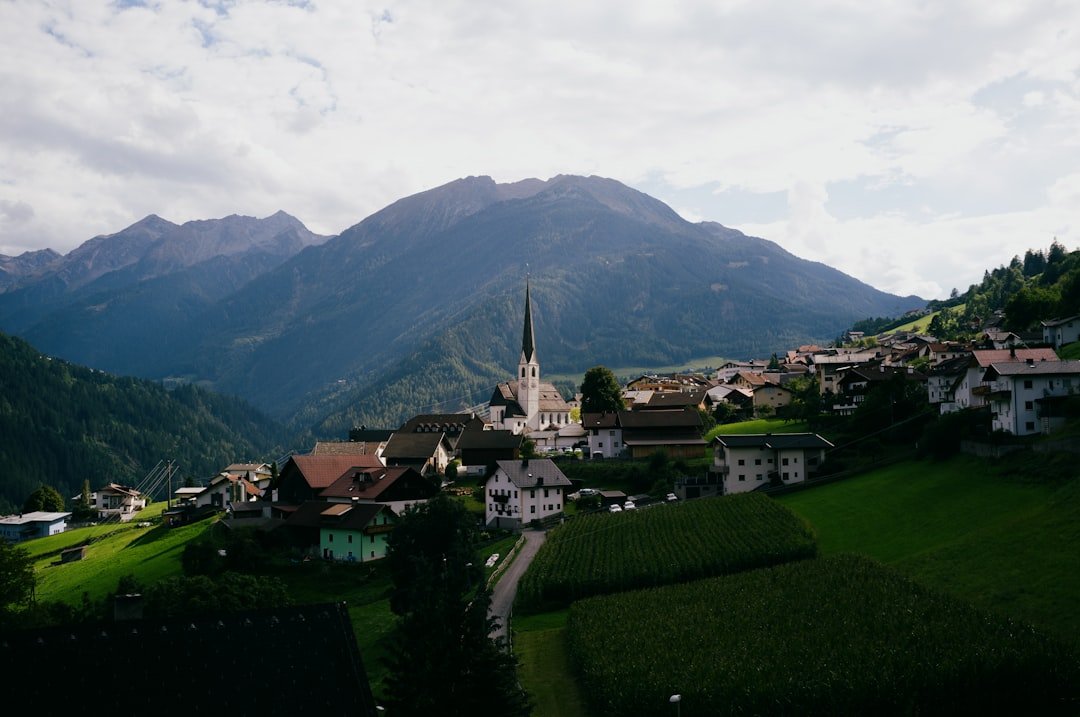
Appenzell is a strong choice when you want colorful village streets, local traditions, green hills, and easy access to the Alpstein mountains. The best time to visit depends on your main goal, because village sightseeing, high mountain hiking, cattle processions, and winter activities follow different seasonal calendars.
By: Tagline Today Editorial Team | Last updated: July 23, 2026
For most first-time visitors, the best overall window is from late May to early October. June and September usually give the best balance of scenery, usable hiking routes, and lighter crowds. July and August offer the longest operating hours and the busiest mountain season, while winter suits travelers who prefer snow, quiet streets, and marked winter activities.
Appenzell is the capital of Appenzell Innerrhoden in northeastern Switzerland. The region is known for painted facades, Appenzeller cheese, alpine cattle traditions, Seealpsee, Ebenalp, Wildkirchli, Aescher, and nearby peaks such as Säntis. Before you travel, use the official Appenzellerland Tourism website and the Switzerland Tourism Appenzell guide to check current events and seasonal access.
Quick Answer
Visit Appenzell from late May to early October for the best overall mix of village sightseeing, green scenery, cable-car access, and hiking. Choose June or September for fewer crowds, July or August for the fullest summer schedule, and December to February for snow, winter walks, and a quieter alpine atmosphere.
Key Takeaways
- Best overall: late May to early October.
- Best balance: June and September for strong scenery with less pressure than peak summer.
- Best for high-route access: usually July to early October, but snow, rain, and closures can change conditions at any time.
- Best for traditions: late April for Landsgemeinde and mid-August to late September for alpine cattle descents.
- Best for winter: December to February for marked winter walks, snowshoeing, and nearby skiing.
- Check before leaving: weather warnings, trail status, cable-car hours, rail disruptions, and event dates.
Best Time to Visit Appenzell by Season
| Season | Best For | Main Trade-Off |
|---|---|---|
| Spring: April to May | Village walks, spring color, Landsgemeinde, lower crowds | Snow can remain on higher paths, and some lifts may close for maintenance |
| Summer: June to August | Hiking, cycling, mountain inns, long sightseeing days | Busy sunny weekends and fast-changing thunderstorm risk |
| Autumn: September to October | Clear views, photography, cattle traditions, calmer travel | Shorter daylight, colder mornings, and earlier seasonal closures |
| Winter: November to March | Snow scenery, Advent customs, winter walking, snowshoeing, skiing | Summer trails may be unsafe or inaccessible, and snow is not guaranteed in the village |
Month-by-Month Appenzell Travel Guide
January and February
These are the main winter months. Plan around marked winter hiking trails, official snowshoe routes, nearby ski areas, museums, food, and village time. Snow conditions change, so check the official winter map and lift status instead of assuming every route will be open.
March
March is a transition month. Winter activities may continue at elevation, while lower areas begin to thaw. It can work for a quiet trip, but it is less reliable for either full winter conditions or classic summer hiking.
April
April is best for culture and village sightseeing rather than high hiking. The Landsgemeinde takes place on the last Sunday in April. Higher routes may still hold snow and ice, and mountain transport can have spring maintenance closures.
May
May brings greener hills, flowers, and the start of alpine cattle ascents, which usually occur from mid-May into June. Lower walks can be pleasant, but you should still check snow and mud conditions before choosing mountain routes.
June
June is one of the best all-round months. Days are long, the landscape is green, and many summer services are operating. Some high or shaded trails can still have difficult sections early in the month, so match your route to current conditions.
July and August
July and August are the busiest summer months and usually offer the widest choice of hikes, cable-car journeys, mountain inns, and outdoor activities. Start early on sunny weekends. Summer thunderstorms can form quickly, so do not rely only on a morning sky check.
September
September is often the best balance for hikers and photographers. Crowds usually ease after the main holiday period, while many mountain services continue to run. Alpine cattle descents occur from mid-August to the end of September, but exact dates may be announced only a few days ahead.
October
Early October can still offer excellent walking and clear views. Conditions become colder, daylight shortens, and some mountain services begin to close. The Appenzell cattle show is traditionally held on the first Tuesday in October; the official 2026 date is October 6.
November
November is quiet and better for slow village stays, museums, food, and short walks than for a mountain-focused trip. Some cable cars and mountain businesses close for seasonal revision or a break before winter operations.
December
December suits travelers who want Advent decorations, Christmas customs, markets, and a winter mood. For 2026, official tourism listings include the Chlösler market on December 2 and the Christkindlimarkt on December 5 and 6. Snow and lift operations still depend on current conditions.
Weather and Climate in Appenzell
Appenzell has four clear seasons, but village weather does not tell you what conditions are like higher in the Alpstein. A mild day in the center can still mean wind, fog, rain, snow patches, or much colder temperatures on exposed routes.
Summer gives you the longest days and the best chance to combine village sightseeing with mountain outings. It does not guarantee dry weather. MeteoSwiss notes that thunderstorms can develop quickly and that their exact strength, timing, and location can be difficult to predict several hours ahead.
Warning: Leave exposed ridges, peaks, open ground, and water areas when thunderstorms threaten. Check the MeteoSwiss hazard map before a mountain trip, and turn back early when visibility or weather worsens.
Winter changes route safety completely. Use marked winter trails and official snowshoe routes. If you leave secured routes, you may enter avalanche terrain and need proper training, equipment, and current avalanche information from the SLF avalanche bulletin.
Peak Tourist Seasons in Appenzell
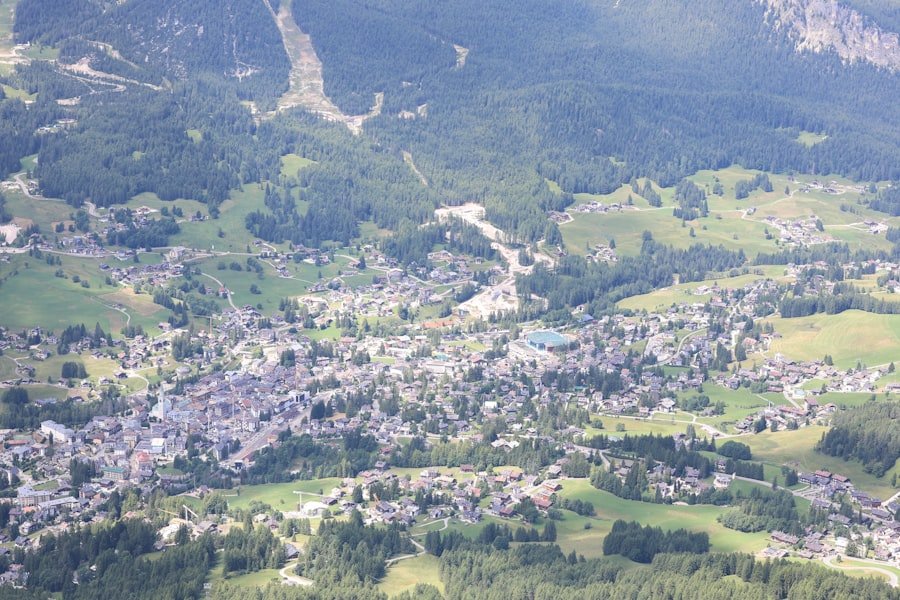
The main visitor peak is from July through August, especially on sunny weekends. Ebenalp, Seealpsee, Wildkirchli, Aescher, and popular village streets can feel busy when day-trippers and hikers arrive at the same time.
Summer is popular because mountain transport runs longer hours, more inns are open, and daylight gives you more flexibility. The official 2026 Ebenalp schedule, for example, runs its longest daily hours from early July through late August, although weather or operational issues can still affect service.
Winter demand rises around Advent, Christmas, New Year, and good-snow weekends. Book early when a specific hotel, guesthouse, or mountain inn matters to you.
Pro Tip: On a clear summer weekend, take the first practical train or cable car and keep a bad-weather village plan ready. Early starts reduce crowd pressure and give you more time to change course.
Off-Peak and Shoulder Seasons in Appenzell
Late May, June, September, and early October are the strongest shoulder-season choices. They can provide green or autumn scenery with less crowd pressure than the busiest July and August weekends.
Shoulder season is not automatically cheaper or empty. Local events, school holidays, and good-weather weekends can still raise demand. Compare accommodation before booking and check whether mountain inns and cable cars are operating on your exact dates.
April and November are more limited. They work best when you value culture, food, museums, and quiet streets more than high-elevation hiking. Flexible plans matter because snow, mud, maintenance closures, or poor visibility can remove a mountain day from your itinerary.
Special Events and Festivals in Appenzell
Appenzell’s traditions can be a main reason to choose one month over another. Always confirm the current event calendar because weather-dependent agricultural events may move or be announced at short notice.
Landsgemeinde
The Landsgemeinde is Appenzell Innerrhoden’s open-air cantonal assembly. It has traditionally taken place on the last Sunday in April. The 2026 assembly was held on April 26, and the next listed date is Sunday, April 25, 2027. Visitors may observe, but voting is for eligible residents.
Alpine Cattle Drives
Cattle ascents normally occur from mid-May into June. Descents take place from mid-August to the end of September. Each farming family chooses its date based on grass, helpers, and weather, so exact descent dates may be known only one to five days beforehand. Watch from the roadside and do not block the animals or handlers.
Autumn Cattle Show and Fairs
The Appenzell cattle show is held on the first Tuesday in October; the official 2026 date is October 6. Local fairs also take place in late summer and September, including the Appenzell fair weekend.
Advent and Christmas
December brings markets, painted gingerbread traditions, incense customs, and a festive village atmosphere. Confirm market dates and shop opening hours on the official event calendar before you book around a single event.
Outdoor Activities and Attractions in Appenzell
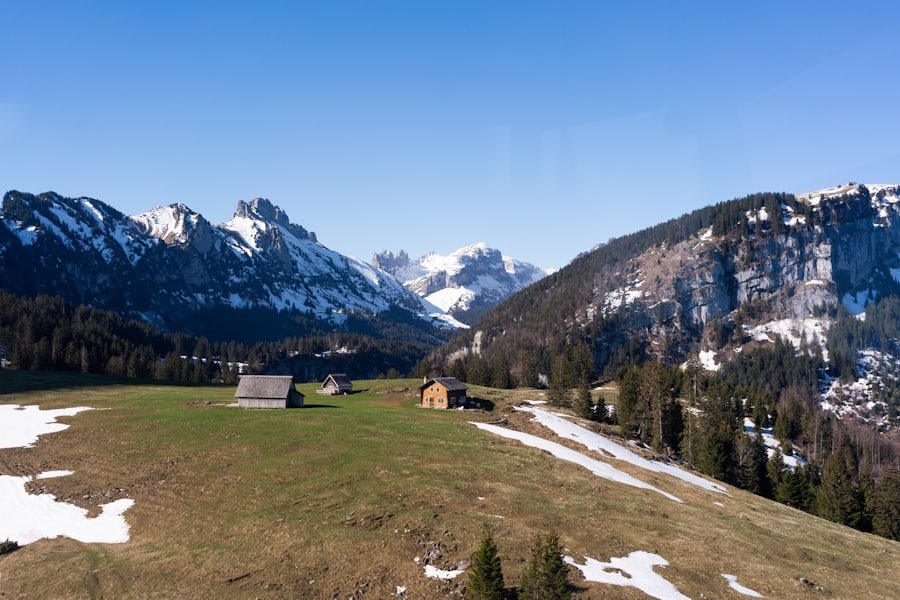
A balanced Appenzell trip includes both the village and the surrounding mountains. In the center, you can walk through the pedestrian zone, see painted facades and traditional shop signs, visit museums, and try regional food.
For mountain scenery, common day-trip areas include Wasserauen, Seealpsee, Ebenalp, Wildkirchli, and Aescher. The Appenzeller Railway stops at Wasserauen, and the Ebenalp valley cable-car station is a short walk from the rail stop.
You can visit Ebenalp, Wildkirchli, and Aescher in one day when the cable car and paths are open. Seealpsee may be added on a longer route, but do not treat every combination as an easy walk. Route difficulty, elevation change, wet ground, and exposure vary.
Understand the Trail Markings
- Yellow hiking trails: generally the easiest category, though surfaces can still be uneven.
- White-red-white mountain trails: often steep, narrow, and partly exposed; you need fitness, surefootedness, a head for heights, and mountain footwear.
- White-blue-white alpine trails: very demanding routes for experienced mountain travelers, sometimes with exposed climbing sections.
Use the official Alpstein hiking safety guidance to match the route to your ability. Stay on marked paths, carry a phone and first-aid kit, and turn back rather than forcing the plan.
Note: Camping is not permitted in the Alpstein, and a drone flight ban applies across the protected Alpstein area. Use an official campsite or book a mountain inn, and check local rules before flying any unmanned aircraft.
In winter, use marked winter walking and snowshoe routes. Summer trail signs do not mean a route is safe under snow or ice. For a serious mountain emergency in Switzerland, call Rega on 1414; the European emergency number is 112.
Accommodation and Transportation Options in Appenzell
Appenzell offers hotels, guesthouses, bed-and-breakfasts, holiday apartments, camping in designated sites, and mountain inns in the wider region. Stay in the village for easy access to restaurants, shops, trains, and evening walks. Choose a mountain inn for atmosphere, but confirm access, luggage rules, meal times, and weather limits before booking.
You do not need a car for a first visit. Appenzeller Bahnen connects Appenzell with St. Gallen and with the Gossau-Appenzell-Wasserauen corridor. Local buses, PubliCar, trains, and cable cars cover many common routes. Check the Appenzeller Bahnen service-status page shortly before travel because construction and replacement buses can affect connections.
Appenzeller Holiday Card
Guests who stay at least three consecutive nights with a participating hotel, mountain inn, holiday apartment, or bed-and-breakfast can receive the Appenzeller Holiday Card. The current program lists more than 40 included offers, including selected public transport and attractions. Ask your host before booking because participation and benefits can change.
Free Arrival and Departure Offer
Eligible guests staying at least three consecutive nights may also qualify for free public-transport arrival and departure within Switzerland. You must request the offer when booking and order the travel documents at least three days before arrival. Read the current conditions before relying on it.
How to Choose the Right Month for Your Trip
| Travel Goal | Best Timing | Why It Works |
|---|---|---|
| First visit | June or September | Strong balance of village life, mountain access, and manageable crowds |
| Highest chance of broad summer access | July to early October | More high routes and mountain businesses are usually operating |
| Fewer visitors | Late May, June, September, early October | Less pressure than peak summer, especially on weekdays |
| Cattle traditions | Mid-May to June; mid-August to late September | Timing matches alpine ascents and descents, though exact dates vary |
| Landsgemeinde | Last Sunday in April | A rare chance to observe a major civic tradition |
| Snow and winter mood | December to February | Best period for marked winter activities and seasonal atmosphere |
What to Pack for Appenzell
- Year-round: comfortable walking shoes, layers, a rain jacket, water, sun protection, and a small daypack.
- Summer mountain days: sturdy treaded hiking shoes, warm layer, waterproof shell, snacks, offline map, and a charged phone.
- Spring and autumn: extra insulation, gloves or a warm hat for higher areas, and footwear that handles mud or light snow.
- Winter: insulated waterproof footwear with good grip, warm layers, gloves, and traction aids when conditions require them.
- Longer hikes: first-aid kit, route details, return-transport times, and emergency information.
Tips for Making the Most of Your Visit to Appenzell
Choose your dates around the activity that matters most. A beautiful village forecast does not guarantee that your chosen mountain route is open, dry, or safe.
The most rewarding Appenzell plan combines a slow village walk, one weather-dependent mountain outing, regional food, and one local cultural experience.
Check the weather, cable-car timetable, trail category, and final return connection before starting. Tell someone your route when you plan a longer hike. Turn back early when weather, fatigue, or trail conditions make the plan unsafe.
Use a friendly “Grüezi” when greeting people. Stay on marked paths, close farm gates, keep away from cattle processions, and respect signs around grazing animals and protected areas.
Do not overfill your schedule. Appenzell rewards time for painted houses, cheese shops, museums, quiet lanes, and changing mountain light.
Suggested Appenzell Itinerary by Trip Length
One Day in Appenzell
Walk through the village center, see the painted facades and Landsgemeindeplatz, browse local shops, and eat a regional lunch. Add Ebenalp or a lower valley walk only when weather and transport times are favorable. Keep a museum or food-focused backup plan.
Two Days in Appenzell
Use one day for the village, museums, food, and an easy walk. Reserve the second day for Wasserauen, Ebenalp, Wildkirchli, Aescher, Seealpsee, or another route suited to your ability and the conditions. This is the best short-trip format for most visitors.
Three Days in Appenzell
Three days give you weather flexibility. Add Hoher Kasten, Säntis, a dairy visit, a guided village tour, a longer hike, or a cultural event. A qualifying three-night stay may also make you eligible for the Appenzeller Holiday Card and the free-arrival offer.
Final Verdict: When Should You Go?
The best time to visit Appenzell for most travelers is from late May to early October. June is a strong choice for long days and green scenery. September is ideal for a calmer trip, clear views, and possible cattle descents. July and August give you the broadest summer schedule but also the largest crowds.
Choose late April for Landsgemeinde, early October for the cattle show and autumn atmosphere, or December to February for winter walks and snow activities. Whatever month you choose, check official weather warnings, trail conditions, cable-car hours, public-transport updates, and event dates before finalizing the day’s plan.
When planning a trip to Appenzell, timing can significantly improve your experience of this picturesque Swiss region. For more travel ideas and related guides, you can visit Tagline Today.
Frequently Asked Questions
What is the best time to visit Appenzell?
Late May to early October is the best overall period. June and September usually give the strongest balance of scenery, mountain access, and lighter crowds. July and August have the fullest summer schedule but are busier.
What is the weather like in Appenzell during summer?
Village weather is usually mild to warm, but mountain conditions can be colder, wetter, and windier. Pack layers and rain protection. Check MeteoSwiss shortly before hiking because thunderstorms can develop quickly.
Are there any specific events or festivals in Appenzell during summer?
Yes. Summer and early autumn bring alpine church services, local fairs, music, farming traditions, and cattle processions. Cattle descent dates vary with weather and farm schedules, so check the official event calendar close to your visit.
What outdoor activities are available in Appenzell during summer?
Summer activities include hiking, cycling, village walks, cable-car trips, lake walks, climbing, paragliding, and food stops at mountain inns. Choose routes that match the official trail category, weather, and your ability.
Is Appenzell crowded during summer?
It can be crowded in July and August, especially on sunny weekends and around Ebenalp, Seealpsee, Wildkirchli, and Aescher. Start early or travel in June or September for a calmer experience.
Is Appenzell better in summer or winter?
Summer is better for hiking, cycling, mountain inns, and broad sightseeing access. Winter is better for quiet streets, Christmas customs, marked winter walks, snowshoeing, and nearby skiing. Choose the season that fits your main activity.
When is Appenzell least crowded?
Late May, June, September, and early October are generally calmer than July and August. Weekdays are usually quieter than sunny weekends. April and November are quieter still but offer less reliable mountain access.
Is Appenzell worth visiting in winter?
Yes. Winter suits travelers who enjoy quiet village streets, Christmas customs, marked winter walks, snowshoeing, and nearby skiing. Use official winter routes and do not assume summer hiking paths are safe under snow or ice.
When is the Landsgemeinde in Appenzell?
It traditionally takes place on the last Sunday in April. The 2026 assembly was held on April 26, and the next official listing is Sunday, April 25, 2027. Verify the date and visitor guidance before booking.
When can you see alpine cattle processions?
Ascents usually occur from mid-May into June, and descents from mid-August to the end of September. Exact dates depend on grass, weather, and farm schedules and may be announced only one to five days ahead.
Can you visit Ebenalp, Wildkirchli, and Aescher in one day?
Yes, when the cable car and paths are open. Start early, check the final descent time, and allow for changing weather. Adding Seealpsee creates a longer and more demanding day, depending on the route.
How many days do you need in Appenzell?
Two days is a useful minimum: one for the village and one for the mountains. Three days gives you a backup day for poor weather and enough time for another peak, museum, dairy visit, or cultural activity.
Do you need a car in Appenzell?
No. Trains, buses, PubliCar, walking routes, and cable cars cover many common sights. A car adds flexibility for rural stops, but it is not necessary for a village-and-Ebenalp itinerary.
What is the Appenzeller Holiday Card?
It is a guest card offered through participating accommodations for stays of at least three consecutive nights. Current benefits include more than 40 selected offers. Confirm eligibility and included services with your host.
What should you pack for Appenzell?
Bring layers, a rain jacket, comfortable walking shoes, water, sun protection, and a charged phone. For mountain routes, add sturdy treaded footwear, warm clothing, snacks, a first-aid kit, and an offline map.
Sources
- Appenzellerland Tourism — official events, seasonal activities, accommodation, and local planning information.
- Official Alpstein Hiking Safety Guide — trail categories, equipment, camping rules, and mountain safety.
- Wasserauen-Ebenalp Cable Car — current operating timetable, access details, and seasonal revision periods.
- MeteoSwiss Hazard Information — official Swiss weather warnings and mountain-weather hazards.
- Canton of Appenzell Innerrhoden — official Landsgemeinde information and dates.
- Appenzeller Bahnen Travel Information — rail timetables, disruptions, tickets, and construction updates.