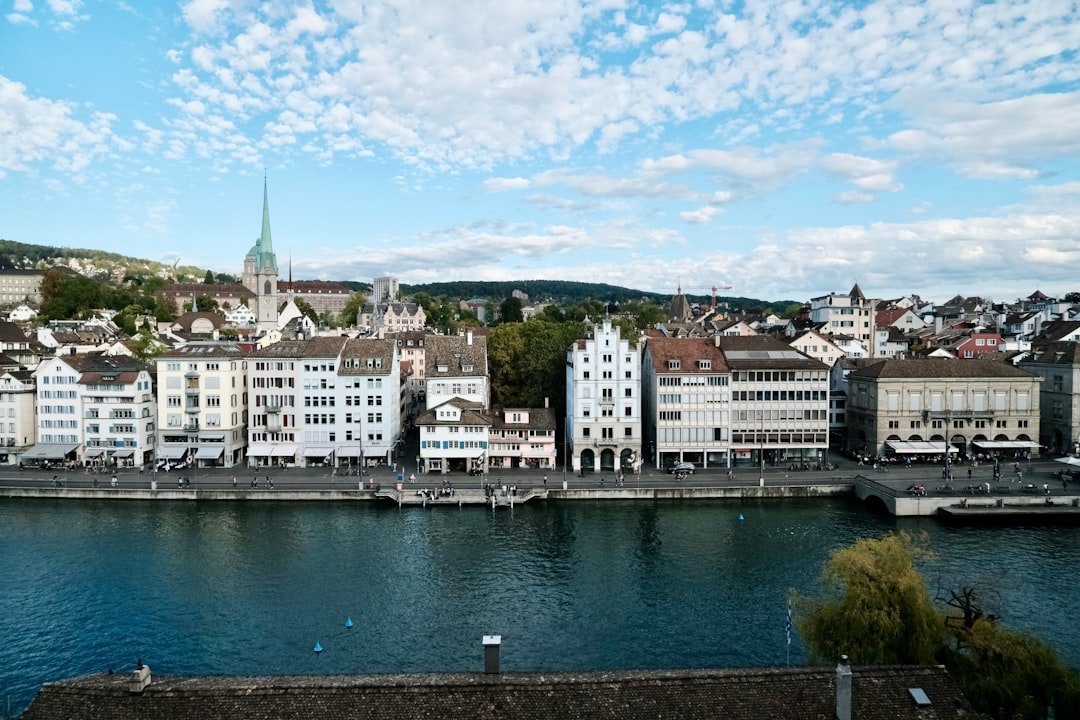
Basel works well as a year-round city break, but the right month depends on what matters most to you. You may want warm afternoons beside the Rhine, major art events, quieter museums, lower accommodation pressure, an autumn fair, or Christmas-market atmosphere. This guide compares Basel by month, season, weather, crowds, costs, and confirmed annual events.
Quick Answer
The best time to visit Basel for comfortable sightseeing and a balanced city break is May, early June, September, or early October. Choose Art Basel week for major art events, July or August for Rhine-side life, late October for Herbstmesse, and late November through December for Christmas markets.
Key Takeaways
- May, early June, September, and early October offer the best overall balance of comfortable weather and manageable event pressure.
- June to August is best for outdoor dining, long evenings, summer events, and Rhine-side life, but hot spells and major events can affect comfort and hotel demand.
- Art travelers can plan for Art Basel, with the next confirmed Basel edition scheduled for 17 to 20 June 2027.
- Late October and early November are best for Basler Herbstmesse, while late November and December bring Basel’s Christmas markets.
- January, early February, March outside Fasnacht, and early November can feel quieter, although lower hotel prices are not guaranteed.
Best Months to Visit Basel at a Glance
| Travel Goal | Best Time | Main Tradeoff |
|---|---|---|
| Best overall balance | May, early June, September, early October | Weather can still change quickly, and early June becomes busier as Art Basel approaches. |
| Art and international events | Art Basel week in June | Hotels, restaurants, and transport around Messe Basel face much stronger demand. |
| Rhine-side summer life | July and August | Heat, thunderstorms, and unsafe river conditions are possible. |
| Quieter museums and streets | January, early February, March outside Fasnacht, early November | Expect shorter days, cooler weather, and fewer outdoor activities. |
| Autumn fair atmosphere | Late October to early November | Fair locations become lively and noisy, especially during evenings and weekends. |
| Christmas atmosphere | Late November to December | Market weekends can be crowded, and daylight hours are short. |
Basel Month by Month
| Month | What to Expect | Best For |
|---|---|---|
| January | Cold, short days and a quieter city after the holiday season. Outdoor plans depend heavily on the weather. | Museums, architecture, cafés, and travelers who value calm over outdoor atmosphere. |
| February | Usually wintry, but Fasnacht can transform central Basel into one of its loudest and busiest annual celebrations. | Traditional culture during Fasnacht or quiet museum visits outside the event dates. |
| March | A changeable shoulder-season month that can bring cold rain, mild sunshine, or brief wintry conditions. | Flexible travelers who prioritize museums and walking over guaranteed weather. |
| April | Longer days, spring growth, and improving conditions, although rain and cool evenings remain common possibilities. | Gardens, Old Town walks, photography, and mixed indoor-outdoor itineraries. |
| May | Often one of the easiest months for combining parks, river walks, outdoor dining, and museums. | First-time visitors seeking the strongest overall balance. |
| June | Warm weather and long evenings, with a major rise in international visitors and accommodation demand during Art Basel. | Art, exhibitions, open-air culture, and energetic city breaks. |
| July | Lively riverbanks, terraces, Basel Tattoo, long daylight, and the possibility of hot or stormy weather. | Summer events, outdoor dining, and confident swimmers when Rhine conditions are officially suitable. |
| August | Warm summer atmosphere continues, with the Rhine and evening riverbanks remaining major attractions. | Outdoor-focused trips, relaxed evenings, and combining museums with river time. |
| September | Milder conditions and less concentrated event pressure than during the largest summer weeks. | Comfortable sightseeing, couples, older travelers, and first-time visits. |
| October | Cooler walking weather and autumn color. Late October becomes much livelier when Herbstmesse begins. | Autumn scenery, museums, and travelers who want a traditional local fair. |
| November | Early November can feel quiet after Herbstmesse. The festive season begins late in the month when Christmas markets open. | Museum breaks early in the month or the first Christmas-market dates later on. |
| December | Cold weather, short daylight, decorated squares, seasonal food, concerts, and busy market weekends. | Christmas atmosphere, winter cafés, festive shopping, and indoor culture. |
Spring in Basel: Blossoms, Walks, and Culture
Spring is one of the most comfortable times to visit Basel if you want fresh air, blooming parks, and a city that feels active without the strongest summer-event pressure. As daylight increases, Basel’s gardens, river paths, and Old Town streets become more inviting for walking, cycling, and photography.
The Botanical Garden of the University of Basel is a useful spring stop for plant lovers. The Rhine promenades and historic Old Town also provide an easy mix of architecture, cafés, and river views. Pack a light jacket and rain protection because spring conditions can change quickly.
Basel’s Fasnacht falls in February or March, depending on the Easter calendar. It starts on the Monday after Ash Wednesday and fills the city with lanterns, drums, piccolos, costumes, and processions for three days. The next confirmed Basel Fasnacht is scheduled for 15 to 17 February 2027.
If your trip overlaps with Fasnacht, reserve accommodation as soon as your dates are certain. Expect dark early-morning events, music, large crowds, road restrictions, and a city atmosphere that is very different from an ordinary quiet museum weekend.
Note: Fasnacht is not a summer carnival. Choose its exact dates if you want the full traditional celebration, or avoid them if sleep, quiet streets, and easy central access are more important.
Summer in Basel: Festivals, Outdoor Fun, and Rhine-Side Energy
Summer is Basel’s liveliest outdoor season. Riverbanks, buvettes, terraces, music events, and evening dining come into full swing. Long daylight hours also make it easy to spend part of the day in museums and the rest outside.
June is especially important for art travelers because Art Basel brings international galleries, collectors, artists, exhibitions, and related programs to the city. The next confirmed Basel edition runs from 17 to 20 June 2027. Accommodation and restaurant demand can rise sharply during fair week, so reserve early if the event is the main purpose of your trip.
July brings another major event: Basel Tattoo, an open-air music and performance spectacle at Kaserne Basel. The 2026 edition runs from 17 to 25 July. Future editions normally take place in summer, but you should verify the official dates before booking.
The Rhine is one of Basel’s signature summer experiences. Locals use a colorful waterproof swim bag called a Wickelfisch to keep clothes dry while floating downstream. The bag is useful for carrying belongings, but it is not a flotation device and should never be tied around your body.
Even if you do not swim, the Kleinbasel riverbank is an excellent place to experience the city’s relaxed summer atmosphere. You can walk beside the river, sit near a buvette, watch the ferries, or combine the waterfront with a museum visit.
Warning: Rhine swimming is only suitable for strong, confident swimmers. Basel Tourism advises swimming only when the water temperature is above 18°C, the water level is below 650 cm, and the water height is below 246.5 metres. Conditions can change, and meeting these thresholds does not remove all risk.
- Check current conditions and official guidance immediately before entering.
- Swim with at least one other person and never alone.
- Do not use inflatable swimming aids or the Wickelfisch as a flotation device.
- Stay close to the Kleinbasel bank and look upstream regularly for ships.
- Keep away from bridge pillars, fishing weirs, port areas, and restricted water-control structures.
- Do not enter if you are unsure about moving water, your stamina, or the available exit points.
Fall in Basel: Colorful Foliage, Museums, and Herbstmesse
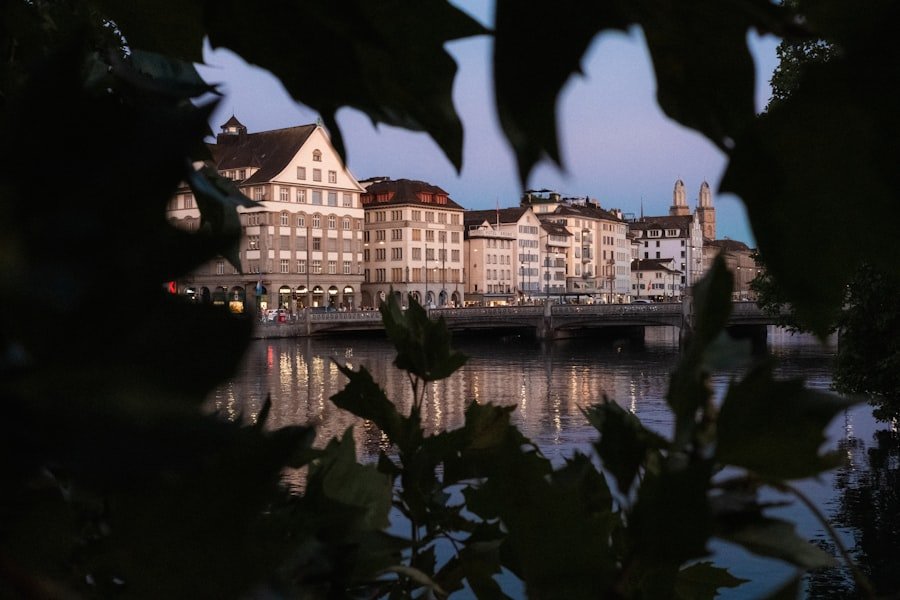
Autumn is one of the best seasons for travelers who want a calmer Basel experience without giving up outdoor sightseeing or cultural depth. Trees turn gold and red, the Rhine paths remain pleasant on dry days, and cooler conditions make museums increasingly appealing.
This season works well for mixed itineraries. You can walk through the Old Town or along the river in the morning, then move indoors to Kunstmuseum Basel, Fondation Beyeler, Museum Tinguely, or another museum if the temperature drops or rain arrives.
The biggest autumn event is Basler Herbstmesse, Basel’s historic autumn fair. In 2026, it runs from 24 October to 10 November across several city squares and part of the trade fair area. Expect rides, food stands, market stalls, evening noise, and a lively local atmosphere.
Pro Tip: Choose early October for a quieter autumn visit. Choose late October or early November when the fair itself is one of your main reasons for traveling.
Winter in Basel: Christmas Markets and a Cozy City Break
Winter gives Basel a different mood. Days are shorter and colder, but the center becomes especially atmospheric during Advent, when lights, market stalls, warm drinks, seasonal food, and decorated squares take over parts of the Old Town.
| Basel Winter Highlight | Where | Confirmed or Typical Timing |
|---|---|---|
| Basel Christmas Market | Barfüsserplatz and Münsterplatz | 26 November to 23 December 2026 |
| Festive concerts and Advent events | Churches, concert halls, museums, and city squares | Late November through December |
| Museum-focused winter break | Kunstmuseum Basel, Fondation Beyeler, Museum Tinguely, and others | January, early February, and quieter weekdays outside holiday peaks |
The official Basel Christmas Market is held at Barfüsserplatz and Münsterplatz. Expect handcrafted gifts, ornaments, roasted chestnuts, mulled wine, sweets, raclette, and a festive atmosphere in the historic center.
Beyond the markets, winter suits travelers who prefer cafés, galleries, and slower cultural days. Warm up with hot chocolate or Swiss pastries, then spend time in Basel’s museums without trying to fit a long outdoor itinerary into limited daylight.
Cold rain and occasional snow are possible, but you should not choose Basel in winter because you expect guaranteed snowfall. Check the short-range forecast before departure and pack a warm waterproof layer, gloves, and shoes suited to wet streets.
Off-Season in Basel: Fewer Crowds and Possible Savings
Basel’s quieter periods generally fall between major event windows. January, early February, March outside Fasnacht, and parts of early November can offer less crowded museums and a more relaxed pace.
Accommodation may cost less when citywide demand is low, but no month guarantees a cheap stay. Conferences, exhibitions, public holidays, and one-off events can affect hotel availability at any time. Compare your exact dates rather than assuming that an entire season is inexpensive.
These quieter periods work especially well when your main goals are art museums, architecture, cafés, and Old Town walks rather than outdoor festivals or Rhine-side summer life.
Basel’s guest benefits can also reduce local transport and attraction costs. The BaselCard is provided with qualifying overnight accommodation bookings in Basel. It includes free public transport within its covered zones and discounts on selected museums, attractions, and activities. Check your accommodation confirmation and the current coverage before buying separate transport passes.
Peak Periods in Basel: When the City Is Busiest
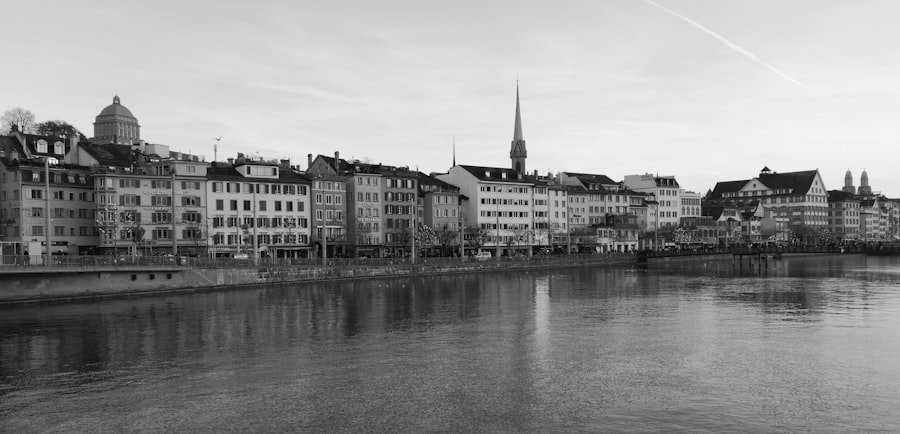
Basel does not have one uniform peak season. Demand rises most sharply around specific events, including Art Basel, Basel Tattoo, Fasnacht, Herbstmesse, and popular Christmas-market weekends.
Summer still feels more active overall because riverfront activity, open-air dining, concerts, and long evenings attract visitors outdoors. However, an ordinary summer weekday may be easier to book than a major event weekend in another season.
The main tradeoff is atmosphere versus convenience. Major events bring more exhibitions, performances, nightlife, and international visitors, but they can also increase accommodation pressure and competition for central restaurant reservations.
During Art Basel, staying near a reliable tram connection can be more practical than restricting your hotel search to the immediate area around Messe Basel. For any major event, reserve as soon as your dates are firm and check cancellation terms before paying.
Summer is also the best time to connect with Basel’s social side. Bars, buvettes, terraces, and riverside gathering spots are most active in good weather, especially during the evening.
Basel Weather: Choosing the Right Conditions
Basel has four distinct seasons, but weather can vary substantially from one year or week to the next. Spring and autumn are often comfortable for walking, summer is warmest and best for outdoor life, and winter is colder with much shorter daylight.
For climate planning, use long-term averages from MeteoSwiss climate normals. MeteoSwiss currently uses the 1991–2020 normal period to describe expected climate conditions. Use these averages to compare seasons, but check an actual forecast close to departure for day-to-day decisions.
There is no single weather-perfect month in Basel. May and September offer the best balance for many visitors, while summer gives you longer evenings at the cost of a greater chance of heat and storms.
Rain can occur in every season, so a compact umbrella or light rain jacket is useful year-round. Summer heat can build during the day, especially on exposed streets and along sunny sections of the riverbank. Carry water, use sun protection, and move museum visits to the hottest hours when necessary.
Pack layers in spring and autumn, breathable clothing and sun protection in summer, and a warm waterproof coat, scarf, gloves, and suitable shoes in winter.
Special Events: Choosing Dates Around Basel’s Calendar
Basel can feel completely different during a major fair, carnival, or market than it does on a quiet cultural weekend. The following dates were confirmed on official event pages as of July 2026:
- Basel Fasnacht: 15 to 17 February 2027. Choose it for lanterns, drums, costumes, satire, and a deeply local tradition. Avoid it if you need quiet nights or easy movement through the center.
- Art Basel: 17 to 20 June 2027. Choose it for the international art fair, gallery programs, museum exhibitions, and citywide art events. Expect strong accommodation demand.
- Basel Tattoo: 17 to 25 July 2026. Choose it for military bands, bagpipes, dance, drumming, and large open-air performances at Kaserne Basel.
- Basler Herbstmesse: 24 October to 10 November 2026. Choose it for fairground rides, seasonal food, market stands, and a lively local tradition across several locations.
- Basel Christmas Market: 26 November to 23 December 2026. Choose it for lights, crafts, festive food, warm drinks, and decorated Old Town squares.
Note: Annual event dates, programs, and opening hours can change. Recheck the official event page before booking nonrefundable transport, accommodation, or tickets.
Frequently Asked Questions
What is the best time to visit Basel?
May, early June, September, and early October provide the best overall balance for many visitors. These periods usually suit walking, museums, river views, and outdoor dining without placing the entire trip inside the busiest major-event dates.
Which month is best for warm weather in Basel?
July and August are usually the strongest choices for warm-weather activities, long evenings, and Rhine-side life. They can also bring hot spells and thunderstorms, so plan shade, water, sun protection, and indoor breaks.
What are the most popular events and festivals in Basel?
Major Basel events include Fasnacht in February or March, Art Basel in June, Basel Tattoo in July, Basler Herbstmesse in late October and early November, and the Basel Christmas Market from late November into December.
When is Basel least crowded?
January, early February, March outside Fasnacht, and early November are often calmer than major event periods. Always check the city’s current conference and event calendar because a large exhibition can increase demand outside the usual tourist season.
Is Basel expensive during peak periods?
Accommodation can become more expensive and less available during major events such as Art Basel, Fasnacht, Basel Tattoo, and busy Christmas-market weekends. Compare your exact dates, consider hotels near tram routes, and use BaselCard benefits when they are included with your stay.
Is Basel worth visiting in winter?
Yes. Late November and December are attractive for Christmas markets, lights, concerts, and seasonal food. January and early February suit quieter museum trips. The tradeoffs are colder weather, shorter daylight, and less outdoor river activity.
Is it safe to swim in the Rhine in Basel?
Rhine swimming is only suitable for strong swimmers who understand moving water. Check official temperature, water-level, weather, and safety guidance immediately before entering. Swim with another person, stay near the Kleinbasel bank, avoid bridge pillars and restricted areas, and never use a Wickelfisch as a flotation device.
Sources
- Basel Tourism: Carnival in Basel — Fasnacht timing, program, and visitor context.
- Art Basel: Basel Visitor Information — confirmed dates for the next Basel edition.
- Basel Tourism: Basel Tattoo — official 2026 dates, venue, and event description.
- Basel Tourism: Swimming in the Rhine — official water thresholds, route information, and safety guidance.
- Basel Tourism: Basler Herbstmesse — official 2026 dates, locations, and fair background.
- Basel Tourism: Christmas Market — official 2026 dates, locations, and opening information.