Last updated: August 2026 [VERIFY: update to actual revision date before publishing]
The best time to visit Chur, Switzerland’s oldest city, is June through August — warm Alpine weather, full hiking access to Brambrüesch, and the Churer Fest in mid-August, the largest folk festival in Graubünden. If ski slopes are the priority, nearby Arosa and Lenzerheide make November through March equally compelling, with a quieter old town and lower accommodation prices as a bonus. For the best value overall, shoulder seasons in April–May or September–October deliver the same sights with almost no crowds.
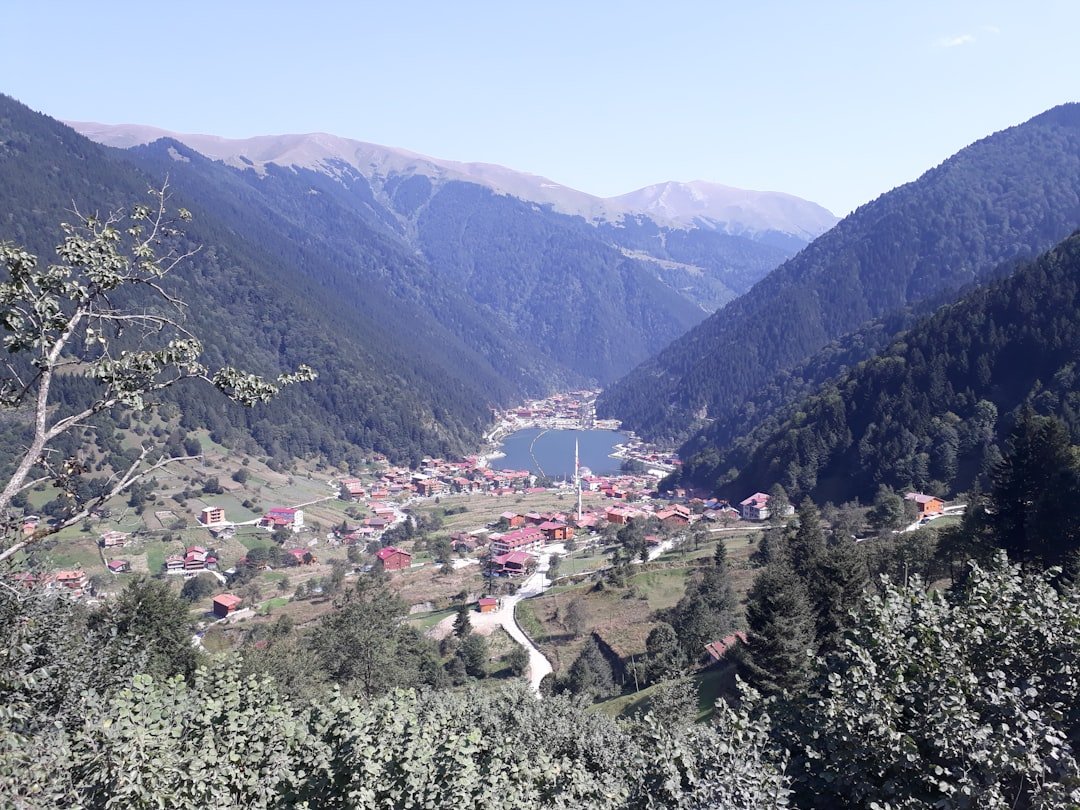
Chur sits in the Rhine Valley in the canton of Graubünden, eastern Switzerland, and is the northern starting point for both the Glacier Express (to Zermatt) and the Bernina Express (to Tirano, Italy) — two of Europe’s most celebrated scenic train routes, both departing from Chur’s main station. In this guide: a season-by-season breakdown of weather and conditions, the top annual events, outdoor activities from cable car hikes to ski passes, must-see sights in the car-free Altstadt, and practical tips including transport connections and the money-saving Chur Guest Card.
Key Takeaways
- Chur is Switzerland’s oldest city, with traces of human settlement stretching back over 11,000 years [VERIFY: confirm vs. official Chur Tourism source at chur.graubuenden.ch], and serves as the northern terminus for both the Glacier Express and the Bernina Express.
- Chur has four distinct seasons — mild, variable winters in the city and reliable snow on the surrounding peaks above 1,500m — making it a genuine year-round destination.
- The peak tourist season is June through August, when hiking trails, summer festivals, and cable car access to Brambrüesch are all in full operation.
- The off-peak season runs from November through March; ski resorts at Arosa and Lenzerheide are the main draw, while smaller crowds allow a more relaxed experience of the old town.
- Key annual events include the Churer Fest (mid-August), the Churer Weihnachtsmarkt Christmas market (December), and the Churer Stadtlauf road race [VERIFY: confirm current dates and status at chur.graubuenden.ch/en/top-events].
When to Visit Chur: Weather and Climate
Chur sits at approximately 592 metres above sea level in the Rhine Valley, giving it a temperate Alpine climate with four distinct seasons. Winters in the city itself are relatively mild compared to higher-altitude Swiss resorts, with average temperatures ranging from -1°C to 5°C (30°F to 41°F). Snow falls reliably on the surrounding peaks — the Brambrüesch area reaches 2,200m — creating a genuine winter sports base, but the city streets rarely see heavy accumulation. Layer up: Chur’s Alpine valley position means weather can shift quickly at any time of year. [VERIFY: confirm elevation and winter temperature range vs. MeteoSwiss data for Chur]
Spring brings gradually warming temperatures averaging 5°C to 15°C (41°F to 59°F) by May, with the Rhine Valley hillsides greening from April onwards. This is shoulder season at its most underrated: passable hiking conditions at lower elevations, almost no tourist crowds, and noticeably lower hotel rates than peak summer. Early April in particular has the feel of an Alpine city at its own pace, before the summer visitors arrive.
Summer sees average highs of around 20–22°C (68–72°F), with occasional warmer spells above 25°C (77°F). June is the rainiest month of the year in Chur, so packing a waterproof layer is advisable even during peak season. July and August are the warmest and busiest months. Autumn — September through October — turns the Rhine Valley hillsides amber and red, with temperatures cooling to a comfortable 10–17°C (50–63°F). October is widely regarded as one of the most pleasant months for walking the old town and taking day trips through Graubünden. [VERIFY: confirm average temperature ranges against MeteoSwiss data for Chur]
Peak Tourist Season in Chur
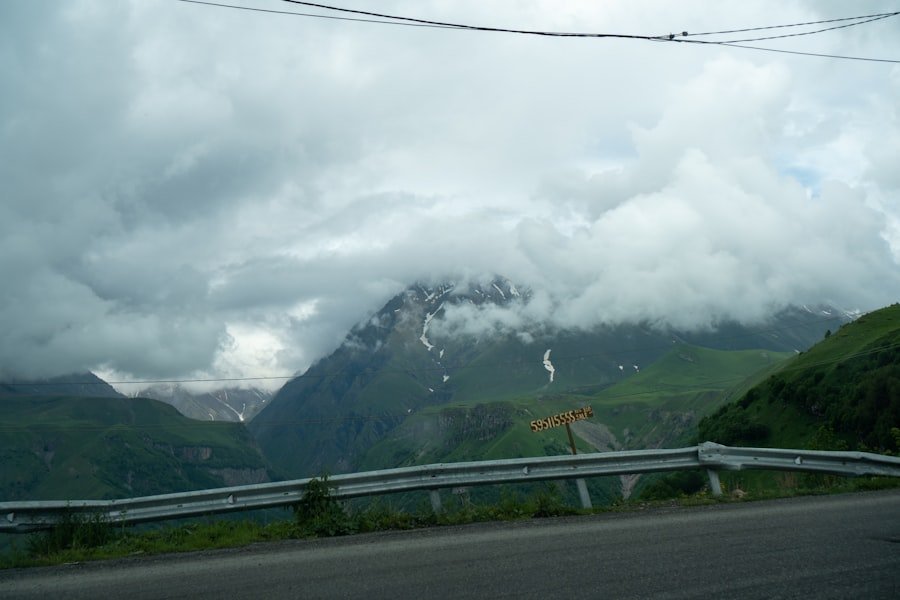
Chur’s peak season runs June through August, with July and August the two busiest months of the year. Warm temperatures make hiking at Brambrüesch and cycling routes across the valley floor ideal, while the Altstadt fills with outdoor dining and guided walking tours running daily. The Brambrüesch cable car extends Saturday operating hours until 8 pm through summer as part of its “Long Saturday” programme.
The centrepiece of summer is the Churer Fest in mid-August — confirmed by Graubünden Tourism and Switzerland Tourism as the largest folk festival in Graubünden and the biggest summer event in southeastern Switzerland. The festival fills the old town with multiple music stages (Ländler to rock), international food stalls, and a tombola, running free across several days and drawing visitors from across the region. Book accommodation well in advance if your trip coincides with it: the festival weekend fills the city.
Outside festival weeks, the trade-off of peak season is higher prices and busier trails. Visitors who want the summer activity calendar with fewer people should consider early June or the second half of September, when conditions remain pleasant but visitor numbers drop sharply.
Off-peak Season in Chur
| Season | Months | Avg. High (°C) | Best For |
|---|---|---|---|
| Summer (peak) | Jun–Aug | 20–22°C | Hiking, Churer Fest (mid-Aug), cycling, cable car |
| Autumn (shoulder) | Sep–Oct | 10–17°C | Foliage walks, quieter old town, lower prices |
| Winter (off-peak) | Nov–Mar | -1–5°C | Skiing (Arosa, Lenzerheide, Brambrüesch), Christmas market |
| Spring (shoulder) | Apr–May | 7–15°C | Early hiking, almost no crowds, best accommodation rates |
The off-peak season in Chur runs from November through March. Visitor numbers in the city fall sharply, but the surrounding mountains come into their own: Arosa, reached directly by the Arosa Line train from Chur station in under an hour, and Lenzerheide both operate well-groomed ski slopes from December. Brambrüesch offers more accessible beginner and intermediate terrain just minutes from the city centre by cable car — the only Swiss city with a ski area linked directly by cableway from the centre.
Staying off-peak means noticeably lower accommodation rates and an Altstadt you can explore at your own pace. The narrow alleyways of Chur’s car-free old town are easier to appreciate without peak-season foot traffic, and the Rätisches Museum and cathedral rarely have queues. December brings the Churer Weihnachtsmarkt Christmas market to the old town, with stalls selling handmade crafts and Graubünden specialities including raclette and mulled wine — one of the most atmospheric ways to experience the city in the colder months.
Spring (April–May) is a particularly underrated window: ski season is winding down, lower-elevation hiking trails are passable, and accommodation rates have not yet climbed to summer levels. The old town has an unhurried, local feel that is hard to find in July or August.
Special Events and Festivals in Chur
Chur’s event calendar is anchored by several genuinely local celebrations. The headline is the Churer Fest, held in mid-August — confirmed by Graubünden Tourism, Switzerland Tourism, and Chur Tourismus as the largest folk festival in Graubünden and the biggest summer event in southeastern Switzerland. Multiple music stages run simultaneously across the old town, from traditional Ländler and accordion sets to rock, alongside international food vendors, a tombola, and a multi-day festival atmosphere. Entry is free. If you are in Chur in August, plan around it — or book accommodation well in advance if that weekend overlaps with your stay.
December brings the Churer Weihnachtsmarkt to the medieval old town. Festive lighting decorates the narrow streets and squares, and market stalls offer handmade crafts, regional produce, and traditional Swiss fare. The combination of historic stone architecture and Christmas market atmosphere makes this one of the more distinctive seasonal events in eastern Switzerland.
The Churer Stadtlauf, an annual road race through the city streets, typically takes place in spring [VERIFY: confirm current date, format, and active status at chur.graubuenden.ch/en/top-events]. For a complete and current events listing, the official Chur Tourism calendar is the most reliable source.
Outdoor Activities in Chur
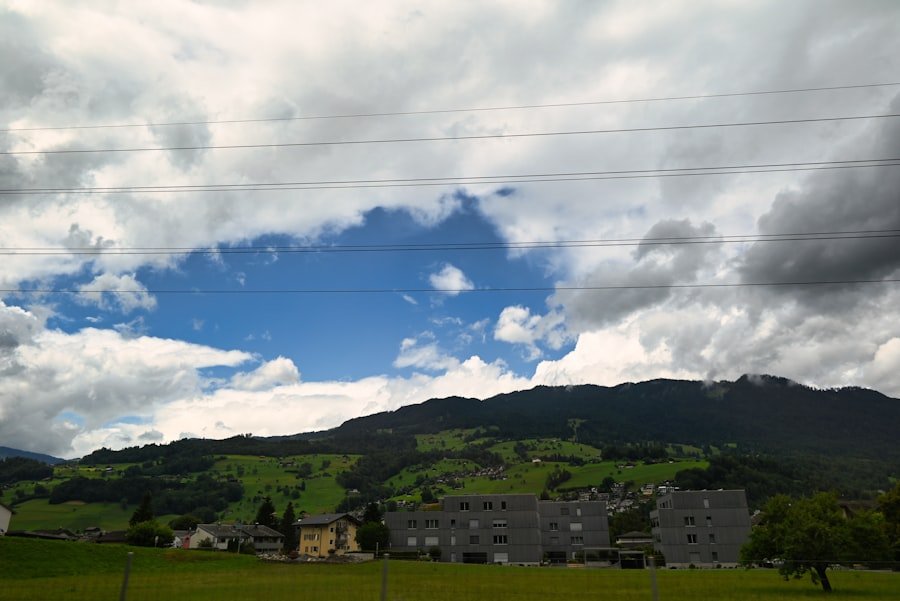
Chur is the only city in Switzerland with its own mountain sports area linked directly from the city centre by aerial cableway — a practical advantage that most Swiss urban bases cannot match. The Brambrüesch cable car departs in two stages from a station within walking distance of the main train station: a large cabin in the first section, then smaller gondolas climbing to a plateau at around 1,595m, with ski terrain reaching 2,200m at the top. The Rhine Valley opens out below almost immediately on ascent. Return tickets are available at 50% discount with the Chur Guest Card [VERIFY: confirm current cable car pricing at churbergbahnen.ch].
In summer, Brambrüesch offers marked hiking trails for all levels, the Alpine Bike Park with downhill mountain bike trails, a themed children’s discovery trail based on the local dragon legend of Churilla and Churion, and mountain restaurants serving regional dishes including Pizokels (buckwheat gnocchi). The trail to the Dreibündenstein plateau — where the borders of three historic Swiss cantons once met — is a rewarding longer hike from the top station. The cable car runs extended Saturday evening hours in summer. In addition to the mountain, the Rhine Valley floor and the Plessur river paths offer gentler cycling and walking routes at city level.
In winter, Brambrüesch operates ski and snowboard slopes alongside a sledding run, while the larger resorts of Arosa and Lenzerheide offer more extensive piste networks. Arosa is particularly convenient: the Arosa Line railway departs directly from Chur station and climbs to the resort in under an hour, making a day trip realistic without a rental car or transfer. Both resorts offer terrain suitable for all levels, from beginner areas to demanding off-piste runs.
Cultural and Historical Attractions in Chur
Chur’s car-free Altstadt (old town) can be walked end to end in under 20 minutes, but the density of historical layers within that compact space rewards a slower pace. Signs on the walls point to the main sights, though taking an unmarked side alley in any direction tends to reveal guild houses, painted facades, and small fountain squares that are just as characteristic of the city.
The main focal point is the Cathedral of Saint Mary of the Assumption — a triple-nave Romanesque and Gothic structure built primarily in the 12th and 13th centuries, set in the courtyard of the Bishop’s Palace. Switzerland Tourism describes it as dating back to the 12th century. The tower offers panoramic views across Chur and the surrounding Grisons peaks [VERIFY: confirm current tower access status before recommending to visitors].
The Rätisches Museum (Rhaetian Museum) occupies a 17th-century patrician house in the old town. Its collection spans over 5,000 years of documented regional history — Bronze Age jewellery, Roman-era finds, medieval artefacts, and traditional Graubünden costumes — with detailed English-language information booklets provided in each room. Signage in the museum itself is in German. Entry is included with the Chur Guest Card [VERIFY: confirm Guest Card coverage at chur.graubuenden.ch]. The Bündner Kunstmuseum (Grisons Museum of Fine Arts) holds an important collection of regional art, including works by Alberto Giacometti, who was born in Graubünden canton.
For something entirely unlike the cathedral circuit, the HR Giger Bar in the old town is a tribute to the Graubünden-born artist who created the creature design for the film Alien. Its interior — all biomechanical arches, skeletal curves, and ribbed ceilings — functions simultaneously as a working bar and a permanent architectural installation. There is genuinely nothing else like it in Switzerland.
Tips for Planning Your Visit to Chur
How to Get to Chur
Direct IC and IR trains from Zurich Hauptbahnhof reach Chur in approximately 75 minutes, with services running every 30 minutes throughout the day. From Zurich Airport, allow around 1 hour 50 minutes with a change at Zurich HB. [VERIFY: confirm current SBB frequency and journey time at sbb.ch before publishing — schedules can change.]
Chur is also the northern terminus of the Rhaetian Railway (RhB), meaning it is the starting point for two iconic scenic routes: the Glacier Express to Zermatt through the Swiss Alps, and the Bernina Express to Tirano in northern Italy — a UNESCO World Heritage route that crosses 55 tunnels and 196 bridges, including the famous Landwasser Viaduct. Seat reservations on both trains are mandatory and should be booked well in advance, particularly in summer. [VERIFY: confirm current reservation requirements and booking windows at rhb.ch or sbb.ch]
No car is needed in Chur itself. The old town is fully car-free, and the local bus network connects the train station to outlying attractions.
When to Book and How to Save
Shoulder seasons (April–May and September–October) offer the strongest combination of conditions and value: pleasant weather, low crowds, and accommodation rates well below peak-summer levels. For July and August stays, book at least 8–10 weeks ahead, and further in advance if your dates overlap with the Churer Fest in mid-August.
Upon check-in at most Chur hotels, ask for the Chur Guest Card — most participating properties issue it automatically on arrival. The card provides free unlimited travel on the local bus network, free or discounted entry to the main museums (including the Rätisches Museum), and a 50% discount on Brambrüesch cable car round trips. Given Switzerland’s general cost level, these savings are material over a two-day stay. [VERIFY: confirm current Guest Card benefits and participating hotels at chur.graubuenden.ch]
Getting Around and Day Trips
The Altstadt is compact and fully walkable — the main sights fit comfortably into a 20-minute circuit, with more if you slow down for the side alleys. The Obertor, a 14th-century tower on the Plessur river, marks the old town’s edge and works well as a natural starting point. For longer distances within Chur, the local bus network is free with the Guest Card.
For day trips, Chur’s RhB connections make the wider region highly accessible without a car:
- Arosa — under 1 hour by the dedicated Arosa Line train from Chur station
- St. Moritz — approximately 2 hours by RhB
- Davos — approximately 90 minutes via Filisur
- Maienfeld (the village associated with the Heidi stories) — around 10 minutes by SBB train
[VERIFY: confirm current journey times via sbb.ch]
On the food front, go beyond fondue: capuns (chard-wrapped parcels of dried meat and dough, a Graubünden speciality) and Pizokels (buckwheat gnocchi, served at mountain restaurants including on Brambrüesch) are the regional dishes worth seeking out.
Is Chur Worth Visiting? Final Verdict
Chur works best as a 1–2 day stop combined with a wider Graubünden or scenic rail itinerary. The car-free old town, the Cathedral of the Assumption, the Rätisches Museum, a Brambrüesch cable car trip, and the Giger Bar together fill a full day comfortably; the Bündner Kunstmuseum and day trips to Arosa or Maienfeld extend that to two.
Its real value is as a transit hub: the Glacier Express and Bernina Express both depart from the main station, making Chur the most practical base in eastern Switzerland for anyone planning a scenic rail journey. Summer (June–August) suits outdoor enthusiasts and festival-goers; winter (November–March) suits skiers who want a city base rather than a purely resort atmosphere; spring and autumn deliver the same sights at the lowest cost and with the fewest crowds. Whatever the season, book the Brambrüesch cable car day around good weather — the Rhine Valley views from the plateau are the single most memorable part of a Chur visit.
Frequently Asked Questions About Visiting Chur
What is Chur, Switzerland known for?
Chur is Switzerland’s oldest city, known for its medieval car-free old town, the Cathedral of the Assumption, and its position as the northern departure point for the Glacier Express and Bernina Express — two of Europe’s most celebrated scenic train journeys. It is the capital of Graubünden canton and the gateway to ski resorts including Arosa and Lenzerheide.
What is the best time to visit Chur, Switzerland?
June to August is the best time to visit Chur for warm weather and outdoor activities, with the Churer Fest taking place in mid-August. For fewer crowds and lower accommodation costs, the shoulder seasons of April–May and September–October offer pleasant conditions. November through March suits visitors focused on skiing at nearby Arosa or Lenzerheide, or experiencing the Churer Weihnachtsmarkt Christmas market in December.
How do you get to Chur from Zurich?
Direct IC or IR trains run from Zurich Hauptbahnhof to Chur every 30 minutes, with a journey time of approximately 75 minutes. From Zurich Airport, allow around 1 hour 50 minutes with a change at Zurich HB. No car is needed — Chur’s compact old town is fully car-free and walkable end to end in under 20 minutes. [VERIFY: confirm current service frequency at sbb.ch]
How many days do you need in Chur?
One to two days is sufficient to explore Chur’s main sights — the car-free old town, Cathedral of the Assumption, Rätisches Museum, and a cable car trip to Brambrüesch. Many visitors combine a city day with a Bernina Express or Glacier Express journey departing from Chur station, or a day trip to Arosa by the direct Arosa Line train.
Is Chur, Switzerland worth visiting?
Yes — Chur is worth a 1–2 day stop, particularly for travellers who combine it with a Rhaetian Railway scenic journey. The car-free old town, cathedral, Brambrüesch cable car, and regional dishes such as rösti and capuns offer a genuine Swiss Alpine experience without the scale of busier tourist hubs. Its central rail connections make it the most practical base for exploring Graubünden by train.