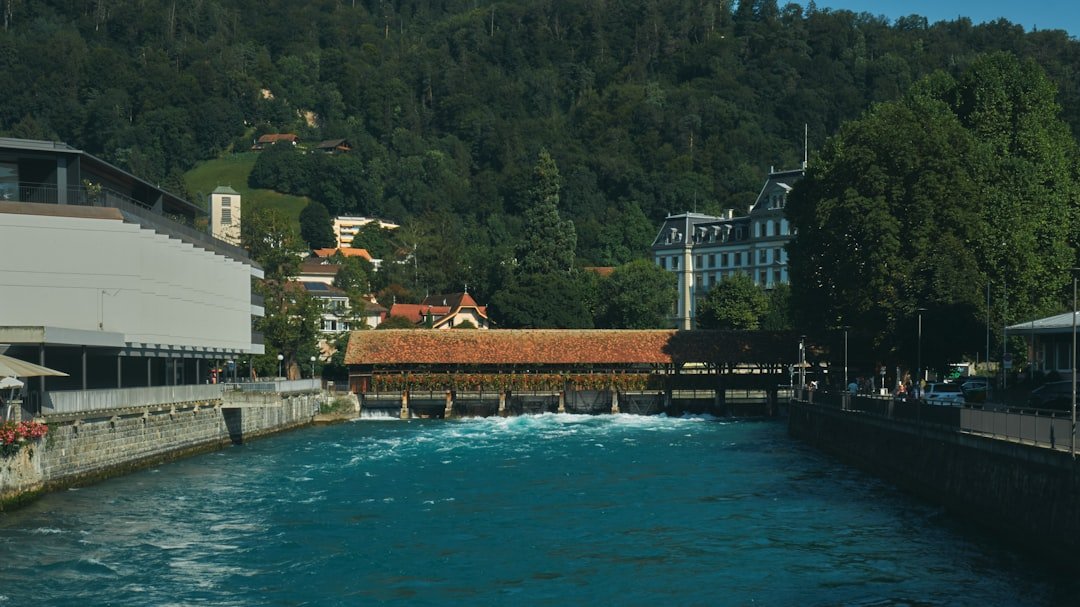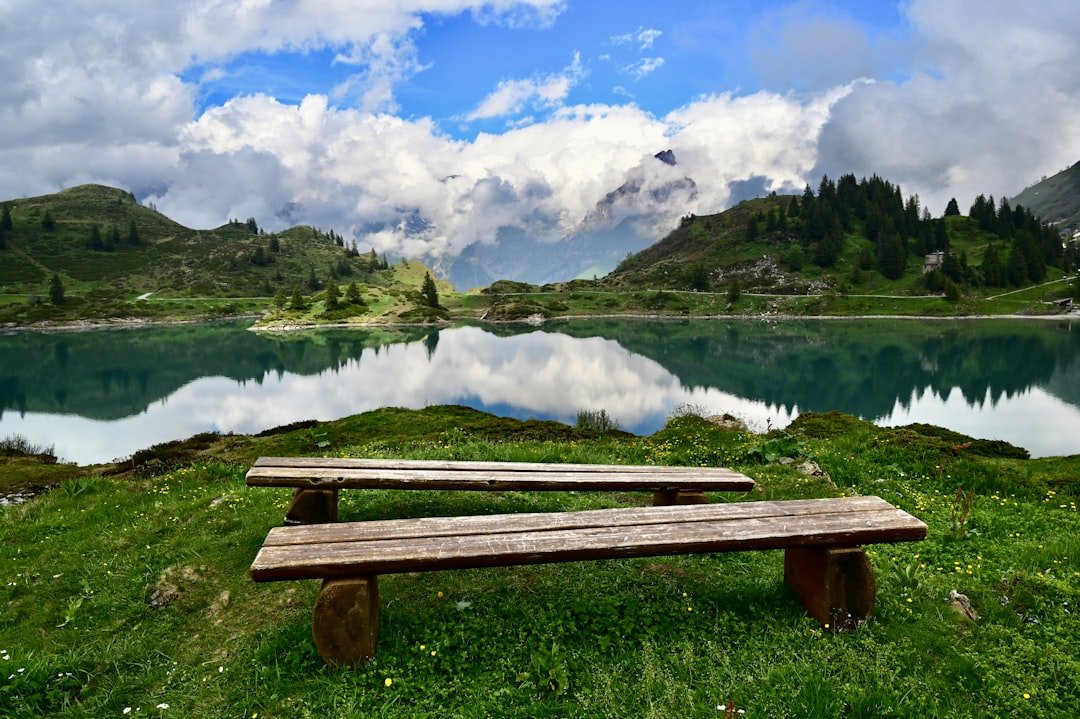
Engelberg is a year-round Swiss Alps destination, but the best time to visit depends on what you want to do. Winter is best for skiing and snowboarding. Summer brings the widest choice of hiking, biking, and mountain activities. Spring and autumn are quieter, although snow, maintenance periods, and reduced lift schedules can limit some plans.
Last updated: July 23, 2026
By: Tagline Today Editorial Team
The village sits at about 1,000 meters above sea level below Mount Titlis. The mountain summit reaches 3,238 meters, while the TITLIS cable-car summit station is at about 3,020 meters. Engelberg also has deep cultural roots: its Benedictine monastery was founded in 1120, giving you a mix of alpine activities, village traditions, Swiss food, and monastery history.
Quick Answer
Visit Engelberg from December to March for the most dependable ski-holiday experience, from June to September for hiking and broad outdoor access, and in September or early October for cooler weather and fewer crowds. Spring is peaceful but less predictable because higher trails can remain snowy and lifts may close for maintenance.
Key Takeaways
- December to March is the easiest window for a classic ski trip, even though high-altitude skiing may begin earlier or continue later when conditions and operations allow.
- June to September is the strongest period for hiking, family outings, and most warm-weather activities.
- Dedicated bike trails often have a shorter operating season than general hiking routes, so check each trail and lift before traveling.
- Spring and late autumn can be quiet and scenic, but closures, mud, snow, and reduced services require flexible plans.
- Always check live lift, trail, weather, and avalanche information because conditions differ sharply between Engelberg village and the TITLIS summit area.
Best Time to Visit Engelberg at a Glance
| Travel Goal | Best Time | What to Know |
|---|---|---|
| Skiing and snowboarding | December to March | Best mix of winter atmosphere, operating services, ski-school access, and trip reliability. |
| Early or late glacier skiing | October to May, when open | High-altitude skiing may operate beyond the core winter, but open slopes and valley access vary by date and conditions. |
| Hiking | June to September | Many valley and mountain routes are available, although high trails can still hold snow in early summer. |
| Mountain biking | July to October for many lift-served trails | General bike routes may open earlier, but several Jochpass bike-only trails list July to October as their normal season. |
| Mount Titlis sightseeing | Much of the year, outside closures | Do not limit a TITLIS day trip to summer. Check the official timetable, maintenance notices, wind, and visibility before going. |
| Fewer crowds and autumn color | September to early October | Cooler days and quieter paths can be rewarding, but services may begin reducing later in the season. |
| Quiet village break | April to May or November | Best for flexible travelers who value calm streets more than a full lift and trail schedule. |
Important Engelberg Travel Updates for 2026
Several current projects can affect a 2026 trip. Check the linked official pages again shortly before departure because construction details and operating plans can change.
Note: TITLIS lists construction-related access restrictions from May 21, 2026, until approximately the end of 2029. Wheelchair users can reach Trübsee and a limited part of the new summit area, but other summit areas may be partly inaccessible. The Glacier Cave and Cliff Walk also require stairs.
- TITLIS cableway work: Official information lists additional work from mid-August to mid-December 2026. Summit transport is planned through the parallel TITLIS Connect cable car while the Rotair system is modernized, but access for visitors who depend on lifts is restricted.
- Lucerne–Engelberg railway closure: From September 7 to November 1, 2026, sections of the line are scheduled to close for construction. Replacement buses will run, and travelers should allow extra time.
- Daily conditions: Lift, trail, fire-ban, and activity status can change with weather or local restrictions. Check the official open-facilities page on the morning of your mountain day.
Engelberg Month-by-Month Guide
| Period | Best For | Main Trade-Off |
|---|---|---|
| January to March | Skiing, snowboarding, winter atmosphere, and ski-school trips | Peak weekends and school holidays can be busy and expensive. |
| April to May | Late snow at altitude, quiet village time, monastery visits, and lower walks | Mud, lingering snow, and lift maintenance can limit plans. |
| June | Green valleys, many hikes, long daylight, and fewer crowds than midsummer | Higher routes may still have snow, and some bike trails may not yet be open. |
| July to August | The broadest warm-weather choice, family activities, biking, hiking, and Swiss National Day on August 1 | Popular weekends are busy, and afternoon storms can disrupt exposed routes. |
| September | Comfortable hiking, fewer families after school holidays, and early autumn scenery | Days shorten, schedules may change, and 2026 rail works require extra planning. |
| October | Autumn color, cool walks, photography, and possible early glacier skiing | Weather and operations become less predictable. |
| November to December | A quiet pre-winter break, Christmas atmosphere, and the start of broader ski operations | November is a transition month; early December may not yet have every slope or valley run open. |
Winter in Engelberg: Best Time for Skiing and Snowboarding
Winter turns Engelberg into a major ski base in Central Switzerland. The Engelberg–TITLIS area advertises 82 kilometers of slopes, with blue, red, and black runs serving a range of abilities. Its high-altitude terrain can support a long season, while the valley run and lower slopes depend more heavily on snow and operating dates.
For most travelers, December to March is the safest planning window for a classic ski holiday. This period usually gives you the strongest mix of snow cover, winter atmosphere, open services, rental shops, and ski-school availability. October, November, April, and May can work for flexible skiers, but fewer slopes may be open.
Beginners can use ski-school zones and easier marked pistes, while advanced visitors come for steeper runs and freeride terrain. Check the piste map before booking accommodation so you understand which base area best fits your ability and planned lessons.
Warning: Off-piste terrain is not a casual extension of a marked ski run. Check the Swiss SLF avalanche bulletin, carry appropriate rescue equipment, and use a qualified local guide unless you have the training to assess avalanche terrain yourself.
Pro Tip: Book lodging, lessons, and rentals early for Christmas, New Year, school holidays, and peak ski weekends. Check live snow and lift reports before buying non-refundable products.
Spring in Engelberg: Quieter Trails, Melting Snow, and Flexible Plans
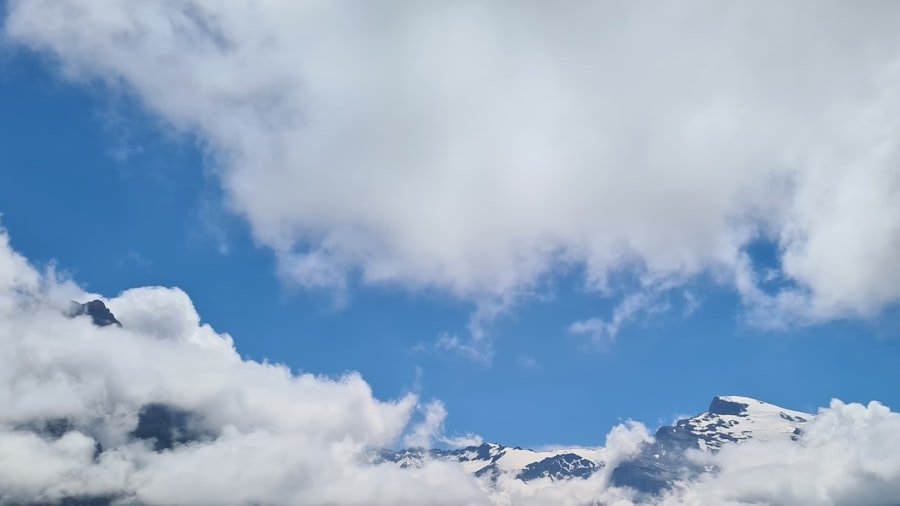
Spring in Engelberg is a transition season. Lower meadows begin to turn green, while higher trails can remain snowy. It suits quiet village stays, easier valley walks, monastery visits, and travelers who do not need every mountain route to be open.
The Brunni side can be a useful option for family-friendly scenery and easier walks when routes and lifts are operating. Even there, a path can change from dry to muddy or snowy over a short distance. Check the current trail map and choose a route that matches the conditions, not only the season.
Mountain biking becomes more practical as trails dry. Early spring is too soon to assume that all routes are ready, and several dedicated downhill trails normally open later. If biking is your main goal, summer or early autumn is safer than April or early May.
Summer in Engelberg: Hiking, Biking, Mount Titlis, and Alpine Activities
| Activity | Strongest Period | Best For |
|---|---|---|
| Hiking | June to September | Valley walks, alpine trails, lake routes, and family-friendly paths. |
| Mountain biking | July to October for many bike-only trails | Lift-served trail riding, downhill routes, and scenic rides around the valley. |
| Mount Titlis day trip | Summer is convenient, but access is broader than summer | Glacier scenery, cable cars, the Cliff Walk, and high-alpine views when open and visible. |
| Swiss National Day | August 1 | Travelers who want Swiss flags, community celebrations, and a festive national atmosphere. |
| Seasonal events | Varies each year | Music, sports, food, monastery culture, and alpine traditions. Confirm dates in the official event calendar. |
Summer is the best time to visit Engelberg if you want the widest range of warm-weather activities. The valley is green, many hiking paths are available, and long daylight gives you more time outside. Popular choices include hiking, biking, climbing, paragliding, cable-car rides, and day trips toward Mount Titlis.
Summer also works well for families because you can mix active days with easy village time. A balanced plan might include one high-alpine day around TITLIS, one moderate walk around Brunni or Trübsee, and one relaxed day for Engelberg Abbey, cafés, and local food.
Choose summer for the easiest all-around Engelberg trip: you get broad trail access, mountain views, village culture, and many activity choices without needing ski equipment.
Autumn in Engelberg: Foliage, Cool Weather, and Fewer Crowds
Autumn gives Engelberg a slower, more scenic feel. The hillsides can shift into shades of red, orange, and gold, while cooler air makes walking comfortable. It is a strong season for photography, quiet paths, and travelers who prefer fewer crowds than peak summer.
Autumn also suits cultural travelers. Engelberg Abbey, village walks, food stops, and seasonal events can fill the day when mountain weather changes. Some lifts, hotels, and attractions may reduce hours after the main summer period, so confirm schedules before fixing your itinerary.
September is usually easier for outdoor plans than late October because more trails and services are likely to be active. Late autumn can still be attractive, but shorter days, early snow, and maintenance work can affect higher routes.
Weather and Climate in Engelberg by Season
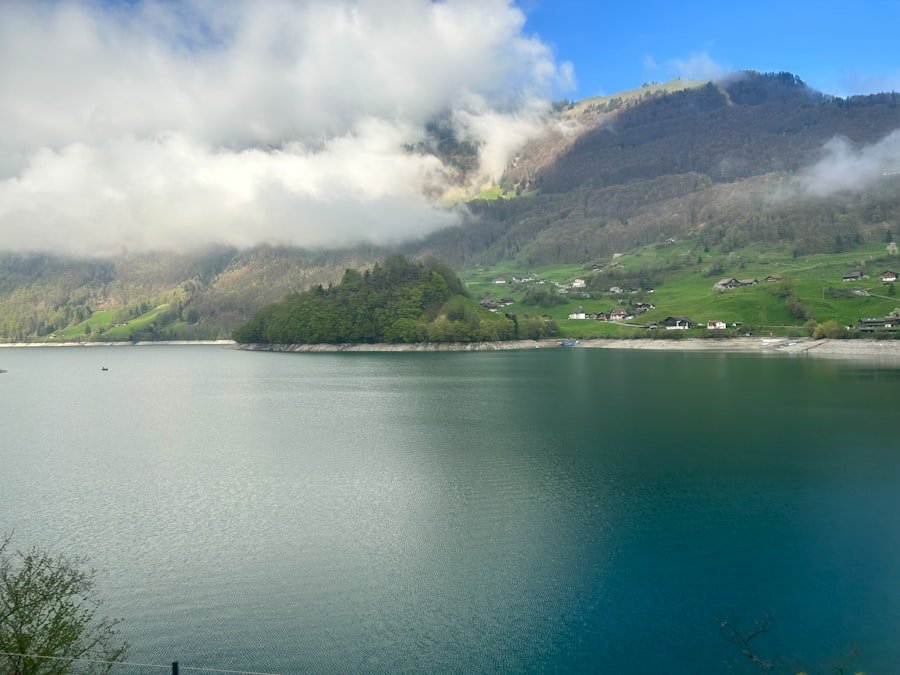
Engelberg has an alpine climate, so conditions can change quickly between the village, the valley, and the high mountain. Temperatures and visibility at the TITLIS summit station can be very different from what you experience near your hotel on the same day.
| Season | Typical Conditions | What to Pack |
|---|---|---|
| Winter | Cold and snowy, with stronger wind and colder conditions at altitude. | Insulated layers, waterproof outerwear, gloves, a warm hat, eye protection, and snow-ready footwear. |
| Spring | Mixed conditions, including melting snow, rain, mud, and warm valley afternoons. | Waterproof shoes, a rain jacket, light layers, and one warm layer for higher areas. |
| Summer | Mild or warm in the valley, cooler on the mountain, with possible rain or thunderstorms. | Sun protection, hiking shoes, water, a rain shell, and a light insulating layer. |
| Autumn | Cooler mornings, shorter days, changing foliage, and possible early snow at altitude. | Layered clothing, a warm jacket, sturdy shoes, rain protection, and a headlamp for longer walks. |
Use seasonal descriptions only as a planning guide. Before travel, check the official Engelberg forecast, TITLIS conditions, open-trails page, and the SLF avalanche bulletin in snowy conditions.
Crowds, Prices, and When to Book
Demand is usually highest during Christmas and New Year, winter school holidays, sunny ski weekends, and popular summer weekends. Accommodation, lessons, rentals, and some transport products can sell out or become more expensive during these periods.
Shoulder seasons often give you more lodging choice and quieter streets, but a lower room rate is not automatically better value if the lift, trail, or activity you want is closed. Compare the full trip, including operating days, weather flexibility, and any non-refundable bookings.
- Winter: Book early for holiday weeks and reserve beginner lessons before arrival.
- Summer: Reserve popular weekend accommodation in advance, especially when local events overlap with good weather.
- Spring and autumn: Flexible or refundable bookings are more useful because operations can change.
Getting to Engelberg and Around the Village
The direct Luzern–Engelberg Express normally takes about 43 minutes from Lucerne and runs hourly. From Engelberg station, you can walk through the village or use the free local bus to reach valley stations and other major stops.
Travelers arriving by car normally use the A2 and exit at Stans-Süd before following the main road into Engelberg. Winter drivers should check road and weather conditions and make sure the vehicle meets Swiss seasonal equipment requirements.
Pro Tip: Public transport removes the need to park near busy lift stations. During the September 7 to November 1, 2026 rail works, check the temporary timetable and add time for replacement buses.
Tips for Visiting Engelberg in Each Season
In winter, plan around current ski conditions rather than calendar dates alone. Pack thermal base layers, waterproof outerwear, insulated gloves, and proper footwear. Book ski lessons early if you are a beginner or traveling during school holidays.
In spring, stay flexible. Lower trails may open while higher routes remain snowy. Pack both light clothing and warm layers, and use waterproof hiking shoes for wet or muddy paths.
Summer visitors should start long hikes or bike rides early, when temperatures are cooler and the weather may be calmer. Bring sunscreen, sunglasses, water, food, and a light rain layer because ultraviolet exposure and mountain weather can both surprise you.
In autumn, bring layers and leave room for slower travel. Cool mornings, clear views, colorful trails, and local food stops can make the season rewarding. Check Engelberg's official event calendar for farmers’ markets, food events, monastery programs, and seasonal celebrations instead of assuming that a recurring event will run on the same date each year.
Sample Engelberg Itinerary by Season
A simple seasonal plan helps you avoid wasting time after arrival. Use these examples as a starting point, then adjust for weather, lift schedules, trail status, and your fitness level.
Winter Weekend Itinerary
- Day 1: Arrive, collect ski rentals, walk through the village, and confirm next-day lift status.
- Day 2: Ski or snowboard in the Engelberg–TITLIS area, then have a relaxed dinner in the village.
- Day 3: Choose an easier ski session, visit Engelberg Abbey, or take a marked winter walk before departure.
Spring Weekend Itinerary
- Day 1: Explore the village and monastery, then check which valley paths are dry and open.
- Day 2: Choose a lower walk or a lift-served outing that matches current snow and maintenance conditions.
- Day 3: Keep a weather-proof option, such as a cultural visit, café stop, or short valley walk, before leaving.
Summer Weekend Itinerary
- Day 1: Arrive, walk around the village, and check the forecast for mountain activities.
- Day 2: Visit Mount Titlis or choose a full hiking day on an open route.
- Day 3: Try an easier Brunni-area walk, a bike ride, or a cultural stop before departure.
Autumn Weekend Itinerary
- Day 1: Explore the village, abbey, and local food stops.
- Day 2: Take a foliage walk or mountain outing while visibility and operating hours are favorable.
- Day 3: Choose a shorter trail or scenic train journey, allowing extra transport time during any planned construction period.
Choosing the Best Time to Visit Engelberg
The best time to visit Engelberg depends on your first priority. Choose winter if skiing and snowboarding matter most. Choose summer if you want hiking, biking, paragliding, and the fullest range of outdoor activities. Choose spring or autumn if you prefer fewer crowds and can stay flexible with weather and operations.
For many first-time visitors, June to September offers the easiest all-around trip. For winter-sports travelers, December to March gives the most dependable ski-holiday feel. For calm streets, changing scenery, and flexible days, the shoulder seasons can be excellent, but you should verify lift and trail openings before booking.
Timing can significantly improve an Engelberg trip because the village offers a different mix of activities through the year. For more destination guides and practical travel tips, visit Tagline Today.
Sources
- Engelberg-Titlis winter information and official hiking information — ski-area facts, seasonal activities, and hiking guidance.
- Engelberg-Titlis open facilities page — current lifts, trails, activities, and local notices.
- TITLIS official visitor information — operating access, construction updates, and accessibility restrictions.
- Swiss SLF avalanche bulletin — current avalanche danger and snowpack warnings.
- Zentralbahn Luzern–Engelberg Express — normal journey time, frequency, and train information.
- Zentralbahn 2026 line-closure notice — replacement-bus period and affected rail sections.
Frequently Asked Questions
What is the best time to visit Engelberg?
Choose December to March for a dependable ski trip and June to September for hiking and broad outdoor access. September and early October are good for cooler weather and fewer crowds. Spring is quiet but requires flexible plans because snow and maintenance can close higher routes.
When is the ski season in Engelberg?
The core ski-holiday period is usually December to March. High-altitude TITLIS skiing may be available from October into May, but specific slopes, valley runs, and lifts follow operating schedules and snow conditions. Check the live report before booking an early- or late-season trip.
Is Engelberg good for beginners in winter?
Yes. Engelberg has marked easier terrain and ski-school options, although the destination is also known for advanced and freeride skiing. Beginners should reserve lessons, use open marked pistes, and avoid unguided off-piste routes.
When is the best time to visit Engelberg for hiking?
June to September is the strongest general hiking period. Lower routes may open earlier, while high paths can keep snow into early summer. Check the official trail status, route difficulty, weather, and last lift times before starting.
What is the weather like in Engelberg during winter?
Winter is cold and snowy, especially at higher elevations. Conditions in the village can be much milder than at the TITLIS summit station. Pack insulated layers, waterproof footwear and outerwear, gloves, a warm hat, and eye protection.
What is Engelberg like in spring?
Spring is a transition season. Lower meadows and paths begin to open, but higher routes may still be snowy, muddy, or closed. It is a good time for a quieter village stay, monastery visits, lower walks, and flexible bookings.
What is Engelberg like in summer?
Summer brings green valleys, long days, hiking, mountain biking, climbing, paragliding, and cable-car outings. It is the easiest season for travelers who want many outdoor choices without organizing a ski trip.
Is autumn a good time to visit Engelberg?
Yes. September and early October can offer cool walking weather, colorful scenery, and fewer crowds. Later in autumn, shorter days, early snow, rail work, and reduced lift schedules may require a more flexible itinerary.
Can you visit Mount Titlis outside summer?
Yes. Mount TITLIS sightseeing is not limited to June through September. Access is available during much of the year, but maintenance closures, wind, construction, and visibility can affect the experience. Check the official timetable before choosing a date.
Are there special events or festivals in Engelberg?
Engelberg hosts sports, music, food, monastery, and cultural events throughout the year. Switzerland also celebrates National Day on August 1. Dates and formats change, so use the official Engelberg event calendar when planning around an event.
How many days do you need in Engelberg?
Two to three days work well for a first visit. You can use one day for Mount TITLIS, one for hiking or skiing, and one for the village, monastery, or another mountain area. Add more days for serious skiing, long hikes, or weather flexibility.
Should you book Engelberg accommodation early?
Book early for Christmas, New Year, winter school holidays, and popular summer weekends. Shoulder seasons usually offer more flexibility, but refundable rates are useful because lift schedules and trail conditions can change.
Is Mount Titlis fully wheelchair accessible in 2026?
No. TITLIS reports construction-related restrictions from May 21, 2026, through approximately the end of 2029. Some areas remain accessible, but the Glacier Cave and Cliff Walk require stairs, and summit access can change during construction. Confirm current details directly with TITLIS before traveling.