

Hyde Park, one of London’s most iconic green spaces, is a sprawling oasis that offers a unique blend of natural beauty, historical significance, and recreational opportunities. Covering approximately 350 acres, it is one of the largest parks in the city and serves as a vital lung for the urban environment. Established in 1536 as a hunting ground for King Henry VIII, Hyde Park has evolved over the centuries into a public park that attracts millions of visitors each year.
Its rich history is interwoven with significant events, from royal celebrations to public protests, making it a focal point of London’s cultural and social life. The park is home to several notable landmarks, including the Serpentine Lake, the Diana Memorial Fountain, and the famous Speakers’ Corner, where individuals can express their views on various topics. The diverse flora and fauna within the park create a serene atmosphere that contrasts sharply with the bustling city surrounding it.
Whether one seeks a leisurely stroll, an invigorating jog, or simply a place to relax and enjoy nature, Hyde Park caters to all preferences. Its accessibility and central location make it a must-visit destination for both locals and tourists alike.
Key Takeaways
- Hyde Park is a famous public park in London, known for its beautiful landscapes and historical significance.
- The weather in Hyde Park is generally mild, with cool winters and warm summers, making it a great destination year-round.
- The peak tourist seasons in Hyde Park are during the summer months, from June to August, when the weather is warm and pleasant.
- The off-peak tourist seasons in Hyde Park are during the winter months, from November to February, when the park is less crowded and accommodation prices are lower.
- Hyde Park hosts various events and festivals throughout the year, offering visitors unique experiences and entertainment.
Weather and Climate in Hyde Park
The weather in Hyde Park is characterized by a temperate maritime climate, typical of London. This means that visitors can expect mild temperatures throughout the year, with no extreme seasonal variations. Summers are generally warm, with average high temperatures ranging from 20°C to 25°C (68°F to 77°F), while winters can be chilly, with temperatures often hovering around 0°C to 8°C (32°F to 46°F).
Rainfall is relatively evenly distributed throughout the year, making it essential for visitors to be prepared for sudden showers regardless of the season. Spring and autumn are particularly delightful times to visit Hyde Park. In spring, the park bursts into life with blooming flowers and lush greenery, creating a picturesque setting for outdoor activities.
Autumn brings a stunning display of colors as the leaves change, providing a beautiful backdrop for leisurely walks. However, summer remains the most popular time for visitors due to longer daylight hours and warmer weather, making it ideal for picnics and outdoor events. Understanding the climate can significantly enhance the experience of exploring this historic park.
Peak Tourist Seasons in Hyde Park
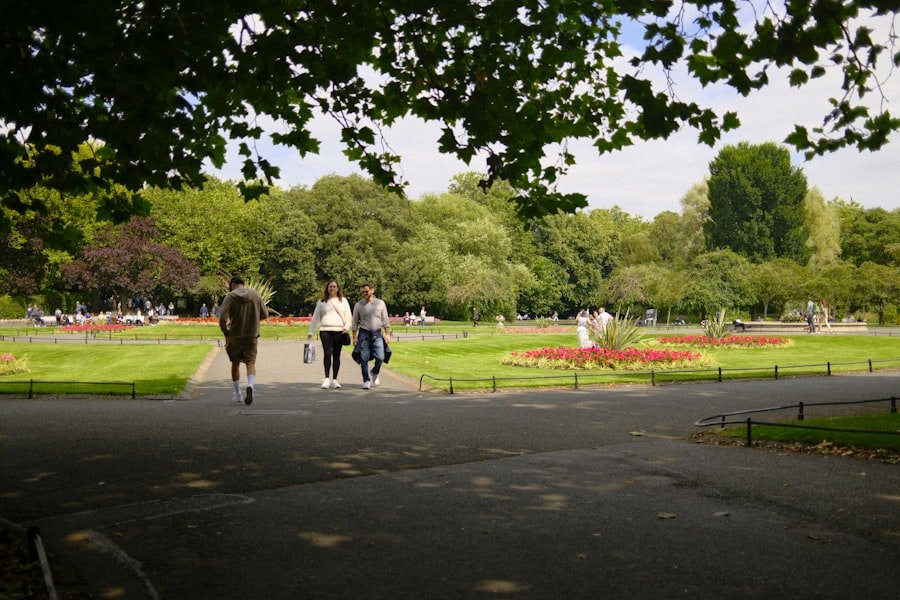
Hyde Park experiences peak tourist seasons primarily during the summer months, particularly from June to August. This period coincides with school holidays in the UK and many other countries, leading to an influx of families and international tourists eager to enjoy the warm weather and vibrant atmosphere. During these months, the park becomes a hub of activity, with visitors flocking to its open spaces for picnics, sunbathing, and various recreational activities.
The Serpentine Lake often sees an increase in boating activities, while the park’s pathways are bustling with joggers and cyclists. Another peak season occurs during major events and festivals held in the park. For instance, the annual Winter Wonderland transforms Hyde Park into a festive wonderland during the Christmas season, attracting thousands of visitors with its ice skating rink, Christmas markets, and amusement rides.
Additionally, concerts and cultural events hosted in the park during summer months draw large crowds, further contributing to the peak tourist experience. The vibrant atmosphere during these times makes Hyde Park an exciting destination but also means that visitors should be prepared for larger crowds and potential wait times at popular attractions.
Off-Peak Tourist Seasons in Hyde Park
Conversely, off-peak tourist seasons in Hyde Park typically occur during the colder months from November to March. During this time, fewer tourists visit the park due to colder temperatures and shorter daylight hours. While winter can be chilly and damp, it offers a unique charm that many visitors appreciate.
The tranquility of the park during these months allows for peaceful walks and moments of reflection amidst nature without the hustle and bustle of larger crowds. Visiting during off-peak seasons also provides opportunities for more intimate experiences with the park’s attractions. For example, one can enjoy the serene beauty of frost-covered trees or take part in winter activities like brisk walks or birdwatching without being interrupted by large groups.
Additionally, local residents often frequent the park during these months, providing a more authentic glimpse into daily life in London. This quieter atmosphere can be particularly appealing for those seeking solitude or a break from the fast-paced city life.
Events and Festivals in Hyde Park
Hyde Park is renowned for hosting a variety of events and festivals throughout the year that cater to diverse interests. One of the most notable events is the annual British Summer Time festival, which features live music performances from world-renowned artists across multiple genres. This event transforms Hyde Park into an open-air concert venue, attracting music lovers from all over the globe.
The festival not only showcases musical talent but also includes food stalls and family-friendly activities, making it a comprehensive entertainment experience. In addition to music festivals, Hyde Park also hosts cultural events such as art exhibitions and outdoor cinema screenings during the summer months. The Serpentine Gallery, located within the park, frequently features contemporary art exhibitions that draw art enthusiasts and casual visitors alike.
Furthermore, seasonal events like Winter Wonderland bring festive cheer during the holiday season with attractions such as ice skating rinks, Christmas markets, and circus performances. These events not only enhance the vibrancy of Hyde Park but also create lasting memories for those who attend.
Best Time for Outdoor Activities in Hyde Park
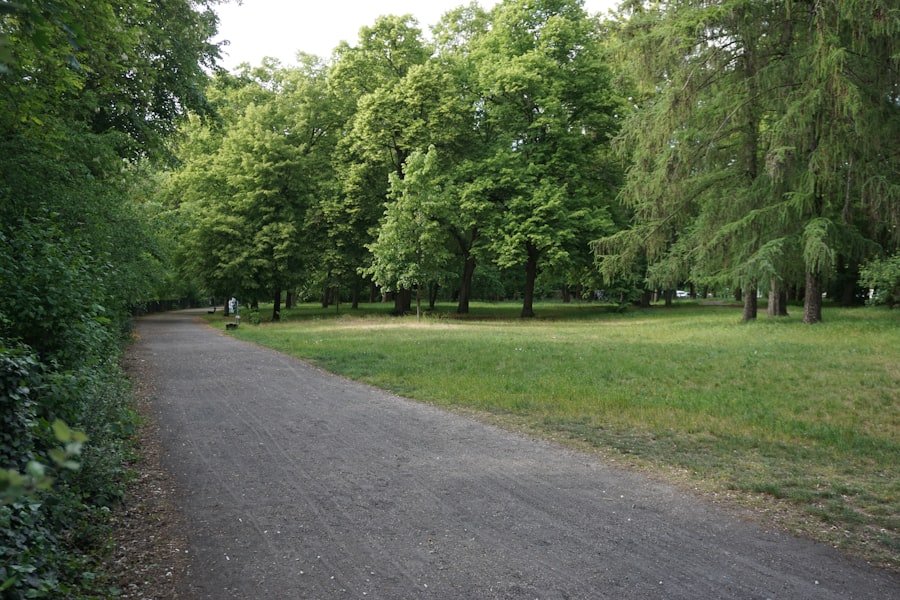
The best time for outdoor activities in Hyde Park largely depends on personal preferences regarding weather conditions and crowd levels. For those who enjoy warm weather and longer days, late spring through early autumn is ideal for engaging in various outdoor pursuits. From May to September, visitors can partake in activities such as cycling along designated paths, jogging around the Serpentine Lake, or simply enjoying leisurely picnics on the lush lawns.
The pleasant temperatures during these months encourage people to spend extended periods outdoors. However, autumn can also be an excellent time for outdoor activities as well. The cooler temperatures make physical exertion more comfortable while offering stunning views of changing foliage.
Activities like walking or running become particularly enjoyable as visitors can take in the vibrant colors of fall leaves against the backdrop of clear blue skies. Additionally, birdwatching becomes more rewarding during this season as migratory birds pass through the area. Ultimately, while summer is often seen as prime time for outdoor fun in Hyde Park, both spring and autumn offer unique opportunities for exploration and enjoyment.
Best Time for Sightseeing in Hyde Park
When it comes to sightseeing in Hyde Park, timing can significantly enhance the experience. The best time for sightseeing is typically during late spring (April to June) or early autumn (September to October). During these periods, visitors can enjoy mild weather that is conducive to walking tours without being overwhelmed by heat or rain.
The blooming flowers in spring create picturesque scenes around landmarks like the Diana Memorial Fountain and Rose Garden, while autumn offers breathtaking views of colorful foliage. Moreover, visiting during these shoulder seasons allows tourists to avoid peak crowds that characterize summer months. This means shorter wait times at popular attractions such as Speakers’ Corner or the Serpentine Gallery.
Additionally, early mornings or late afternoons are ideal times for sightseeing as they provide softer lighting for photography while also allowing visitors to experience a quieter atmosphere within the park. These moments can lead to more meaningful interactions with both nature and fellow visitors.
Tips for Visiting Hyde Park During Peak Seasons
Visiting Hyde Park during peak seasons requires some strategic planning to ensure an enjoyable experience amidst larger crowds. First and foremost, arriving early in the day can help avoid congestion at popular spots within the park. Early mornings not only offer cooler temperatures but also provide an opportunity to witness local wildlife waking up and enjoying their surroundings before tourists arrive en masse.
Another tip is to plan visits around specific events or festivals taking place in the park. While these events can attract large crowds, they also offer unique experiences that may enhance your visit. For instance, attending a concert during British Summer Time can be an unforgettable experience if you enjoy live music.
However, it’s advisable to book tickets in advance due to high demand. Additionally, consider exploring lesser-known areas of Hyde Park during peak times. While attractions like the Serpentine Lake are popular draws, hidden gems such as the Italian Gardens or secluded pathways offer tranquil spots away from bustling crowds.
Bringing along essentials like water bottles and snacks can also enhance your experience by allowing you to take breaks without needing to navigate crowded food stalls.
Tips for Visiting Hyde Park During Off-Peak Seasons
Visiting Hyde Park during off-peak seasons presents its own set of advantages that can lead to a more relaxed experience. One key tip is to dress appropriately for colder weather; layering clothing can help ensure comfort while exploring the park’s vast expanse. Additionally, bringing along a thermos filled with hot beverages can make chilly walks more enjoyable.
Another suggestion is to take advantage of seasonal changes by engaging in activities that are particularly suited for winter or early spring visits. For example, winter months may offer opportunities for photography featuring frost-covered landscapes or even snow if conditions permit. Early spring is perfect for witnessing blooming flowers and enjoying quieter paths before larger crowds arrive.
Moreover, consider participating in guided tours that focus on specific themes such as history or wildlife observation during off-peak times when groups are smaller. These tours often provide deeper insights into Hyde Park’s rich heritage while allowing for personalized attention from guides who can answer questions or share anecdotes about significant landmarks.
Special Considerations for Visiting Hyde Park
When planning a visit to Hyde Park, there are several special considerations that can enhance your overall experience. Accessibility is one important factor; Hyde Park is designed to accommodate visitors with mobility challenges through paved pathways and accessible facilities throughout its grounds. Wheelchair rentals are available at designated locations within the park.
Another consideration involves understanding park regulations regarding pets; while dogs are welcome in most areas of Hyde Park, they must be kept on leads at all times and are not allowed near playgrounds or certain designated areas like swimming zones in the Serpentine Lake. Being mindful of these regulations ensures a safe environment for all visitors. Additionally, it’s wise to familiarize yourself with available amenities such as restrooms and food options before embarking on your adventure through Hyde Park.
Knowing where these facilities are located can save time and enhance comfort during your visit.
Conclusion and Final Recommendations for Visiting Hyde Park
Hyde Park stands as a testament to London’s commitment to preserving green spaces amidst urban development while offering countless opportunities for recreation and relaxation. Whether you choose to visit during peak tourist seasons when energy abounds or opt for quieter off-peak times that allow for introspection amidst nature’s beauty, each experience holds its own unique charm. Ultimately, planning ahead by considering weather conditions, event schedules, and personal preferences will ensure that your visit aligns with your expectations.
Embrace all that this historic park has to offer—from its stunning landscapes to its rich cultural heritage—and create lasting memories within one of London’s most cherished landmarks.
If you’re planning a visit to Hyde Park, you may also be interested in reading about the delightful world of Asian melon. This article explores the different varieties of Asian melon and how to enjoy them in various dishes. Check it out