Hyde Park works in every season, but the best time depends on whether you want flowers, quiet paths, boating, concerts, autumn colour, or festive attractions. For the best balance of pleasant walking weather, attractive scenery, and manageable crowds, plan your visit for late spring or early autumn and check official park notices before you travel.
Last updated: July 23, 2026
Quick Answer
The best time to visit Hyde Park is from April to June or September to early October. Choose late spring for greenery and flowers, early autumn for comfortable walks and softer light, summer for boating and events, or November to January for the seasonal Winter Wonderland experience.
Key Takeaways
- April to June and September to early October offer the best overall mix of weather, scenery, daylight, and crowd levels.
- The Hyde Park Rose Garden is usually at its best in early summer, with the main display in June and July.
- Summer suits picnics, boating, swimming at the seasonal Serpentine Lido, concerts, and long evenings, but warm weekends and event dates are busier.
- Weekday mornings before 10am are usually the safest choice for a peaceful walk, jogging, sightseeing, or photography.
- Check The Royal Parks and official event pages because maintenance, severe weather, and major events can affect routes and access.
Best Time to Visit Hyde Park by Experience
| Visit goal | Best time | Why it works |
|---|---|---|
| Flowers and fresh greenery | April to June | Spring growth and early-summer planting brighten the lawns, the Dell, and the Rose Garden. |
| Rose Garden | June and July | The Royal Parks identifies June and July as the main full-bloom period, although some roses continue until the first frosts. |
| Picnics and long evenings | June to August | Warmer afternoons and longer daylight suit the lawns, lakeside paths, and outdoor cafés. |
| Boating | Late March to October for the widest availability | Boats normally operate daily from late March through October and on selected days in winter, subject to weather and seasonal hours. |
| Open-water swimming | Mid-May to mid-September | Public swimming at the Serpentine Lido is seasonal and may be affected by water quality or weather. |
| Fewer crowds | Weekday mornings in March, April, September, October, or winter outside events | You avoid the busiest warm-weather afternoons and major-event arrivals. |
| Concerts and summer atmosphere | Late June to mid-July, depending on the year | BST Hyde Park brings major music events and related programming. The 2026 series ran from June 27 to July 12. |
| Autumn colour and photography | Late September to early November | Lower light, cooler air, and changing leaves suit relaxed walks and landscape photos. |
| Festive lights and rides | November to January, on announced event dates | Hyde Park Winter Wonderland turns part of the park into a ticketed seasonal attraction. Exact dates and opening times vary by year. |
| Photography | Early morning or late afternoon | Softer light works well around the Serpentine, the Rose Garden, the Dell, and tree-lined paths. |
Best Time to Visit Hyde Park Month by Month
This month-by-month guide helps you match the season to your priorities. London weather changes quickly, so use it as a planning guide rather than a guarantee.
| Month | What to expect | Best for |
|---|---|---|
| January | Cold, short days and quieter paths after the festive period. | Peaceful walks and low crowd levels. |
| February | Still cool, with early signs of spring and occasional snowdrops. | Birdwatching, jogging, and quiet photography. |
| March | Longer days, fresh growth, and changeable weather. | Shoulder-season sightseeing and lower crowds. |
| April | Milder walks, spring flowers, and greener lawns. | First-time visits, walking, and photography. |
| May | Comfortable temperatures, long daylight, and early roses. | The best all-round balance for many visitors. |
| June | Long evenings, summer planting, roses, boating, and events. | Picnics, the Rose Garden, and outdoor activities. |
| July | Warm weather, strong Rose Garden colour, and major-event crowds. | Concerts, boating, swimming, and lively atmosphere. |
| August | Warm afternoons and school-holiday activity, with fewer major concerts than early July. | Picnics, family visits, and long walks. |
| September | Comfortable walking conditions, softer light, and easing summer crowds. | Sightseeing, photography, and relaxed outdoor activity. |
| October | Cooler weather, autumn leaves, and more frequent wet spells. | Autumn walks and lower crowd levels. |
| November | Shorter days and quiet paths until festive-event activity begins. | Peaceful walks or Winter Wonderland, depending on dates. |
| December | Cold, early darkness, festive crowds near the event area, and quieter spaces elsewhere. | Festive attractions or a short daytime walk. |
Weather and Climate in Hyde Park
Hyde Park has the same changeable temperate climate as central London. You can expect mild spring days, warm summers, cool autumns, and damp winter spells. Rain is possible in every month, so a light waterproof layer is useful even when the forecast looks settled.
Met Office long-term averages for London and southeast England show the general pattern: daytime temperatures rise through spring, peak in July and August, and fall quickly during autumn. Recent UK climate reports also show that hot spells are becoming more frequent, so check the short-range forecast rather than relying only on historic averages.
Spring is one of the easiest seasons for walking. April, May, and June usually provide comfortable conditions, fresh leaves, and colourful planting without every day feeling like peak summer. The Dell has early flowers in spring, while roses begin appearing later in the season.
Summer brings the warmest weather and longest days. It is a strong choice for picnics, cycling, boating, public sessions at the Serpentine Lido, and open-air events. It is also when you are most likely to share the park with large tourist groups, families, runners, cyclists, and concertgoers.
Autumn is underrated. September and early October often remain comfortable for walking, and lower sun gives the park a softer look. Later autumn becomes cooler and wetter, but the changing leaves and quieter routes can reward visitors who dress for the weather.
Winter is usually cool rather than extreme in central London. Expect short days, damp paths, bare trees, and quieter open spaces outside the festive-event period. Schedule outdoor sightseeing for daylight hours and have an indoor backup nearby.
Note: Hyde Park’s general pedestrian-gate hours do not apply to every attraction inside or beside the park. The Diana Memorial Fountain, Serpentine Lido, boating operation, cafés, and adjoining Kensington Gardens each have their own schedules.
Peak Tourist Seasons in Hyde Park
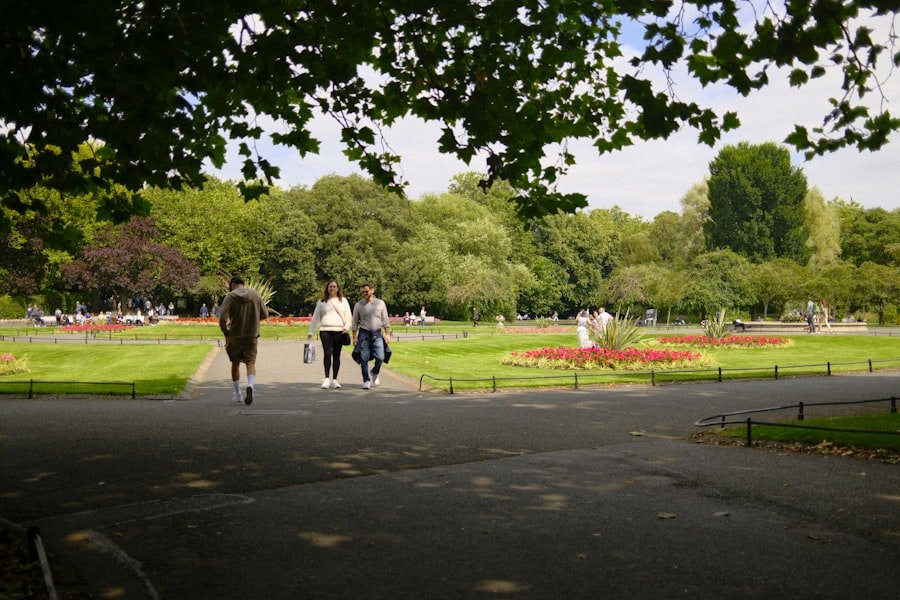
Hyde Park tends to feel busiest from June to August, especially on sunny weekends, during school-holiday periods, and on event days. During these times, the lawns, Serpentine paths, cafés, and landmark areas can fill quickly. For summer weather with a calmer feel, arrive early or choose a weekday.
The park also becomes much busier around major events. BST Hyde Park brings large music crowds in early summer, while Winter Wonderland adds heavy festive footfall during its announced November-to-January run. These events can be enjoyable reasons to visit, but they change the mood, transport demand, security arrangements, and movement through the affected area.
If you are visiting for sightseeing rather than an event, avoid the middle of a sunny Saturday afternoon. Before 10am is usually calmer, while late afternoon can work well after the busiest picnic period.
For the easiest sightseeing visit, choose a weekday morning in May, September, or early October.
Off-Peak Tourist Seasons in Hyde Park
The quietest periods are usually January, February, and parts of November, excluding major festive dates. These months suit visitors who want peaceful walks, birdwatching, jogging, and a slower view of local London life. The tradeoff is colder weather, shorter daylight, and fewer flowers.
March can be a strong shoulder-season choice. The park starts to wake up, but crowd levels are generally lighter than in late spring. October offers a similar balance: cooler and often calmer, with autumn colour and enough daylight for a planned walk.
Off-peak visits work best when you treat Hyde Park as a walking and sightseeing stop rather than a full picnic day. Bring layers, check the forecast and sunset time, and choose a route with nearby cafés or museums in case the weather turns.
Events and Festivals in Hyde Park
Hyde Park hosts some of London’s biggest seasonal events. In summer, BST Hyde Park brings major concerts and open-air programming. The official 2026 event ran from June 27 to July 12, 2026. Future dates and line-ups can change, so use the official BST Hyde Park website when planning around a later season.
Around Christmas, Hyde Park Winter Wonderland adds rides, markets, shows, food stalls, and festive lights. The official site currently lists the next season as November 2026 to January 2027, but exact operating dates, closed dates, entry slots, and prices should be checked before travel.
Major events can bring queues, temporary route changes, security checks, road restrictions, and busier Underground stations. If you are attending, book through the official event site and arrive with enough time for entry checks. If you are not attending, check the park’s current notices before planning a quiet walk through the event area.
The park also has year-round reasons to visit outside major events. Speakers’ Corner, the Serpentine, the Rose Garden, Rotten Row, the Dell, and the Diana Memorial Fountain can all form part of a self-guided walk.
Pro Tip: Check the event calendar even when you do not have a ticket. Setup and breakdown work can affect lawns, paths, vehicle access, and the atmosphere before and after the public event dates.
Best Time for Outdoor Activities in Hyde Park
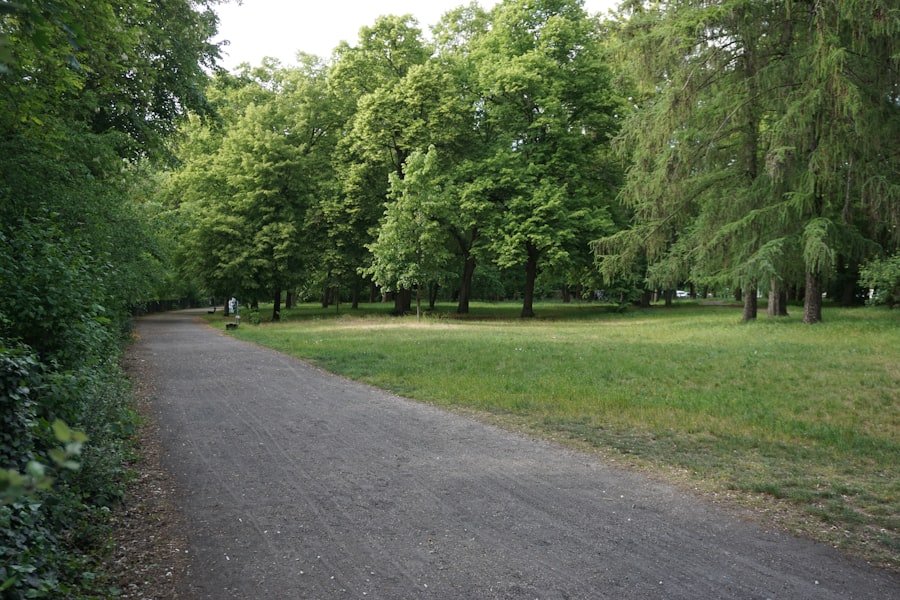
The best time for most outdoor activities is May to September because these months provide longer daylight and a better chance of comfortable conditions for walking, jogging, cycling, picnics, boating, and seasonal swimming. Early mornings are best for runners and cyclists because the main paths are usually calmer.
Boating on the Serpentine
Boating is not limited to summer. The Royal Parks boating service normally operates daily from late March to October and from Wednesday to Sunday between November and March, with seasonal closing times and weather-dependent changes. Late spring through early autumn gives you the longest and most convenient operating window.
Swimming at the Serpentine Lido
Public swimming at the Serpentine Lido is usually available on weekends from mid-May and daily from June to mid-September. Sessions can close because of weather, water quality, or maintenance, so confirm availability before travelling specifically to swim.
Picnics, Walking, Running, and Cycling
For picnics, late spring and summer are the strongest choices. Pick a weekday if you want more space on the lawns. On hot days, bring water, sun protection, and a reusable bottle because open areas can feel exposed in the afternoon.
For a relaxed walk, April, May, September, and early October are often more comfortable than peak summer. These months also suit older visitors, young children, or anyone who would rather avoid intense heat and dense crowds.
Warning: Barbecues and open fires are prohibited in the Royal Parks. Swim only during designated public sessions at the Serpentine Lido, not elsewhere in the lake, and follow official severe-weather or water-quality notices.
Best Time for Sightseeing in Hyde Park
The best months for sightseeing are April to June and September to early October. These periods balance weather, daylight, scenery, and crowd levels. They also make it easier to combine Hyde Park with adjoining Kensington Gardens or nearby areas such as Mayfair, Knightsbridge, Buckingham Palace, and the Royal Albert Hall.
Start at Marble Arch if you want to see Speakers’ Corner, then walk toward the Serpentine and Diana Memorial Fountain. For formal planting inside Hyde Park, continue to the Rose Garden near Hyde Park Corner. Early morning gives you the calmest paths, while late afternoon gives you warmer, lower light for photos.
The Italian Gardens are often included in a wider Hyde Park walk, but they are actually in Kensington Gardens, just west of Hyde Park. Kensington Gardens has different closing times, so check its official page if your route crosses the Serpentine Bridge or West Carriage Drive.
For sightseeing during summer events, check whether paths or vehicle routes are affected. Hyde Park is large, but event infrastructure and maintenance work can change how easily you move through certain areas.
What Is the Best Time of Day to Visit Hyde Park?
The best time of day to visit Hyde Park is usually early morning. Before 10am, the park often feels calmer, the paths are easier to walk, and the light is softer for photos. This is also a practical time for jogging, cycling, birdwatching, or a quiet coffee near the park edge.
Late afternoon is the second-best option, especially in spring, summer, and early autumn. The sun sits lower, the Serpentine can look better in photos, and the park still has energy without the harshest midday light.
Midday works for a casual visit, but it is often the busiest time on warm weekends. Summer evenings can be pleasant, but confirm gate times, attraction closing times, event schedules, and your route back to public transport.
Tips for Visiting Hyde Park During Peak Seasons
During summer and event periods, plan your visit around crowds. Arrive early, choose an entrance that suits your route, and avoid repeatedly crossing the busiest Serpentine and event areas. If you are attending BST Hyde Park or Winter Wonderland, use the official event guidance rather than general park advice.
- Visit early: Before 10am is usually best for space, photos, and cooler walking conditions.
- Check events first: Concerts, festive events, and setup work can change routes and access.
- Bring water: Warm afternoons can feel tiring on open lawns and long paths.
- Choose the right Tube station: Marble Arch and Lancaster Gate serve the north side, while Hyde Park Corner and Knightsbridge serve the south and east. Queensway is useful mainly for adjoining Kensington Gardens.
- Pick a route: A planned loop helps you avoid backtracking through crowded areas.
- Allow enough time: Plan about 90 minutes for selected highlights or two to three hours for a broader walk with stops.
Tips for Visiting Hyde Park During Off-Peak Seasons
Off-peak Hyde Park is quieter, but comfort matters more. Wear layers, choose water-resistant shoes if rain is likely, and plan around shorter daylight in winter. A warm drink or nearby café stop can make a cold walk more enjoyable.
Winter and early spring are good for slow walks, photography, and seeing the park without heavy tourist traffic. You may not get the colour of late spring or summer, but you get a more local and peaceful version of Hyde Park.
If you visit in January or February, combine the park with an indoor attraction nearby. That gives you flexibility if rain, cold, or wind makes a long outdoor visit less comfortable.
- Check the forecast shortly before leaving, not only the night before.
- Start earlier in winter so your main route is completed in daylight.
- Use paved paths after prolonged rain if you want to avoid muddy grass.
- Confirm seasonal hours for the Diana Memorial Fountain, boating, the Lido, and cafés.
Special Considerations for Visiting Hyde Park
Hyde Park’s pedestrian and vehicle gates are officially scheduled to open at 5am and close at midnight throughout the year, subject to temporary closures for events, weather, or maintenance. Individual attractions and adjoining Kensington Gardens close at different times.
Access and Mobility
Hyde Park has broad paths and many entrances, but the distance across the park can feel longer than expected. The official Hyde Park map identifies accessible toilets, entrances, cafés, and other facilities. The Diana Memorial Fountain has a wheelchair-suitable path, and the boating service advertises accessible boats and lifting equipment.
If you have limited mobility, choose one area rather than trying to cross the whole park. The Serpentine, Rose Garden, Speakers’ Corner, and Diana Memorial Fountain are spread across different sides of the park, so a route planned around the nearest Tube station can reduce unnecessary walking.
Shared Paths, Dogs, and Children
Dogs are common in the park, cyclists use designated routes, and runners are active throughout the day. Stay aware at shared-path junctions and near event areas. Around the Diana Memorial Fountain, dogs are not permitted except registered assistance dogs, and the attraction has its own rules and seasonal opening hours.
Costs and Booking
General entry to Hyde Park is free. Boating, public swimming, sports facilities, concerts, and Winter Wonderland attractions may require payment or advance booking. Prices and operating arrangements change, so use official booking pages rather than old third-party listings.
For current facilities, access updates, closures, and seasonal notices, use The Royal Parks website before your visit. This matters most during concerts, festive events, extreme weather, water-quality incidents, and planned maintenance.
Frequently Asked Questions
What is the best month to visit Hyde Park?
May is one of the best months for a balanced visit because the park is green, daylight is long, and the busiest summer-event period has not fully started. September is another strong choice if you prefer cooler walking weather and softer light.
When is the Hyde Park Rose Garden at its best?
The strongest display is usually in early summer, especially June and July. The Royal Parks says some roses continue flowering until the first frosts, so you may still see colour later in the year.
Is Hyde Park better in spring or summer?
Spring is better for comfortable walks, fresh greenery, flowers, and generally lighter crowds. Summer is better for picnics, longer evenings, boating, seasonal swimming, concerts, and a livelier atmosphere.
When is Hyde Park most crowded?
Hyde Park tends to be most crowded on warm summer weekends, during school-holiday periods, and on major-event dates. The Serpentine, Speakers’ Corner, the Rose Garden, and event entrances can feel especially busy.
Is winter a good time to visit Hyde Park?
Winter is a good time for quiet daytime walks or a planned visit to Winter Wonderland. Outside the festive-event area and dates, the park is calmer, but daylight is shorter and the weather can be cold, wet, or windy.
What time does Hyde Park open?
Hyde Park’s pedestrian and vehicle gates are officially scheduled to open at 5am and close at midnight every day. Temporary closures can occur because of major events, maintenance, or severe weather, and individual attractions have separate hours.
What is the best time of day for photos in Hyde Park?
Early morning and late afternoon are usually best. The light is softer, paths are often calmer, and locations such as the Serpentine, Rose Garden, the Dell, and tree-lined routes photograph better than they do in harsh midday light.
Are the Italian Gardens in Hyde Park?
No. The Italian Gardens are in adjoining Kensington Gardens, near Lancaster Gate. They are easy to combine with a Hyde Park walk, but Kensington Gardens has different gate hours.
Can you go boating or swimming in Hyde Park all year?
Boating normally operates throughout the year on different seasonal schedules, subject to weather. Public swimming at the Serpentine Lido is seasonal, usually from mid-May to mid-September, and can be suspended for water-quality, weather, or maintenance reasons.
Conclusion and Final Recommendations for Visiting Hyde Park
For most visitors, the best time to visit Hyde Park is April to June or September to early October. These periods provide the best balance of comfortable walking weather, attractive scenery, useful daylight, and manageable crowd levels.
Choose June or July for the Rose Garden, summer for picnics, boating, swimming, and major events, autumn for changing leaves and softer light, or winter for quiet daytime paths and the festive atmosphere of Winter Wonderland. Whatever season you choose, check official park and event updates before you go and arrive early for the smoothest experience.
Sources
- The Royal Parks: Hyde Park — official opening times, park notices, attractions, and visitor information.
- The Royal Parks: Gardens in Hyde Park — Rose Garden bloom period, the Dell, and seasonal planting.
- The Royal Parks: Boating — seasonal operating pattern for boating on the Serpentine.
- The Royal Parks: Swimming in Hyde Park — Serpentine Lido season, hours, and safety guidance.
- The Royal Parks: BST Hyde Park 2026 — official 2026 event dates and access information.
- Met Office: Location-Specific Long-Term Averages — temperature, rainfall, and sunshine context for London and southeast England.