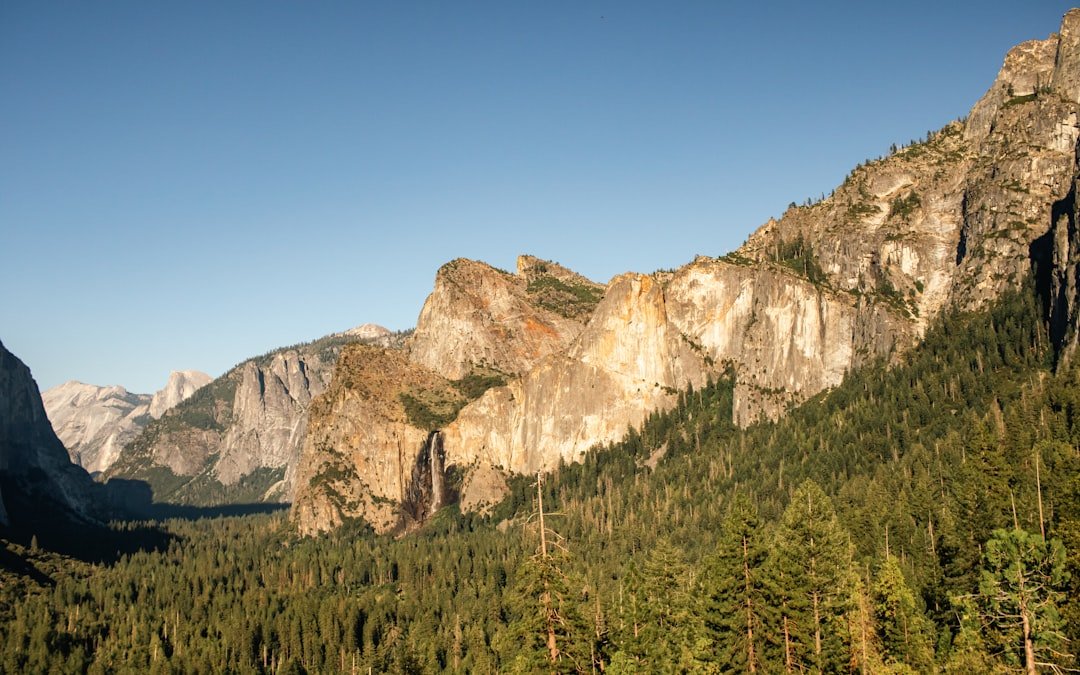
Interlaken changes dramatically with the seasons, so the best time to visit Interlaken depends on what you want to do. For hiking, lake cruises, mountain railways, and long days outdoors, June through September offers the broadest choice. For skiing and snow activities in the surrounding Jungfrau Region, plan for winter instead.
Quick Answer
June to September is the most versatile period for an Interlaken trip, especially for hiking, lake activities, and mountain excursions. September brings cooler weather with less average precipitation than July or August. For skiing, aim for the winter season in Grindelwald, Wengen, or Mürren rather than Interlaken itself.
Last checked: October 1, 2026. Dates and figures were verified against official sources.
Key Takeaways
- Spring is green and relatively calm, but some high mountain railways and trails reopen gradually.
- Summer gives you the widest choice of hiking, lake cruises, water sports, and mountain excursions.
- September and October combine cooler conditions with autumn scenery and several seasonal attractions still operating.
- Winter is best if skiing, snowboarding, sledging, or winter hiking is your priority.
Best Time to Visit Interlaken by Month
Interlaken sits between Lake Thun and Lake Brienz at the gateway to the Bernese Alps. The valley climate is much milder than the high mountains, so conditions in town do not tell you what you will find at Jungfraujoch, Kleine Scheidegg, or other high-altitude destinations.
The temperature and precipitation figures below use the MeteoSwiss 1991–2020 climate-normal period. They are long-term averages, not forecasts for a particular trip.
| Month | Avg. High / Low | Precipitation | What to Expect |
|---|---|---|---|
| January | 3.2°C / -2.8°C | 72 mm | Winter sports in the surrounding mountains; cold valley weather. |
| February | 5.4°C / -2.5°C | 67 mm | Established ski season and winter hiking conditions at altitude. |
| March | 10.5°C / 0.9°C | 73 mm | Spring begins in the valley while snow sports can continue higher up. |
| April | 14.7°C / 4.1°C | 82 mm | Lower trails become more appealing; seasonal attractions start reopening. |
| May | 18.7°C / 8.3°C | 122 mm | Green valleys, waterfalls, sightseeing, and expanding lake service. |
| June | 22.4°C / 12.1°C | 127 mm | Long days, hiking, mountain railways, and lake excursions. |
| July | 24.3°C / 13.8°C | 146 mm | Warmest average conditions and a full choice of summer activities. |
| August | 23.7°C / 13.6°C | 146 mm | Peak summer activity period, with hiking, water sports, and major events. |
| September | 19.2°C / 10.0°C | 94 mm | Cooler hiking weather, major attractions operating, and early autumn color. |
| October | 14.1°C / 6.0°C | 80 mm | Autumn scenery; some high-season services wind down later in the month. |
| November | 7.8°C / 1.2°C | 80 mm | A transition month between autumn sightseeing and ski season. |
| December | 3.7°C / -1.8°C | 91 mm | Winter atmosphere and increasingly reliable access to ski areas. |
Spring in Interlaken: March to May
Spring is a good choice if you want green valleys, waterfalls, sightseeing, and fewer summer-season crowds. However, conditions vary sharply with elevation. A mild afternoon beside the lakes can still mean snow on high trails.
March remains transitional, while April and May become progressively milder. Average daytime highs rise from 10.5°C in March to 18.7°C in May. Flowers and fresh foliage return to the valley as snow retreats higher into the mountains.
Spring also gives you access to more activities as seasonal transport begins operating again.
One useful date is April 3, 2026. The Harder Railway season runs from April 3 through November 29, 2026. The funicular takes about ten minutes from its valley station to Harder Kulm at 1,322 meters.
If you prefer to hike rather than ride, routes on Harder are steep and can be affected by snow, mud, or wet ground early in the season. Choose trails according to actual conditions rather than assuming spring weather in town means summer conditions on the mountain.
Lake travel also starts to expand. The BLS 2026 boat timetable shows spring service on Lake Brienz beginning April 3, while Lake Thun moves into its summer timetable from May 9.
Summer in Interlaken: June to August

Summer offers the widest range of outdoor activities in and around Interlaken. Hiking, mountain railways, lake cruises, paragliding, kayaking, paddleboarding, canyoning, and rafting are all prominent during this period.
June averages a daytime high of 22.4°C, while July reaches 24.3°C and August 23.7°C. Summer is not necessarily dry: MeteoSwiss climate normals show about 146 mm of precipitation in both July and August, the highest monthly totals in the Interlaken table.
That combination of warmth and rainfall means you should plan around changing mountain weather. A clear morning can still be followed by showers or thunderstorms later in the day.
Higher routes become much more accessible during summer. The Schynige Platte Railway operates from June 13 through October 25, 2026. Its high location makes it a useful example of why June can feel like full summer in Interlaken while alpine trails are still emerging from snow.
Water activities are another major reason to visit in summer. Lake Thun and Lake Brienz provide opportunities for boat trips, sailing, kayaking, and swimming. BLS runs its most extensive lake schedules during the warmer part of the year.
Paragliding is available beyond summer, but warm-season conditions make it especially popular. Flights give you views across Interlaken, both lakes, and the Eiger, Mönch, and Jungfrau range.
Summer also brings some of the year’s busiest dates. Swiss National Day falls on August 1. In 2026, Interlaken’s celebration included a folklore program, flag-bearing paragliders, a parade, an evening concert, and a 10:00 p.m. SkyMagic drone show. The planned fireworks were cancelled because of drought and a canton-wide fireworks ban.
Fall in Interlaken: September to November
| Aspect | Details |
|---|---|
| Location | Interlaken, Switzerland |
| Season | September to November |
| Typical Valley Highs | 19.2°C in September, 14.1°C in October, 7.8°C in November |
| Activities | Hiking, photography, sightseeing, mountain railways, scenic train trips |
| 2026 Seasonal Access | Schynige Platte through October 25; Harder Kulm through November 29 |
Autumn is one of the most flexible periods for travelers who prefer cooler walking weather. September remains mild enough for many summer activities, while October brings stronger fall color and shorter days.
The change in average precipitation is notable. Interlaken receives about 94 mm in September and 80 mm in October, compared with roughly 146 mm in both July and August. That does not guarantee dry weather, but it helps explain why early autumn can be attractive for hiking and photography.
September also hosts one of the region’s best-known sporting events. The 2026 Jungfrau-Marathon took place on September 4 and 5, with the marathon route beginning in Interlaken and climbing into the Jungfrau Region.
As autumn progresses, operating seasons begin to end. Schynige Platte’s 2026 season finishes October 25, while Harder Kulm continues through November 29. This makes October more dependable than late November if your itinerary relies on several seasonal mountain attractions.
Autumn is also a pleasant time for scenic railway journeys through the Bernese Oberland. Forests change color at lower and mid elevations while higher peaks may already carry fresh snow.
Winter in Interlaken: December to February
Winter is the best time to visit Interlaken if your main goal is skiing, snowboarding, sledging, or groomed winter hiking. Interlaken itself is a valley base rather than a ski resort, but trains connect it with the major winter areas around Grindelwald, Wengen, and Mürren.
The Jungfrau Ski Region lists 211 kilometers of prepared pistes. For the 2026/27 season, the regional ski-pass period is November 21, 2026 through April 25, 2027, although individual ski areas have different opening and closing dates and remain dependent on snow and weather.
For example, the published 2026/27 operating periods include Kleine Scheidegg from November 21 to April 25, Männlichen from December 12 to April 4, Grindelwald-First from December 19 to March 29, and Mürren-Schilthorn from November 21 to May 2. Actual operating conditions can still change.
Interlaken’s valley climate is much less severe than conditions high in the Alps. Average December temperatures are about 3.7°C by day and -1.8°C at night, while January averages 3.2°C and -2.8°C.
You do not have to ski to enjoy winter. The region also offers prepared winter walking and sledging routes, while paragliding operators run flights during winter when weather allows.
Jungfraujoch is another year-round option. Jungfrau Railways lists the attraction as open 365 days a year, so a winter visit does not prevent you from making the high-altitude railway journey.
Festivals and Events in Interlaken Throughout the Year

Interlaken’s event calendar adds another factor to trip timing. Some events are large enough to affect the atmosphere in town, while others give you a reason to choose a particular season.
Spring brings classical music. The 66th Interlaken Classics ran from April 2 to April 21, 2026, with concerts and masterclasses at venues around Interlaken and nearby communities.
Summer’s major civic date is Swiss National Day on August 1.
The 2026 Interlaken National Day program included traditional performances, 28 paragliders carrying cantonal and local flags, a folklore parade, a folk festival in Unterseen, a lantern procession, and the SkyMagic drone show. Because of drought conditions, the planned fireworks display was cancelled.
Early September brings the Jungfrau-Marathon, which makes the town especially lively around race weekend. If you are not attending the race, allow extra time around event areas and transport connections.
Interlaken has also hosted the Winterheart Christmas market in Kursaalgarten during the festive season. However, a confirmed set of 2026 dates was not available on the official event page during this update, so this article does not assign unverified dates to it.
Tips for Making the Most of Your Visit to Interlaken
A little planning matters because Interlaken is a base for attractions at very different elevations. Build your schedule around the activities that matter most, then leave some flexibility for mountain weather.
- Separate valley weather from mountain weather. A warm day in Interlaken can still be cold, windy, snowy, or cloudy at high altitude.
- Use seasonal transport dates when choosing your month. Harder Kulm runs much longer into autumn than Schynige Platte, so the same itinerary may work in September but not in November.
- Dress in layers. Temperatures can change quickly between Interlaken, lake level, and mountain viewpoints.
- Wear supportive footwear for hiking. Even popular paths can be steep, wet, rocky, or muddy after rain.
- Reserve weather-dependent adventure activities with flexibility. Paragliding, canyoning, and similar activities may be adjusted or cancelled when conditions are unsuitable.
- Consider a Swiss Travel Pass if you will travel widely beyond Interlaken. Compare its coverage with your actual train, bus, boat, and mountain-railway plans rather than assuming one pass is automatically the cheapest choice.
Pro Tip: If high mountain hiking is your priority, build at least one flexible day into your itinerary. That gives you a better chance to move a major mountain excursion to the clearest-weather day.
Choosing the Best Time to Visit Interlaken
The best time to visit Interlaken comes down to the experience you want. June through September gives you the widest range of summer activities, while September stands out for cooler temperatures and lower average precipitation than July or August.
Spring suits travelers who enjoy green valleys and a quieter atmosphere but can work around seasonal openings. October is attractive for fall color, although some mountain services close later in the month. Winter is the clear choice for snow sports in the surrounding Jungfrau Region.
Your final choice should match the activities you care about most rather than a single idea of “perfect” weather. This related article provides additional travel tips and considerations for planning your time in Interlaken.
Frequently Asked Questions
What is the best time to visit Interlaken?
June through September is the most versatile period for visiting Interlaken. You get the broadest choice of hiking, lake trips, mountain railways, and adventure activities. September is cooler than midsummer and has lower average precipitation than July and August.
What is the weather like in Interlaken during the summer?
Summer is mild to warm in the valley. MeteoSwiss climate normals give average daytime highs of 22.4°C in June, 24.3°C in July, and 23.7°C in August. Rain is still common, so warm weather does not guarantee dry mountain conditions.
When is the peak tourist season in Interlaken?
July and August are generally the busiest summer period because warm weather, long days, lake activities, and high-mountain excursions overlap. Major event dates can also increase demand. Book early if your trip falls around Swiss National Day or another large local event.
Are there specific events in Interlaken during summer?
Yes. Swiss National Day is celebrated on August 1, with Interlaken hosting traditional festivities and entertainment. In 2026, the program included a folklore parade, flag-bearing paragliders, concerts, a lantern procession, and a SkyMagic drone show.
Can you visit Interlaken in winter?
Yes. Interlaken works well as a winter base for the ski areas around Grindelwald, Wengen, and Mürren. You can also try winter hiking, sledging, paragliding, and year-round attractions such as the railway trip to Jungfraujoch.
Is September a good month to visit Interlaken?
September is an excellent month for travelers who want hiking and mountain sightseeing without midsummer heat. The average high is 19.2°C, and average precipitation drops to about 94 mm. Many major seasonal attractions are still operating throughout the month.
Does it snow in Interlaken?
Snow can fall in Interlaken during winter, but the town is much lower than the surrounding ski areas and does not stay as consistently snowy as the mountains. If guaranteed access to snow sports matters most, plan your activities at higher elevations in the Jungfrau Region.
Sources
- MeteoSwiss Climate Normals via opendata.swiss: 1991–2020 temperature and precipitation climate-normal framework.
- Jungfrau Railways – Harder Kulm: 2026 operating season, elevation, and funicular journey information.
- Jungfrau Railways – Schynige Platte: 2026 operating season.
- BLS Navigation 2026 Timetable: Lake Thun and Lake Brienz seasonal boat schedules.
- Interlaken Classics: 2026 festival dates.
- Interlaken Tourism – National Day 2026: August 1 program, fireworks cancellation, and SkyMagic drone show.
- Jungfrau-Marathon: September 4–5, 2026 event dates.
- Jungfrau Ski Region: 211 km of pistes and 2026/27 winter-season information.