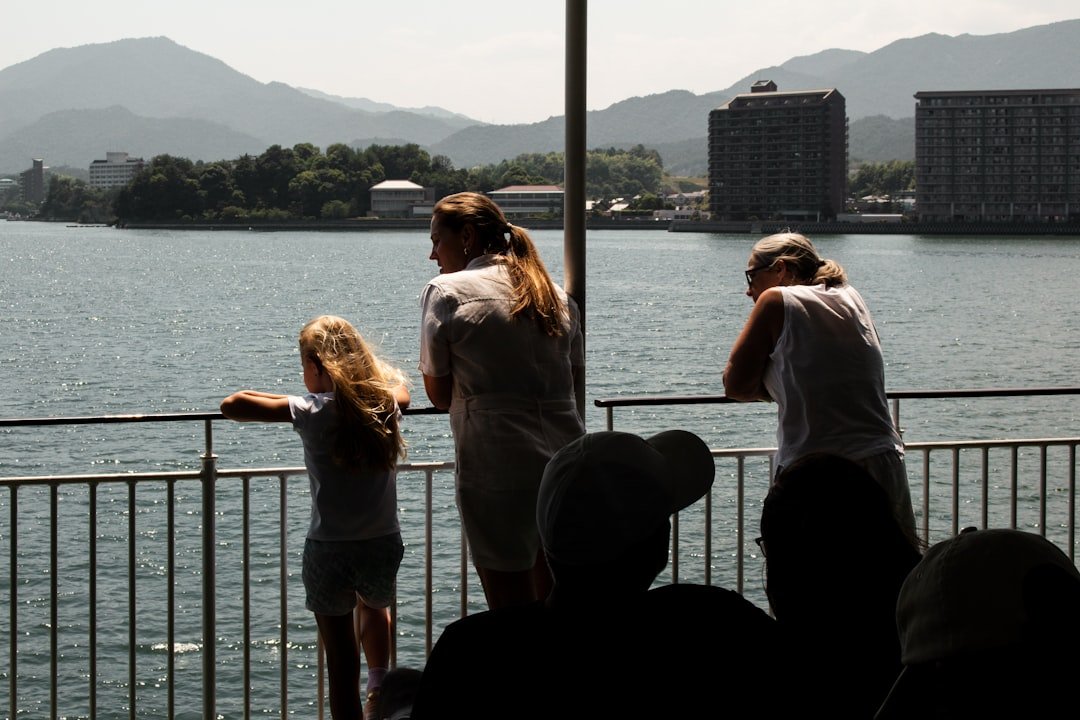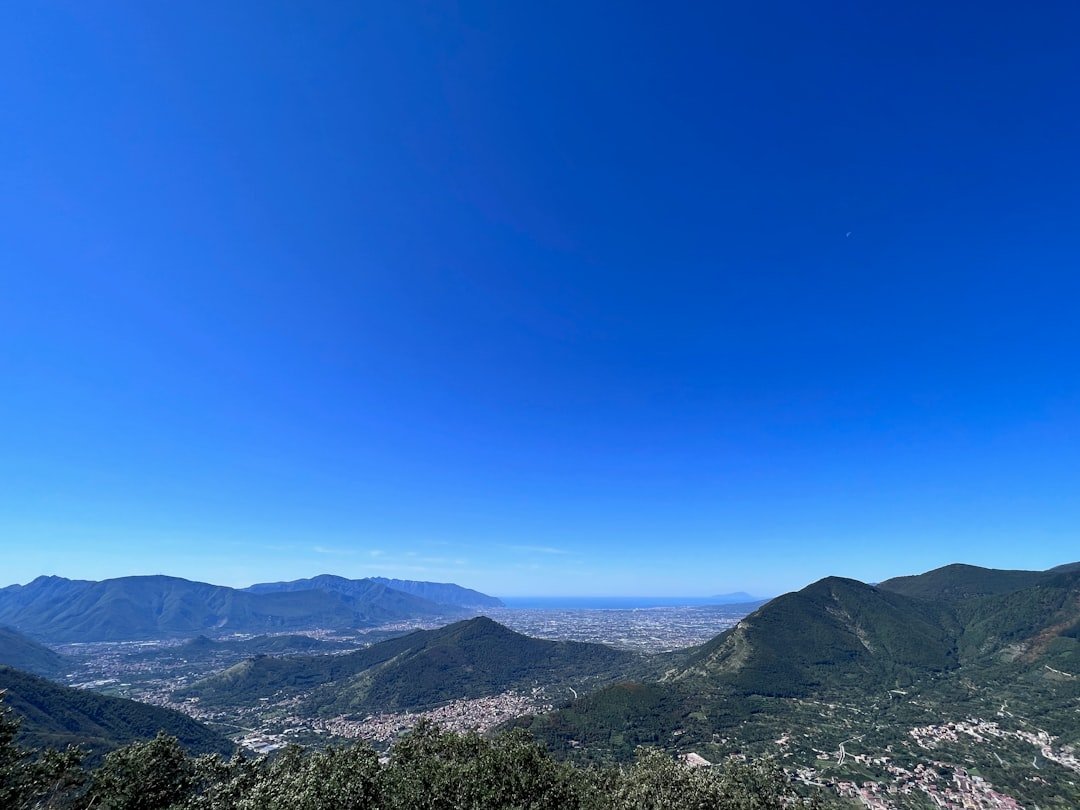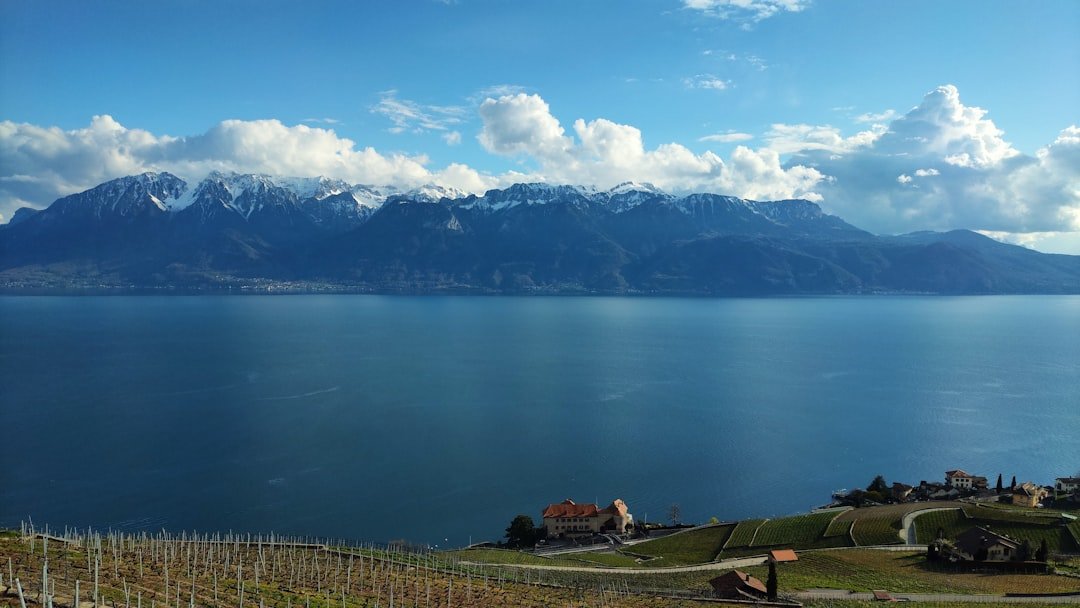
Lake Geneva, known as Lac Léman in French, is shared by Switzerland and France and offers a different experience in every season. Your ideal travel dates depend on whether you want warm swimming weather, active boat schedules, vineyard walks, major festivals, Christmas markets, lower crowds, or snow-covered Alpine views.
Quick Answer
For most first-time visitors, May, June, September, and early October offer the best balance of pleasant weather, scenery, and manageable crowds. Choose July or August for swimming and festivals, September or October for Lavaux vineyards, and late November or December for Christmas markets and winter atmosphere.
Key Takeaways
- Best overall balance: May, June, September, and early October.
- Best for swimming and water sports: July and August, with June and early September also possible in warm weather.
- Best for vineyards: September and October, when Lavaux takes on its autumn color and harvest activity may be underway.
- Best for festivals: July, especially if the Montreux Jazz Festival is central to your trip.
- Best for Christmas markets: Late November through December.
- Best for lower crowds: April, May, October, and November outside major events and holidays.
Best Months to Visit Lake Geneva at a Glance
The weather can vary from year to year, so treat seasonal patterns as planning guidance rather than a guarantee. MeteoSwiss climate normals provide long-term averages, but individual weeks can still be warmer, colder, wetter, or sunnier than expected.
| Travel Period | What to Expect | Best For |
|---|---|---|
| March to mid-April | Cool and changeable weather, early flowers, quiet promenades, and limited seasonal leisure services | Museums, city breaks, gardens, and low crowds |
| Late April to June | Greener scenery, longer days, comfortable walking weather, and expanding cruise schedules | First visits, sightseeing, gardens, cycling, and vineyard walks |
| July to August | Warmest conditions, busy waterfronts, major events, fuller hotels, and the broadest choice of lake activities | Swimming, boating, festivals, nightlife, and mountain day trips |
| September to early October | Mild early-autumn weather, vineyard color, harvest atmosphere, and fewer peak-season crowds | Lavaux, food and wine trips, photography, and scenic walking |
| Late October to November | Cooler, shorter, and often quieter days, with reduced leisure schedules and fewer outdoor events | Budget-conscious city breaks, museums, cafés, and calm sightseeing |
| December to February | Cold lakeside weather, festive events in December, and more reliable snow in the surrounding Alps than beside the lake | Christmas markets, indoor culture, spa stays, and combined lake-and-mountain trips |
Spring: Blooming Flowers, Mild Weather, and Easy Sightseeing
Spring gradually brings color back to Lake Geneva’s parks, promenades, hillsides, and gardens. Geneva’s Jardin Anglais, the waterfront paths around Lausanne, and the promenades in Montreux and Vevey become comfortable places for unhurried walks before the busiest summer period.
Late April, May, and June are especially useful for travelers who want to explore several towns without dealing with midsummer crowds. You can combine museums and old towns with lakeside walks, scenic trains, vineyard paths, and boat trips. However, not every sightseeing route follows the same timetable, so check the current CGN schedules before building a day around a cruise.
March and early April can still feel wintry beside the water, particularly in the morning and evening. Rainy periods are possible throughout spring, and temperatures can change quickly when clouds, wind, or mountain weather move into the region.
Spring also works well for cultural trips. Museums, galleries, historic centers, cafés, and restaurants provide reliable alternatives when the weather turns wet. Accommodation demand is usually easier to manage than during major July events, although holiday weekends can still be busy.
Pro Tip: Choose May or the first half of June if you want spring greenery with a better chance of mild afternoons. Pack a light waterproof layer and something warm for boat decks and evenings beside the lake.
Summer: Peak Tourist Season and Outdoor Activities
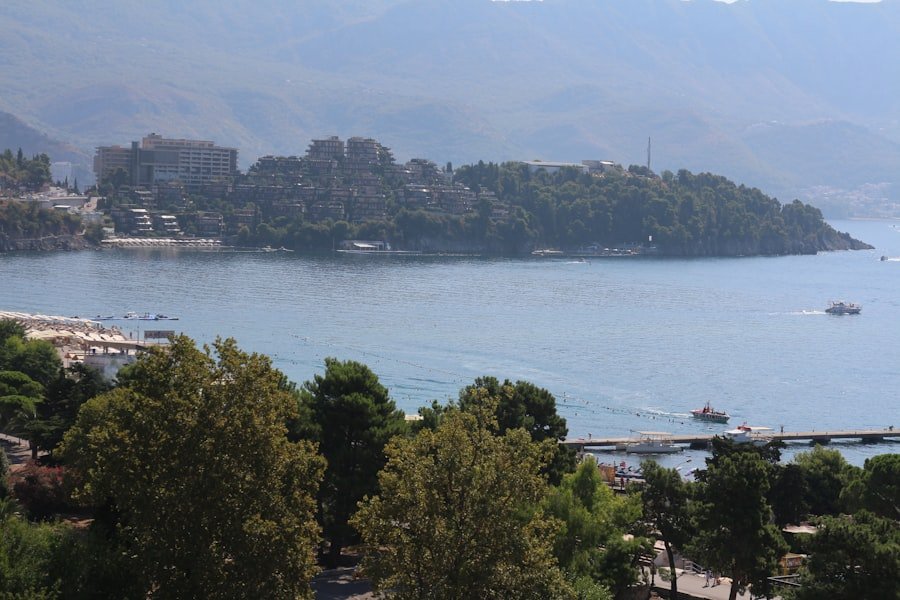
Summer is the most active season around Lake Geneva. Sailing, paddleboarding, swimming, sightseeing cruises, cycling, lakeside picnics, and long evening walks become easier to include in an itinerary. Geneva, Lausanne, Montreux, Vevey, Nyon, and the French-side towns all develop a livelier waterfront atmosphere.
July and August give you the best chance of warm conditions for classic lake activities. June can also be excellent, but the water may still feel cool to some swimmers. Early September can remain pleasant after a warm summer, although swimming comfort depends on recent weather and personal tolerance.
Use established beaches and public access points rather than entering the water in an unfamiliar location. Pay attention to local signs, changing weather, boat traffic, and temporary water-quality notices. Avoid assuming that clear-looking water is automatically safe, because contamination cannot always be seen.
Summer also brings the region’s busiest cultural calendar. The Montreux Jazz Festival normally takes place in July and draws large crowds to Montreux. Exact dates change each year, so consult the official Montreux Jazz Festival website before booking nonrefundable accommodation or transport.
Warm weather does not guarantee uninterrupted sunshine. Thunderstorms, strong winds, and hot spells can occur, so keep some flexibility in your plans. Museums, castles, covered markets, and city attractions are useful backups when lake conditions change.
Warning: July and August usually bring the greatest pressure on well-located hotels, waterfront restaurants, festival tickets, and popular cruises. Book early if your dates overlap a major event or a summer weekend.
Fall: Spectacular Foliage and Wine Harvest
| Planning Point | What to Know |
|---|---|
| Best Fall Travel Window | September through early or mid-October for the best balance of mild weather, vineyard scenery, and manageable crowds |
| Wine Harvest Period | Often September or October, but exact timing varies with the year, grape variety, vineyard, and weather |
| Popular Fall Areas | Lavaux, Vevey, Montreux, Lausanne, Chardonne, Cully, Lutry, and other vineyard villages on the northern shore |
| Best For | Wine tasting, photography, scenic walks, seasonal food, cultural weekends, and fewer peak-summer crowds |
Autumn gives Lake Geneva a calmer atmosphere while preserving many of the benefits of warm-season travel. September can still deliver mild afternoons and active transport schedules. October brings cooler air, shorter days, and stronger autumn color, especially on hillside routes.
The UNESCO-listed Lavaux Vineyard Terraces are a major focus in this season. The protected landscape stretches for about 30 kilometers along the northern shore between the Lausanne area and Château de Chillon, combining vineyards, stone walls, villages, lake views, and mountain backdrops.
Harvest timing is not fixed. Some wineries offer tastings, cellar visits, special meals, or public events, while others remain working agricultural properties with limited visitor access. Reserve tastings where required and do not enter vineyard rows or working areas unless the route is clearly public.
September is usually the safer choice for travelers who want warmer conditions and longer daylight. October is better for deeper autumn color and a quieter atmosphere, but rain, wind, and cool evenings become more likely as the month progresses.
Note: Vineyard paths can be steep, narrow, uneven, or slippery after rain. Wear shoes with good grip, carry water, and avoid relying on a wheeled suitcase or unsuitable stroller for hillside walking routes.
Winter: Snowy Mountains and a Cozy Lakeside Atmosphere
Winter creates a quieter, more subdued Lake Geneva experience. Snow is more dependable on the surrounding Alpine peaks than in lakeside cities. Geneva, Lausanne, Vevey, and Montreux may receive occasional snow, but cold rain, cloud, fog, and clear dry days are also common possibilities.
Late November and December are the most appealing winter periods for many leisure visitors because Christmas markets, lights, concerts, seasonal food, and decorated waterfronts bring energy back to the region. Montreux hosts a major regional Christmas market, but opening dates, hours, attractions, and individual stalls change from year to year. Check the official Montreux Noël website before finalizing your trip.
January and February are usually quieter beside the lake after the holiday period. These months suit museum visits, spa stays, scenic rail journeys, long restaurant meals, and travelers who value lower activity levels more than outdoor variety.
You can combine Lake Geneva with an Alpine stay, but places such as Chamonix and Verbier are separate mountain destinations rather than attractions directly on the lake. Travel time, road conditions, connections, and equipment needs can make an overnight stay more practical than a rushed day trip.
Winter cruise choices may be more limited than summer sightseeing options, although some transport links and selected cruises continue. Always check the operating date and return departure before crossing the lake.
Pro Tip: Choose December for festive atmosphere. Choose January or February for a quieter city break, but do not plan on reliable snow beside the lake itself.
Events and Festivals Throughout the Year
Lake Geneva has a year-round cultural calendar, but event dates can have a major effect on hotel availability and prices. Check the official organizer’s website before booking, even when an event normally takes place in the same month each year.
Spring Events
Spring calendars often include exhibitions, concerts, garden activities, food events, and the gradual return of outdoor programs. Easter weekends and public holidays can create short bursts of demand even when the wider season remains relatively calm.
Summer Events
Summer brings the largest concentration of music, food, open-air performances, waterfront celebrations, and community events. The Montreux Jazz Festival is the best-known example and usually makes July one of the busiest times to stay in Montreux.
Autumn Events
Wine, food, and harvest traditions become more prominent during autumn. Exact programs vary among Lavaux villages and producers, so arrange winery visits directly rather than assuming every cellar accepts walk-in visitors.
Winter Events
Late November and December bring Christmas markets, holiday concerts, theater, seasonal exhibitions, and illuminated streets. Festive demand is concentrated around market dates and weekends, while January is normally calmer.
Note: A major festival can completely change the character of a town. Stay in Montreux during the Jazz Festival for the atmosphere, or consider Vevey, Lausanne, or another rail-connected base if you prefer quieter evenings.
Best Time to Visit by Travel Style
The best month depends on what you want to do rather than the season name alone. Use the table below to match your dates to your main travel goal.
| Travel Goal | Best Time to Visit | Why It Works |
|---|---|---|
| Lake activities and swimming | July to August | Warmest typical conditions and the widest choice of active waterfront services |
| Wine tasting and vineyard views | September to October | Harvest activity, autumn vines, seasonal menus, and comfortable walking opportunities |
| Flowers and mild sightseeing | Late April to June | Green parks, longer days, and lighter demand than peak midsummer |
| Festivals and nightlife | July and August | Major cultural programs, outdoor dining, long evenings, and busy promenades |
| Christmas markets and festive travel | Late November to December | Market stalls, lights, seasonal food, concerts, and winter atmosphere |
| Lower crowds and balanced weather | May, June, September, and early October | Good sightseeing conditions without the full pressure of July and August |
| Quiet museums and city breaks | November, January, and February | Fewer leisure visitors outside Christmas and ski-holiday periods |
Where to Stay for Each Type of Trip
Geneva
Geneva works well for international transport connections, museums, city attractions, restaurants, and short visits. It is also convenient for travelers who want to explore the western end of the lake or include nearby French destinations.
Lausanne
Lausanne is a practical central base with strong rail connections, a lively city center, the Ouchy waterfront, and easy access toward Lavaux, Vevey, Montreux, Geneva, and cross-lake boat routes.
Vevey
Vevey suits travelers who want a smaller lakeside city with access to Lavaux and Montreux. It can feel calmer than Montreux during major festival periods while remaining well connected by train.
Montreux
Montreux is the natural choice for festival atmosphere, the eastern Riviera, Château de Chillon, and dramatic mountain views. Accommodation demand can rise sharply during the Jazz Festival and Christmas market periods.
Lavaux Villages
Cully, Lutry, Saint-Saphorin, and nearby vineyard communities suit scenic, slower trips. They are attractive in spring and fall but may offer fewer late-night services than a larger city.
Nyon and the French Shore
Nyon is useful for western-lake travel and seasonal connections toward places such as Yvoire. Évian-les-Bains, Thonon-les-Bains, and Yvoire offer a French perspective on the lake, but transport frequency and return times must be checked carefully.
Tips for Planning Your Visit
Check Boat Schedules for Your Exact Date
Lake services are not identical throughout the year. Some cross-lake routes serve regular transport needs, while sightseeing cruises and leisure products expand during warmer timetable periods. Confirm the exact pier, departure time, return option, and ticket conditions before leaving your hotel.
Book Around Major Events
Reserve early for July festival dates, peak summer weekends, and December market weekends. Outside major events, spring and fall may provide more flexibility, but lake-view rooms and small vineyard accommodations can still sell out.
Prepare for Changing Weather
Bring layers in every season. A warm city afternoon can turn into a cool boat crossing or windy waterfront evening. In spring and fall, carry a light waterproof jacket. In summer, include sun protection and water. In winter, use shoes that can handle wet or icy surfaces.
Use Designated Swimming Areas
Choose recognized public beaches and bathing points. Follow posted instructions and current local notices, especially after heavy rain or when a temporary water-quality restriction is in place. Keep away from busy navigation lanes and do not depend on every access point having a lifeguard.
Plan Carefully When Crossing into France
The Swiss side primarily uses Swiss francs, while the French side uses euros. Card payments are common, but a card provider may apply currency-conversion charges. Swiss public-transport passes do not automatically cover every French route or every international boat ticket, so verify coverage before boarding.
Switzerland and France participate in the Schengen area, but you should still carry the travel document required for your nationality and itinerary. Visa and entry rules depend on citizenship, residence status, and trip length.
Mobile roaming also needs attention. Switzerland is not automatically included in the European Union’s “Roam Like at Home” system. Check your provider’s Switzerland and France coverage before using mobile data near or across the border. The European Commission’s roaming guidance explains which countries fall under the EU system.
Allow Enough Time
Three days are enough for one main base and a few nearby excursions. Five to seven days provide a better pace for combining Geneva or Lausanne with Lavaux, Vevey, Montreux, a boat trip, and a French-shore destination.
Note: Do not build a tightly timed itinerary around the lake without checking the final return connection. Evening trains may be frequent on major Swiss routes, but boat and cross-border services can end much earlier.
The Best Time to Experience Lake Geneva
Lake Geneva is a year-round destination, but May, June, September, and early October provide the strongest all-around balance for many visitors. These periods combine attractive scenery and comfortable sightseeing with less pressure than the busiest midsummer weeks.
Choose July or August for the warmest lake experience, swimming, long evenings, and the fullest festival atmosphere. Choose September or October for Lavaux, harvest traditions, photography, and quieter waterfronts. Choose late November or December for Christmas markets and seasonal lights. Choose January or February for a calm cultural or spa-focused break, while remembering that snow is more dependable in the Alps than beside the lake.
Your final decision should follow your main activity, not a generic definition of good weather. Check current event calendars, transport timetables, local advisories, and accommodation availability before paying for nonrefundable bookings.
Frequently Asked Questions
What is the best time to visit the Lake Geneva region?
May, June, September, and early October offer the best balance for most first-time visitors. July and August are better for swimming and major festivals, while late November and December are best for Christmas markets.
When is Lake Geneva warm enough for swimming?
July and August usually provide the most comfortable swimming conditions. June and early September can also work after warm weather, but water temperature and local conditions vary. Use designated bathing areas and check current advisories.
What is the weather like around Lake Geneva?
The region has four clear seasons. Summer is generally warm, spring and fall are mild but changeable, and winter is cold. Rain is possible throughout the year, and lakeside weather can differ from conditions in the nearby mountains.
When is Lake Geneva least crowded?
April, May, October, November, January, and February are generally quieter outside holidays and major events. November and January are among the calmest periods, but they also offer fewer outdoor activities and reduced leisure schedules.
When is the Montreux Jazz Festival held?
The festival normally takes place in July. Exact dates and programs change each year, and accommodation demand in Montreux can increase sharply during the event.
Is autumn a good time to visit the Lavaux vineyards?
Yes. September and October are excellent for vineyard views, seasonal food, walking, and autumn color. Harvest timing and winery access vary, so arrange tastings or cellar visits in advance.
Does it snow in Lake Geneva’s lakeside towns?
Snow can fall in Geneva, Lausanne, Vevey, and Montreux, but it is not guaranteed to remain on the ground. Snow is generally more reliable at higher elevations in the surrounding Alps.
Can I visit both the Swiss and French sides of Lake Geneva?
Yes. Trains, buses, roads, and selected boat routes connect destinations on both sides. Check schedules, ticket or pass coverage, travel-document requirements, mobile roaming, and currency needs before crossing the border.
How many days should I spend at Lake Geneva?
Plan at least three days for one main base and nearby excursions. Five to seven days are better if you want to combine Geneva, Lausanne, Lavaux, Vevey, Montreux, a lake cruise, and a French-shore destination.
Sources
- MeteoSwiss Climate Normals — long-term Swiss climate patterns and weather variability
- CGN Timetables and Tickets — current Lake Geneva boat routes, schedules, and ticket information
- UNESCO: Lavaux Vineyard Terraces — official description and extent of the protected vineyard landscape
- Montreux Jazz Festival — official annual festival dates, programs, and ticket details
- Montreux Noël — official Christmas market dates and visitor information
- European Commission Roaming Guidance — countries covered by the European Union’s roaming rules