

The Royal Observatory Greenwich, established in 1675, is a historic site that has played a pivotal role in the development of astronomy and navigation, and understanding its heritage can help you decide the best time to visit the Royal Observatory Greenwich. Located in Greenwich, London, it was originally commissioned by King Charles II to improve maritime navigation by establishing a prime meridian. The observatory is renowned for its contributions to the field of astronomy, including the development and popularisation of Greenwich Mean Time (GMT), which historically provided a global reference for timekeeping and underpins the Coordinated Universal Time (UTC) standard used worldwide today.
The observatory’s iconic status is further enhanced by its status as part of Maritime Greenwich, a UNESCO World Heritage Site, attracting visitors from around the globe who are eager to explore its rich history and scientific significance. Visitors to the Royal Observatory can immerse themselves in a variety of exhibits that showcase the evolution of astronomical instruments and the history of timekeeping. The Flamsteed House, designed by Sir Christopher Wren, houses a collection of historical telescopes and artifacts that illustrate the advancements in astronomical research over the centuries.
The observatory also features the famous Prime Meridian line, where visitors can stand with one foot in the Eastern Hemisphere and the other in the Western Hemisphere, making it a popular photo opportunity. The blend of historical architecture and cutting-edge science makes the Royal Observatory a unique destination for both history buffs and science enthusiasts.
Key Takeaways
- The Royal Observatory Greenwich is a historic site with a rich astronomical heritage, offering visitors a chance to explore the history of timekeeping and navigation.
- The weather at Royal Observatory Greenwich is generally mild, with cool winters and warm summers, making it a pleasant destination year-round.
- Peak tourist seasons at Royal Observatory Greenwich typically occur during the summer months and major holidays, when the site can become crowded with visitors.
- Off-peak tourist seasons at Royal Observatory Greenwich are during the winter months and shoulder seasons, offering a quieter and more relaxed experience for visitors.
- Special events and festivals at Royal Observatory Greenwich, such as astronomy-themed events and stargazing nights, provide unique opportunities for visitors to engage with the site’s offerings.
Weather and Climate at Royal Observatory Greenwich
The weather at the Royal Observatory Greenwich is characterized by a temperate maritime climate, typical of London. This means that visitors can expect mild temperatures throughout the year, with relatively moderate rainfall. The average temperature in summer ranges from 15°C to 25°C (59°F to 77°F), while winter temperatures can drop to around 2°C to 8°C (36°F to 46°F).
Rainfall is fairly evenly distributed throughout the year, with October and November often experiencing the highest precipitation levels. Understanding the climate is crucial for planning a visit to the observatory, especially for outdoor activities such as stargazing or exploring the surrounding parkland. The spring months of March to May are particularly pleasant, as flowers bloom and temperatures begin to rise, making it an ideal time for visitors who wish to enjoy both the observatory and its beautiful gardens.
Conversely, winter months can be chilly and damp, which may deter some visitors from fully enjoying outdoor exhibits or events.
Peak Tourist Seasons at Royal Observatory Greenwich
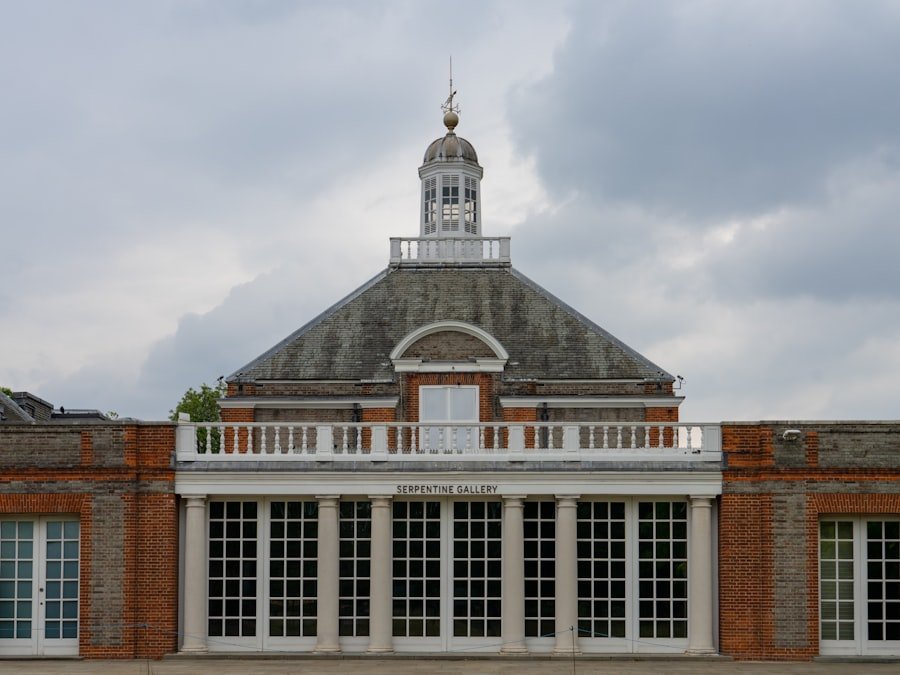
The peak tourist seasons at the Royal Observatory Greenwich typically coincide with school holidays and summer months when families and tourists flock to London. From late June through August, the observatory sees a significant increase in visitors, as families take advantage of the warm weather and longer daylight hours. This period is particularly vibrant, with various educational programs and activities designed to engage younger audiences.
The summer solstice, celebrated around June 21st, draws additional crowds as people gather to witness the longest day of the year and participate in related events. Additionally, weekends tend to be busier than weekdays, especially during peak tourist seasons. Many visitors plan their trips around public holidays or school breaks, leading to larger crowds on Saturdays and Sundays.
During these times, it is advisable for visitors to arrive early in the day to secure tickets and enjoy a more leisurely experience exploring the exhibits without feeling rushed or overwhelmed by large groups.
Off-Peak Tourist Seasons at Royal Observatory Greenwich
In contrast to the bustling peak seasons, off-peak periods at the Royal Observatory Greenwich offer a more tranquil experience for visitors. The months of January through March and late November through early December are generally quieter times to visit. During these months, fewer tourists are present, allowing for a more intimate exploration of the observatory’s exhibits and grounds.
Visitors can take their time engaging with displays and participating in guided tours without the pressure of large crowds. Visiting during off-peak seasons also provides opportunities for special promotions or discounts on admission fees, making it an economical choice for budget-conscious travelers. Additionally, winter months can offer unique experiences such as seasonal events or themed exhibitions that may not be available during peak times.
For those interested in astronomy, clear winter nights can provide excellent stargazing opportunities, as colder air often leads to clearer skies.
Special Events and Festivals at Royal Observatory Greenwich
Throughout the year, the Royal Observatory Greenwich hosts a variety of special events and festivals that enhance the visitor experience. One notable UK-wide celebration is National Astronomy Week, which takes place in selected years rather than every October and brings together observatories, astronomy societies, and museums for lectures, workshops, and stargazing sessions; in 2025, for example, it ran from 1–9 February and included events at venues associated with the Royal Observatory Greenwich. This type of event attracts both amateur astronomers and seasoned enthusiasts who are eager to deepen their understanding of celestial phenomena.
Another recurring event is Astronomy Day, observed internationally in spring and sometimes again in autumn, with specific dates varying each year. These occasions are often marked by interactive activities designed to engage visitors of all ages in astronomy-related topics. From telescope demonstrations to hands-on workshops, attendees have the chance to learn about space exploration and observe celestial bodies through powerful telescopes set up on-site.
These events not only provide educational opportunities but also foster a sense of community among astronomy lovers.
Best Time for Stargazing at Royal Observatory Greenwich
Optimal Viewing Conditions
The best time for stargazing generally falls during late autumn and winter months when nights are longer and skies tend to be clearer. The crisp air associated with these seasons often results in reduced atmospheric turbulence, allowing for sharper images of stars and planets.
Astronomical Events
Certain astronomical events such as meteor showers or planetary alignments can enhance stargazing experiences. For instance, the Perseid meteor shower peaks in mid-August each year, with exact peak dates varying slightly, providing an excellent opportunity for visitors to witness shooting stars against a darkened sky.
Special Stargazing Events
The observatory often organizes special stargazing events during these occurrences, where knowledgeable staff guide participants in observing these celestial spectacles through telescopes.
Avoiding Crowds at Royal Observatory Greenwich
To avoid crowds at the Royal Observatory Greenwich, strategic planning is essential. One effective approach is to visit during weekdays rather than weekends when tourist numbers tend to swell. Early mornings right after opening hours are also ideal for those looking to experience the observatory with fewer people around.
This allows visitors to explore exhibits at their own pace without feeling rushed or overwhelmed by large groups. Another tip for avoiding crowds is to check the observatory’s calendar for any special events or school holiday periods that might attract larger audiences. By planning visits during quieter times or avoiding major events, guests can enjoy a more relaxed atmosphere while taking in all that the observatory has to offer.
Additionally, utilizing online ticket purchasing options can help streamline entry and minimize wait times upon arrival.
Tips for Visiting Royal Observatory Greenwich
When planning a visit to the Royal Observatory Greenwich, several tips can enhance the overall experience. First and foremost, purchasing tickets online in advance can save time and ensure entry on busy days. For up-to-date details on ticket options, prices, and guided experiences, you can also read our guide to Royal Observatory Greenwich tickets, prices, and tours. This is particularly important during peak tourist seasons when walk-up tickets may sell out quickly.
Another valuable tip is to allocate sufficient time for exploration. The observatory features multiple galleries and exhibits that delve into various aspects of astronomy and timekeeping; rushing through them may lead to missing out on fascinating information. Visitors should also consider joining guided tours or attending talks offered by knowledgeable staff members who can provide deeper insights into the history and significance of the site.
Planning Your Visit to Royal Observatory Greenwich
Effective planning is key to making the most of a visit to the Royal Observatory Greenwich. Before heading out, it’s advisable to check the official Royal Museums Greenwich website for current opening hours, ticket prices, and any special exhibitions or events taking place during your visit. This information can help tailor your itinerary based on personal interests and available time. With the multi-year ‘First Light’ transformation project beginning in 2025, checking for any temporary gallery or planetarium closures is especially important when planning your trip.
Transportation options should also be considered when planning your visit. The observatory is easily accessible via public transport, including trains from central London that arrive at nearby stations such as Greenwich or Cutty Sark DLR. For those driving, parking facilities are available but may be limited during peak times; therefore, arriving early is recommended.
Best Time for Photography at Royal Observatory Greenwich
Photography enthusiasts will find that certain times of day offer exceptional opportunities for capturing stunning images at the Royal Observatory Greenwich. The golden hour—shortly after sunrise or before sunset—provides soft lighting that enhances architectural details and creates beautiful contrasts against the sky. Early morning visits can yield breathtaking shots of the observatory bathed in warm sunlight before crowds arrive.
Additionally, nighttime photography can be particularly rewarding at the observatory due to its elevated position overlooking London. Capturing images of city lights against a starry sky can create striking compositions that highlight both natural beauty and urban landscapes. Visitors interested in astrophotography should consider attending stargazing events where they can learn techniques from experts while capturing celestial phenomena through their cameras.
Local Accommodations and Amenities at Royal Observatory Greenwich
For those planning an extended stay near the Royal Observatory Greenwich, there are several accommodation options available that cater to various budgets and preferences. From charming boutique hotels to well-known chains, visitors can find suitable lodging within walking distance or a short public transport ride from the observatory. Many hotels offer amenities such as free Wi-Fi, breakfast options, and easy access to local attractions.
In addition to accommodations, visitors will find a range of dining options nearby that cater to diverse tastes—from traditional British pubs serving hearty meals to international cuisine restaurants offering flavors from around the world. Local cafes provide perfect spots for a quick coffee break or light snack before continuing on with explorations of Greenwich’s rich history and culture. With ample amenities available in close proximity, visitors can enjoy a comfortable stay while fully immersing themselves in all that this historic area has to offer.
If you’re planning a trip to the Royal Observatory Greenwich, you may also be interested in exploring the delightful world of Asian melon. This article offers insights into the various types of Asian melons and how they can be enjoyed. It’s a great read for food enthusiasts looking to try something new.
FAQs
What is the Royal Observatory Greenwich?
The Royal Observatory Greenwich is an observatory situated on a hill in Greenwich Park, overlooking the River Thames. It is best known as the location of the Prime Meridian line and Greenwich Mean Time.
What is the best time of year to visit the Royal Observatory Greenwich?
The best time to visit the Royal Observatory Greenwich is during the spring or summer months, from April to September, when the weather is generally more pleasant and the days are longer. This allows for better visibility and more enjoyable outdoor activities.
What is the best time of day to visit the Royal Observatory Greenwich?
The best time of day to visit the Royal Observatory Greenwich is in the morning or late afternoon, when the crowds are smaller and the lighting is better for taking photos. Additionally, visiting during these times allows for a more relaxed and enjoyable experience.
What are the peak and off-peak times to visit the Royal Observatory Greenwich?
The peak times to visit the Royal Observatory Greenwich are during weekends, public holidays, and school holidays, when it can get quite crowded. Off-peak times are during weekdays, especially in the morning or late afternoon, when there are fewer visitors.
Are there any special events or times of the year when visiting the Royal Observatory Greenwich is particularly recommended?
The Royal Observatory Greenwich hosts special events throughout the year, such as astronomy evenings, stargazing events, and exhibitions. Additionally, visiting during significant astronomical events, such as meteor showers or eclipses, can provide a unique and memorable experience.