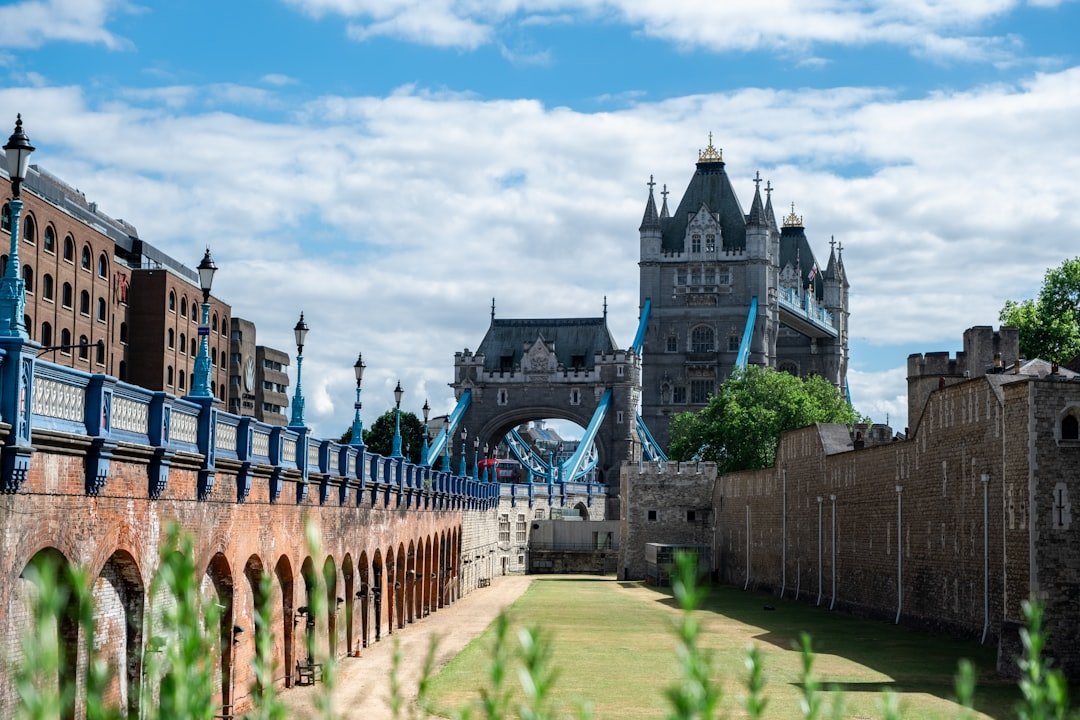
The best time to visit the Tower of London depends on whether you value lighter crowds, milder weather, family activities, or the quietest possible visit. For most first-time visitors, a term-time weekday in late spring or early autumn gives a good balance of comfortable weather and manageable crowds. Winter can be quieter, while school holidays require a different time-of-day strategy.
Quick Answer
For the best overall visit, choose a weekday outside school holidays in late spring or early autumn. Historic Royal Palaces recommends visiting before 11:00 outside peak holiday periods; during school holidays, visit after 13:30 instead. Winter weekdays are generally better if your main goal is avoiding crowds.
Last checked: October 1, 2026. Dates and figures were verified against official sources.
Key Takeaways
- Historic Royal Palaces identifies Easter through October as the Tower’s peak visiting period.
- Outside peak holidays, before 11:00 is recommended for a quieter experience; during school holidays, after 13:30 is preferable.
- July and August offer warmer weather but coincide with the long school holiday and heavier visitor pressure.
- January and February can provide a calmer visit, although days are colder and shorter.
- Allow enough time for the Crown Jewels, White Tower, battlements, and a Yeoman Warder tour rather than planning a rushed one-hour stop.
Best Time to Visit the Tower of London by Season
For most visitors, the best balance comes outside the main school-holiday periods. Spring and early autumn offer milder conditions, while winter is better if reducing crowds matters more than daylight or warmth. Summer has the warmest weather but overlaps with the busiest part of the visitor season.
The temperature figures below use the Met Office Heathrow 1991–2020 climate normals. The ranges show the average monthly highs and lows across each three-month period.
| Period | Average High / Low Range | Crowd Pattern | 2026 Dates to Know |
|---|---|---|---|
| January–March | 8.4–11.7°C / 2.7–4.1°C | Usually calmer outside February half-term and Easter | Tower Hamlets half-term: 16–20 February; Easter break began 30 March |
| April–June | 15.0–21.6°C / 6.0–12.0°C | Moderate to busy, especially Easter and late-May half-term | Easter break through 10 April; half-term 25–29 May |
| July–September | 20.2–23.9°C / 11.6–14.2°C | High, particularly during the long summer school holiday | Local summer break followed the term ending 21 July and ran until the new term began 1 September |
| October–December | 8.8–15.8°C / 3.1–8.8°C | Moderate, with spikes at October half-term and Christmas | Half-term 26–30 October; Christmas break 21 December–1 January |
School dates vary across London, so the dates above use the official Tower Hamlets school calendar, the borough surrounding the Tower. Other boroughs and individual schools may differ.
The Historic Royal Palaces history of the Tower explains that the great Norman fortress took about 20 years to build. Its long history includes royal prisoners, executions, the White Tower’s arms and armour, and the Crown Jewels, including the Imperial State Crown and the Koh-i-Noor diamond.
Weather and Climate in London
London’s weather is mild compared with many places at the same latitude, but conditions can change quickly. Weather matters at the Tower because you will spend considerable time outdoors crossing courtyards, walking on exposed walls, and moving between buildings.
Met Office Heathrow climate normals show average highs of 8.4°C in January, 15.0°C in April, 23.9°C in July, 15.8°C in October, and 8.8°C in December. Average lows range from about 2.7°C in January to 14.2°C in July.
Spring can offer pleasant temperatures without midsummer heat. Summer gives the longest and warmest days, while September often retains mild conditions. Winter visits are colder, but many of the major attractions, including the Crown Jewels and White Tower displays, are indoors.
Peak Tourist Seasons
Historic Royal Palaces identifies Easter through October as the Tower’s main peak visiting period. Within that long season, weekends, school holidays, and warm summer days can create the greatest pressure around entrances and the most popular attractions.
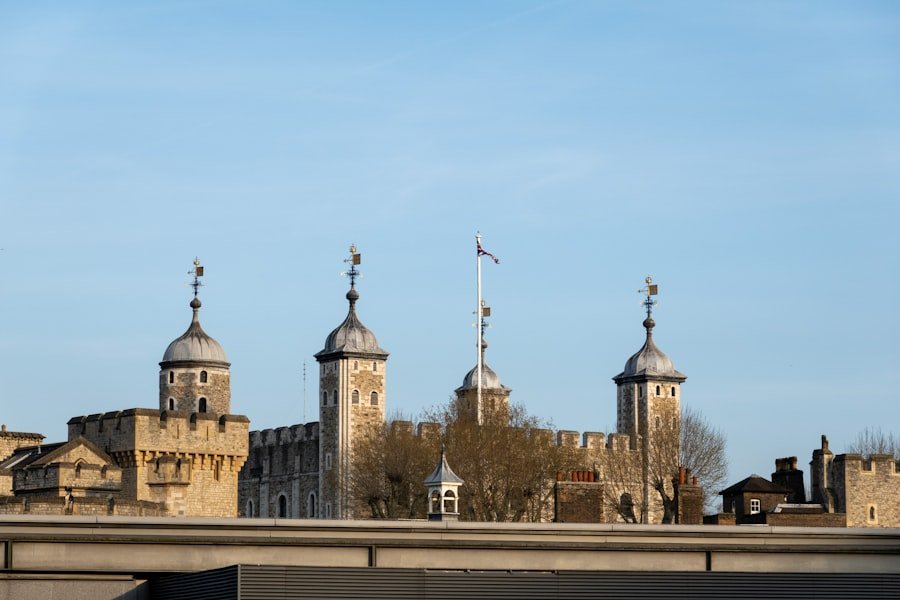
July and August combine warm weather with the long school break, so they are not ideal if your main aim is a quiet visit. Easter holidays and late-May half-term can also increase family traffic.
Peak periods do have advantages. You get longer daylight, generally milder weather, and seasonal family programming. The trade-off is that the Jewel House, security entrance, cafés, narrow passages, and popular viewpoints can feel considerably busier.
If you must visit during a school holiday, do not automatically assume opening time is quietest. Current Historic Royal Palaces quiet-time guidance says mornings are busiest during school holidays and recommends visiting after 13:30 instead.
Off-Peak Tourist Seasons
January and February are useful months if avoiding crowds is your highest priority. The days are colder and shorter, but the trade-off can be a calmer atmosphere and more room to appreciate the fortress without the pressure associated with summer holidays.
Late autumn can also work well after October half-term and before the busiest Christmas period. November’s average Heathrow high is about 11.5°C, so warm layers are sensible, especially if you plan to spend time on the battlements or Tower Wharf.
For visitors who want better weather without the strongest summer crowds, term-time dates in May, September, and early October can provide a good compromise. They still fall within the official peak period, however, so choosing the right weekday and time of day remains important.
Special Events and Festivals
Special events can make a visit more memorable, but they can also change crowd patterns. Check whether your visit overlaps with family programming, holiday events, ceremonies, or temporary route changes before deciding that a particular date will be quiet.
The official Tower of London What’s On calendar lists Halloween at the Tower from 24 October to 1 November 2026, with activities included in palace admission. Christmas at the Tower runs from 27 November 2026 to 3 January 2027 and is also included with admission.
The Ceremony of the Keys is another distinctive Tower experience. This centuries-old locking-up tradition takes place after normal daytime visiting and requires a separate advance booking. It should therefore be planned as its own event rather than treated as part of ordinary general admission.
Event dates can be excellent choices if the event itself interests you. If your aim is simply to see the permanent attractions with fewer people, avoid major family-event dates and school-holiday weekends where possible.
Crowds and Queues
The busiest points are not necessarily crowded to the same degree all day. Security checks, the Jewel House, popular indoor displays, and tour gathering points can create local queues even when the wider grounds still feel comfortable.
Outside the main holiday periods, Historic Royal Palaces recommends arriving before 11:00 for a quieter experience. During school holidays, its advice changes to after 13:30 because mornings are then especially busy.
For Thursday 1 October 2026, the official opening calendar lists 09:00–17:30, with last entry at 16:30. Hours vary by date, so your ideal arrival time must still leave enough time before last admission and closing.
If the Crown Jewels are your main priority, avoid leaving them until you have only a few minutes remaining. The exhibition is one of the Tower’s headline attractions, and queues can build during busy periods.
Best Times for Photography
For outdoor photography, softer morning and late-afternoon light usually produces more flattering detail on the Tower’s stone walls than harsh midday sun. The riverside setting also changes noticeably with weather, cloud cover, and season.
Spring can add fresh greenery, while summer gives longer daylight. Autumn offers warmer foliage tones, and winter can produce dramatic low light and clearer views when visitor numbers are lower.
For photographs with fewer people, use the same crowd strategy as the rest of your visit. Outside holiday periods, earlier visits are generally better; during school holidays, the official guidance favouring later afternoon visits may give you more space around some outdoor areas.
Guided Tours and Programs
A Yeoman Warder tour is one of the most useful ways to understand the Tower’s history. The Warders, commonly called Beefeaters, explain the fortress’s roles as a royal residence, prison, defensive stronghold, and site of major historical events.
Current Yeoman Warder tour information says tours run daily, generally every 45 minutes, with the final tour at 15:15. They are included with Tower admission, subject to availability, and cannot be reserved in advance.
The route involves steps, cobbles, and uneven walkways. Tours can also be altered or cancelled because of poor weather or heavy crowds, so build some flexibility into your schedule.
Families should be aware that stories about imprisonment and execution can be frightening for some younger children. If that is a concern, use the Tower’s family exhibits and self-guided attractions at your own pace.
Family-Friendly Times
Families usually have an easier visit when they avoid the busiest school-holiday mornings. During term time, weekdays can provide more room for children to explore without the same level of congestion around popular displays.
During school holidays, Historic Royal Palaces recommends arriving after 13:30 rather than joining the heavier morning crowds. That can work especially well for families whose children are comfortable with a later sightseeing schedule.
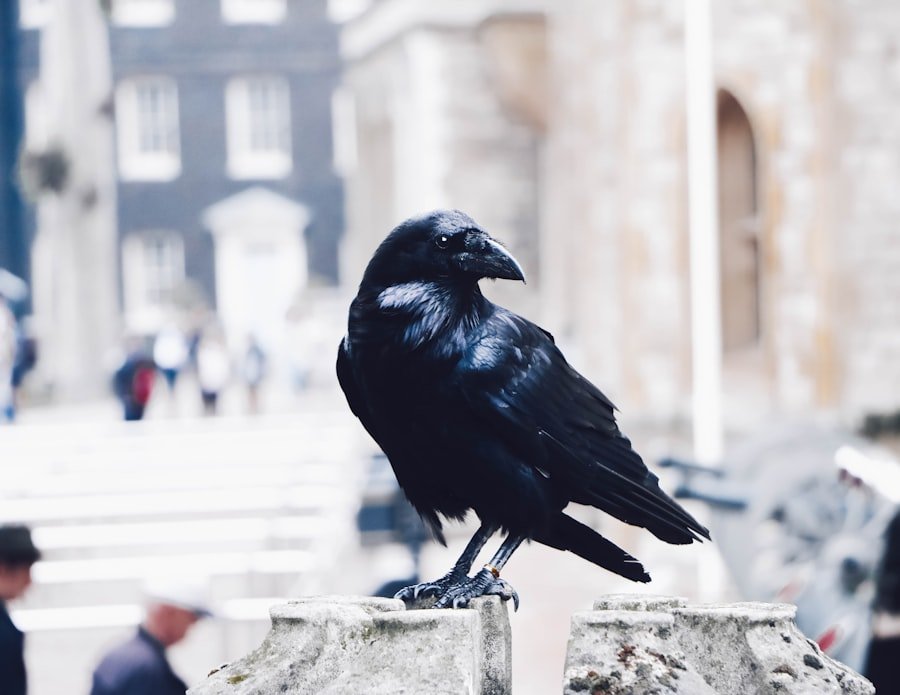
The Tower offers attractions that appeal to younger visitors, including the Crown Jewels, ravens, battlements, Royal Beasts displays, and seasonal performances. Allow breaks rather than trying to rush through every building in one continuous circuit.
Current standard Tower of London admission prices, checked on 1 October 2026, are £38 for an adult aged 18–64 and £19 for a child aged 5–15 without the optional donation. Children aged 0–4 enter free and do not require a ticket.
Accessibility and Facilities
The Tower welcomes disabled visitors, but its medieval design creates genuine access limitations. Cobbles, narrow passages, low doorways, stairs, and spiral staircases mean not every part of the fortress can be reached step-free.
Wheelchair access is limited in some historic areas, while accessible routes and facilities are available elsewhere. The Tower also offers free admission for an accompanying carer or companion of a disabled visitor, subject to its current ticket conditions.
If mobility or sensory needs will shape your visit, choosing a quieter period can make movement through the site easier. Historic Royal Palaces specifically publishes quiet-time guidance alongside its detailed accessibility information.
Families can also find toilets, baby-changing facilities, places to rest, cafés, and buggy parking on site. Large luggage is not suitable for a Tower visit, so plan storage before arrival if you are travelling with suitcases.
Tips for Making the Most of Your Visit
A good Tower of London visit is mostly about matching your arrival time to the crowd pattern and leaving enough time for the major attractions. Avoid packing the Tower into a short gap between other London sights if it is one of your priorities.
- Choose term time when possible. Weekdays outside school holidays usually give you more control over your schedule.
- Use the correct time-of-day strategy. Aim for before 11:00 outside peak holidays, but after 13:30 during school holidays.
- Allow several hours. The site includes the Crown Jewels, White Tower, battlements, exhibitions, chapels, courtyards, and tours.
- Prioritize your must-see attraction. If the Crown Jewels matter most, do not leave the Jewel House until the end of a tightly timed visit.
- Wear suitable shoes. Cobbles, steps, slopes, and worn historic surfaces are part of the site.
- Book ahead for busy dates. Advance booking is especially sensible for school holidays and seasonal events.
- Dress for outdoor exposure. Even though major displays are indoors, moving between buildings can mean significant time outside.
The Tower’s White Tower, Crown Jewels, Yeoman Warders, battlements, and stories connected with figures such as Anne Boleyn and Thomas More make it much more than a quick photo stop. Giving the fortress enough time is often more important than choosing a supposedly perfect month.
If you’re planning a wider London itinerary, you may also be interested in reading about the Top 10 Must-See Attractions in London on Tagline Today.
Frequently Asked Questions
What is the best time to visit the Tower of London?
For most visitors, a term-time weekday in late spring or early autumn offers a good balance of weather and crowds. Outside peak holiday periods, visit before 11:00; during school holidays, Historic Royal Palaces recommends visiting after 13:30 instead.
What is the best day of the week to visit the Tower of London?
A weekday outside school holidays is generally the strongest choice if you want to reduce crowd pressure. Weekends attract more leisure visitors, while school holidays can make weekday mornings busy as well, so the calendar matters as much as the day name.
Which months are best for visiting the Tower of London?
May, September, and early October can provide a useful balance of milder weather and manageable crowds when you choose term-time dates. January and February are better choices if your main goal is a quieter visit and you do not mind colder weather and shorter daylight.
When should I avoid visiting the Tower of London?
Avoid major school-holiday mornings if minimizing crowds is your priority. Easter, the long summer holiday, October half-term, and the Christmas period can all increase visitor numbers, while Historic Royal Palaces identifies Easter through October as the overall peak visiting period.
What time of day is the Tower of London least crowded?
Outside peak holiday periods, Historic Royal Palaces recommends visiting before 11:00 for a quieter experience. During school holidays, mornings are busier and the official advice changes to visiting after 13:30, so there is no single quietest hour that applies all year.
How long should I spend at the Tower of London?
Plan several hours for a first visit rather than treating the Tower as a short stop. The Crown Jewels, White Tower, battlements, historical exhibitions, courtyards, and a Yeoman Warder tour can easily fill a substantial part of the day, especially when queues are present.
How much does it cost to visit the Tower of London in 2026?
As checked on 1 October 2026, standard admission without the optional donation is £38 for adults aged 18–64 and £19 for children aged 5–15. Children aged 0–4 enter free. Prices can change, so these figures apply to the date they were verified.
What should I see first at the Tower of London?
Prioritize whichever headline attraction matters most to you, especially the Crown Jewels if they are the main reason for your visit. Then build the rest of your route around the White Tower, battlements, exhibitions, ravens, and a Yeoman Warder tour without repeatedly crossing the site.
Sources
- Historic Royal Palaces — Story of the Tower of London: Tower history and construction chronology.
- Historic Royal Palaces — Opening and closing times: current opening hours, last entry, and visitor timing information.
- Historic Royal Palaces — Tickets and prices: current admission prices and ticket inclusions.
- Met Office — Heathrow climate averages: 1991–2020 temperature and rainfall normals used in the seasonal guidance.
- Tower Hamlets Council — School term and holiday dates: 2026 local half-term and school-holiday dates.
- Historic Royal Palaces — What’s On: 2026 Halloween, Christmas, and other Tower events.
- Historic Royal Palaces — Yeoman Warder tours: tour schedule, admission inclusion, and route information.
- Historic Royal Palaces — Accessibility: quiet-time recommendations, wheelchair limitations, and accessible visitor information.