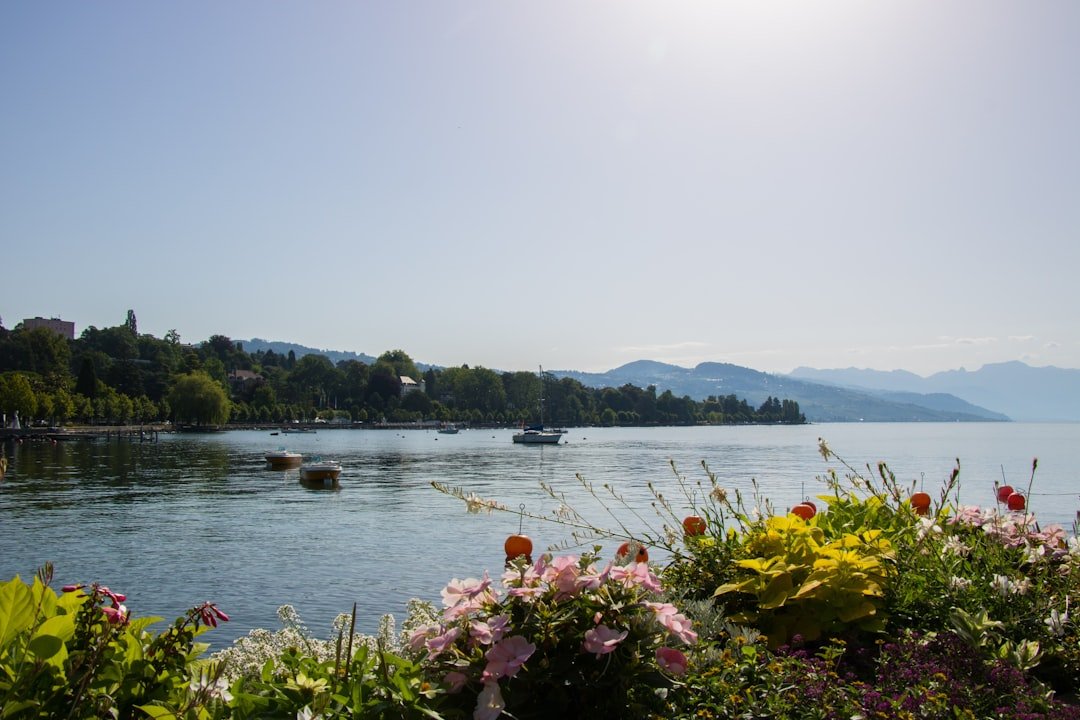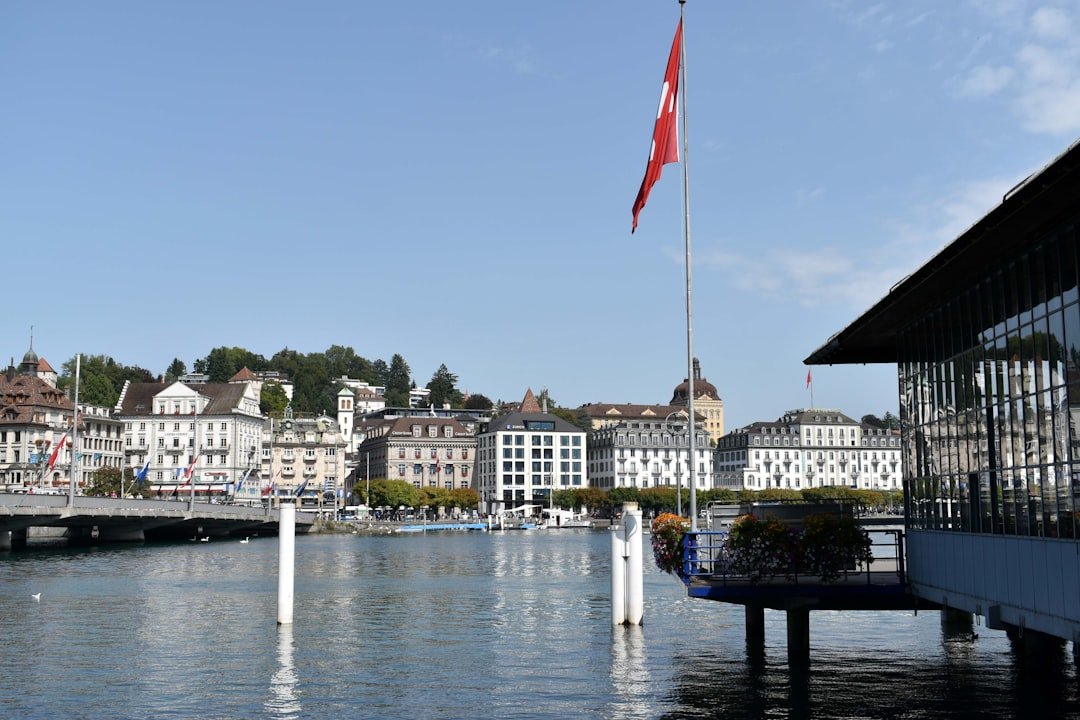
Zurich changes noticeably with the seasons. Summer brings lake swimming and outdoor festivals, autumn favors walking and cultural events, and Advent fills the center with lights and Christmas markets. The best time to visit Zurich therefore depends on whether you want warm outdoor days, fewer visitors, major events, or a winter atmosphere.
Quick Answer
For most first-time visitors, late May through June and September offer the best balance of comfortable weather, long daylight, outdoor activities, and lighter crowds than peak summer. Choose July–August for swimming and festivals, or late November–December for Christmas markets. January–February suit museums and nearby winter day trips.
Last checked: October 1, 2026. Dates and figures were verified against official sources.
Key Takeaways
- Spring is excellent for walking and blossoms, with Sechseläuten returning on April 19, 2027.
- July and August offer the warmest conditions and the liveliest outdoor calendar, including Street Parade on August 14, 2027.
- September and October combine cooler sightseeing weather with major cultural events such as the Zurich Film Festival.
- Zurich’s 2026 Christmas markets open from November 19, with most running until December 23 or 24.
- Zurich receives precipitation throughout the year, so a light waterproof layer is useful in every season.
Best Time to Visit Zurich by Month
There is no single perfect month for every traveler. Late spring and early autumn offer a strong balance, while July and August are better if swimming, long evenings, and big outdoor events are priorities.
The temperatures below use long-term Zurich climate data centered on the Zürich/Fluntern weather station. The City of Zurich meteorological data identifies MeteoSwiss as the source for the city’s temperature, precipitation, and sunshine records.
| Month | Avg. High / Low | Typical Crowd Level | Best For |
|---|---|---|---|
| January | 3.5°C / -1.4°C | Low | Museums, skating, winter day trips |
| February | 5.2°C / -1.2°C | Low | Indoor culture and nearby snow |
| March | 10.2°C / 1.9°C | Low–moderate | Early blossoms and city walks |
| April | 14.8°C / 5.1°C | Moderate | Sechseläuten and spring sightseeing |
| May | 18.8°C / 9.0°C | Moderate | Parks, cycling, walking |
| June | 22.4°C / 12.6°C | Moderate–high | Long days and outdoor activities |
| July | 24.3°C / 14.4°C | High | Lake swimming and open-air events |
| August | 23.9°C / 14.3°C | High, especially event weekends | Festivals and lake life |
| September | 19.1°C / 10.7°C | Moderate | Walking, culture, early autumn |
| October | 13.8°C / 7.1°C | Moderate | Autumn color and cultural events |
| November | 7.6°C / 2.5°C | Low, rising in late November | Museums and early Christmas season |
| December | 4.0°C / -0.5°C | High around Advent attractions | Christmas markets and winter atmosphere |
Crowd levels above are a practical seasonal guide rather than official visitor-count statistics. Major festivals and Advent weekends can make specific dates much busier than the rest of a month.
Spring in Zurich: March–May
Spring is one of the best periods for travelers who want comfortable sightseeing weather without the full summer rush. March can still feel chilly, while April and May progressively open up more opportunities for parks, café terraces, cycling, and longer walks.
Flowering dates change with the weather, but Zurich’s magnolias and cherry blossoms can begin appearing from mid-March. Zurlindenstrasse, Seestrasse, Bertastrasse, Belvoir Park, and other neighborhoods are among the places highlighted by Zurich Tourism for spring blossoms.
The city’s signature spring tradition is Sechseläuten. The official Zurich spring calendar lists Sechseläuten for April 19, 2027, along with the Zurich Marathon on April 11 and Zürich Tanzt from May 20–23, 2027.
April weather can change quickly, so spring works especially well if your plan mixes outdoor sightseeing with museums and churches. By May, average daytime highs approach 19°C, making the city much more comfortable for long days on foot.
Summer in Zurich: June–August
)
Summer is the best time for Zurich’s outdoor side. Warm days bring people to Lake Zurich, riverside bathing facilities, parks, restaurant terraces, and open-air cultural events.
July is normally the warmest month, with an average high around 24°C at Zürich/Fluntern. Days above 30°C are also possible, and thunderstorms can interrupt otherwise warm periods. If swimming and evenings beside the water are central to your trip, June through August is the most dependable window.
August is especially event-heavy. The next Street Parade takes place on August 14, 2027, with the official parade and stages running from 1:00 PM to midnight around Zurich’s lake basin. Expect much heavier foot traffic and transport demand around the route that day.
Zürich Openair should also be treated carefully when planning around festivals. The official Zürich Openair information confirms that the festival took a break in 2026 and is scheduled to return in 2027.
Pro Tip: If you want summer weather without building your entire trip around a major festival weekend, June often gives you long days and outdoor conditions before Zurich’s biggest August events.
Fall in Zurich: September–November
| Month | Average High | Average Low | Best For |
|---|---|---|---|
| September | 19.1°C | 10.7°C | Walking and cultural events |
| October | 13.8°C | 7.1°C | Autumn color and museums |
| November | 7.6°C | 2.5°C | Quiet city breaks and early Advent |
September is an excellent alternative to midsummer. Temperatures remain comfortable for walking, but the intense July and August summer atmosphere begins to ease. Vineyards around Lake Zurich also move into the harvest period.
Culture becomes increasingly important as temperatures fall. The 22nd Zurich Film Festival runs from September 24 to October 4, 2026. Later in fall, the Expovina Wine Ships are scheduled at Bürkliplatz from October 29 to November 12, 2026.
October usually works well for travelers interested in the Old Town, museums, food, and autumn scenery. November is cooler and often quieter before the Advent season gathers momentum. Uetliberg can also be rewarding in late autumn because its summit may sit above the low cloud or fog covering the city.
Winter in Zurich: December–February
Winter suits travelers who want Christmas atmosphere, indoor culture, ice skating, or access to snow activities outside the city. Zurich itself can be cold and gray, but it remains easy to explore by public transport and has plenty of indoor attractions.
For Christmas markets, late November through December is the key period. According to Zurich Tourism’s 2026 Christmas market schedule, the Old Town, Bellevue Noël, and several other central markets run from November 19 to December 23. The market at Zurich Main Station and Münsterhof continue through December 24.
The Main Station market has more than 100 stalls, while Bellevue Noël occupies Sechseläutenplatz beside the Opera House. These areas can be busy during evenings and Advent weekends, so December should not automatically be treated as a quiet low-season month.
For skating, use established ice rinks rather than relying on natural lakes to freeze. Zurich Tourism lists the Dolder, Heuried, and Oerlikon outdoor rinks for October 17, 2026 through March 7, 2027. The listed free-skating dates, including skate rental, are November 8, 2026 and February 7, 2027.
Weather and Climate in Zurich
)
What Is Zurich’s Climate Like?
Zurich has four distinct seasons. Winters can bring freezing temperatures and occasional snow, while summer afternoons are normally warm and can sometimes exceed 30°C.
Rain is possible in every month, so there is no completely dry season to target. Warm-season showers and thunderstorms are one reason a light waterproof layer remains useful even on a summer trip.
Which Months Have the Best Weather?
June through September provides the most reliable combination of mild-to-warm temperatures and outdoor opportunities. July is normally the warmest month, while September is cooler but still comfortable enough for long walks and many outdoor activities.
April and May are pleasant alternatives if you prefer spring flowers and milder conditions. Weather can be more changeable, but the city is easy to explore because major museums, churches, restaurants, and public transport operate independently of the weather.
Does Zurich Get Very Hot?
Zurich’s normal summer averages are moderate, but hot spells can push daytime temperatures above 30°C. The urban heat effect can also keep central neighborhoods warmer at night than greener or more elevated parts of the region.
On hot days, Lake Zurich, riverside areas, parks, and public bathing facilities become central to local summer life. Plan strenuous walks for earlier in the day if a heat spell is forecast.
Events and Festivals That Can Affect Your Travel Dates
Zurich’s major events can change the atmosphere of an otherwise normal travel week. They can also concentrate visitors around the lake basin, Old Town, central rail station, and major venues.
- Zurich Film Festival: September 24–October 4, 2026.
- Expovina Wine Ships: October 29–November 12, 2026.
- Christmas markets: most central markets run November 19–December 23 or 24, 2026.
- Sechseläuten: April 19, 2027.
- Zurich Art Weekend: June 11–13, 2027.
- Street Parade: August 14, 2027.
If one of these events is the main reason for your trip, reserve accommodation earlier than you would for an ordinary week. If you prefer quieter sightseeing, avoid staying directly beside the main event area during the busiest dates.
Outdoor Activities in Zurich by Season
Zurich offers outdoor options throughout the year, but the type of activity changes dramatically with the season. Summer is strongest for water activities, while spring and autumn are particularly comfortable for walking and cycling.
Spring and Summer
Uetliberg is Zurich’s local mountain and offers views across the city, Lake Zurich, and, in clear weather, toward the Alps. Numerous paths also connect parks, lakefront areas, and neighborhoods around the city.
In warm weather, Lake Zurich and designated river or lake bathing facilities become popular places to swim. Boat trips provide a less strenuous way to see the lake and surrounding communities.
Fall
September and October work well for hiking, neighborhood walks, lakeside routes, and trips into the wine-growing areas around Lake Zurich. Cooler temperatures can make longer walks more comfortable than during a midsummer heat spell.
Winter
During winter, designated ice rinks provide a dependable option inside the city. Skiing, snowshoeing, sledding, and other snow activities normally require a trip into higher terrain outside central Zurich, where snow cover is more reliable.
Cultural and Historical Attractions in Zurich
Zurich’s museums, churches, and Old Town make the city a viable destination even when the weather is poor. This is particularly useful in November, January, and February, when outdoor plans can be less predictable.
The Old Town, or Altstadt, extends along both sides of the Limmat. Major landmarks include Grossmünster with its twin towers and Fraumünster, where the stained-glass works include windows by Marc Chagall and Augusto Giacometti.
Grossmünster is undergoing renovation work scheduled across the 2025–2029 period, so visitors during these years may encounter construction around parts of the church.
The National Museum Zurich, next to the main railway station, focuses on Swiss cultural history. Kunsthaus Zürich covers art from earlier periods through contemporary work and includes major holdings by artists such as Alberto Giacometti, Edvard Munch, Picasso, Van Gogh, and Chagall.
These indoor attractions make Zurich easier to plan year-round than a destination dependent entirely on mountain weather.
Local Cuisine and Dining in Zurich
Zurich’s food scene ranges from traditional Swiss dishes to international restaurants and modern fine dining. Cooler months are particularly suited to hearty dishes, while summer brings more terrace and outdoor dining.
A classic local dish is Zürcher Geschnetzeltes, made with thinly sliced veal in a creamy sauce and commonly served with rösti. Fondue and raclette are Swiss rather than exclusively Zurich specialties, but both are widely available, especially when the weather turns colder.
Markets, bakeries, cafés, and neighborhood restaurants are useful for trying local food without limiting your trip to formal restaurants. Seasonal produce and menus also change through the year.
Tips for Planning a Trip to Zurich
Zurich has an extensive tram, train, bus, and boat network, so a car is unnecessary for most city visits. Public transport is particularly useful when rain or winter weather makes long walks less appealing.
The Zürich Card includes unlimited second-class travel in its covered area for either 24 or 72 hours. It also includes the airport transfer, the trip to Uetliberg, selected boat trips, free admission to many museums, and discounts at other attractions.
If your trip coincides with Street Parade, Sechseläuten, the Christmas markets, or another large festival, book accommodation earlier and allow extra time around major event areas. For an ordinary sightseeing trip, staying near a tram or train stop can be more useful than paying extra to be directly beside Bahnhofstrasse or the lake.
Pro Tip: Build at least one indoor option into each day rather than trying to predict Zurich’s weather weeks in advance. A museum, church, café, or food stop makes it easy to adjust your schedule around rain or a sudden temperature change.
You do not need to speak Swiss German to travel comfortably in Zurich. Standard German is useful, while English is widely understood in many tourism, transport, hotel, and restaurant settings. A simple greeting such as “Grüezi” is a friendly way to begin an interaction.
For additional reading retained from the original post, see Tagline Today’s Asian melon article.
Frequently Asked Questions
What is the best month to visit Zurich?
June and September are two of the strongest choices for many visitors. June offers long days and warm outdoor weather, while September is cooler and generally better suited to walking. July and August are preferable if lake swimming and major summer events are your main priorities.
Is Zurich crowded in summer?
Zurich is busiest in summer around popular waterfront areas and major events. July and August bring lake activities, outdoor festivals, and warm-weather visitors. Street Parade creates an especially large concentration of people around the lake basin, so travelers seeking quieter streets may prefer June or September.
Is December a good time to visit Zurich?
December is an excellent time if Christmas markets and winter atmosphere matter more than warm weather. Central Zurich has several Advent markets, lights, seasonal food, and ice skating. Expect cold conditions and busy evenings around the main station, Old Town, Bellevue, and other Christmas attractions.
Does it snow in Zurich in winter?
Snow can fall in Zurich during winter, but lasting snow cover in the city is not guaranteed. Conditions are more reliable at higher elevations outside central Zurich. Plan a mountain day trip if snow is essential to your visit rather than assuming the city streets will be covered.
How many days do you need in Zurich?
Two or three days is enough for many first-time visitors to see the Old Town, lakefront, major churches, museums, and Uetliberg without rushing. Add more time if you want several museums, extended lake activities, or day trips into other parts of Switzerland.
Do you need a car when visiting Zurich?
No, most visitors do not need a car for Zurich. Trams, buses, trains, and boats connect the city’s main neighborhoods and attractions, while the rail network also makes many regional trips practical. Walking and public transport are usually simpler than driving and parking in central areas.
Sources
- City of Zurich Meteorology: Zurich climate station, temperature, precipitation, and sunshine data methodology.
- Zurich Tourism – Spring in Zurich: spring activities and verified 2027 event dates.
- Street Parade: August 14, 2027 date, hours, and route information.
- Zurich Tourism – Zürich Openair: confirmation of the 2026 break and planned 2027 return.
- Zurich Film Festival: September 24–October 4, 2026 festival dates.
- Zurich Tourism – Christmas Markets: official 2026 market dates and locations.
- Zurich Tourism – Ice Skating: 2026–2027 rink seasons and free-skating dates.
- Zurich Tourism – Zürich Card: public transport coverage, museum benefits, airport transfer, and included trips.