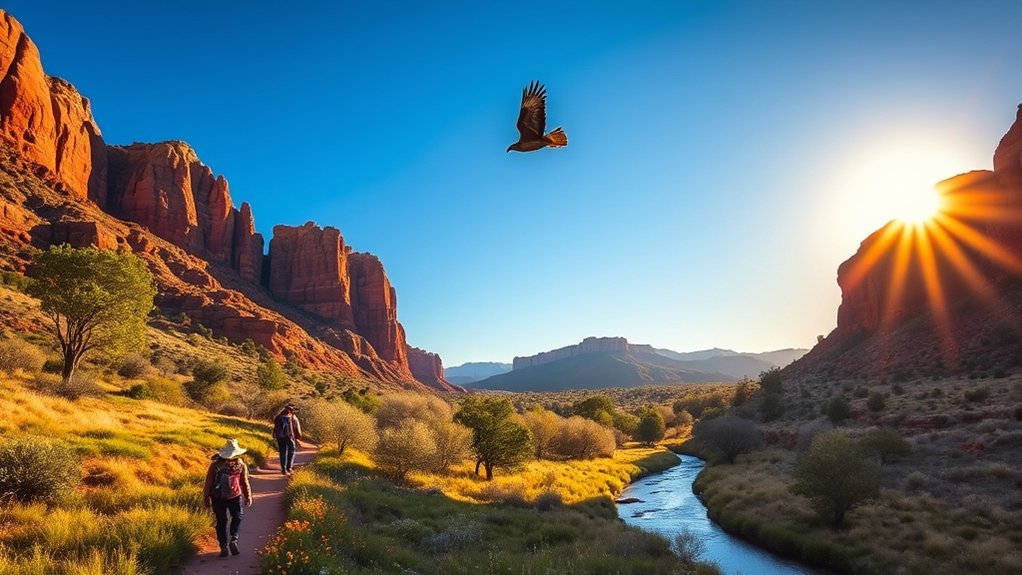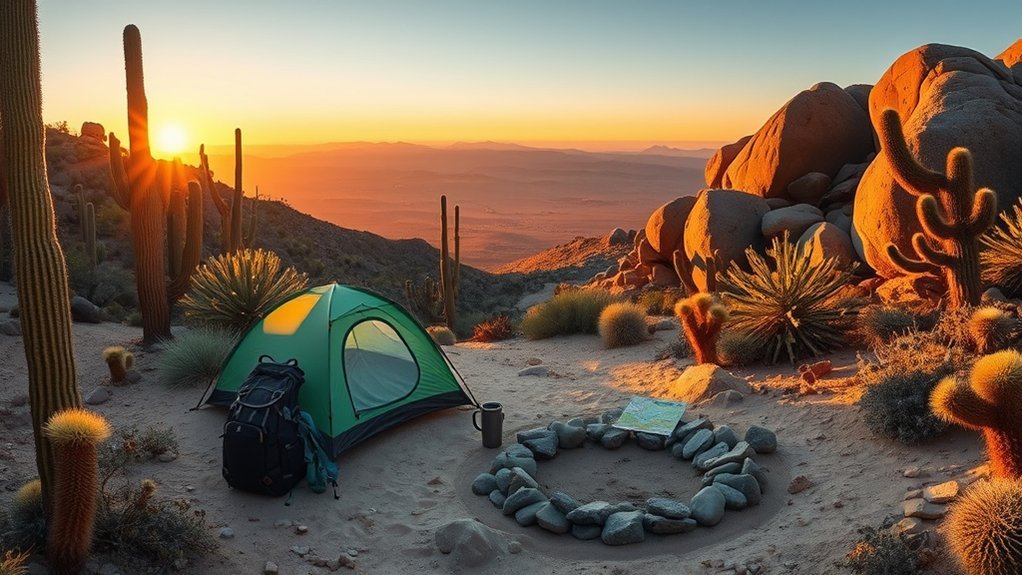
Planning a trip to South Mountain Park and Preserve requires understanding its unique desert environment and strict municipal regulations. While many outdoor enthusiasts search for overnight camping options inside the park, South Mountain Park and Preserve is strictly a day-use park with no legal overnight camping. Spanning over 16,000 acres in Phoenix, Arizona, it offers more than 51 miles of scenic trails for hiking, trail running, horseback riding, and mountain biking, but overnight stays are prohibited by municipal code.
Quick Answer
Can you camp at South Mountain Park and Preserve? No. South Mountain Park is strictly a day-use municipal preserve managed by the City of Phoenix; all overnight camping, dispersed camping, and campfires are illegal. Park access gates close at 7:00 PM (trails remain accessible until 11:00 PM). For legal overnight camping, visit nearby Maricopa County Regional Parks such as McDowell Mountain, Usery Mountain, or Cave Creek.
Key Takeaways
- Day-Use Only: Overnight camping, sleeping in vehicles, and dispersed backcountry camping are strictly prohibited in South Mountain Park and Preserve under Phoenix City Code.
- Park Hours: Main vehicle entrance gates are open daily from 5:00 AM to 7:00 PM, while designated trails close at 11:00 PM.
- No Open Campfires: Ground fires, charcoal fires outside designated permanent ramadas, and backcountry open fires are banned year-round due to high desert wildfire risk.
- Extreme Heat Hazards: Carry at least 1 liter of water per hour of activity. By city ordinance, dogs are prohibited on trails when temperatures reach 100°F (38°C) or higher.
- Legal Camping Alternatives: Established tent and RV campgrounds are available 30–50 minutes away at Maricopa County Regional Parks and Tonto National Forest.
At a Glance: South Mountain Park and Preserve Regulations
| Overnight Camping | Prohibited throughout the entire preserve (Day-use only) |
| Vehicle Gate Hours | 5:00 AM – 7:00 PM daily (Trails close at 11:00 PM) |
| Total Trail Network | 51+ miles across 16,000+ protected desert acres |
| Entrance & Parking Fees | Free (No permit required for general day hiking) |
| Best Visiting Season | November through April (Mild daytime temperatures) |
Planning Your Visit and Seasonal Considerations
When planning a trip to South Mountain Park, seasonal weather dictates your safety and gear selection. Located in the Sonoran Desert, the preserve experiences extreme seasonal variations. Summer temperatures routinely exceed 110°F (43°C), creating life-threatening conditions for unprepared trail users. Winters and early spring offer ideal hiking weather with daytime highs ranging between 65°F and 78°F (18°C–26°C), though nighttime temperatures can dip into the 40s.
During the summer monsoon season (typically July through mid-September), sudden convective thunderstorms can produce severe flash floods, high winds, and lightning strikes along exposed ridgelines. Check forecast updates from the National Weather Service Phoenix before heading out. Always schedule warm-weather hikes during early morning hours—finishing before 9:00 AM—and avoid physical exertion during peak afternoon heat.
Warning: Under Phoenix City Code § 24-54, dogs are strictly prohibited on all City of Phoenix mountain hiking trails whenever the temperature reaches 100°F (38°C) or higher. Violations carry fines up to $2,500 and possible jail time to protect animals from fatal heatstroke.
Access, Permits, and Regulations
South Mountain Park and Preserve is operated by the City of Phoenix Parks and Recreation Department. Admission and parking are free across all trailheads. However, visitors must adhere to strict preserve regulations to protect fragile desert ecology and archaeological sites:
- Operating Hours: Vehicle gates open at 5:00 AM and lock at 7:00 PM. Trails remain open to non-motorized use until 11:00 PM. Vehicles left in parking areas after 7:00 PM are subject to ticketing and towing.
- Overnight Stays: Dispersed camping, pitching tents, sleeping in parked cars, and overnight backpacking are strictly prohibited under Phoenix City Code § 24-52.
- Pet Regulations: Dogs must remain on a secure leash not exceeding 6 feet in length at all times. Owners must clean up and pack out all pet waste.
- Cultural Preservation: South Mountain preserves thousands of ancient Hohokam petroglyphs. Defacing, touching, chalking, or removing rock art or artifacts is a federal and state crime.
Note: On the fourth Sunday of every month, South Mountain observes “Silent Sunday.” On these days, the main park roadway past the Activity Complex is closed to motorized vehicles from 5:00 AM until late afternoon, reserving Summit Road exclusively for non-motorized cyclists, runners, and walkers.
Designated Campgrounds and Amenities
Visitors frequently look for campgrounds within South Mountain Park, but there are no developed or primitive campsites inside the preserve. All facilities within the park—such as picnic ramadas, restrooms at main trailheads, and scenic lookouts like Dobbins Lookout—are designated for daytime recreational use only.
Legal Camping Alternatives Near Phoenix
If you want to camp near South Mountain, you must utilize designated regional parks and federal lands outside Phoenix city limits. The Maricopa County Parks system and Tonto National Forest operate fully permitted campgrounds within a 30- to 60-minute drive from the preserve:
- McDowell Mountain Regional Park (Fountain Hills): Offers 76 developed RV/tent campsites with water and 30/50-amp electric hookups, modern restrooms with hot showers, and access to over 50 miles of multi-use desert trails.
- Usery Mountain Regional Park (Mesa): Features 73 individual campsites with water and electrical hookups, dump stations, and scenic views of the Superstition Mountains.
- Cave Creek Regional Park (Cave Creek): Provides 55 developed campsites suited for both RVs and tent campers along the northern boundary of the metro area.
- Tonto National Forest (Superstition Wilderness & Lower Salt River): Offers developed campgrounds and legal dispersed backcountry camping under federal regulations. A Tonto Daily Pass or America the Beautiful Pass may be required.
Trailhead Facilities vs. Backcountry Realities
Within South Mountain Park, potable water and flush restrooms are only available at select frontcountry trailheads, such as the South Mountain Activity Complex and the Pima Canyon Trailhead. Once you leave the trailhead parking lots, there is zero drinking water anywhere along the trail system. Desert washes and seasonal intermittent pools are dry for most of the year, highly mineralized, and unsafe as reliable hydration sources.
Pro Tip: Never rely on finding natural water sources in South Mountain. Cache extra gallons of drinking water inside an insulated cooler in your vehicle so you can rehydrate immediately upon finishing your hike.
Backcountry Routes and Skill Requirements
South Mountain features diverse terrain ranging from wide, graded multi-use tracks to steep, rocky ridgelines with exposed scrambles. Navigating the Sonoran Desert backcountry requires proper route planning and realistic self-assessment.
Route Difficulty Grading
Trails are graded based on elevation change, tread stability, and navigational complexity. Choose routes that match your fitness level and mountain experience.
| Trail Name | Distance & Elev. Gain | Technical Difficulty | Terrain Overview |
|---|---|---|---|
| Judith Tunell Trail | 0.5 miles / Level | Easy (ADA Accessible) | Paved/hard-packed barrier-free loop with interpretive signage. |
| Kiwanis Trail | 2.0 miles / 500 ft gain | Moderate | Winding canyon trail with steady stone steps up to Summit Road. |
| Mormon Trail to Hidden Valley | 4.0 miles / 1,000 ft gain | Difficult | Rocky ascent, slick granite rock surfaces, and narrow passage through Fat Man’s Pass. |
| National Trail (Full Traverse) | 14.3 miles / 2,300 ft gain | Extreme / Strenuous | Rugged ridgeline traversal with loose scree, steep drop-offs, and intense sun exposure. |
Navigation and Wayfinding
Desert trails can become ambiguous across bare bedrock slabs and dry braided washes. Always download offline topographic maps (such as Gaia GPS or AllTrails) before departing, as cellular service can be intermittent in deep canyons like Hidden Valley and Telegraph Pass. Supplement GPS tools with physical trail map printouts and a compass. Plan designated turnaround check-ins and notify a non-traveling contact of your exact route plan and expected return time.
Terrain and Hazard Skills
Moving efficiently across Sonoran terrain requires specific desert footwork:
- Step Precision: Desert granite often breaks away underfoot. Test rocks before transferring full body weight, especially on steep switchbacks along the National Trail.
- Flora Hazards: Maintain ample clearance from teddy bear cholla, jumping cholla, and prickly pear cacti. Spines easily penetrate lightweight mesh trail running shoes.
- Slick Rock Footwear: Wear trail shoes or hiking boots with sticky vibram rubber outsoles to maintain purchase on polished quartz and slick basalt formations.
Water, Food, and Heat Safety
Heat-related illnesses are the primary cause of search-and-rescue operations at South Mountain Park. Dehydration occurs rapidly in low desert humidity, often before hikers recognize they are sweating.
“South Mountain Park and Preserve covers over 16,000 acres—making it one of the largest municipal parks in North America—where summer surface ground temperatures frequently exceed 140°F (60°C).”
Follow these essential desert safety protocols:
- Calculate Water Intake: Carry a minimum of 1 liter of water for every hour you plan to be on the trail. Turn around when half your water supply is gone—never push forward on an empty reservoir.
- Electrolyte Replacement: Plain water is insufficient during high-heat exertion. Consume salty snacks, electrolyte tablets, or carbohydrate-electrolyte sports drinks to prevent hyponatremia.
- Sun Shielding: Wear broad-spectrum SPF 50+ sunscreen, UV-blocking polarized sunglasses, lightweight long-sleeve sun hoodies, and a wide-brimmed hat.
- Recognizing Heat Illness: Watch for symptoms of heat exhaustion (dizziness, nausea, cool clammy skin, heavy sweating) and heat stroke (confusion, throbbing headache, hot dry skin, vomiting). If symptoms appear, immediately move to shade, douse the head with water, and dial 911.
Leave No Trace and Wildlife Awareness
South Mountain is a delicate desert ecosystem home to native desert wildlife. Practicing Leave No Trace ensures the preserve remains healthy and accessible for all visitors.
- Pack It In, Pack It Out: Carry out all trash, including organic waste like orange peels and apple cores, which decompose extremely slowly in arid desert environments and attract unwanted pests.
- Rattlesnake Safety: Western diamondback and speckled rattlesnakes are active from March through October. Stay in the center of maintained trails, avoid placing hands or feet into rocky crevices, and use trekking poles to alert wildlife of your approach.
- Javelina & Coyotes: Maintain a minimum distance of 50 feet from javelina herds and coyotes. Keep domestic pets leashed to prevent defensive confrontations.
- Stay on Designated Trails: Cutting switchbacks accelerates soil erosion, destroys sensitive cryptobiotic soil crusts, and damages desert vegetation.
Packing Checklist and Trip Preparation
Before heading out on South Mountain trails, pack the essential gear required for a safe desert outing:
- Hydration: 2–4 liters of water in durable bladders or insulated bottles plus electrolyte replacement packets.
- Navigation: Fully charged smartphone with downloaded offline maps, portable backup power bank, and a physical topographic trail map.
- First Aid & Emergency: Compact first-aid kit, comb and tweezers (essential for removing embedded cactus spines), blister pads, and an emergency whistle.
- Clothing: Moisture-wicking synthetic layers, UPF 50+ sun shirt, wide-brim hat, and durable footwear with aggressive traction.
- Illumination: Hands-free LED headlamp with extra batteries if hiking during dawn or twilight hours.
Frequently Asked Questions
Can you camp overnight at South Mountain Park and Preserve?
No. South Mountain Park and Preserve is strictly a day-use park managed by the City of Phoenix. Overnight camping, pitched tents, car camping, and dispersed backcountry camping are illegal under Phoenix City Code § 24-52. All vehicle gates lock at 7:00 PM.
Are campfires allowed anywhere in South Mountain Preserve?
No. Open campfires, ground fires, and charcoal burning outside designated permanent park ramada grills are strictly prohibited throughout the entire preserve to prevent catastrophic desert wildfires.
Are dogs allowed off-leash on South Mountain trails?
No. Dogs must be kept on a physical leash no longer than 6 feet at all times. Furthermore, dogs are prohibited by city ordinance on all mountain trails whenever the outside temperature reaches 100°F (38°C) or higher.
Can I charge electronic devices or EVs at trailhead parking areas?
Most trailheads do not offer public standard electrical outlets or EV charging stations. You should bring fully charged portable power banks for your phones and GPS units before arriving at the park.
Where is the closest legal campground to South Mountain Park?
The nearest legal public campgrounds are located at Maricopa County Regional Parks, including Usery Mountain Regional Park in Mesa (approx. 30 miles east) and McDowell Mountain Regional Park in Fountain Hills (approx. 40 miles northeast). Both feature developed tent and RV campsites with electrical hookups and showers.
Conclusion
Exploring South Mountain Park and Preserve offers an unmatched look at rugged Sonoran Desert landscapes right on the edge of the Phoenix metropolitan area. While overnight camping is not permitted within the preserve, you can make the most of your adventure by planning a day hike along its 51 miles of scenic trails, respecting the 5:00 AM to 7:00 PM gate hours, and carrying ample hydration and sun protection. For multi-day camping trips, reserve a developed campsite at nearby Maricopa County Regional Parks such as McDowell Mountain or Usery Mountain, ensuring your desert getaway remains safe, legal, and environmentally responsible.
Sources
- City of Phoenix Parks and Recreation — Official South Mountain Park and Preserve operating hours, trailhead maps, and municipal park regulations.
- Maricopa County Parks & Recreation — Official campground reservations, amenities, and trail guidelines for regional parks in Maricopa County.
- National Weather Service (Phoenix, AZ) — Regional weather alerts, extreme heat warnings, and monsoon forecasting.
- Leave No Trace Center for Outdoor Ethics — Arid land recreation principles, waste disposal, and desert conservation standards.