Last updated: May 23, 2026
Okra Leaves: Nutrition, Benefits, Cooking Tips, and Safety
Okra leaves are edible, nutritious, and useful in everyday cooking, but many people throw them away because they only know the pods. If you grow okra at home or find fresh leaves at a local market, you can use the young leaves like other tender greens.
Okra, scientifically known as Abelmoschus esculentus, belongs to the mallow family, Malvaceae. The plant likely originated in Africa and now grows across many warm regions, including the southern United States, the Caribbean, South Asia, Southeast Asia, and parts of Africa.
The green pods get most of the attention, but the leaves also have value. They can be cooked in soups, stews, stir-fries, and simple sautés. This guide explains what okra leaves are, how they taste, how to prepare them, what nutrients they offer, and when you should use caution.
Quick Answer
Yes, okra leaves are edible. Young leaves taste mild, slightly earthy, and a little bitter. You can cook them like spinach, amaranth, collard greens, or other leafy vegetables. Wash them well, remove tough stems, and cook them briefly for the best texture.
Key Takeaways
- Okra leaves are edible greens from the same plant that produces okra pods.
- Young leaves are best because they cook faster and taste less bitter than older leaves.
- Okra leaves can be sautéed, steamed, added to soups, cooked into stews, or used in small amounts in salads.
- Research on okra leaves suggests they provide fiber, minerals, and antioxidant plant compounds, but exact nutrient levels vary.
- Wash the leaves thoroughly, remove tough stems, and start with a small serving if you have never eaten them before.
What Are Okra Leaves?
Okra leaves are the broad, lobed leaves that grow on the okra plant. The same plant also produces edible flowers and green seed pods. The leaves may feel slightly rough because some okra varieties have fine hairs on the stems, leaves, and pods.
According to the NC State Extension Plant Toolbox, the fruits, flowers, and leaves of Abelmoschus esculentus are edible. For cooking, choose smaller, younger leaves whenever possible because they have a softer texture and milder flavor.
Older leaves can still be used, but they often need longer cooking and careful stem removal. If a leaf feels leathery or has thick veins, treat it more like a sturdy cooking green than a salad green.
Nutritional Value of Okra Leaves
Okra leaves can add useful nutrients to your diet, especially when you eat them as part of a balanced meal. Studies on okra leaves have reported carbohydrates, fiber, protein, calcium, magnesium, potassium, and phenolic compounds. The exact values can change based on the variety, soil, leaf age, and cooking method.
A study summary indexed by the World Vegetable Center describes okra leaves as a source of calcium, magnesium, and potassium. A broader okra review in PubMed also notes that okra contains fiber, minerals, vitamins, and bioactive compounds with potential health value.
| Nutrient or Compound | Why It Matters |
|---|---|
| Dietary fiber | Supports regular digestion and helps meals feel more filling. |
| Calcium and magnesium | Help support normal muscle, nerve, and bone function. |
| Potassium | Helps the body maintain normal fluid balance and blood pressure regulation. |
| Phenolic compounds | Act as antioxidant plant compounds that help protect cells from oxidative stress. |
Key takeaway: okra leaves are best viewed as a nutrient-rich leafy green, not as a medicine or cure. Use them to improve meal variety, fiber intake, and vegetable intake.
For a broader consumer overview of okra’s nutrients and potential health effects, see this summary from Healthline.
Culinary Uses of Okra Leaves
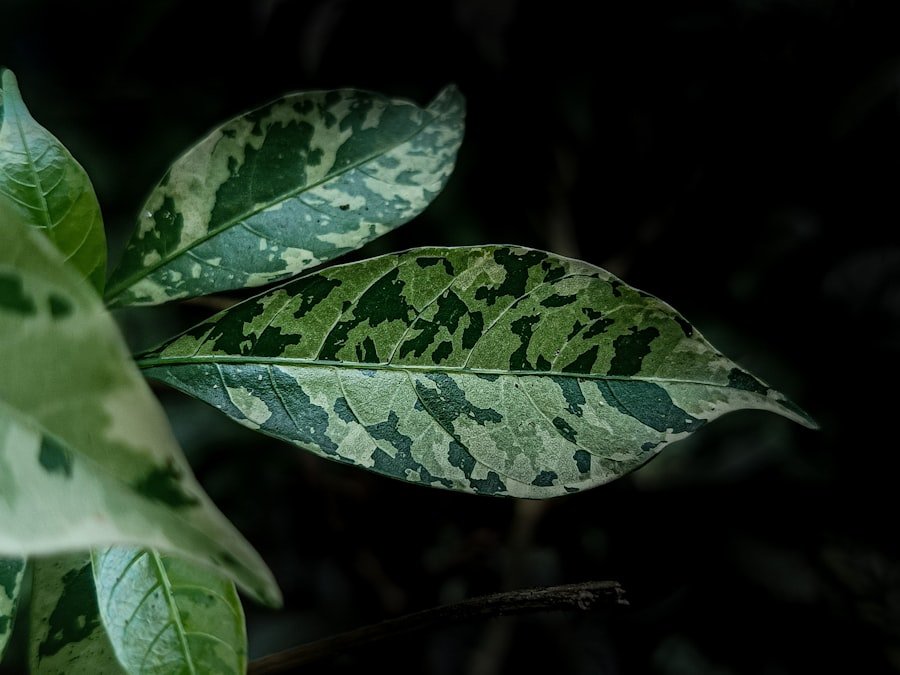
You can use okra leaves in many of the same ways you use spinach, amaranth, chard, mustard greens, or young collard greens. Their flavor is mild, earthy, and slightly bitter, so they work well with garlic, onion, chili, lemon, coconut milk, tomatoes, lentils, fish, chicken, and beans.
In West African cooking, okra leaves may be cooked with other local greens in soups and stews. The leaves add body and a soft green flavor. In South Asian home cooking, tender leaves can be added to curries, stir-fries, lentil dishes, and flatbread fillings.
Young leaves can be eaten raw in small amounts, but cooking usually gives a better result. Heat softens the leaf fibers, reduces bitterness, and makes the leaves easier to chew. If you want to use them raw, choose very young leaves, wash them well, slice them thinly, and pair them with a bright dressing.
| Cooking Method | Best Use | Simple Tip |
|---|---|---|
| Sautéing | Quick side dishes | Cook with garlic, onion, and a little oil until just tender. |
| Steaming | Gentle preparation | Steam briefly, then season with lemon juice and salt. |
| Soups and stews | Hearty meals | Add chopped leaves near the end so they do not overcook. |
| Drying and grinding | Seasoning blends | Use small amounts as a green powder in sauces or soups. |
Health Benefits of Consuming Okra Leaves
Okra leaves may support a healthy diet because they add fiber, minerals, and antioxidant plant compounds. These benefits come from the overall food pattern, not from one ingredient alone.
| Potential Benefit | What It Means in Plain English |
|---|---|
| Adds nutrients to meals | Okra leaves can help you eat more leafy greens, fiber, and minerals. |
| Supports digestion | Their fiber can support regular bowel movements when you also drink enough water. |
| Supports heart-friendly eating | Leafy greens can fit well into diets that focus on fiber, potassium, and less highly processed food. |
| Provides antioxidant compounds | Plant compounds in okra leaves may help the body manage oxidative stress. |
| Improves food variety | Using the leaves helps you get more value from the whole okra plant. |
Some studies on okra and okra leaves discuss antioxidant, anti-inflammatory, blood sugar, and cholesterol-related potential. Much of this evidence comes from laboratory, animal, or limited human research. That means you should not use okra leaves as a replacement for medical care, prescribed medicine, or a treatment plan.
If you eat them as a normal vegetable, okra leaves can help you build more balanced meals. Pair them with a protein source, a whole grain, and healthy fats for a complete plate.
Preparing Okra Leaves for Consumption
Good preparation makes okra leaves taste better and reduces food safety risks. The leaves can hold soil, insects, and surface bacteria, especially if they come from a garden or open market.
- Choose young leaves: Pick leaves that look fresh, green, and tender. Avoid yellow, slimy, or heavily damaged leaves.
- Remove tough stems: Cut away thick stems and large central veins if they feel fibrous.
- Wash under running water: Rinse the leaves well under cool running water before cooking or eating.
- Dry or drain: Let the leaves drain in a colander or pat them dry with a clean towel.
- Chop before cooking: Slice the leaves into smaller pieces so they cook evenly.
- Cook briefly: Sauté, steam, or simmer until tender. Avoid long cooking unless you are making a stew.
The FDA recommends washing produce under running water and avoiding soap, detergent, or commercial produce washes. Cooking produce thoroughly can also reduce the risk of foodborne illness.
Practical tip: if the leaves taste too bitter, blanch them for 30 to 60 seconds, drain them, then sauté them with garlic, onion, and a little lemon juice.
Traditional and Cultural Uses of Okra Leaves
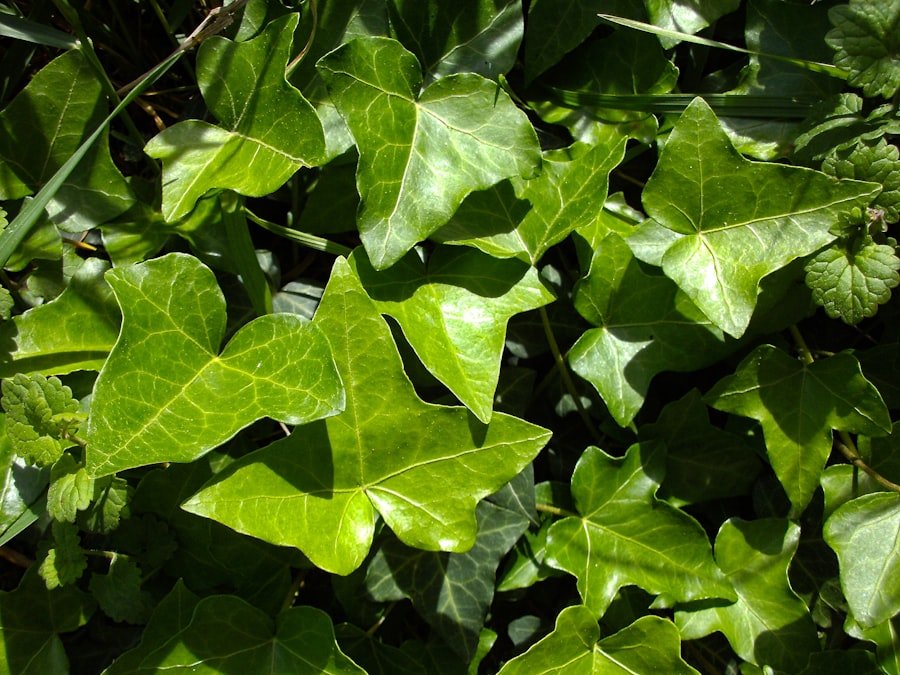
In several food cultures, okra leaves work as everyday cooking greens. In parts of Africa, people use them with other local greens in soups and stews. These dishes often combine vegetables, spices, protein, and starch into one filling meal.
In South Asian kitchens, especially where okra is already common, tender leaves can be cooked into curries, mixed with lentils, or used in savory fillings. In Bangladesh and India, okra pods are far more common than the leaves, but home gardeners may still use young leaves when they are available.
The cultural value of okra leaves comes from practicality. When you use the leaves, you waste less of the plant and add one more green vegetable to your kitchen.
Safety and Precautions When Eating Okra Leaves
Okra leaves are generally safe for most people when they are clean, fresh, and eaten as a normal food. Still, you should use a few common-sense precautions.
First, make sure the leaves come from a safe source. Avoid leaves from plants treated with pesticides that are not approved for edible greens. Organic sources can help reduce pesticide concerns, but you still need to wash the leaves carefully. Regardless of the source, be sure to wash okra leaves thoroughly under cool running water before eating or cooking, in line with general food safety guidelines for fruits and vegetables.
Second, start with a small serving if you have never eaten okra leaves before. Allergic reactions appear uncommon, but any new food can cause a reaction in sensitive people.
Third, talk with a healthcare professional before eating large amounts if you have kidney stones, kidney disease, a strict kidney diet, or a medical condition that requires careful control of minerals or fiber. Some leafy greens contain antinutritional compounds such as oxalates, tannins, or phytates, and studies on okra leaves have evaluated these compounds under different cooking methods.
If you take medication for diabetes, cholesterol, or blood pressure, treat okra leaves as a food, not a supplement. Keep eating a balanced diet and follow your clinician’s advice.
Safety Note
This article gives general food information only. It does not replace personal medical advice. Ask a qualified healthcare professional before making major diet changes if you have a medical condition.
Okra Leaves in Different Cuisines
Okra leaves fit into many cuisines because they behave like a mild cooking green. You can use them in dishes that already include spinach, kale, chard, amaranth, or collard greens.
- West African-style soups: Add chopped leaves with other greens, fish, meat, legumes, or spices.
- South Asian curries: Cook the leaves with onion, garlic, turmeric, chili, lentils, or coconut.
- Mediterranean-style plates: Sauté tender leaves with olive oil, garlic, lemon, and herbs.
- Simple stir-fries: Add sliced leaves near the end with ginger, garlic, and a light sauce.
- Garden salads: Use only very young leaves, slice them thinly, and mix them with softer greens.
In Japan and many other countries, okra pods are more common than okra leaves. You can still use the leaves creatively, but do not assume every okra dish uses the leaves. In most recipes, pods and leaves play different roles.
Sustainability and Environmental Impact of Harvesting Okra Leaves
Using okra leaves can reduce food waste because you get more food from the same plant. Instead of harvesting only the pods, you can use a small number of tender outer leaves while the plant continues to grow.
Okra also handles heat well. Oklahoma State University Extension notes that okra performs best in warm temperatures and can keep producing through hot weather. The University of Florida IFAS Extension also describes okra as well suited to hot, humid summers and recommends a sunny location with well-drained soil.
Do not strip too many leaves from one plant. The plant needs leaves for photosynthesis, growth, flowering, and pod production. A light harvest of outer leaves gives you greens without weakening the plant.
Growing and Harvesting Okra Leaves at Home
Growing okra at home gives you access to fresh pods and tender leaves. Okra grows best in warm weather, full sun, and well-drained soil. It does not like cold soil, so wait until frost danger has passed before planting outdoors.
According to Oklahoma State University Extension, okra performs best at 75°F to 95°F. UF/IFAS Gardening Solutions recommends full sun, well-drained soil, and warm conditions for home gardens.
- Plant in warm soil: Sow seeds after frost danger has passed and the soil has warmed.
- Choose a sunny spot: Okra needs full sun for strong growth.
- Water consistently: Established plants can handle heat, but steady watering improves production.
- Wear gloves if needed: Some okra plants have fine hairs that can irritate skin.
- Harvest lightly: Pick a few young outer leaves at a time and leave enough foliage for the plant.
- Use leaves quickly: Fresh leaves taste best when cooked soon after harvest.
How Okra Leaves Compare With Okra Pods
Okra leaves and okra pods come from the same plant, but they behave differently in the kitchen. The pods are famous for their mucilage, which thickens dishes such as gumbo. The leaves taste more like a leafy green and do not replace pods in every recipe.
| Feature | Okra Leaves | Okra Pods |
|---|---|---|
| Texture | Leafy and tender when young | Firm, seeded, and sometimes slimy when cooked |
| Flavor | Mild, earthy, slightly bitter | Grassy, mild, slightly sweet |
| Best uses | Sautés, soups, stews, curries, stir-fries | Gumbo, frying, roasting, pickling, curries |
| Cooking time | Short for young leaves | Varies by recipe and pod size |
Best Simple Ways to Use Okra Leaves
If you are trying okra leaves for the first time, start with a simple recipe. This helps you understand the flavor before adding the leaves to more complex dishes.
Garlic Sautéed Okra Leaves
Heat a little oil in a pan. Add chopped garlic and onion, then add washed and chopped okra leaves. Cook until the leaves wilt and become tender. Finish with salt, black pepper, and lemon juice.
Okra Leaf Lentil Curry
Cook lentils until soft. In another pan, cook onion, garlic, chili, turmeric, and tomato. Add chopped okra leaves, then mix in the cooked lentils. Simmer until the leaves soften.
Okra Leaf Soup
Add chopped okra leaves to vegetable, fish, chicken, or bean soup near the end of cooking. Simmer until tender. This method keeps the leaves from becoming too soft.
Conclusion: Should You Eat Okra Leaves?
Okra leaves deserve a place in the kitchen, especially if you already grow okra or have access to fresh leaves. They are edible, flexible, and useful in many cooked dishes. They also help you use more of the plant instead of wasting a nutritious green.
For the best result, choose young leaves, wash them well, remove tough stems, and cook them simply. Use okra leaves as part of a balanced diet, not as a cure or supplement. Start with a small portion, then add them to soups, sautés, curries, and stews as you learn their flavor.
Next step: If you grow okra, try harvesting a few young outer leaves this week and cook them with garlic, onion, and lemon. If you enjoy the flavor, add okra leaves to your regular leafy green rotation.
FAQs
What are okra leaves?
Okra leaves are the leaves of the okra plant, also known as lady’s fingers, bhindi, gumbo, or ochro. They grow on the same plant that produces edible okra pods. The leaves are broad, green, and usually lobed.
Are okra leaves edible?
Yes, okra leaves are edible. Young leaves are the best choice because they are softer and less bitter. Older leaves can become tough, so they usually need longer cooking and stem removal.
Can you eat okra leaves raw?
You can eat very young okra leaves raw after washing them well, but cooked leaves usually taste better. Cooking softens the texture and reduces bitterness. If you use them raw, slice them thinly and mix them with other salad greens.
How do you cook okra leaves?
You can sauté, steam, blanch, stir-fry, or simmer okra leaves. A simple method is to wash the leaves, remove tough stems, chop them, and sauté them with garlic, onion, salt, and a little lemon juice.
Are okra leaves nutritious?
Yes, okra leaves contain fiber, minerals, and antioxidant plant compounds. Studies on okra leaves report calcium, magnesium, potassium, protein, fiber, and phenolic compounds, but exact nutrient levels vary by growing conditions and preparation method.
Do okra leaves taste bitter?
Okra leaves can taste slightly bitter, especially when they are older. Young leaves taste milder. To reduce bitterness, choose tender leaves, remove thick stems, blanch briefly, or cook with garlic, onion, tomato, lemon, or spices.
Are okra leaves the same as okra pods?
No. Okra leaves and okra pods come from the same plant, but they are different ingredients. The pods are the seed-bearing part and are often used for frying, pickling, curries, and gumbo. The leaves work more like leafy greens.
Can okra leaves help lower cholesterol or blood sugar?
Okra and okra leaves contain fiber and plant compounds that may support healthy eating patterns. Still, okra leaves should not replace medicine or medical care. If you manage diabetes, cholesterol, or blood pressure, follow your healthcare provider’s advice.
Are there any health concerns related to consuming okra leaves?
Okra leaves are generally safe to eat when they are fresh, washed well, and cooked properly. People with kidney stones, kidney disease, allergies, or strict medical diets should ask a healthcare professional before eating large amounts.
Can you harvest okra leaves and still get pods?
Yes, but harvest lightly. Pick a few young outer leaves at a time and leave enough foliage for the plant to keep growing. Removing too many leaves can weaken the plant and reduce pod production.
Sources and Further Reading
- NC State Extension Plant Toolbox: Abelmoschus esculentus
- World Vegetable Center: Nutritional, antinutritional and phytochemical status of okra leaves
- PubMed: Okra as a potential dietary medicine with nutrition and health benefits
- FDA: Selecting and Serving Produce Safely
- Oklahoma State University Extension: Okra Production
- University of Florida IFAS Gardening Solutions: Okra