

The Aletsch Glacier Trail, nestled in the heart of the Swiss Alps, is a breathtaking journey that offers a unique blend of natural beauty and adventure. Stretching approximately 23 kilometers, this trail provides hikers with an unparalleled opportunity to witness the grandeur of the largest glacier in the Alps, the Aletsch Glacier, which is a UNESCO World Heritage site. The trail begins at the picturesque village of Riederalp and meanders through lush meadows, rocky outcrops, and panoramic viewpoints, culminating at the stunning Bettmerhorn.
This route not only showcases the glacier’s majestic expanse but also immerses visitors in the rich cultural and ecological tapestry of the region. As one embarks on this trail, they are greeted by a diverse array of landscapes that change dramatically with elevation and weather conditions. The Aletsch Glacier itself, with its icy blue hues and crevasses, serves as a constant companion along the path.
The trail is well-marked and accessible for hikers of varying skill levels, making it an ideal destination for families, nature enthusiasts, and seasoned trekkers alike. The experience is further enriched by the opportunity to learn about the geological history of the glacier and its significance in the context of climate change, making it not just a hike but an educational journey as well.
Key Takeaways
- The Aletsch Glacier Trail offers stunning views of the longest glacier in the Alps and is a popular destination for hikers and photographers alike.
- The trail features diverse topography and landscapes, including lush forests, rugged mountains, and of course, the impressive Aletsch Glacier itself.
- Some of the best photo spots along the Aletsch Glacier Trail include the Moosfluh viewpoint, the Märjelensee lake, and the Eggishorn summit, offering breathtaking panoramic views.
- Wildlife and flora along the trail include alpine ibex, marmots, and a variety of alpine flowers, providing ample opportunities for nature photography.
- Tips for capturing stunning photos on the Aletsch Glacier Trail include using a wide-angle lens to capture the vast landscapes, experimenting with different lighting conditions, and incorporating elements of scale to showcase the grandeur of the glacier.
- Preserving the Aletsch Glacier Trail is crucial for future generations to enjoy, and photographers can play a role in raising awareness about the impacts of climate change on this natural wonder.
- When photographing the Aletsch Glacier Trail, it’s important to pack essential photography equipment and gear such as a sturdy tripod, polarizing filter, and extra batteries to ensure you capture the best shots.
- In conclusion, photographing the Aletsch Glacier Trail offers a unique opportunity to capture the beauty of this natural wonder and raise awareness about the importance of preserving it for future generations.
Topography and Landscape of the Aletsch Glacier Trail
The topography of the Aletsch Glacier Trail is characterized by its dramatic elevation changes and diverse geological features. Starting from Riederalp at an altitude of approximately 1,900 meters, hikers ascend through verdant alpine meadows dotted with wildflowers before reaching higher elevations where rocky terrain and glacial features dominate the landscape. The trail offers a variety of terrains, including gentle slopes, steep inclines, and rocky paths that require careful navigation.
This variety not only keeps the hike engaging but also provides a rich tapestry of ecosystems to explore. As hikers progress along the trail, they are treated to sweeping vistas that reveal the grandeur of the Aletsch Glacier. The glacier itself stretches over 23 kilometers and is flanked by towering peaks such as the Finsteraarhorn and the Eiger.
The interplay of light on the ice creates a mesmerizing spectacle, particularly during sunrise and sunset when the glacier glows in shades of pink and orange. The landscape is further enhanced by the presence of glacial lakes that reflect the surrounding mountains, creating perfect opportunities for photography. Each bend in the trail unveils new perspectives, making it a photographer’s paradise.
Best Photo Spots along the Aletsch Glacier Trail
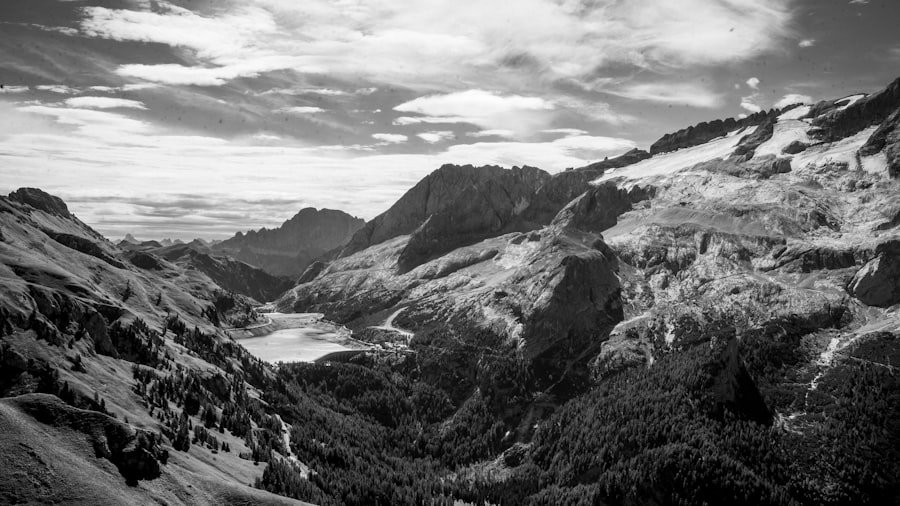
Photographers will find numerous vantage points along the Aletsch Glacier Trail that are perfect for capturing stunning images. One of the most iconic spots is the viewpoint at Bettmerhorn, which offers a panoramic view of the glacier and surrounding peaks. From this vantage point, one can capture sweeping shots that encompass both the vastness of the glacier and the intricate details of its crevasses and seracs.
The viewpoint is easily accessible via a cable car from Bettmeralp, making it a popular destination for both hikers and photographers. Another noteworthy location is the Aletschbord viewpoint, which provides an excellent perspective of the glacier’s snout as it flows down towards the valley. Here, photographers can experiment with different angles to capture the dynamic textures of the ice against the backdrop of rugged mountains.
Additionally, there are several spots along the trail where hikers can pause to photograph wildflowers in bloom during summer months, adding vibrant colors to their compositions. The combination of glacial ice, alpine flora, and dramatic mountain scenery creates a rich palette for any photographer looking to capture the essence of this stunning landscape.
Wildlife and Flora along the Aletsch Glacier Trail
| Wildlife and Flora along the Aletsch Glacier Trail |
|---|
| 1. Alpine Ibex |
| 2. Chamois |
| 3. Marmots |
| 4. Edelweiss |
| 5. Gentian flowers |
The Aletsch Glacier Trail is not only a feast for the eyes but also a haven for wildlife enthusiasts and botanists alike. The diverse ecosystems along the trail support a variety of flora and fauna that thrive in this alpine environment. As hikers ascend through different altitudinal zones, they encounter an array of plant species adapted to harsh conditions.
In lower elevations, lush meadows are filled with colorful wildflowers such as edelweiss, gentians, and alpine asters. These flowers not only add beauty to the landscape but also play a crucial role in supporting local pollinators. Wildlife sightings are also common along the trail.
Hikers may spot chamois gracefully navigating steep slopes or marmots sunbathing on rocky outcrops. Birdwatchers will delight in observing species such as golden eagles soaring overhead or alpine choughs flitting about in search of food. The presence of these animals adds an element of excitement to any hike, as each encounter offers a glimpse into the rich biodiversity that thrives in this unique environment.
Understanding and appreciating this wildlife is essential for fostering a deeper connection to nature while hiking along this remarkable trail.
Tips for Capturing Stunning Photos on the Aletsch Glacier Trail
To capture stunning photographs along the Aletsch Glacier Trail, photographers should consider several key tips that can enhance their experience and results. First and foremost, timing is crucial; early morning or late afternoon light provides softer illumination that can dramatically enhance landscape photography. The golden hour casts warm tones over the glacier and surrounding peaks, creating a magical atmosphere that is perfect for capturing breathtaking images.
Another important aspect is composition. Utilizing leading lines such as trails or streams can guide viewers’ eyes through an image, while framing elements like trees or rocks can add depth to photographs. Experimenting with different perspectives—such as shooting from a low angle or incorporating foreground elements—can also create more dynamic compositions.
Additionally, carrying a tripod can be beneficial for long exposure shots or low-light conditions, ensuring stability and clarity in images.
Importance of Preserving the Aletsch Glacier Trail
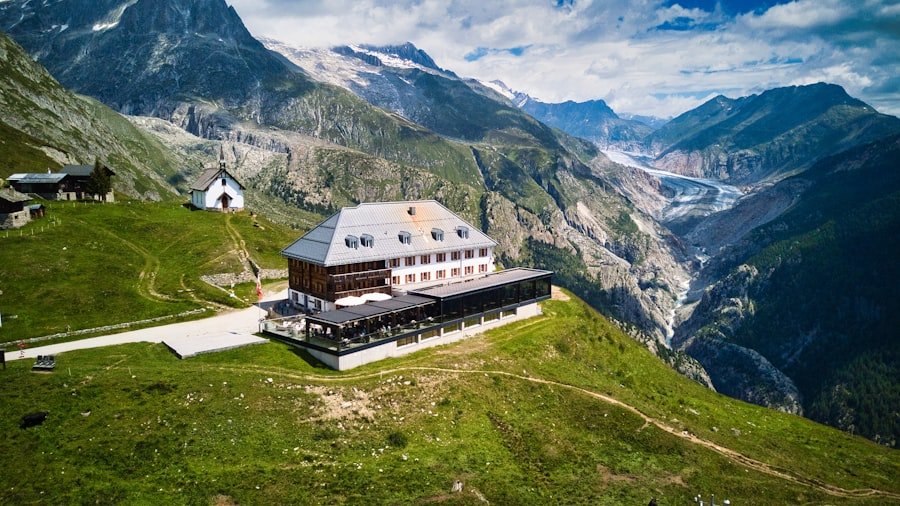
The preservation of the Aletsch Glacier Trail is vital not only for maintaining its natural beauty but also for protecting its ecological integrity. As climate change continues to impact glacial environments worldwide, it is essential to raise awareness about these changes and their implications for local ecosystems. The Aletsch Glacier has been retreating at an alarming rate over recent decades, which poses significant risks to both wildlife habitats and water resources downstream.
Efforts to preserve this unique environment involve sustainable tourism practices that minimize human impact on delicate ecosystems. This includes adhering to marked trails to prevent soil erosion and trampling of vegetation, as well as respecting wildlife by maintaining a safe distance from animals encountered along the way. Education plays a crucial role in fostering responsible behavior among visitors; understanding the significance of this UNESCO World Heritage site encourages hikers to become stewards of nature who advocate for its protection.
Photography Equipment and Gear for the Aletsch Glacier Trail
When preparing for a photography expedition along the Aletsch Glacier Trail, selecting appropriate equipment is essential for capturing high-quality images in varying conditions. A DSLR or mirrorless camera with interchangeable lenses offers versatility; wide-angle lenses are particularly useful for capturing expansive landscapes while telephoto lenses can help isolate distant subjects such as wildlife or intricate glacial features. In addition to camera gear, carrying extra batteries and memory cards is advisable due to potential cold temperatures that can drain battery life quickly.
A sturdy tripod is invaluable for long exposure shots or low-light conditions often encountered during sunrise or sunset hikes. Furthermore, investing in weather-resistant gear can protect equipment from sudden changes in weather typical in alpine environments. Lastly, utilizing filters such as polarizers can enhance colors and reduce glare from reflective surfaces like ice or water.
Neutral density filters allow for longer exposure times during daylight hours, enabling photographers to create ethereal images of flowing water or moving clouds against dramatic backdrops.
Conclusion and Final Thoughts on Photographing the Aletsch Glacier Trail
Photographing the Aletsch Glacier Trail presents an extraordinary opportunity to capture one of nature’s most awe-inspiring landscapes while engaging with its rich biodiversity and cultural significance. Each step along this trail reveals new perspectives and experiences that resonate deeply with those who venture into this pristine environment. By understanding its topography, wildlife, and ecological importance, photographers can create compelling narratives through their images that reflect not only beauty but also urgency regarding conservation efforts.
As visitors explore this remarkable trail, they are encouraged to embrace both their artistic instincts and their role as guardians of nature.
If you’re planning a visit to the Aletsch Glacier trail to capture some breathtaking photos, you might also be interested in exploring other delightful experiences. For instance, the article on Exploring the Delightful World of Asian Melon offers a refreshing look at unique flavors and culinary adventures. Just as the Aletsch Glacier provides stunning natural vistas, the world of Asian melons presents a feast for the senses, making it a perfect read for those who appreciate the beauty and diversity of our planet.
FAQs
What is the Aletsch Glacier trail?
The Aletsch Glacier trail is a hiking route that offers stunning views of the Aletsch Glacier, the largest glacier in the Alps. The trail is located in the Jungfrau-Aletsch-Bietschhorn UNESCO World Heritage Site in Switzerland.
What are the best photo spots along the Aletsch Glacier trail?
Some of the best photo spots along the Aletsch Glacier trail include the Moosfluh viewpoint, the Bettmerhorn viewpoint, and the Eggishorn viewpoint. These locations offer panoramic views of the glacier and the surrounding mountains.
What should I bring for a hike on the Aletsch Glacier trail?
Hikers on the Aletsch Glacier trail should bring sturdy hiking boots, plenty of water, sunscreen, and a camera to capture the stunning scenery. It’s also important to dress in layers, as the weather in the mountains can change quickly.
Are there any guided tours available for the Aletsch Glacier trail?
Yes, there are guided tours available for the Aletsch Glacier trail. These tours are led by experienced guides who can provide insight into the natural and cultural history of the area. Guided tours can enhance the hiking experience and ensure safety on the trail.
Is the Aletsch Glacier trail suitable for beginners?
The Aletsch Glacier trail is suitable for hikers of all levels, including beginners. The trail is well-marked and offers a range of difficulty levels, so hikers can choose a route that matches their experience and fitness level. It’s important to be prepared for the altitude and the mountain terrain.