

As you embark on your journey to Ebenalp Aescher, you will find yourself enveloped in a breathtaking landscape that is both rugged and serene. Nestled in the Appenzell region of Switzerland, this area is renowned for its dramatic cliffs, lush meadows, and panoramic views that stretch across the rolling hills and distant mountains. The unique topography offers a diverse range of photographic opportunities, from sweeping vistas to intimate close-ups of the flora and fauna that thrive in this alpine environment.
As you explore, take a moment to absorb the natural beauty around you; it will inspire your creativity and help you connect with the essence of this remarkable place. The iconic Ebenalp Aescher, perched on the edge of a cliff, is a must-see for any photographer. This mountain inn, with its rustic charm and stunning backdrop, provides an excellent focal point for your compositions.
The juxtaposition of human architecture against the raw power of nature creates a compelling narrative that can be captured in your images. As you wander through the area, pay attention to the interplay between light and shadow, as well as the changing weather conditions that can dramatically alter the mood of your photographs. Understanding the landscape is not just about knowing where to point your camera; it’s about immersing yourself in the environment and allowing it to guide your artistic vision.
Key Takeaways
- Ebenalp Aescher offers a diverse and picturesque landscape for photography, with its rugged cliffs, lush greenery, and stunning mountain views.
- The best time for photography at Ebenalp Aescher is during the golden hours of sunrise and sunset, when the soft, warm light enhances the natural beauty of the surroundings.
- Natural light plays a crucial role in capturing stunning shots at Ebenalp Aescher, so it’s important to understand how to work with the available light to create impactful images.
- Exploring unique angles and perspectives can help to capture the essence of Ebenalp Aescher and showcase its beauty in a fresh and creative way.
- Incorporating local culture and architecture into your photos can add depth and context to your images, providing a sense of place and storytelling.
- Utilizing leading lines in your compositions can create dynamic and visually engaging photographs that draw the viewer’s eye into the scene.
- Capturing the changing seasons at Ebenalp Aescher can provide a diverse range of photographic opportunities, from the vibrant colors of spring and summer to the serene beauty of winter.
- Post-processing and enhancing your images can help to bring out the full potential of your photographs, allowing you to showcase the true beauty of Ebenalp Aescher in your final images.
Choosing the right time for photography
Timing is crucial when it comes to photography, especially in a place as dynamic as Ebenalp Aescher. The golden hours—early morning and late afternoon—are often considered the best times for capturing stunning images. During these times, the soft, warm light bathes the landscape in a magical glow, enhancing colors and adding depth to your photographs.
If you rise early to catch the sunrise over the mountains, you may be rewarded with ethereal mist rising from the valleys below, creating a mystical atmosphere that is perfect for landscape photography. However, don’t overlook the potential of midday light. While it can be harsh and unflattering for some subjects, it can also create striking contrasts and vibrant colors when used creatively.
If you find yourself shooting during this time, consider focusing on details or textures rather than wide landscapes. Shadows can add drama to your images, so look for opportunities to incorporate them into your compositions. Ultimately, being aware of how different times of day affect your photography will allow you to make informed decisions about when to capture specific scenes.
Utilizing natural light for stunning shots
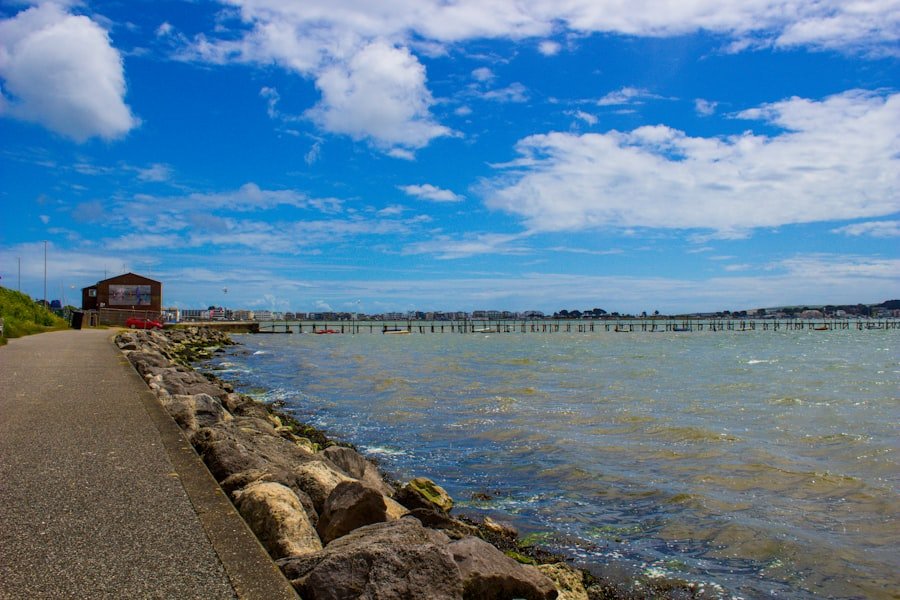
Natural light is one of your most powerful tools as a photographer, especially in a location like Ebenalp Aescher where the landscape is constantly changing. The way light interacts with the environment can transform an ordinary scene into something extraordinary. As you explore, pay attention to how sunlight filters through trees or illuminates the rugged cliffs.
The quality of light can evoke different emotions and set the tone for your images, so take time to observe how it shifts throughout the day. One effective technique is to use backlighting to create silhouettes or highlight textures in your subjects. For instance, capturing the sun setting behind the mountains can produce dramatic silhouettes of trees or rock formations.
Alternatively, shooting with the sun at your back can illuminate your subject beautifully, revealing intricate details that might otherwise go unnoticed. Experimenting with different lighting conditions will not only enhance your skills but also help you develop a unique style that reflects your vision.
Exploring unique angles and perspectives
| Angle/Perspective | Definition | Importance |
|---|---|---|
| Unconventional | Looking at a subject in a way that is different from the usual or traditional approach | Encourages creativity and innovation, helps in problem-solving |
| Cultural | Examining a topic from the viewpoint of different cultures and societies | Enhances understanding and empathy, promotes diversity and inclusivity |
| Historical | Exploring a subject based on its historical context and evolution | Provides insights into the roots and development of the subject, helps in making informed decisions |
| Interdisciplinary | Approaching a topic by integrating knowledge and methods from multiple disciplines | Leads to comprehensive understanding, fosters collaboration and cross-pollination of ideas |
To truly capture the essence of Ebenalp Aescher, you must be willing to step outside of conventional viewpoints. Instead of always shooting from eye level, consider crouching down low or finding a higher vantage point to gain a fresh perspective on your surroundings. This approach can lead to more dynamic compositions that draw viewers into your images.
For example, photographing wildflowers from ground level can create a sense of intimacy and showcase their beauty against a backdrop of towering mountains. Additionally, don’t hesitate to experiment with framing and composition. Use natural elements like branches or rocks to frame your subject, adding depth and context to your photographs.
By incorporating unique angles and perspectives into your work, you will not only create visually striking images but also tell a more compelling story about your experience in this stunning landscape.
Incorporating local culture and architecture into your photos
Ebenalp Aescher is not just about its natural beauty; it also boasts a rich cultural heritage that can add depth to your photography. The traditional Swiss architecture found in this region offers a fascinating contrast to the rugged landscape. As you explore, look for opportunities to capture local buildings, such as charming chalets or historic churches, set against the backdrop of majestic mountains.
These elements can provide context and tell a story about the people who inhabit this beautiful area. Engaging with local culture can also enhance your photography experience. Consider attending festivals or events that showcase traditional Swiss customs, such as folk music performances or culinary fairs.
Capturing candid moments of locals engaging in their daily lives can add authenticity to your portfolio and provide a deeper understanding of the region’s culture. By weaving these cultural elements into your photographs, you will create a more comprehensive narrative that reflects both the natural beauty and human spirit of Ebenalp Aescher.
Using leading lines to create dynamic compositions
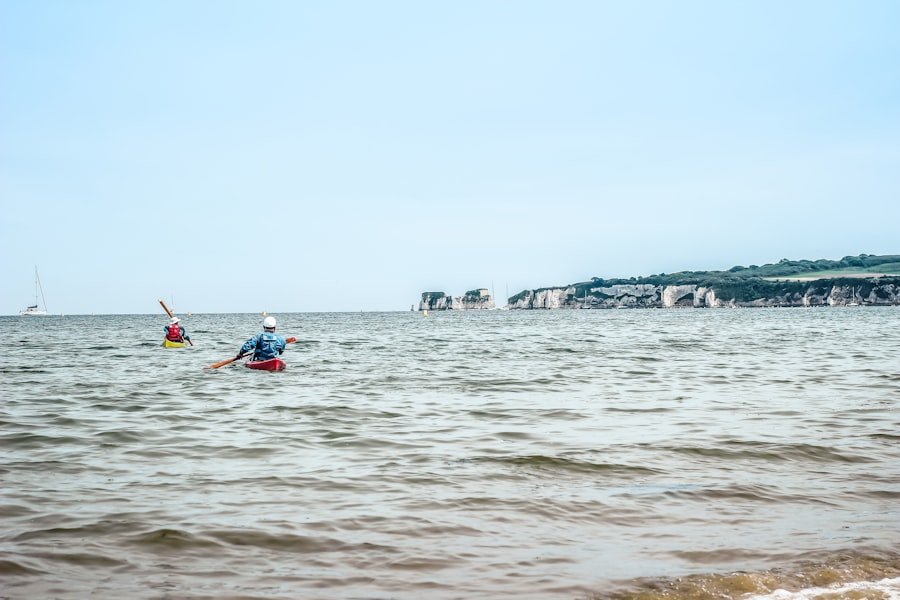
One effective compositional technique that can elevate your photography is the use of leading lines. These lines guide the viewer’s eye through the image and create a sense of depth and movement. In Ebenalp Aescher, you’ll find numerous opportunities to incorporate leading lines into your compositions—whether it’s a winding path through a meadow or a river flowing through a valley.
By strategically placing these lines within your frame, you can draw attention to your subject while also creating a more engaging visual experience. When composing your shots, think about how leading lines can enhance the overall narrative of your photograph. For instance, if you’re capturing a trail leading up to Ebenalp Aescher itself, consider positioning yourself at an angle that emphasizes the path’s journey toward the inn.
This not only creates visual interest but also invites viewers to imagine themselves walking along that path. By mastering the use of leading lines, you’ll be able to create dynamic compositions that resonate with your audience.
Capturing the changing seasons in your photography
Ebenalp Aescher is a place where each season brings its own unique charm and character, offering endless opportunities for photographers like yourself. In spring, vibrant wildflowers blanket the meadows, while summer showcases lush greenery and clear blue skies. Autumn transforms the landscape into a tapestry of warm hues as leaves change color, creating stunning contrasts against the rocky terrain.
Winter blankets everything in snow, providing a serene and tranquil atmosphere that is equally captivating.
Each visit will reveal new photographic opportunities and allow you to document how the landscape evolves over time.
When photographing seasonal scenes, pay attention to how light interacts with different elements—such as frost on grass in winter or sunlight filtering through autumn leaves—to create mood and atmosphere in your images. By embracing the changing seasons in your photography, you’ll develop a deeper connection with this remarkable landscape.
Tips for post-processing and enhancing your images
Once you’ve captured stunning photographs at Ebenalp Aescher, it’s time to enhance them through post-processing. While it’s essential to maintain the integrity of your original image, subtle adjustments can elevate your work and bring out its full potential. Start by adjusting exposure and contrast to ensure that highlights and shadows are balanced effectively.
This step can significantly impact the overall mood of your photograph. Color correction is another crucial aspect of post-processing. Depending on the lighting conditions during your shoot, you may need to adjust saturation or temperature to achieve a more accurate representation of what you experienced in person.
Additionally, consider cropping or straightening images to improve composition and focus on key elements within the frame. Remember that post-processing should enhance rather than overshadow your original vision; aim for a polished look while preserving authenticity. In conclusion, photographing Ebenalp Aescher offers an incredible opportunity to capture one of Switzerland’s most picturesque landscapes while immersing yourself in its rich culture and natural beauty.
By understanding the landscape, choosing optimal times for shooting, utilizing natural light effectively, exploring unique angles, incorporating local culture, using leading lines creatively, capturing seasonal changes, and mastering post-processing techniques, you will be well-equipped to create stunning images that reflect both your artistic vision and the essence of this remarkable destination.
The Appenzell Ebenalp Aescher viewpoint is a breathtaking location that offers stunning vistas perfect for photography enthusiasts. When visiting this iconic spot, it’s essential to consider the time of day for optimal lighting, and using a wide-angle lens can help capture the expansive beauty of the landscape. For those interested in exploring more unique and picturesque locations, you might enjoy reading about the delightful world of Asian melon in this related article. This piece delves into the vibrant and colorful aspects of Asian melons, which can also serve as an interesting subject for photography.
FAQs
What is the Appenzell Ebenalp Aescher viewpoint?
The Appenzell Ebenalp Aescher viewpoint is a popular tourist destination in Switzerland known for its stunning panoramic views of the surrounding mountains and valleys. It is also famous for the Aescher-Wildkirchli mountain inn, which is built into the rock face of the Ebenalp cliffs.
Where is the Appenzell Ebenalp Aescher viewpoint located?
The Appenzell Ebenalp Aescher viewpoint is located in the Alpstein region of the Swiss Alps, near the town of Appenzell in the canton of Appenzell Innerrhoden, Switzerland.
What are some photography tips for capturing the Appenzell Ebenalp Aescher viewpoint?
– Use a wide-angle lens to capture the expansive views of the mountains and valleys.
– Consider shooting during the golden hour (sunrise or sunset) for beautiful lighting.
– Experiment with different angles and perspectives to capture the unique rock formations and mountain landscapes.
– Be mindful of the weather conditions and dress accordingly, as the climate in the mountains can change rapidly.
– Consider using a tripod to capture long exposure shots of the surrounding scenery.
Are there any hiking trails to reach the Appenzell Ebenalp Aescher viewpoint?
Yes, there are several hiking trails that lead to the Appenzell Ebenalp Aescher viewpoint, including the Ebenalp Trail and the Wildkirchli Trail. These trails offer varying levels of difficulty and provide hikers with the opportunity to experience the natural beauty of the Swiss Alps.
Is the Appenzell Ebenalp Aescher viewpoint accessible by public transportation?
Yes, the Appenzell Ebenalp Aescher viewpoint is accessible by public transportation. Visitors can take a train to the town of Wasserauen and then hike or take a cable car to reach the viewpoint.