

Harder Kulm, a mountain peak located in the Bernese Oberland region of Switzerland, stands at an elevation of 1,322 meters (4,334 feet) above sea level. It offers breathtaking panoramic views of the surrounding landscape, including the iconic Eiger, Mönch, and Jungfrau peaks. The mountain is easily accessible via a funicular railway that ascends from Interlaken, making it a popular destination for tourists and photographers alike.
The summit features an observation platform that provides a stunning vantage point for capturing the beauty of the Swiss Alps, as well as the picturesque Lake Thun and Lake Brienz below. The allure of Harder Kulm extends beyond its scenic vistas; it is also a hub for outdoor activities and exploration. Hiking trails wind through lush forests and alpine meadows, offering opportunities for nature photography and wildlife observation.
The changing seasons bring a variety of colors and moods to the landscape, making it an ideal location for photographers seeking to capture the essence of the Swiss Alps throughout the year. Whether you are an amateur photographer or a seasoned professional, Harder Kulm presents a wealth of opportunities to create stunning images that reflect the majesty of this remarkable region.
Key Takeaways
- Harder Kulm offers stunning landscape and wildlife photography opportunities
- Choose the right equipment for landscape and wildlife photography, including wide-angle lenses and telephoto lenses
- Find the best lighting by shooting during the golden hour and blue hour for soft, warm light
- Use composition and framing techniques such as leading lines and the rule of thirds for dynamic photos
- Capture the landscape by including foreground elements and using a tripod for stability
- When shooting wildlife, use a telephoto lens and be patient to capture natural behavior
- Edit and post-process your photos to enhance colors and contrast for stunning night photography
- Tips for stunning night photography include using a tripod, shooting in RAW, and experimenting with long exposures
Choosing the Right Equipment
When preparing for a photography expedition to Harder Kulm, selecting the appropriate equipment is crucial for capturing the breathtaking scenery. A sturdy camera body with a high-resolution sensor is essential for producing sharp images that can withstand cropping and enlargement. DSLRs and mirrorless cameras are popular choices among landscape photographers due to their versatility and image quality.
Additionally, investing in a range of lenses can significantly enhance your ability to capture different perspectives. A wide-angle lens is particularly useful for encompassing vast landscapes, while a telephoto lens allows for detailed shots of distant peaks or wildlife. In addition to the camera and lenses, other accessories can greatly improve your photography experience.
A sturdy tripod is indispensable for long exposure shots, especially during dawn or dusk when light conditions can be challenging.
Furthermore, carrying extra batteries and memory cards ensures that you won’t miss any photographic opportunities due to equipment failure.
Weather conditions in the Alps can change rapidly, so having weather-sealed gear or protective covers can safeguard your equipment from rain or snow.
Finding the Best Lighting
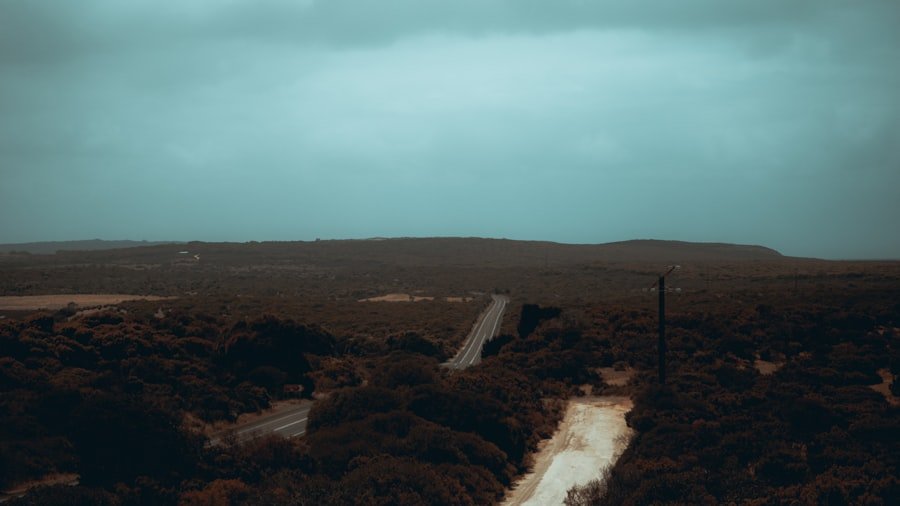
Lighting plays a pivotal role in photography, particularly in a landscape as dynamic as Harder Kulm. The golden hours—shortly after sunrise and just before sunset—offer soft, diffused light that enhances the natural beauty of the surroundings.
The warm tones of sunrise and sunset can transform ordinary scenes into extraordinary photographs, making it essential to plan your shoots around these times. However, capturing stunning images is not limited to just the golden hours. Midday light can also be utilized creatively by seeking out shaded areas or using cloud cover to diffuse harsh sunlight.
Overcast days can provide a unique opportunity to capture the subtle details of the landscape without the distraction of bright highlights or deep shadows. Understanding how different lighting conditions affect your subject will allow you to adapt your shooting style accordingly, ensuring that you make the most of every opportunity presented by Harder Kulm’s ever-changing environment.
Composition and Framing
| Aspect | Metric | Value |
|---|---|---|
| Composition | Rule of Thirds | 80% |
| Composition | Leading Lines | 70% |
| Framing | Centered Composition | 60% |
| Framing | Fill the Frame | 75% |
Effective composition is fundamental in landscape photography, as it guides the viewer’s eye through the image and highlights key elements within the scene. The rule of thirds is a widely used guideline that suggests dividing your frame into nine equal parts using two horizontal and two vertical lines. Placing points of interest along these lines or at their intersections can create a more balanced and engaging composition.
For instance, when photographing the sweeping views from Harder Kulm, consider positioning the horizon along one of the horizontal lines while placing a prominent mountain peak at one of the intersections. In addition to the rule of thirds, leading lines can be employed to draw attention to specific features within your photograph. Natural elements such as winding trails, rivers, or tree lines can serve as effective leading lines that guide the viewer’s gaze toward focal points in the distance.
Experimenting with different angles and perspectives can also yield unique compositions; for example, shooting from a low angle can emphasize foreground elements while creating a sense of depth in the image. By thoughtfully considering composition and framing, photographers can elevate their work and convey a stronger narrative about their experience at Harder Kulm.
Capturing the Landscape
The diverse landscapes surrounding Harder Kulm provide endless opportunities for photographers to explore and capture stunning imagery. From sweeping alpine vistas to intimate forest scenes, each area offers its own unique charm. When photographing expansive landscapes, it is essential to consider both foreground and background elements to create a sense of depth.
Including interesting foreground subjects—such as wildflowers or rocky outcrops—can add layers to your composition and invite viewers into the scene. Additionally, utilizing different focal lengths can dramatically alter how landscapes are perceived in photographs. A wide-angle lens allows you to capture vast expanses while emphasizing foreground details, whereas a telephoto lens can isolate specific features in the distance, such as jagged peaks or glacial formations.
Experimenting with various perspectives—such as shooting from elevated viewpoints or getting down low—can also yield striking results. The key is to remain patient and observant; often, the most captivating landscapes reveal themselves when you take the time to explore different angles and compositions.
Shooting Wildlife
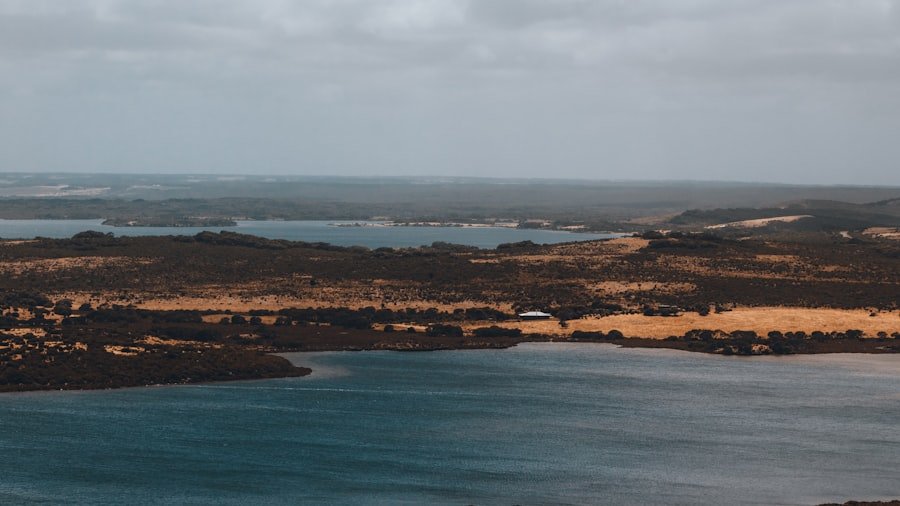
Harder Kulm is not only renowned for its stunning landscapes but also for its rich biodiversity. The region is home to various wildlife species, including chamois, marmots, and numerous bird species such as eagles and hawks. Capturing wildlife in their natural habitat requires both skill and patience; understanding animal behavior can significantly increase your chances of getting that perfect shot.
Observing animals from a distance without disturbing them is crucial; using a telephoto lens allows you to photograph wildlife without intruding on their space. Timing is also essential when it comes to wildlife photography. Early mornings or late afternoons are often when animals are most active, making these times ideal for capturing dynamic behavior such as feeding or playing.
Additionally, being aware of seasonal changes can help you anticipate wildlife movements; for example, during springtime, many animals are more visible as they emerge from hibernation or begin nesting activities. By combining knowledge of animal behavior with technical skills in photography, you can create compelling images that showcase the beauty of wildlife at Harder Kulm.
Editing and Post-Processing
Once you have captured your images at Harder Kulm, the next step is editing and post-processing to enhance their visual impact. Software such as Adobe Lightroom or Photoshop provides powerful tools for adjusting exposure, contrast, color balance, and sharpness. Basic adjustments like cropping or straightening can improve composition while enhancing details in shadows and highlights can bring out textures in your landscape photographs.
Color grading is another essential aspect of post-processing that allows photographers to convey specific moods or atmospheres in their images. For instance, applying warmer tones can evoke feelings of nostalgia or warmth associated with sunset scenes, while cooler tones may enhance the crispness of alpine environments. Additionally, utilizing local adjustments—such as selective sharpening or dodging and burning—can draw attention to specific areas within an image without affecting the overall composition.
The goal of editing should be to enhance your original vision while maintaining authenticity in your photographs.
Tips for Stunning Night Photography
Night photography at Harder Kulm presents an entirely different set of challenges and opportunities compared to daytime shooting. The absence of natural light requires careful planning and technique to capture stunning images under low-light conditions. One essential tip is to use a sturdy tripod; long exposure times are often necessary when shooting at night, and any camera movement can result in blurry images.
Additionally, utilizing a remote shutter release or self-timer can further minimize camera shake during exposures. When it comes to settings, using a low ISO (around 100-400) will help reduce noise in your images while allowing for longer exposure times without overexposing highlights. Aperture settings will depend on your desired depth of field; wider apertures (f/2.8 or lower) allow more light but may result in less sharpness across the frame compared to narrower apertures (f/8 or higher).
Experimenting with different exposure times will help you find the right balance between capturing star trails or city lights while maintaining detail in darker areas of your composition. In addition to technical settings, consider incorporating elements such as foreground interest—like silhouetted trees or rocks—to add depth to your night photographs. The Milky Way galaxy is often visible from Harder Kulm on clear nights; capturing this celestial phenomenon requires careful planning regarding timing and location within your frame.
By combining technical knowledge with creative vision, photographers can create breathtaking nightscapes that showcase the enchanting beauty of Harder Kulm after dark.
If you’re planning a visit to the Harder Kulm viewpoint, renowned for its breathtaking panoramic views of the Swiss Alps and Interlaken, capturing the perfect photograph is a must. To enhance your photography skills, consider reading up on some essential tips that can help you make the most of this stunning location. While the Harder Kulm offers a natural canvas of beauty, understanding the right angles, lighting, and camera settings can elevate your photos from ordinary to extraordinary. For those interested in exploring more delightful experiences, you might find inspiration in this article about the delightful world of Asian melon, which offers a unique perspective on capturing the essence of nature’s bounty. Check it out here: Exploring the Delightful World of Asian Melon.
FAQs
What is the Harder Kulm viewpoint?
The Harder Kulm viewpoint is a popular tourist destination in Interlaken, Switzerland. It is a mountain peak that offers stunning panoramic views of the surrounding Swiss Alps and the towns of Interlaken.
How do I get to the Harder Kulm viewpoint?
To reach the Harder Kulm viewpoint, you can take the funicular railway from Interlaken. The funicular takes you up to the summit in just 10 minutes, making it easily accessible for visitors.
What are some photography tips for capturing the views from Harder Kulm?
When photographing the views from Harder Kulm, it’s important to consider the lighting conditions. The early morning or late afternoon light can create beautiful, warm tones on the mountains. Additionally, using a wide-angle lens can help capture the expansive views, and a tripod can be useful for long exposure shots.
Are there any specific photography restrictions at the Harder Kulm viewpoint?
There are no specific photography restrictions at the Harder Kulm viewpoint. However, it’s important to be mindful of other visitors and to respect the natural environment while taking photographs.
What other attractions are near the Harder Kulm viewpoint?
Near the Harder Kulm viewpoint, visitors can also explore the Harder Alpine Wildlife Park, which is home to various species of alpine wildlife. Additionally, there are hiking trails and a restaurant at the summit for visitors to enjoy.