

Rhine Falls, located near the town of Schaffhausen in northern Switzerland, is one of the most magnificent natural wonders in Europe. Spanning approximately 150 meters in width and plunging 23 meters into the depths below, it is the largest waterfall in Europe by volume. The falls are fed by the Rhine River, which originates in the Swiss Alps and flows through several countries before reaching the North Sea.
The sheer power and beauty of Rhine Falls have made it a popular destination for tourists and photographers alike, drawing visitors from around the globe who come to witness its breathtaking spectacle. The history of Rhine Falls is as rich as its natural beauty. The falls have been a significant landmark since ancient times, with references dating back to the Roman era.
Over the centuries, they have inspired countless artists, poets, and writers, who have sought to capture their essence in various forms of art. Today, Rhine Falls is not only a natural wonder but also a site of cultural significance, with nearby castles and historical sites that add to its allure. The combination of natural beauty and historical context makes Rhine Falls a compelling subject for photography, offering endless opportunities for capturing stunning images.
Key Takeaways
- Rhine Falls is the largest waterfall in Switzerland and one of the most popular tourist attractions in the country.
- The best viewpoints for capturing the beauty of Rhine Falls include the viewing platforms at Schloss Laufen and Schloss Wörth, as well as the boat ride to the middle of the falls.
- When photographing Rhine Falls, use a tripod to capture long exposure shots and bring a wide-angle lens to capture the entire waterfall and surrounding landscape.
- The surrounding landscape of Rhine Falls includes lush greenery, historic castles, and the flowing Rhine River, providing plenty of opportunities for stunning landscape photography.
- The best times of day for photographing Rhine Falls are early morning and late afternoon when the light is soft and the crowds are smaller.
The Best Viewpoints for Capturing the Beauty
To truly appreciate the grandeur of Rhine Falls, one must explore its various viewpoints. One of the most popular spots is the viewing platform located on the northern bank of the river. This platform provides an unobstructed view of the falls, allowing photographers to capture the full width and height of the cascading water.
The vantage point is particularly striking during sunny days when rainbows often form in the mist created by the falling water, adding an ethereal quality to photographs. Another excellent viewpoint is the observation tower situated on the southern bank. Climbing to the top of this tower offers a unique perspective, allowing photographers to capture not only the falls but also the surrounding landscape.
From this height, one can see how the river meanders through the lush greenery and rocky outcrops, creating a stunning backdrop for images. Additionally, there are boat tours available that take visitors close to the base of the falls, providing an exhilarating experience and an opportunity to capture dynamic shots from a different angle.
Photography Tips for Capturing the Falls
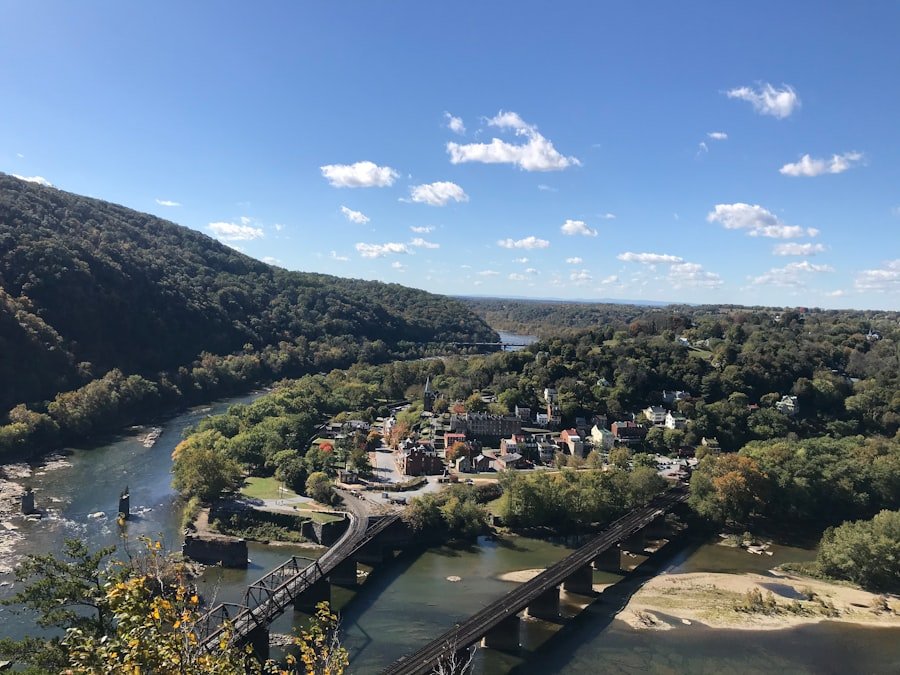
When photographing Rhine Falls, it is essential to consider several factors that can enhance your images. First and foremost, using a tripod is highly recommended. The constant movement of water can create challenges when it comes to achieving sharp images, especially in lower light conditions.
A tripod stabilizes your camera, allowing for longer exposure times without introducing blur. This is particularly useful when capturing the silky smooth effect of flowing water, which can be achieved by using slower shutter speeds. Another important tip is to experiment with different focal lengths.
Wide-angle lenses are ideal for capturing the expansive view of the falls and surrounding landscape, while telephoto lenses can be used to isolate specific details within the scene, such as droplets of water or the intricate textures of rocks. Additionally, consider using neutral density filters to control exposure and allow for longer shutter speeds even in bright conditions. This technique can help create a dreamy effect in your photographs, emphasizing the movement of water while maintaining detail in other areas of the image.
Capturing the Surrounding Landscape
| Location | Distance | Direction |
|---|---|---|
| Mountains | 10 miles | Northwest |
| Forest | 5 miles | East |
| River | 2 miles | South |
While Rhine Falls is undoubtedly the star attraction, the surrounding landscape plays a crucial role in enhancing your photographs. The lush greenery that envelops the falls provides a vibrant contrast to the white water cascading down. Incorporating elements such as trees, rocks, and pathways into your compositions can add depth and context to your images.
For instance, framing the falls with overhanging branches or including a winding path leading towards them can create a sense of journey and exploration. Additionally, consider capturing seasonal changes in the landscape around Rhine Falls. In spring and summer, wildflowers bloom along the banks, adding splashes of color to your photographs.
In autumn, the foliage transforms into a palette of warm hues, creating a stunning backdrop against the powerful blue waters of the Rhine River. Winter brings its own charm, as frost and snow can create a magical atmosphere around the falls. Each season offers unique opportunities for capturing diverse landscapes that complement the majesty of Rhine Falls.
Best Times of Day for Photography
Timing is crucial when it comes to photography at Rhine Falls. The golden hours—shortly after sunrise and just before sunset—are often considered the best times for capturing stunning images. During these periods, the soft light casts a warm glow over the landscape, enhancing colors and creating long shadows that add depth to your photographs.
The early morning hours are particularly serene, with fewer crowds and a tranquil atmosphere that allows for more intimate shots. Midday light can be harsh and unflattering, leading to overexposed highlights and deep shadows. However, this time can still be utilized effectively by seeking out shaded areas or using polarizing filters to reduce glare from the water’s surface.
Additionally, capturing images during overcast days can yield soft lighting conditions that are ideal for photographing waterfalls, as clouds diffuse sunlight and minimize harsh contrasts.
Weather Considerations for Photography
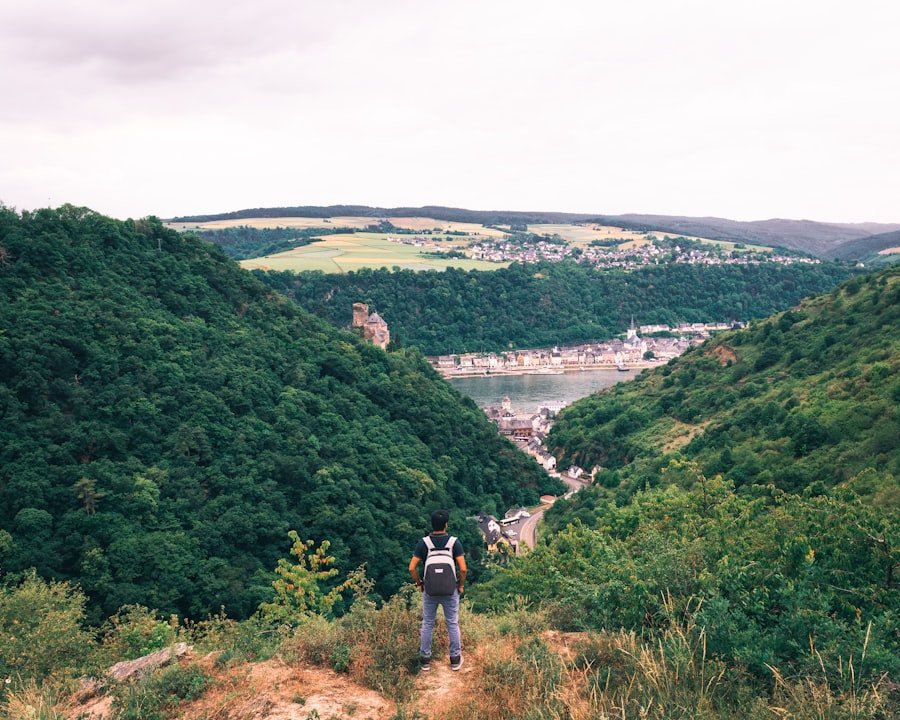
Weather plays a significant role in shaping your photography experience at Rhine Falls. The falls are known for their misty spray, which can create dramatic effects in your images but also poses challenges for equipment. It is advisable to bring protective gear for your camera and lenses to prevent water damage when shooting from close proximity to the falls.
Rain covers or lens hoods can help shield your gear from moisture while still allowing you to capture stunning shots. Moreover, different weather conditions can dramatically alter the mood of your photographs. A cloudy day may lend a moody atmosphere to your images, while bright sunshine can create vibrant colors and sharp contrasts.
If you find yourself at Rhine Falls during inclement weather, consider embracing it as an opportunity for unique shots; raindrops on foliage or reflections in puddles can add an artistic touch to your compositions. Ultimately, being adaptable and prepared for varying weather conditions will enhance your photography experience.
Capturing the Power and Movement of the Water
The essence of Rhine Falls lies in its powerful torrents and dynamic movement. To effectively capture this energy in your photographs, consider using techniques that emphasize motion.
Experimenting with exposure times ranging from half a second to several seconds can yield different effects; shorter exposures will freeze motion while longer ones will create that iconic silky effect. In addition to shutter speed adjustments, incorporating foreground elements into your compositions can enhance the sense of movement and power within your images. Rocks jutting out from the water or swirling eddies can lead the viewer’s eye into the scene and emphasize the dynamic nature of Rhine Falls.
Capturing multiple frames in quick succession can also help you identify moments where water splashes or droplets catch light beautifully—these fleeting moments often result in striking images that convey both power and grace.
Editing and Enhancing Your Rhine Falls Photos
Post-processing is an essential step in refining your photographs of Rhine Falls and bringing out their full potential. Software like Adobe Lightroom or Photoshop offers powerful tools for enhancing colors, adjusting exposure levels, and sharpening details. Begin by correcting any exposure issues; if you shot in challenging lighting conditions, adjusting highlights and shadows can help balance your image.
Color correction is another vital aspect of editing; enhancing greens in foliage or boosting blues in water can create more vibrant images that reflect what you experienced at Rhine Falls.
Applying subtle sharpening techniques can also help bring out textures in rocks or water flow without introducing noise.
For those looking to add a creative touch to their photos, experimenting with filters or presets can yield unique results that reflect personal style while still honoring the natural beauty of Rhine Falls. Whether opting for a classic black-and-white conversion or adding a touch of warmth through color grading, editing allows photographers to express their vision while showcasing one of nature’s most awe-inspiring spectacles.
If you’re planning a visit to the Rhine Falls and are eager to capture its breathtaking beauty, consider reading up on some photography tips to make the most of your experience. While the falls themselves offer a stunning natural spectacle, the right techniques can help you immortalize the moment perfectly. For those interested in exploring more about capturing natural beauty, you might find inspiration in this related article on exploring the delightful world of Asian melon. Although it focuses on a different subject, the article provides insights into appreciating and photographing the intricate details of nature, which can be applied to your visit to the Rhine Falls.
FAQs
What is the Rhine Falls viewpoint?
The Rhine Falls viewpoint is a designated area that offers a panoramic view of the Rhine Falls, the largest waterfall in Switzerland. It provides visitors with a stunning vantage point to admire and photograph the natural beauty of the falls.
Where is the Rhine Falls viewpoint located?
The Rhine Falls viewpoint is located in the town of Neuhausen am Rheinfall, near the city of Schaffhausen in northern Switzerland. It is easily accessible by car, train, or boat, and is a popular tourist destination in the region.
What are some photography tips for capturing the Rhine Falls?
– Use a tripod to keep your camera steady and capture long exposure shots of the flowing water.
– Experiment with different shutter speeds to achieve the desired effect on the waterfall.
– Consider using a polarizing filter to reduce glare and enhance the colors of the water and surrounding landscape.
– Take advantage of the natural light during sunrise or sunset for dramatic and atmospheric photos.
– Explore different angles and perspectives to capture unique and compelling images of the Rhine Falls.