

Rochers de Naye, perched at an elevation of 2,042 meters above sea level, is a breathtaking viewpoint located in the Swiss Alps, just a short distance from the picturesque town of Montreux. This stunning vantage point offers panoramic views of Lake Geneva, the surrounding mountains, and the charming villages that dot the landscape below. The journey to Rochers de Naye is as captivating as the destination itself, with a cogwheel train that winds its way through lush forests and alpine meadows, providing glimpses of the natural beauty that awaits at the summit.
The viewpoint is not only a haven for nature lovers but also a paradise for photographers seeking to capture the essence of the Swiss landscape. The allure of Rochers de Naye extends beyond its scenic vistas; it is also home to a diverse range of flora and fauna, including the iconic marmots that inhabit the region. The combination of stunning landscapes, unique wildlife, and the ever-changing weather conditions creates an ideal setting for photography enthusiasts.
Whether you are an amateur with a smartphone or a seasoned professional with high-end equipment, Rochers de Naye offers countless opportunities to capture breathtaking images that reflect the beauty of this alpine wonderland.
Key Takeaways
- Rochers de Naye offers a stunning viewpoint of the Swiss Alps and Lake Geneva, making it a popular destination for photographers.
- The best time to visit Rochers de Naye for photography is during the golden hours of sunrise and sunset, when the light is soft and warm, creating beautiful and dramatic landscapes.
- When photographing the viewpoint, consider using leading lines, framing techniques, and incorporating foreground elements to create depth and interest in your photos.
- Recommended equipment for capturing the beauty of Rochers de Naye includes a wide-angle lens for expansive landscapes, a tripod for stability, and a polarizing filter to reduce glare and enhance colors.
- Consider the lighting and weather conditions when photographing at Rochers de Naye, as different weather patterns can create unique and dramatic photo opportunities.
The Best Time to Visit Rochers de Naye for Photography
Timing is crucial when it comes to photography, and Rochers de Naye is no exception. The best time to visit for capturing stunning photographs largely depends on the type of scenery you wish to portray. Spring, from late March to early June, is characterized by vibrant wildflowers blooming across the meadows, creating a colorful foreground against the backdrop of snow-capped peaks.
This season is particularly enchanting for macro photography, where close-up shots of flowers can be juxtaposed with expansive landscapes. Summer months, particularly July and August, offer clear skies and lush greenery, making it an ideal time for landscape photography. The long daylight hours provide ample opportunity to explore various angles and compositions throughout the day.
However, summer can also bring crowds, so early mornings or late afternoons are recommended for capturing serene moments without the hustle and bustle of tourists. Autumn, from late September to early November, transforms the landscape into a canvas of warm hues as the leaves change color. This season provides a unique opportunity to capture the interplay of autumn foliage against the dramatic backdrop of the Alps.
Composition Tips for Photographing the Viewpoint
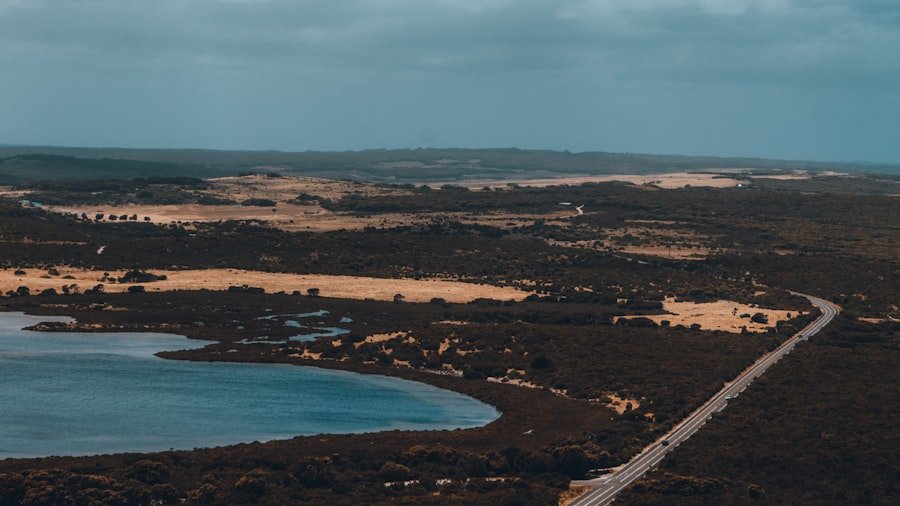
When photographing at Rochers de Naye, composition plays a vital role in creating visually compelling images. One effective technique is to utilize the rule of thirds, which involves dividing your frame into a grid of nine equal parts and placing key elements along these lines or at their intersections. For instance, positioning Lake Geneva along one of the horizontal lines while placing a prominent mountain peak at one of the vertical intersections can create a balanced and engaging composition.
In addition to the rule of thirds, leading lines can be employed to draw the viewer’s eye into the photograph. The winding paths or trails that lead up to Rochers de Naye can serve as excellent leading lines, guiding the viewer’s gaze toward the majestic mountains or expansive lake. Incorporating foreground elements such as rocks or wildflowers can add depth to your images, creating a sense of three-dimensionality that enhances the overall impact.
Experimenting with different angles and perspectives can also yield surprising results; shooting from a low angle can emphasize foreground elements while capturing sweeping vistas in the background.
Equipment Recommendations for Capturing the Beauty
| Equipment Type | Recommendation |
|---|---|
| Camera | DSLR or Mirrorless Camera |
| Lens | Wide-angle lens for landscapes, Macro lens for close-ups |
| Tripod | Sturdy tripod for stability |
| Filters | Neutral Density filter for long exposures, Polarizing filter for reducing glare |
| Memory Cards | High capacity and fast write speed |
While stunning photographs can be taken with any camera, having the right equipment can significantly enhance your experience at Rochers de Naye. A DSLR or mirrorless camera with interchangeable lenses is ideal for capturing high-quality images in various lighting conditions. A wide-angle lens (between 16mm and 35mm) is particularly useful for landscape photography, allowing you to capture expansive views of Lake Geneva and the surrounding mountains in one frame.
For those interested in wildlife photography, a telephoto lens (such as 70-200mm or 100-400mm) will enable you to capture detailed shots of marmots and other wildlife without disturbing their natural habitat.
Additionally, consider bringing polarizing filters to reduce glare from water surfaces and enhance color saturation in your images.
Lighting and Weather Considerations
Lighting is one of the most critical aspects of photography, and understanding how it interacts with your surroundings at Rochers de Naye can elevate your images significantly. The golden hours—shortly after sunrise and just before sunset—offer soft, diffused light that enhances colors and creates long shadows, adding depth and dimension to your photographs. During these times, the landscape takes on a magical quality, with warm tones illuminating the peaks and valleys.
Weather conditions can also dramatically affect your photography experience. While clear skies are often preferred for landscape shots, don’t shy away from overcast days; they can provide even lighting that reduces harsh shadows and highlights details in the landscape. Additionally, mist or fog can add an ethereal quality to your images, creating a sense of mystery and depth.
Be prepared for rapidly changing weather conditions in the mountains; having weather-sealed equipment or protective gear can ensure you capture stunning shots regardless of what nature throws your way.
Finding Unique Perspectives at Rochers de Naye
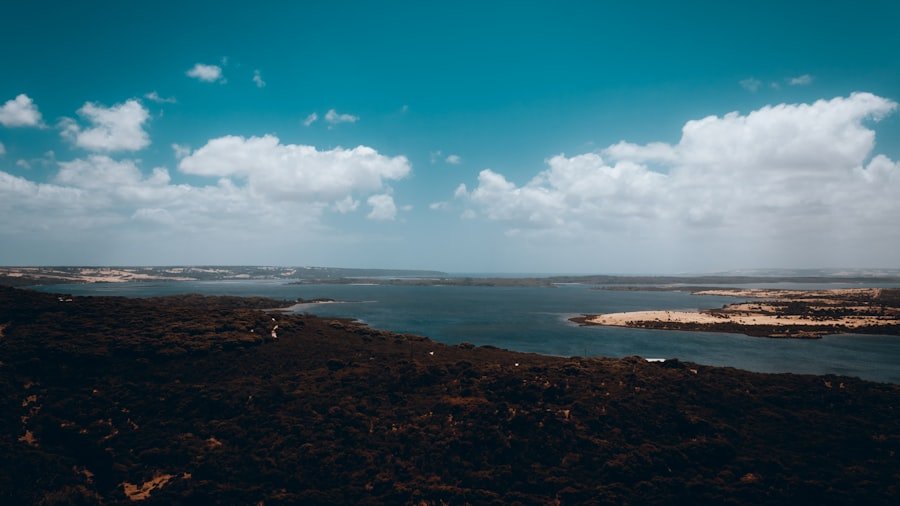
To truly capture the essence of Rochers de Naye, it’s essential to seek out unique perspectives that set your photographs apart from typical tourist shots. One approach is to explore lesser-known vantage points along hiking trails that lead away from the main viewpoint. These trails often provide opportunities for capturing different angles of familiar landscapes or discovering hidden gems that are off the beaten path.
Another technique is to incorporate foreground elements creatively into your compositions. For example, using rocks or alpine flowers in the foreground can create a sense of scale and context within your images. Additionally, consider experimenting with different focal lengths; using a wide-angle lens can emphasize vast landscapes while a telephoto lens can isolate specific features or details within the scene.
By thinking outside the box and being willing to explore various angles and compositions, you can create photographs that tell a unique story about your experience at Rochers de Naye.
Post-Processing Tips for Enhancing Your Photos
Post-processing is an integral part of modern photography that allows you to refine your images and bring out their full potential. Software such as Adobe Lightroom or Photoshop provides powerful tools for adjusting exposure, contrast, saturation, and sharpness.
Cropping is another essential aspect of post-processing that can help improve composition by removing distracting elements from the frame or emphasizing key subjects within your image. Additionally, applying graduated filters can help balance exposure between bright skies and darker foregrounds, ensuring that both elements are well-represented in your final image. Finally, don’t forget about sharpening your images; applying selective sharpening can enhance details in focal points while maintaining a soft look in other areas.
Respecting the Environment While Photographing at Rochers de Naye
As photographers venture into natural spaces like Rochers de Naye, it is crucial to practice responsible photography that respects both the environment and local wildlife. Adhering to Leave No Trace principles is essential; this includes staying on marked trails to minimize impact on delicate ecosystems and avoiding disturbing wildlife habitats. When photographing animals such as marmots or birds, maintain a respectful distance to avoid causing stress or disruption to their natural behaviors.
Additionally, consider how your presence may affect other visitors’ experiences; being mindful of noise levels and avoiding obstructing paths ensures that everyone can enjoy the beauty of Rochers de Naye. Lastly, consider contributing positively to conservation efforts by supporting local initiatives aimed at preserving natural habitats or participating in clean-up activities during your visit. By fostering a sense of stewardship towards these beautiful landscapes, photographers can help ensure that future generations will have the opportunity to experience and capture their beauty as well.
If you’re planning a visit to the stunning Rochers de Naye viewpoint, you’ll want to capture the breathtaking vistas with your camera. For the best photography results, consider visiting during the golden hours of sunrise or sunset when the light is soft and warm, enhancing the natural beauty of the landscape. Additionally, using a polarizing filter can help reduce glare and enhance the colors of the sky and surrounding scenery. For more tips on capturing stunning landscapes, you might find inspiration in this related article that explores the delightful world of Asian melon, offering insights into capturing vibrant and colorful subjects.
FAQs
What is Rochers de Naye viewpoint?
Rochers de Naye is a mountain in the Swiss Alps, offering a stunning panoramic viewpoint of Lake Geneva and the surrounding mountains.
What are some photography tips for capturing the view from Rochers de Naye?
– Use a wide-angle lens to capture the expansive view.
– Consider the lighting conditions and time of day for the best shots.
– Experiment with different angles and perspectives to capture the depth and beauty of the landscape.
– Use a tripod to ensure sharp and steady shots, especially in low light conditions.
Are there any specific photography restrictions at Rochers de Naye?
There are no specific photography restrictions at Rochers de Naye, but visitors are encouraged to be respectful of the natural environment and other visitors while taking photos.
What are the best times of day to visit Rochers de Naye for photography?
The best times of day for photography at Rochers de Naye are during sunrise and sunset, when the light is soft and the colors are most vibrant. Additionally, visiting during the golden hour can provide stunning lighting for photography.
Are there any specific safety tips for photographers visiting Rochers de Naye?
Visitors should be mindful of their surroundings and stay on designated paths and viewpoints while taking photos. Additionally, it’s important to dress appropriately for the mountain climate and be prepared for changing weather conditions.