

Nestled in the heart of the Swiss Alps, Schynige Platte is a breathtaking viewpoint that offers a panoramic vista of some of the most stunning landscapes in the region. Accessible via a cogwheel train from Wilderswil, this location is not only a gateway to the natural beauty of the Bernese Oberland but also a haven for photographers and nature enthusiasts alike. The journey to Schynige Platte is as captivating as the destination itself, with the train winding through lush forests and past charming alpine villages, setting the stage for the visual feast that awaits.
Upon arrival, visitors are greeted by a spectacular view that encompasses the iconic peaks of the Eiger, Mönch, and Jungfrau. The elevation of approximately 1,967 meters provides a unique vantage point that allows for sweeping views of the surrounding valleys and lakes. The area is rich in biodiversity, featuring an array of alpine flora and fauna that thrive in this pristine environment.
For photographers, Schynige Platte is a treasure trove of opportunities, where every angle presents a new perspective on the majestic landscape. Whether capturing the vibrant colors of wildflowers in summer or the dramatic snow-capped peaks in winter, this viewpoint is a canvas for creativity.
Key Takeaways
- Schynige Platte viewpoint offers stunning panoramic views of the Swiss Alps and the surrounding valleys, making it a popular destination for photographers and nature enthusiasts.
- The natural beauty of Schynige Platte includes lush alpine meadows, colorful wildflowers, and crystal-clear mountain lakes, providing endless opportunities for capturing breathtaking landscapes and wildlife.
- The best times for photography at Schynige Platte are during the golden hours of sunrise and sunset, when the soft, warm light enhances the natural beauty of the landscape and creates dramatic shadows and contrasts.
- Tips for capturing the best shots at Schynige Platte include using a tripod for stability, experimenting with different angles and perspectives, and taking advantage of the changing weather and lighting conditions to create unique and dynamic photographs.
- Equipment recommendations for photography at Schynige Platte include a wide-angle lens for capturing expansive landscapes, a telephoto lens for wildlife and close-up shots, and a polarizing filter to reduce glare and enhance colors in the scenery.
The Natural Beauty of Schynige Platte
The natural beauty of Schynige Platte is characterized by its diverse ecosystems and stunning geological formations. The region is home to an impressive variety of alpine plants, many of which are endemic to the area. In spring and summer, the meadows burst into a riot of colors as wildflowers bloom, creating a picturesque scene that attracts both casual visitors and serious photographers.
The vibrant hues of gentians, edelweiss, and alpine roses contrast beautifully against the backdrop of rugged mountains and clear blue skies. In addition to its floral diversity, Schynige Platte boasts breathtaking geological features. The rocky outcrops and steep cliffs provide dramatic foregrounds for landscape photography, while the expansive views of the surrounding valleys create a sense of depth and scale.
The interplay of light and shadow throughout the day adds another layer of complexity to the scenery. As the sun rises or sets, it casts golden hues across the landscape, transforming the already stunning views into something truly magical. This dynamic environment makes Schynige Platte a year-round destination, with each season offering its own unique charm.
Best Times for Photography at Schynige Platte
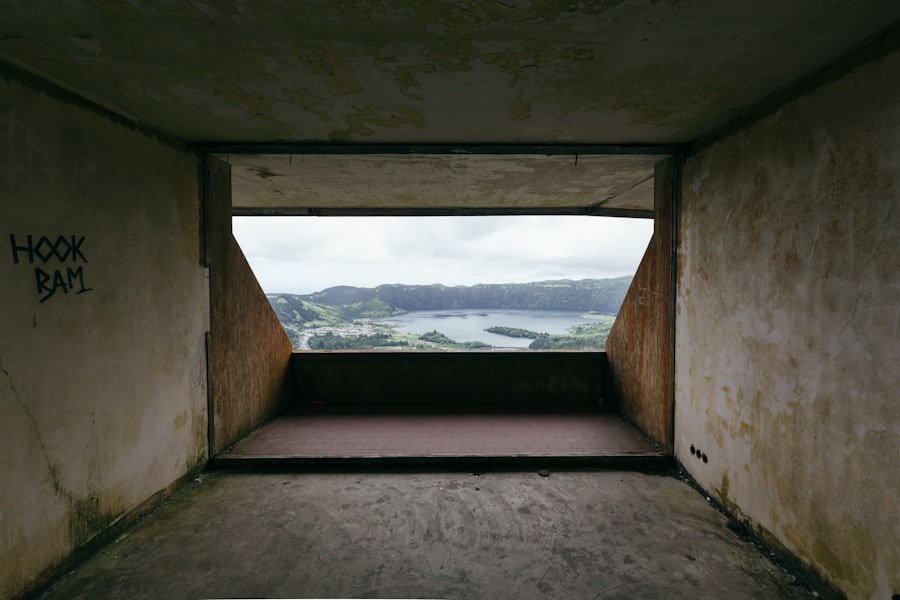
Timing is crucial when it comes to capturing the best photographs at Schynige Platte. The golden hours—shortly after sunrise and just before sunset—are often considered the most favorable times for photography due to the soft, diffused light that enhances colors and reduces harsh shadows. During these periods, photographers can take advantage of the warm tones that illuminate the landscape, creating ethereal images that evoke emotion and depth.
In addition to the golden hours, different seasons offer unique photographic opportunities. Spring is ideal for capturing blooming wildflowers against snow-capped peaks, while summer provides lush greenery and vibrant colors. Autumn transforms the landscape into a tapestry of reds, oranges, and yellows as foliage changes, offering a completely different aesthetic.
Winter brings its own charm with snow-covered landscapes that create a serene and tranquil atmosphere. Each season presents distinct lighting conditions and color palettes, allowing photographers to explore various styles and techniques throughout the year.
Tips for Capturing the Best Shots
| Tip | Description |
|---|---|
| Use natural light | Avoid harsh shadows and get a more natural look |
| Find interesting angles | Experiment with different perspectives to make your shots more dynamic |
| Focus on composition | Pay attention to the rule of thirds and leading lines to create visually appealing images |
| Adjust camera settings | Learn how to adjust aperture, shutter speed, and ISO for different lighting conditions |
| Use a tripod | Keep your camera steady for sharper images, especially in low light situations |
To make the most of your photography experience at Schynige Platte, it’s essential to plan ahead and be prepared for varying conditions. One key tip is to scout locations before setting up your shots. Take time to explore different vantage points around the viewpoint; sometimes, moving just a few steps can reveal an entirely new perspective.
Look for interesting foreground elements such as rocks or flowers that can add depth to your compositions. Another important aspect is to be patient and observant. Nature is ever-changing, and waiting for the right moment can yield stunning results.
Whether it’s capturing a fleeting cloud formation or waiting for wildlife to appear, patience can be a photographer’s greatest ally. Additionally, consider using a tripod to stabilize your camera during longer exposures or in low-light conditions. This will help ensure sharp images and allow you to experiment with different settings without worrying about camera shake.
Equipment Recommendations for Photography at Schynige Platte
When it comes to equipment for photographing at Schynige Platte, versatility is key. A DSLR or mirrorless camera with interchangeable lenses will provide you with the flexibility needed to capture various scenes effectively. A wide-angle lens (such as 16-35mm) is essential for landscape photography, allowing you to encompass vast vistas and dramatic skies in your shots.
Conversely, a telephoto lens (such as 70-200mm) can be invaluable for isolating specific elements within the landscape or capturing wildlife from a distance. In addition to lenses, consider bringing filters to enhance your images further. A polarizing filter can help reduce glare from water surfaces and enhance colors in the sky and foliage.
Neutral density filters are also useful for long exposure shots, allowing you to capture silky smooth water or create motion blur in clouds without overexposing your images. Lastly, don’t forget extra batteries and memory cards; being in such a beautiful location can lead to an abundance of photographs that you won’t want to miss capturing.
Composition and Framing Techniques
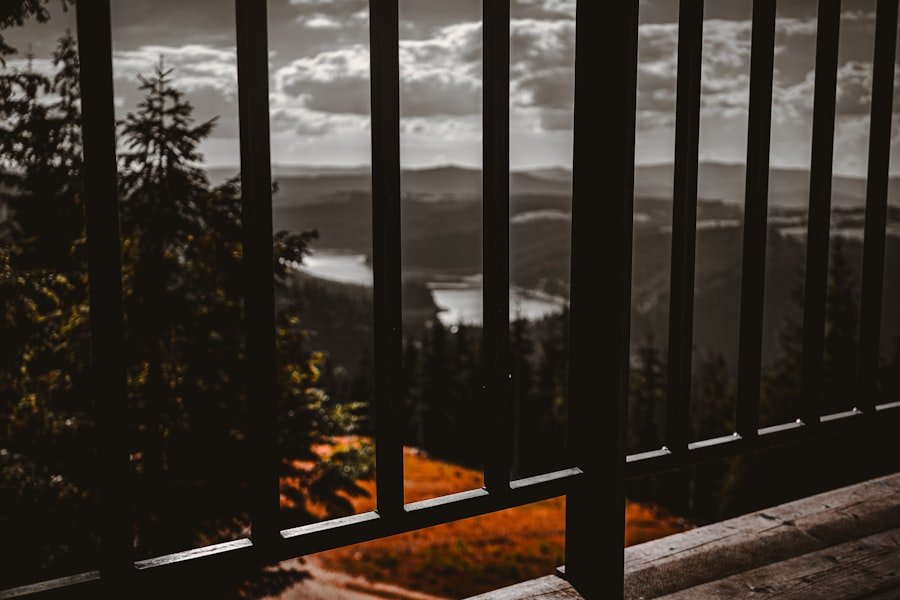
Effective composition is fundamental in photography, especially in a visually rich environment like Schynige Platte. One popular technique is the rule of thirds, which involves dividing your frame into nine equal parts using two horizontal lines and two vertical lines. Placing key elements along these lines or at their intersections can create balance and draw viewers’ eyes into your image.
For instance, positioning a mountain peak along one of these lines while allowing a vibrant foreground to occupy another can create a harmonious composition. Another technique to consider is leading lines, which guide viewers’ eyes through an image. Natural features such as paths, rivers, or even rows of flowers can serve as leading lines that draw attention toward focal points like mountains or lakes in the background.
Additionally, incorporating layers into your compositions can add depth; foreground elements can frame your subject while mid-ground features lead into the background scenery. Experimenting with different angles—shooting from low down or high up—can also yield unique perspectives that set your images apart.
Editing and Post-Processing Tips for Schynige Platte Photos
Post-processing is an integral part of modern photography that allows you to enhance your images further after capturing them at Schynige Platte. Software like Adobe Lightroom or Photoshop provides powerful tools for adjusting exposure, contrast, saturation, and sharpness.
When editing landscape photos, pay attention to highlights and shadows; adjusting these can help bring out details in both bright skies and dark foregrounds. Consider using graduated filters in post-processing to balance exposure between bright skies and darker land areas. Additionally, enhancing colors can make your images pop; however, it’s essential to maintain a natural look—over-saturation can detract from the beauty of the scene you captured.
Finally, sharpening your images selectively can help emphasize details without introducing noise.
Preserving the Memories: Printing and Displaying Your Schynige Platte Photos
Once you’ve captured and edited your stunning photographs from Schynige Platte, preserving these memories through printing is an excellent way to showcase your work. High-quality prints can transform digital images into tangible art pieces that can be displayed in your home or gifted to friends and family. When selecting prints, consider using archival-quality paper that enhances color depth and detail while ensuring longevity.
Additionally, creating a gallery wall with multiple prints can tell a story about your experience at Schynige Platte while adding visual interest to your space. If you prefer digital displays, consider creating a slideshow or digital photo book that captures your journey through this breathtaking landscape.
In conclusion, Schynige Platte offers an unparalleled opportunity for photographers to immerse themselves in nature’s beauty while honing their craft. With careful planning, attention to detail in composition and post-processing, and thoughtful presentation of their work, photographers can create lasting memories that reflect their experiences in this stunning alpine paradise.
The Schynige Platte viewpoint in Switzerland offers breathtaking panoramic views that are a paradise for photographers. To capture the stunning landscapes effectively, consider visiting during the golden hours of sunrise or sunset when the light is soft and warm. Use a tripod for stability, especially if you’re shooting in low light conditions, and experiment with different angles to capture the vastness of the scenery. For those interested in exploring more delightful experiences, you might enjoy reading about the “Delightful World of Asian Melon” in this related article.
FAQs
What is the Schynige Platte viewpoint?
The Schynige Platte viewpoint is a popular vantage point located in the Bernese Oberland region of Switzerland. It offers stunning panoramic views of the surrounding mountains, including the Eiger, Mönch, and Jungfrau.
What are some photography tips for capturing the views from Schynige Platte?
When photographing the views from Schynige Platte, it’s important to consider the lighting conditions. Early morning and late afternoon often provide the best light for capturing the mountains and landscapes. Additionally, using a wide-angle lens can help to capture the expansive views, and a tripod can be useful for long exposure shots.
Are there any specific photography restrictions at Schynige Platte viewpoint?
There are no specific photography restrictions at Schynige Platte viewpoint. However, visitors are encouraged to be mindful of other visitors and to respect the natural environment while taking photographs.
What are the best times of year to visit Schynige Platte for photography?
The best times of year to visit Schynige Platte for photography are during the spring and summer months when the alpine flowers are in bloom and the weather is generally clear. However, the autumn months can also provide stunning photography opportunities as the foliage changes color.
What other activities can visitors enjoy at Schynige Platte viewpoint?
In addition to photography, visitors to Schynige Platte can enjoy hiking, nature walks, and visiting the Alpine Garden, which features over 600 species of plants from the Swiss Alps. There is also a historic cogwheel train that takes visitors to the viewpoint from Wilderswil.