

The Lion Monument, or Löwendenkmal, is a poignant sculpture located in Lucerne, Switzerland, commemorating the Swiss Guards who were killed during the French Revolution in 1792. Carved into a sandstone rock face, the monument depicts a dying lion, symbolizing bravery and sacrifice. The artist, Bertel Thorvaldsen, was commissioned to create this masterpiece in 1820, and it was unveiled in 1821.
The lion’s expression of pain and resignation has made it an enduring symbol of loyalty and courage, resonating deeply with both locals and visitors alike. The monument is not merely a work of art; it encapsulates a significant historical narrative that reflects the tumultuous relationship between Switzerland and France during that era. The Lion Monument is also notable for its artistic execution.
Thorvaldsen’s attention to detail is evident in the lion’s muscular form and the intricate textures of the rock. The sculpture measures about 10 meters long and 6 meters high, making it an imposing sight against the backdrop of the surrounding landscape. The monument is set within a small park, providing a serene environment for reflection.
Its historical significance is further amplified by the fact that it serves as a reminder of the sacrifices made by Swiss soldiers in defense of their values and allies. This duality of artistry and history makes the Lion Monument a must-visit for anyone interested in Swiss culture or European history.
Key Takeaways
- The Lion Monument in Lucerne, Switzerland, commemorates Swiss Guards who died during the French Revolution and is a symbol of bravery and sacrifice.
- When capturing the monument, choose a viewpoint that allows you to include the surrounding landscape for context and depth in your photographs.
- Consider visiting the monument during the golden hours of sunrise or sunset to take advantage of the soft, warm natural light for your photos.
- Use leading lines and framing techniques to draw attention to the monument and create visually appealing compositions.
- Recommended equipment for photographing the Lion Monument includes a wide-angle lens for capturing the entire monument and a tripod for stability in low light conditions.
Choosing the right viewpoint: Finding the best angle to capture the monument
When photographing the Lion Monument, selecting the right viewpoint is crucial for capturing its grandeur and emotional impact. The monument is situated in a small, enclosed area, which can limit your options for angles. However, there are several vantage points that can yield striking images.
One popular perspective is from directly in front of the lion, where you can capture its full form against the backdrop of the rock face. This angle emphasizes the lion’s size and the dramatic expression on its face, allowing viewers to connect with the emotion conveyed by the sculpture. Another effective viewpoint is from slightly below the monument, which can create a sense of grandeur and majesty.
This angle allows you to capture the lion from a low perspective, accentuating its powerful physique and making it appear even more imposing. Additionally, consider incorporating elements of the surrounding environment into your composition. Framing the lion with trees or other natural features can add depth to your photographs and provide context to its setting.
Experimenting with different angles will help you discover unique perspectives that highlight both the artistry of the monument and its historical significance.
Lighting considerations: How to make the most of natural light for your photographs
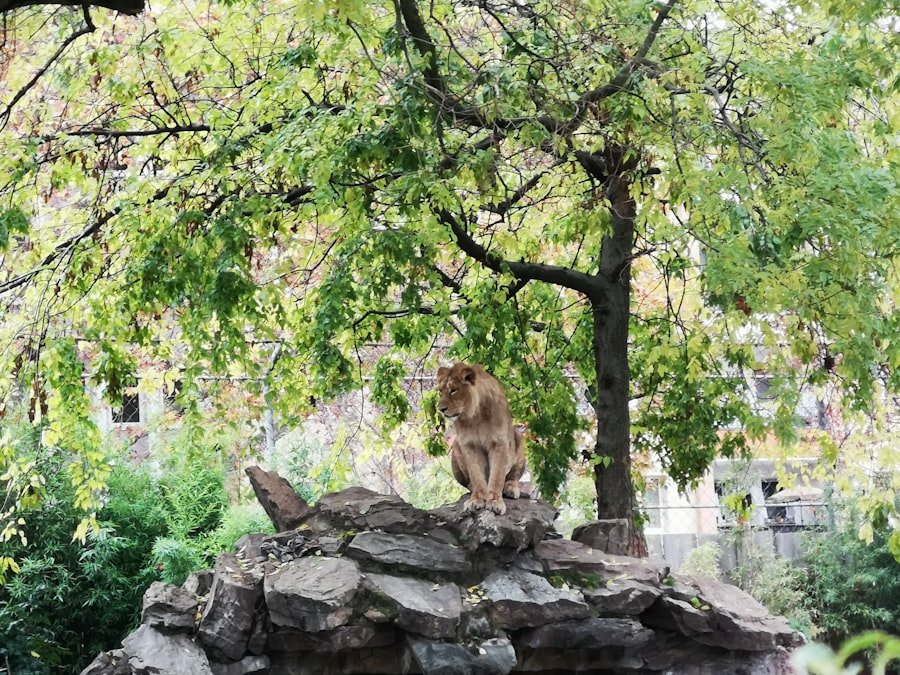
Natural light plays a pivotal role in photography, particularly when capturing sculptures like the Lion Monument. The best time to photograph this landmark is during the golden hour—shortly after sunrise or before sunset—when the light is soft and warm. This type of lighting enhances textures and colors, bringing out the details in the lion’s mane and body while casting gentle shadows that add depth to your images.
The warm tones during these times can evoke a sense of nostalgia and reverence, aligning perfectly with the monument’s somber theme. Conversely, midday sun can be harsh and unflattering, creating stark shadows that may obscure details or wash out colors. If you find yourself at the monument during this time, consider using reflectors or diffusers to soften the light.
Alternatively, you can seek out shaded areas nearby to reduce glare and harsh contrasts. Cloudy days can also provide excellent conditions for photography, as overcast skies diffuse sunlight evenly, resulting in softer shadows and more balanced exposure. Understanding how different lighting conditions affect your images will enable you to capture the Lion Monument in its best light.
Composition tips: Framing the Lion Monument for impactful images
| Composition Tips | Framing the Lion Monument for Impactful Images |
|---|---|
| 1 | Choose a strong focal point |
| 2 | Use leading lines to draw attention to the monument |
| 3 | Consider the rule of thirds for balanced composition |
| 4 | Experiment with different angles and perspectives |
| 5 | Pay attention to lighting and shadows for dramatic effect |
Effective composition is essential for creating impactful photographs of the Lion Monument. One fundamental principle to consider is the rule of thirds, which involves dividing your frame into a grid of nine equal parts. Positioning key elements of your photograph along these lines or at their intersections can create a more dynamic and engaging image.
For instance, placing the lion’s head at one of these intersection points can draw viewers’ eyes directly to its expression, enhancing emotional engagement. In addition to using the rule of thirds, consider incorporating leading lines into your composition. These lines can guide viewers’ eyes toward the monument, creating a sense of depth and perspective.
Pathways or natural lines formed by trees or rocks can serve as effective leading lines. Additionally, framing your shot with foreground elements—such as flowers or foliage—can add layers to your composition and create a more immersive experience for viewers. Experimenting with different framing techniques will help you discover unique ways to present this iconic monument.
Equipment recommendations: The best gear for capturing the monument
When planning to photograph the Lion Monument, having the right equipment can significantly enhance your results. A DSLR or mirrorless camera with interchangeable lenses offers versatility and superior image quality compared to smartphone cameras. A standard zoom lens (24-70mm) is an excellent choice for capturing both wide shots of the monument and close-ups of intricate details.
If you want to emphasize depth or create a more dramatic perspective, consider using a wide-angle lens (16-35mm) to capture more of the surrounding environment. In addition to your camera and lens, a sturdy tripod is essential for stabilizing your shots, especially in low-light conditions or when using longer exposure times. A tripod allows you to experiment with different compositions without worrying about camera shake.
If you’re interested in capturing details or textures up close, a macro lens can be beneficial for highlighting specific features of the lion’s sculpture. Lastly, don’t forget to bring extra batteries and memory cards; being prepared ensures you won’t miss any photographic opportunities during your visit.
Timing your visit: When to go for the best photography conditions
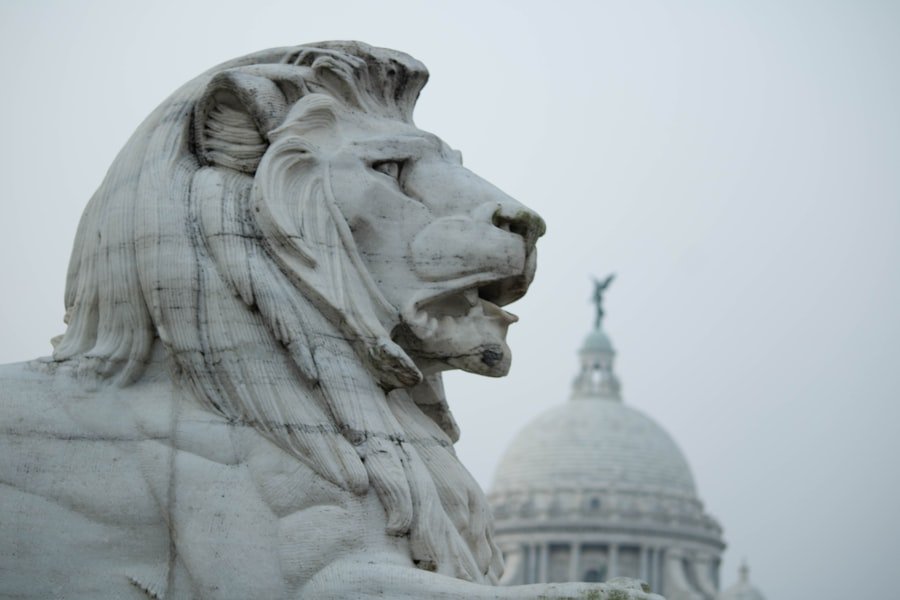
Timing your visit to the Lion Monument can greatly influence your photography experience. As previously mentioned, visiting during golden hour—early morning or late afternoon—provides optimal lighting conditions that enhance both color and texture in your images. However, it’s also important to consider seasonal variations that may affect your visit.
Spring and early summer often bring vibrant blooms around Lucerne, adding color and life to your photographs when framing them with natural elements. Additionally, weekdays tend to be less crowded than weekends or holidays, allowing for more freedom to explore different angles without interference from other visitors. If you’re aiming for solitude in your shots, consider visiting during off-peak hours early in the morning or later in the evening when foot traffic is minimal.
Weather conditions also play a significant role; clear skies are ideal for capturing bright images, while overcast days can provide soft lighting that enhances detail without harsh shadows. Planning your visit around these factors will help you achieve stunning photographs of this iconic monument.
Post-processing techniques: Enhancing your Lion Monument photos in editing software
Post-processing is an integral part of modern photography that allows you to refine your images after capturing them. Software like Adobe Lightroom or Photoshop offers powerful tools for enhancing your photographs of the Lion Monument. Start by adjusting exposure levels to ensure that highlights are not blown out while shadows retain detail.
Fine-tuning contrast can help emphasize textures in the lion’s mane and body, making them stand out more prominently against the rock face. Color correction is another essential step; adjusting white balance can help achieve more accurate colors that reflect what you experienced on-site. If you captured images during golden hour, you might want to enhance warm tones further to evoke that magical atmosphere.
Additionally, cropping can improve composition by removing distracting elements from the frame or emphasizing specific details within your photograph. Experimenting with sharpening tools can also enhance clarity without introducing noise into your images. Mastering these post-processing techniques will elevate your photographs from simple captures to stunning representations of this historical monument.
Capturing the details: Highlighting the intricate features of the monument
While wide shots of the Lion Monument are essential for showcasing its grandeur, capturing intricate details can provide a deeper appreciation for its artistry and craftsmanship. Focus on specific features such as the lion’s expressive face, textured mane, or even subtle elements like water droplets on nearby foliage if you’re shooting after rain. Using a macro lens or zooming in with a standard lens allows you to isolate these details effectively.
Consider experimenting with different focal lengths and apertures to achieve various effects; a shallow depth of field can beautifully blur backgrounds while keeping intricate details sharp and in focus. This technique draws attention directly to what you want viewers to notice—the emotion in the lion’s expression or the craftsmanship evident in its sculpted form.
By focusing on these details, you create a richer visual story that complements broader views of this iconic landmark.
If you’re planning a visit to the Lion Monument in Lucerne, Switzerland, capturing the perfect photograph can be a rewarding experience. The monument, a poignant tribute to the Swiss Guards who were massacred during the French Revolution, is a must-see for history enthusiasts and photographers alike. For the best shots, consider visiting early in the morning or late in the afternoon when the light is softer, and the crowds are thinner. Additionally, experimenting with different angles can help highlight the monument’s intricate details and the serene pond that reflects its image. For more tips on capturing stunning images and exploring unique locations, you might find inspiration in this article about the delightful world of Asian melon: Exploring the Delightful World of Asian Melon.
FAQs
What is the Lion Monument viewpoint?
The Lion Monument viewpoint is a popular tourist attraction in Lucerne, Switzerland. It features a dramatic sculpture of a dying lion, which commemorates the Swiss Guards who were massacred during the French Revolution.
Where is the Lion Monument viewpoint located?
The Lion Monument viewpoint is located in Lucerne, Switzerland, near the Glacier Garden park.
What are some photography tips for capturing the Lion Monument?
When photographing the Lion Monument, it’s important to consider the lighting. Early morning or late afternoon light can create dramatic shadows and highlights on the sculpture. Additionally, try experimenting with different angles and perspectives to capture the monument in a unique way.
Are there any specific rules or guidelines for photographing the Lion Monument?
While there are no specific rules for photographing the Lion Monument, it’s important to be respectful of other visitors and the monument itself. Avoid climbing on the sculpture or obstructing the view for others.
What are the best times to visit the Lion Monument viewpoint for photography?
The best times to visit the Lion Monument for photography are early morning or late afternoon, when the light is softer and more flattering. Additionally, visiting during the off-peak tourist season can help avoid crowds and allow for more freedom in capturing the monument.