

The size of a pot plays a crucial role in the overall health and growth of plants. When it comes to container gardening, the dimensions of the pot can significantly influence factors such as root development, moisture retention, and nutrient availability. A pot that is too small can restrict root growth, leading to stunted plants that struggle to thrive.
Conversely, a pot that is too large may retain excessive moisture, which can result in root rot and other issues. Therefore, understanding the importance of pot size is essential for any gardener looking to cultivate healthy plants. In particular, a 20-gallon pot strikes a balance between providing ample space for root expansion while still being manageable for most gardeners.
This size is particularly beneficial for larger plants or those with extensive root systems, such as tomatoes, peppers, or small fruit trees. The increased volume allows for better soil aeration and moisture retention, which are vital for robust plant growth. Additionally, a 20-gallon pot can serve as a transitional space for young plants that will eventually be moved to larger outdoor gardens or landscapes.
Key Takeaways
- The size of the pot is crucial for the health and growth of plants in gardening.
- When choosing a 20 gallon pot, consider factors such as material, space available, and aesthetic appeal.
- Using a 20 gallon pot in your garden can provide benefits such as ample space for root growth and better moisture retention.
- Choose the right material for your 20 gallon pot, considering factors such as durability, insulation, and weight.
- Consider the space available in your garden for the 20 gallon pot, ensuring it has enough room for proper sunlight and air circulation.
Factors to Consider When Choosing a 20 Gallon Pot
When selecting a 20-gallon pot, several factors come into play that can affect both the plant’s health and the gardener’s experience. One of the primary considerations is the material of the pot. Options range from plastic and ceramic to metal and wood, each with its own set of advantages and disadvantages.
For instance, plastic pots are lightweight and often more affordable, making them easy to move around. However, they may not provide the same level of insulation as ceramic or terracotta pots, which can help regulate soil temperature. Another important factor is the design of the pot itself.
Some pots come with built-in drainage systems or self-watering features that can simplify maintenance. Additionally, the shape of the pot can influence how well roots spread out; wider pots may encourage lateral root growth, while deeper pots can support taproots. Understanding these nuances can help gardeners make informed decisions that align with their specific gardening goals.
Benefits of Using a 20 Gallon Pot in Your Garden
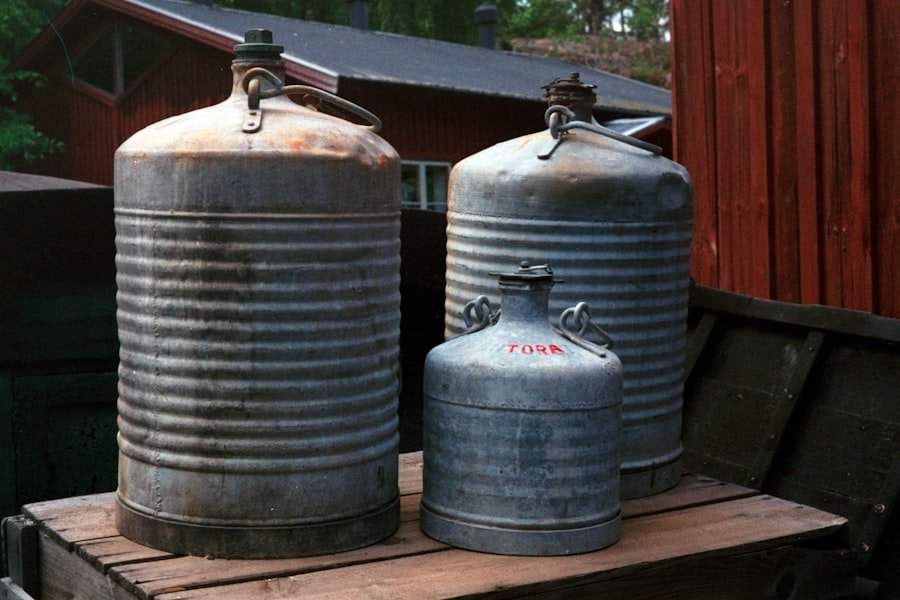
Utilizing a 20-gallon pot offers numerous benefits that can enhance both the gardening experience and plant health. One significant advantage is the increased soil volume, which allows for better moisture retention and nutrient availability. This is particularly beneficial during hot summer months when plants are more susceptible to drought stress.
With more soil to draw from, plants in a 20-gallon pot are less likely to suffer from water shortages. Moreover, a 20-gallon pot provides ample space for root systems to develop fully. This is especially important for larger plants that require extensive root networks to support their growth above ground.
A well-established root system not only contributes to healthier plants but also improves their resilience against pests and diseases. Additionally, the larger size of the pot allows for greater flexibility in plant selection; gardeners can experiment with a wider variety of species without worrying about outgrowing their containers too quickly.
Choosing the Right Material for Your 20 Gallon Pot
| Material | Pros | Cons |
|---|---|---|
| Stainless Steel | Durable, easy to clean | Expensive, may not distribute heat evenly |
| Aluminum | Good heat conduction, lightweight | May react with acidic foods, can warp |
| Cast Iron | Excellent heat retention, long-lasting | Heavy, requires seasoning |
| Copper | Excellent heat conduction, attractive | Expensive, requires maintenance |
| Nonstick Coated | Easy to clean, food doesn’t stick | Can scratch or wear off over time |
The material of a 20-gallon pot can significantly impact its performance and suitability for different types of plants. Plastic pots are popular due to their lightweight nature and affordability. They are often available in various colors and styles, making them versatile for different garden aesthetics.
However, one downside is that plastic can heat up quickly in direct sunlight, potentially leading to overheating of the soil and roots. On the other hand, ceramic and terracotta pots offer excellent insulation properties, helping to maintain a more stable soil temperature. These materials are porous, allowing for better air exchange but also requiring more frequent watering due to increased evaporation rates.
Metal pots can provide a modern look but may pose challenges in terms of heat retention and rusting over time. Ultimately, the choice of material should align with the specific needs of the plants being grown as well as the gardener’s aesthetic preferences.
Determining the Space Available for Your 20 Gallon Pot
Before committing to a 20-gallon pot, it is essential to assess the available space in your garden or patio. The dimensions of the area will dictate how many pots you can accommodate and how they will fit into your overall garden design. A 20-gallon pot typically has a diameter of around 18-24 inches and a height of approximately 16-20 inches, so it’s crucial to ensure that there is enough room not only for the pot itself but also for adequate air circulation around it.
Additionally, consider how the placement of your pot will affect other elements in your garden. For instance, if you are growing taller plants in a 20-gallon pot, you may want to position them where they won’t overshadow smaller plants nearby. Furthermore, think about accessibility; pots should be placed where they can be easily reached for watering and maintenance without causing inconvenience.
Selecting the Right Type of Plants for a 20 Gallon Pot
Choosing the right type of plants for a 20-gallon pot is vital for ensuring successful growth and development. This size is particularly well-suited for medium to large plants that require more space for their roots to expand. Vegetables such as tomatoes, peppers, and eggplants thrive in this environment due to their extensive root systems and nutrient needs.
Additionally, herbs like basil and rosemary can flourish in a 20-gallon pot when planted alongside companion plants. Flowering plants also benefit from being housed in a 20-gallon pot. Perennials such as coneflowers or daylilies can establish strong root systems that will allow them to thrive year after year.
Moreover, small shrubs or dwarf varieties of larger plants can be effectively grown in this size container, providing both beauty and structure to your garden design. The key is to select plants that not only fit well within the spatial constraints but also complement each other in terms of light and water requirements.
Maintaining Proper Drainage in a 20 Gallon Pot
Proper drainage is critical when using a 20-gallon pot to prevent waterlogging and root rot. Most pots come with drainage holes at the bottom; however, it’s essential to ensure these holes are not blocked by soil or debris. If you find that water is pooling at the bottom after watering, consider elevating the pot slightly using pot feet or placing it on a surface that allows excess water to escape.
In addition to ensuring adequate drainage holes, incorporating materials such as gravel or perlite at the bottom of the pot can enhance drainage capabilities. These materials create air pockets that facilitate water movement through the soil while preventing compaction over time. Regularly checking drainage conditions will help maintain healthy roots and overall plant vitality.
Understanding the Watering Needs of Plants in a 20 Gallon Pot
Watering needs vary significantly among different plant species; therefore, understanding these requirements is essential when using a 20-gallon pot. Generally speaking, larger pots retain moisture longer than smaller ones due to their increased soil volume; however, this does not mean that they should be neglected when it comes to watering schedules. Factors such as temperature, humidity levels, and plant type all influence how often you should water.
For instance, during hot summer months or windy conditions, plants may require more frequent watering even in larger pots. Conversely, during cooler seasons or periods of high humidity, watering may need to be reduced significantly. A good practice is to check the top inch or two of soil; if it feels dry to the touch, it’s time to water again.
Additionally, using mulch on top of the soil can help retain moisture while also suppressing weeds.
Considering the Aesthetic Appeal of a 20 Gallon Pot in Your Garden
Aesthetics play an important role in gardening; thus, selecting a visually appealing 20-gallon pot can enhance your garden’s overall look. The color, texture, and design of the pot should complement both your plants and your existing landscape features. For example, terracotta pots offer a rustic charm that pairs beautifully with vibrant flowering plants, while sleek metal pots can provide a modern touch when used with contemporary garden designs.
Moreover, arranging multiple pots together can create visual interest through varying heights and plant types. Grouping pots with similar colors or textures can unify your garden space while allowing individual plants to shine. Consider using decorative elements such as trellises or plant stands alongside your 20-gallon pots to add layers and depth to your garden design.
Ensuring Proper Placement of Your 20 Gallon Pot for Sunlight and Air Circulation
The placement of your 20-gallon pot is crucial for ensuring that your plants receive adequate sunlight and air circulation. Most flowering plants and vegetables thrive in full sun conditions—typically defined as six or more hours of direct sunlight per day—while some shade-loving varieties may require partial shade instead. Before positioning your pot, observe how sunlight moves across your garden throughout the day to identify optimal locations.
In addition to sunlight considerations, air circulation is equally important for preventing fungal diseases and promoting healthy growth. Avoid placing pots too close together or against walls where airflow may be restricted. Instead, arrange them with enough space between each container to allow air movement while still creating an aesthetically pleasing arrangement.
Tips for Maintaining and Caring for Plants in a 20 Gallon Pot
Maintaining healthy plants in a 20-gallon pot requires consistent care and attention throughout their growing season. Regularly check for signs of pests or diseases; early detection is key to managing any issues before they escalate into larger problems. Additionally, routine pruning can help promote bushier growth while removing any dead or diseased foliage.
Fertilization is another critical aspect of care; since nutrients can be depleted over time in container gardens, applying a balanced fertilizer every few weeks during the growing season will support robust plant health. Finally, don’t forget about seasonal adjustments—when temperatures drop in fall or winterize your garden by either bringing pots indoors or providing protective coverings against frost damage. By understanding these various aspects related to using a 20-gallon pot in gardening—from selecting appropriate materials and plants to ensuring proper care—you can create an environment where your plants thrive beautifully while enhancing your outdoor space’s overall appeal.
FAQs
What is a 20 gallon pot?
A 20 gallon pot is a large container typically used for gardening and planting. It can hold approximately 20 gallons of soil and is suitable for growing medium to large-sized plants.
What are 20 gallon pots made of?
20 gallon pots are commonly made of plastic, fabric, or metal. Plastic pots are durable and lightweight, while fabric pots provide better aeration and drainage for plant roots. Metal pots are sturdy and long-lasting.
What can be grown in a 20 gallon pot?
A 20 gallon pot is suitable for growing a variety of plants, including vegetables, herbs, flowers, and small trees. It provides enough space for the roots to grow and allows for proper drainage and aeration.
How to use a 20 gallon pot for gardening?
To use a 20 gallon pot for gardening, fill it with high-quality potting soil, plant the desired seeds or seedlings, and water the plants regularly. Ensure proper drainage by adding a layer of gravel at the bottom of the pot.
Where can I buy a 20 gallon pot?
20 gallon pots can be purchased at garden centers, nurseries, home improvement stores, and online retailers. They are available in various materials, styles, and price ranges.