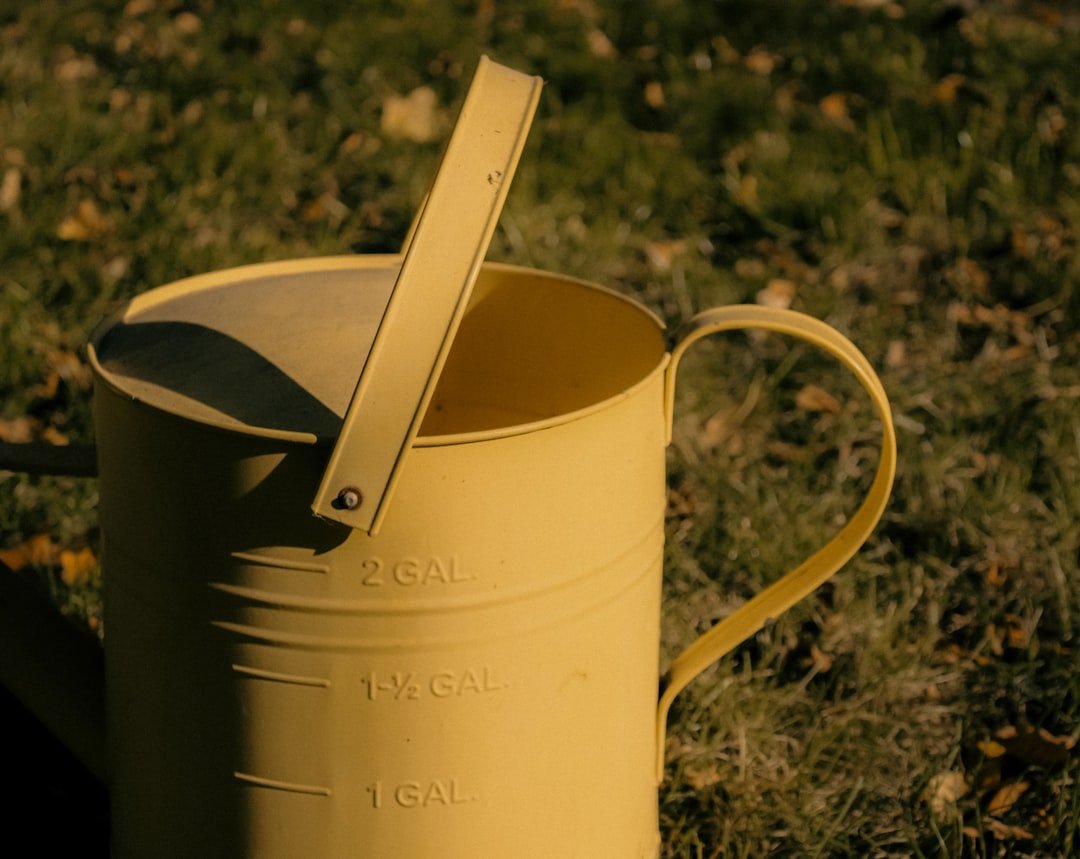
A 20 gallon pot gives large container plants far more root space and moisture reserve than a small planter. It can work well for fruiting vegetables, herbs, flowers, compact shrubs, and some container-grown fruit trees. The best results come from matching the pot material, drainage, potting mix, sunlight, and watering routine to the plant you want to grow.
Quick Answer
A 20 gallon pot is a large container suited to vigorous vegetables, many herbs and flowers, and some compact shrubs or dwarf fruit trees. Choose dependable drainage, use a light potting mix rather than garden soil, match the material to your climate and watering habits, and give the plant the light it needs.
Key Takeaways
- A 20-gallon label describes container capacity or size class; the actual width and height vary by shape and manufacturer.
- Plastic retains moisture longer, while terracotta and fabric containers generally dry faster.
- Drainage holes matter more than adding rocks or gravel to the bottom of the pot.
- Use potting mix designed for containers instead of filling the pot with dense garden soil.
- Check moisture rather than watering on a rigid schedule because weather, plant size, and pot material all change water demand.
How Big Is a 20 Gallon Pot?
A 20 gallon pot does not have one universal diameter or height. A tall nursery container, wide decorative planter, and fabric grow bag can hold similar amounts of growing media while having very different footprints.
If the container must fit a patio, balcony, plant stand, or growing area, check its listed outside dimensions rather than relying only on the gallon label. The current AmericanHort nursery stock standards use container classes as part of nursery sizing, which is another reason not to assume every pot sold under the same size name has identical dimensions.
A larger container generally gives roots more room and holds more moisture than a small pot. That can reduce rapid drying, although an oversized container combined with poor drainage or an unsuitable potting mix can stay wet for too long.
Factors to Consider When Choosing a 20 Gallon Pot
The best 20 gallon pot is large enough for the mature root system, stable enough for the plant above it, and easy enough for you to maintain. Material, drainage, shape, weight, and location matter more than appearance alone.
- Material: Plastic, fabric, terracotta, glazed ceramic, wood, and metal all handle moisture and heat differently.
- Drainage: Standard containers need unobstructed drainage holes or slits so excess water can leave the root zone.
- Shape: A wider base can improve stability for tomatoes, shrubs, and other tall plants.
- Weight: A large pot becomes much harder to move after it is filled and watered, so decide on its location before planting.
- Plant needs: The container should suit the mature plant rather than only the size of the seedling you are buying today.
Built-in reservoirs can also be useful. However, a true self-watering planter is designed differently from a standard pot and normally includes a reservoir and overflow system to manage excess water.
Benefits of Using a 20 Gallon Pot in Your Garden
A 20 gallon pot provides a generous root zone without requiring an in-ground garden. The extra growing media can buffer plants against short periods of drying and gives large vegetables, flowers, or shrubs more room to establish roots.
This size is especially useful for patios, driveways, decks, and other places where permanent garden beds are not practical. It also lets you move a plant when light conditions change, although a filled container may require a plant caddy or help from another person.
Larger containers can support plants such as tomatoes, peppers, eggplants, flowering perennials, compact shrubs, and some fruit trees. A young shrub or tree can also spend part of its life in a large container before being transplanted, provided the species is suitable for container growing.
Choosing the Right Material for Your 20 Gallon Pot
Container material changes how quickly the growing mix dries, how hot the root zone becomes, and how easy the pot is to move. There is no single best material for every garden.
| Material | Pros | Cons |
|---|---|---|
| Plastic or Resin | Lightweight, holds moisture well, widely available | Dark colors can heat up; lower-quality plastic may become brittle |
| Fabric Grow Bag | Lightweight, excellent drainage, encourages air pruning of roots | Dries faster and may need more frequent watering |
| Terracotta | Porous, attractive, allows moisture to evaporate through the walls | Heavy, dries quickly, and may crack in freezing conditions |
| Glazed Ceramic | Decorative, stable, retains moisture better than unglazed clay | Heavy and breakable; drainage holes must remain open |
| Wood | Natural appearance, good for large planters, relatively insulating | Can decay over time and becomes heavy when wet |
The University of Maryland Extension container gardening guide notes that porous materials such as clay, ceramic, concrete, and wood dry faster than plastic, resin, fiberglass, or metal. Fabric grow bags are also highly breathable and encourage air pruning when roots reach the bag surface.
Metal containers can create a clean, modern look, but they may heat up in strong sun. Whatever material you choose, make sure a conventional planter can release excess water freely.
Determining the Space Available for Your 20 Gallon Pot
Measure the actual pot before deciding where it will go because dimensions vary widely among 20-gallon containers. Allow room for the mature plant as well as the pot itself.
Think vertically as well as horizontally. A tall tomato, shrub, trellis, or fruit tree can shade smaller plants nearby, so place it where its mature canopy will not block plants that need full sun.
Accessibility matters too. Leave enough space to water, prune, inspect leaves, add supports, and reach the drainage area. If you may need to move the container later, place it on a sturdy plant caddy before filling it rather than trying to lift a wet, planted pot afterward.
Selecting the Right Plants for a 20 Gallon Pot
A 20 gallon pot is large enough for many medium-to-large container plants. Tomatoes, peppers, eggplants, cucumbers, squash, herbs, flowering perennials, compact shrubs, and selected fruit plants are all possible when their individual growing requirements are met.
Published container recommendations show why this size offers useful extra root volume for many vegetables:
| Plant | University of Maryland minimum container volume | What a 20-gallon pot provides |
|---|---|---|
| Standard tomato | 5 gallons | Extra root and moisture reserve for a vigorous plant |
| Pepper | 5 gallons | Generous growing volume with room for support |
| Eggplant | 5 gallons | More buffer against rapid drying |
| Cucumber | 5 gallons | Space for roots plus a trellis or other support |
| Summer squash | 10 gallons | Ample media for a large, thirsty crop |
Do not treat those minimum volumes as a formula for crowding several large plants into one pot. Plant spacing, variety, support, climate, and water demand still matter.
Basil and rosemary can also grow well in large containers, although they have different moisture preferences. If you combine herbs, group plants that prefer similar watering conditions rather than filling the pot only for appearance.
Flowering perennials such as coneflowers and daylilies can establish substantial root systems in containers. Small shrubs and dwarf fruit trees are another option, but long-term suitability depends on the species, rootstock, climate, and winter protection.
Maintaining Proper Drainage in a 20 Gallon Pot
Good drainage means excess water can leave the growing mix while air returns to the root zone. For a standard 20 gallon pot, check that every drainage hole is open before adding the potting mix.
If drainage holes sit flat against a patio or deck, pot feet or another stable support can create space beneath them. A piece of porous screen can be placed over a very large hole if you need to keep potting mix inside.
Note: Do not add a layer of gravel, stones, or broken pot pieces to the bottom of a standard planter to improve drainage. Extension guidance explains that this can move the saturated zone higher in the pot instead of solving the drainage problem.
The Illinois Extension drainage guide recommends drainage holes and specifically advises against gravel beneath the growing mix. If water still pools after irrigation, check for blocked holes, a compacted mix, or a container sitting where runoff cannot escape.
Use the Right Potting Mix in a 20 Gallon Pot
A large pot needs a growing medium that holds moisture while still leaving air around the roots. Ordinary garden soil used by itself is usually too dense for reliable container drainage.
Use a commercial potting or soilless mix intended for containers. Common components include bark, peat or coconut coir, perlite, and vermiculite, although the exact formula varies by product.
Colorado State University Extension recommends porous container media rather than native garden soil because compacted soil can reduce the oxygen available to roots. Fill most of the container with growing mix while leaving enough space at the top for watering without overflow.
Understanding the Watering Needs of Plants in a 20 Gallon Pot
A 20 gallon pot normally dries more slowly than a small container, but it still needs regular moisture checks. Temperature, wind, plant size, pot material, sunlight, and the growing mix all affect how quickly it dries.
Instead of watering on a fixed schedule, feel the upper part of the potting mix. The Illinois Extension watering guide recommends watering when roughly the first inch feels dry, then applying enough water to moisten the root ball and allow water to begin draining from the holes.
During hot, dry, or windy weather, you may need to check the pot every day. Fabric and unglazed clay containers can dry faster than nonporous pots, while plastic and glazed containers usually hold moisture longer.
Mulch on the surface can slow evaporation and suppress weeds. Keep it loose enough that you can still check the moisture underneath.
Pro Tip: If water runs straight down the gap between a very dry potting mix and the side of the container, water slowly in several passes so the mix has time to absorb moisture again.
Fertilizing Plants in a 20 Gallon Pot
Container plants depend on a limited amount of growing media for nutrients, and repeated watering can wash soluble nutrients from the pot. Fertilizer therefore becomes more important as the growing season continues.
Check whether your potting mix already contains fertilizer before adding more. Slow-release and water-soluble products can both work, but always follow the product label and choose a formulation appropriate for the plant.
Illinois Extension’s container fertilizing guidance notes that frequent irrigation leaches nutrients and that fertilizer rates should be based on the product label, container size, and plant type. Avoid assuming that more fertilizer will produce faster growth.
Considering the Aesthetic Appeal of a 20 Gallon Pot
A large planter becomes a visible part of the garden, so its color, texture, shape, and material should work with the plants and surrounding space. The container should still meet the plant’s drainage and root needs before appearance is considered.
Terracotta can suit a rustic planting, while glazed ceramic, resin, wood, and metal can create different styles. Repeating similar materials or shapes across several containers can make a patio look more organized.
You can also arrange pots at different heights or use a trellis or plant stand to add vertical interest. Keep practical access for watering and maintenance rather than packing the containers so tightly that you cannot inspect the plants.
Placing a 20 Gallon Pot for Sunlight and Air Circulation
Place the container according to the light needs of the plant, not simply where the empty pot looks best. Warm-season vegetables such as tomatoes, peppers, eggplants, and squash usually need substantially more direct sun than leafy greens.
University of Maryland Extension recommends about six to eight hours of direct sun for warm-season vegetable crops and about three to five hours for many cool-season crops. Watch the area through the day because walls, roofs, trees, and nearby buildings can change light exposure.
Air circulation matters as well. Avoid squeezing several large containers tightly against a wall or each other if doing so traps humid, still air around dense foliage. Leave enough space to reach the plants and to allow their mature leaves and branches to develop normally.
Tips for Maintaining Plants in a 20 Gallon Pot
Large-container plants still need routine care. Check leaves, stems, and the surface of the potting mix regularly so you can spot pests, disease symptoms, water stress, or nutrient problems before they become severe.
- Inspect drainage: Make sure runoff still escapes freely and roots have not completely blocked the holes.
- Check moisture: Adjust watering as temperatures, wind, rainfall, and plant size change.
- Support tall plants: Add a cage, stake, or trellis before stems become heavy enough to fall over.
- Prune when appropriate: Remove dead, damaged, or diseased growth and follow the pruning needs of the individual species.
- Feed appropriately: Replace nutrients according to the plant and fertilizer label rather than fertilizing automatically every time you water.
- Plan for winter: In climates with freezing weather, container-grown perennials, shrubs, and trees may need protection because their roots are more exposed than roots in the ground.
Seasonal care also depends on the material. Terracotta and some ceramic containers may crack during freeze-thaw cycles, while plants in fabric pots can dry quickly in hot weather. Matching your maintenance routine to both the plant and the container is the simplest way to get reliable results from a 20 gallon pot.
Frequently Asked Questions
What is a 20 gallon pot?
A 20 gallon pot is a large planting container designed to hold a substantial volume of growing media. Its exact width and height depend on its shape and manufacturer, so check the product dimensions when space is limited rather than assuming every 20-gallon container has the same footprint.
What are 20 gallon pots made of?
Twenty-gallon pots are available in plastic, resin, fabric, terracotta, glazed ceramic, wood, and metal. Plastic usually retains moisture longer, while fabric and unglazed clay dry faster. Choose based on drainage, weight, climate, durability, appearance, and how often you can water.
What can be grown in a 20 gallon pot?
A 20 gallon pot can grow many vegetables, herbs, flowers, perennials, compact shrubs, and selected fruit plants. Tomatoes, peppers, eggplants, cucumbers, squash, basil, rosemary, coneflowers, and daylilies are examples. For trees and shrubs, confirm the mature root needs and climate requirements of the exact species.
How do you use a 20 gallon pot for gardening?
Use a 20 gallon pot by first checking the drainage holes, then filling it with a well-draining container mix and planting at the correct depth for the crop. Water thoroughly after planting, place the container in suitable light, and continue checking moisture, nutrients, support, pests, and drainage through the season.
How often should you water a 20 gallon pot?
There is no single watering schedule for every 20 gallon pot. Check the potting mix regularly and water when the upper layer has dried enough for the plant you are growing. Hot weather, wind, large plants, terracotta, and fabric containers can all increase how quickly water is lost.
Should you put gravel in the bottom of a 20 gallon pot?
No, a gravel layer is not needed to improve drainage in a standard 20 gallon pot. Extension guidance shows that coarse material beneath finer potting mix can move the saturated zone upward. Use unobstructed drainage holes and a suitable container mix instead.
Where can I buy a 20 gallon pot?
Twenty-gallon pots are commonly sold by garden centers, plant nurseries, home-improvement stores, hydroponic suppliers, and online retailers. Compare the actual dimensions, drainage design, material, handles, durability, and intended use rather than choosing by the gallon label alone.
Sources
- AmericanHort — American Nursery Stock Standards: Container size classes and nursery sizing terminology.
- University of Maryland Extension — Growing Vegetables in Containers and Salad Tables: Container materials, drainage, crop sizes, sunlight, grow bags, and potting media.
- Illinois Extension — Container Drainage Options: Drainage holes, waterlogging, and why gravel does not improve drainage.
- Colorado State University Extension — Container Gardens: Container materials, size, potting media, and root-zone considerations.
- Illinois Extension — Watering: Moisture checks, thorough watering, drainage, and changing water needs.
- Illinois Extension — Fertilizing: Nutrient leaching and fertilizer practices for container plants.