For a first visit, the best Chur itinerary is to spend one day exploring Chur’s largely traffic-free Old Town and nearby Brambrüesch, add Arosa on day two, then use extra days for a scenic Rhaetian Railway journey or a Bündner Herrschaft and Bad Ragaz outing. Chur is Switzerland’s oldest city, with more than 13,000 years of settlement history, but its biggest advantage for travelers is how easily the historic center, mountains, vineyards, and rail excursions fit together. This guide shows which experiences deserve a few hours, which need a full day, and how to build a Chur stay without wasting time on attractions far outside the region.
Last updated: August 22, 2026
[VERIFY: add the real author/byline and original publish date in the CMS.]
Planning details in this revision were checked against Chur Tourism, Rhaetian Railway, Switzerland Tourism, Graubünden Tourism, UNESCO, and Tamina Therme.
Chur Itinerary at a Glance
| Time in Chur | Best Plan | Best For |
|---|---|---|
| 1 day | Old Town, Cathedral, Arcas, then Brambrüesch if weather and operating hours allow | First-time visitors and rail stopovers |
| 2 days | Day 1 in Chur, Day 2 in Arosa | City and mountain scenery |
| 3 days | Add a Brambrüesch hike or a longer Rhaetian Railway excursion | Hikers and rail enthusiasts |
| 4+ days | Add Bündner Herrschaft wine country and Tamina Therme in Bad Ragaz | A slower Graubünden getaway |
Overnight-stay tip: Guests at participating Chur accommodations receive the Chur Guest Card from the first night. Current benefits include free second-class public transport within Zone 150, selected museum admission, and a discount for pedestrians using the Brambrüesch mountain railway. The Bernina Express and Glacier Express are excluded from the free local-transport benefit.
- Use your first day for Chur itself rather than immediately leaving on a long excursion.
- Choose Arosa when you want an easy mountain day with a scenic train ride and minimal transport planning.
- Choose Brambrüesch when hiking is the priority and you want to stay close to Chur.
- Use the Bernina Express as a full travel day or onward journey, not as a quick sightseeing ride.
- Combine Bündner Herrschaft and Bad Ragaz when wine, villages, and wellness interest you more than another mountain day.
How Should You Start Your Chur Itinerary?
Arriving by train is the simplest way to begin. Chur station is in the city center, and regular long-distance connections link Chur with Zurich and other Swiss cities. From the station, continue along Bahnhofstrasse toward the historic center rather than arranging a car for your first day.
Chur is compact enough that the Old Town, museums, restaurants, and many central sights work well on foot. If you stay overnight, check whether your accommodation participates in the Chur Guest Card before buying separate local-transport or museum tickets.
What Should You See in Chur Old Town?
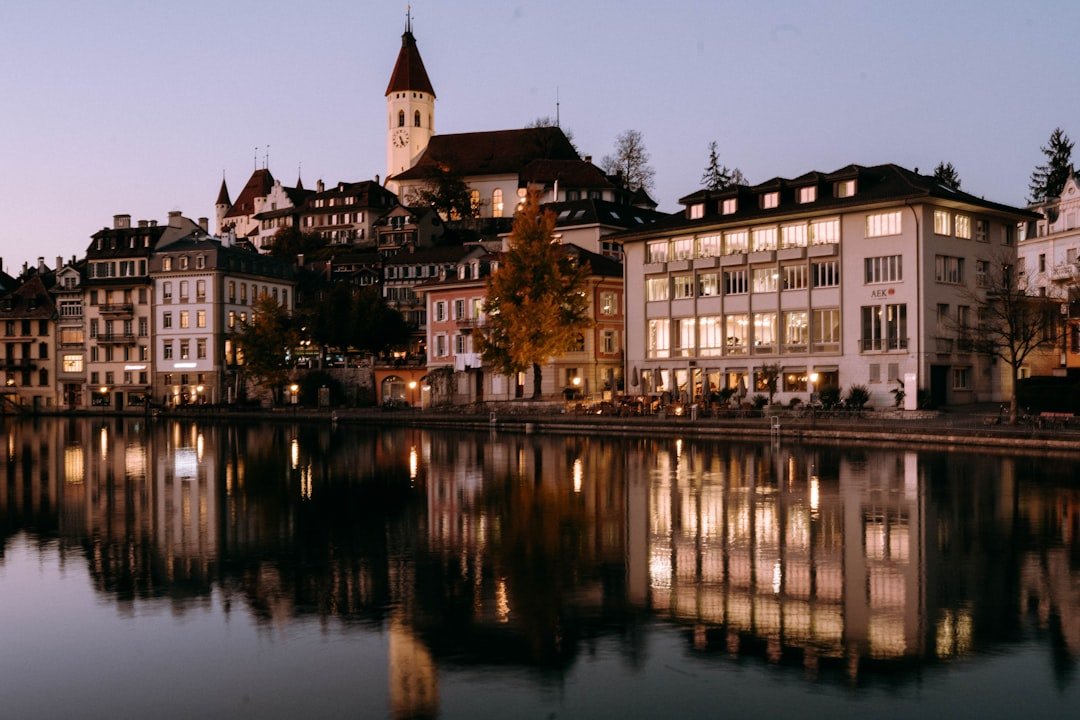
Allow at least two to three hours for Chur Old Town if this is your first visit. The historic center is largely traffic-free, and the most useful walking sequence is to connect the Obertor, Arcas square, St. Martin’s Church, the Episcopal Court, and the Cathedral of the Assumption rather than wandering without a route.
Chur Tourism traces settlement in the area back more than 13,000 years. The present Cathedral of the Assumption was built during the 12th and 13th centuries and stands above the Old Town within the Episcopal Court. Inside, the late-Gothic high altar and other medieval details make it one of the city’s most important heritage stops.
Arcas is a good place to slow the pace. The square sits among historic houses and cafés, while the nearby lanes contain shops, restaurants, galleries, and small cultural attractions. If you prefer guided context, Chur Tourism also operates public Old Town tours on selected dates.
If your visit lasts only one day, continue from the Old Town toward Brambrüesch when the mountain railway is operating and the weather is suitable. That gives you both sides of Chur in one day: the historic city below and the Alpine landscape immediately above it.
Is Arosa a Good Day Trip From Chur?
Yes. Arosa is one of the easiest full-day additions to a Chur itinerary because the Rhaetian Railway’s Arosa Line runs directly from Chur. The route is 26 km long, gains about 1,000 meters in elevation, and takes approximately 1 hour 3 minutes each way. No seat reservation is normally required on the regular Arosa Line.
The train first travels through Chur before climbing into the Schanfigg landscape and crossing the Langwieser Viaduct shortly before Arosa. Because the railway journey itself is part of the experience, you do not need to pack the day with multiple paid attractions.
In warmer months, use Arosa for lakeside walking or mountain hiking. In winter, skiing, snowboarding, and winter walking become the main reasons to visit. Families can also consider Arosa Bear Sanctuary, an animal-welfare project that provides a home for bears rescued from poor conditions. Access and activities can vary by season, so check the operating status before leaving Chur.
Best for: travelers who want an Alpine day without renting a car or committing to a strenuous hike.
Which Hikes Are Best Near Chur?
| Trail Name | Difficulty | Distance (km) | Elevation Gain (m) |
|---|---|---|---|
| Brambrüesch–Känzeli Pleasure Hike | Easy | 5.4 | 21 |
| Spundis Circular Hike | Moderate | 4.7 | 255 |
| Dreibündenstein Circular Hike | Moderate | 12.5 | 588 |
| Dreibündenstein Panoramaweg | Moderate | 12 | 700 |
For hiking from Chur, start with Brambrüesch rather than traveling across Switzerland to unrelated famous trails. The mountain railway takes you from the city toward Chur’s local mountain, where several routes begin close to the upper station.
The Brambrüesch–Känzeli Pleasure Hike is the easiest option in this table. It is about 5.4 km and is primarily a descent, with only about 21 meters of climbing. The Spundis Circular Hike is still compact at 4.7 km but adds more climbing and narrower trail sections.
For a longer mountain day, the Dreibündenstein routes give you broader Alpine views. The 12.5-km circular hike returns to Brambrüesch, while the 12-km Panoramaweg continues toward Feldis and requires planning the return journey. Snowfields can remain on higher sections into summer, so check trail and lift conditions before committing to a long route.
Best for: Brambrüesch–Känzeli for an easier half-day, Spundis for a shorter active outing, and Dreibündenstein for travelers who have a full hiking day and appropriate footwear.
Should You Ride the Rhaetian Railway From Chur?
Yes, especially if scenic rail is one of the reasons you chose Chur. However, distinguish between the Rhaetian Railway network and the UNESCO-listed railway property. The Albula and Bernina lines have been part of the UNESCO World Heritage list since 2008; the entire RhB network is not one UNESCO site.
The best-known option is the Bernina Express. RhB states that the route from Chur toward Tirano crosses 196 bridges and passes through 55 tunnels, including the section over the Landwasser Viaduct and onward through the Albula and Bernina landscapes. RhB currently lists Chur to Tirano at approximately four hours, so allow a full travel day and remember that Tirano is in Italy.
If your goal is simply to enjoy mountain rail scenery and return to Chur without spending most of the day in transit, the Arosa Line or a shorter regular RhB excursion may fit better. If the Bernina Express is a major trip goal, use Chur as the starting point and consider continuing onward rather than forcing a rushed same-day return.
2026 service note: RhB has announced that Bernina Express trains 951 and 952 are scheduled to use a Vereina diversion from October 29 through November 13, 2026 because of engineering work. Travelers during that period should check the current timetable before departure.
[VERIFY: add an internal link here to the site’s indexed Bernina Express price and Swiss Pass coverage guide after confirming its current canonical URL in WordPress.]
Is Bündner Herrschaft Worth Adding for Wine Tasting?
Yes, if wine and village scenery interest you more than another mountain excursion. Bündner Herrschaft lies north of Chur and is one of the warmest wine-growing areas in German-speaking Switzerland. It is particularly associated with Pinot Noir, also called Blauburgunder.
The main wine villages are Fläsch, Maienfeld, Jenins, and Malans. Malans and Maienfeld are especially practical for rail travelers because they can be reached by train, while local buses connect other parts of the wine area.
Do not assume every winery accepts walk-in tastings. Opening days, tasting formats, harvest work, and private events can affect availability. Choose one or two producers, confirm current tasting arrangements before leaving Chur, and leave enough time to walk through the vineyards or village streets rather than treating the outing as a rapid tasting circuit.
Best for: couples, food-and-wine travelers, and visitors wanting a lower-effort day between mountain excursions.
Should You Visit Tamina Therme From Chur?
Tamina Therme works well as a half-day or evening addition when you want a recovery day. It is in Bad Ragaz, north of Chur, and uses thermal spring water that emerges at a constant 36.5°C.
The complex includes indoor and outdoor thermal pools, whirlpool areas, a sauna world, relaxation spaces, and bookable massage and wellness treatments. Current opening hours and admission vary by day and by whether you use only the thermal-bath area or add the sauna facilities, so check the official schedule before traveling.
Bad Ragaz has direct rail connections from Chur. That makes the spa easier to combine with a Bündner Herrschaft outing than with Arosa, which lies in the opposite direction.
Best for: a rest afternoon after hiking, a rainy-weather alternative, or the final day of a slower Chur stay.
How Should You Finish Your Chur Itinerary?
The most efficient Chur trip keeps the city at the center instead of using it only as a place to sleep before a train. Spend your first day in the Old Town and on Brambrüesch, add Arosa if you have a second day, then choose your extra days according to interest. Rail enthusiasts should prioritize the Bernina Express or another RhB route, while food-and-wellness travelers can combine Bündner Herrschaft with Bad Ragaz.
Before departure, check the current SBB/RhB timetable, mountain-railway status, and weather for any outdoor day. If you are staying at a participating accommodation, also activate or collect your Chur Guest Card before buying local transport or participating-attraction tickets.
Frequently Asked Questions About a Chur Itinerary
Is Chur worth visiting?
Yes. Chur is worth visiting if you enjoy historic centers, mountain scenery, and scenic rail travel. Its largely traffic-free Old Town can be explored in a few hours, while Brambrüesch, Arosa, the Rhaetian Railway, Bündner Herrschaft, and Bad Ragaz make Chur a practical base for longer stays in Graubünden.
How many days do you need in Chur?
One day is enough for Chur’s main historic sights and a short additional activity, while two days lets you add Arosa without rushing. Three or four days work better if you also want a substantial Brambrüesch hike, a long scenic-rail journey, wine country, or time at Tamina Therme.
What is Chur known for?
Chur is best known as Switzerland’s oldest city and the capital of Graubünden. Visitors come for its historic Old Town, the Cathedral of the Assumption, direct access to Brambrüesch, and its position as a rail hub for routes including the Arosa Line, Bernina Express, and Glacier Express connections.
How long is the train from Chur to Arosa?
The Rhaetian Railway’s Arosa Line takes approximately 1 hour 3 minutes from Chur to Arosa. The 26-km route climbs about 1,000 meters in elevation and crosses the Langwieser Viaduct near Arosa. Regular Arosa Line trains use free seating and normally do not require a seat reservation.
Can you take the Bernina Express from Chur?
Yes. Chur is one of the starting points for the Bernina Express toward Tirano in Italy. RhB currently lists the Chur–Tirano journey at approximately four hours. Because the route is long and crosses an international border, plan it as a full travel day or an onward journey rather than a short excursion.