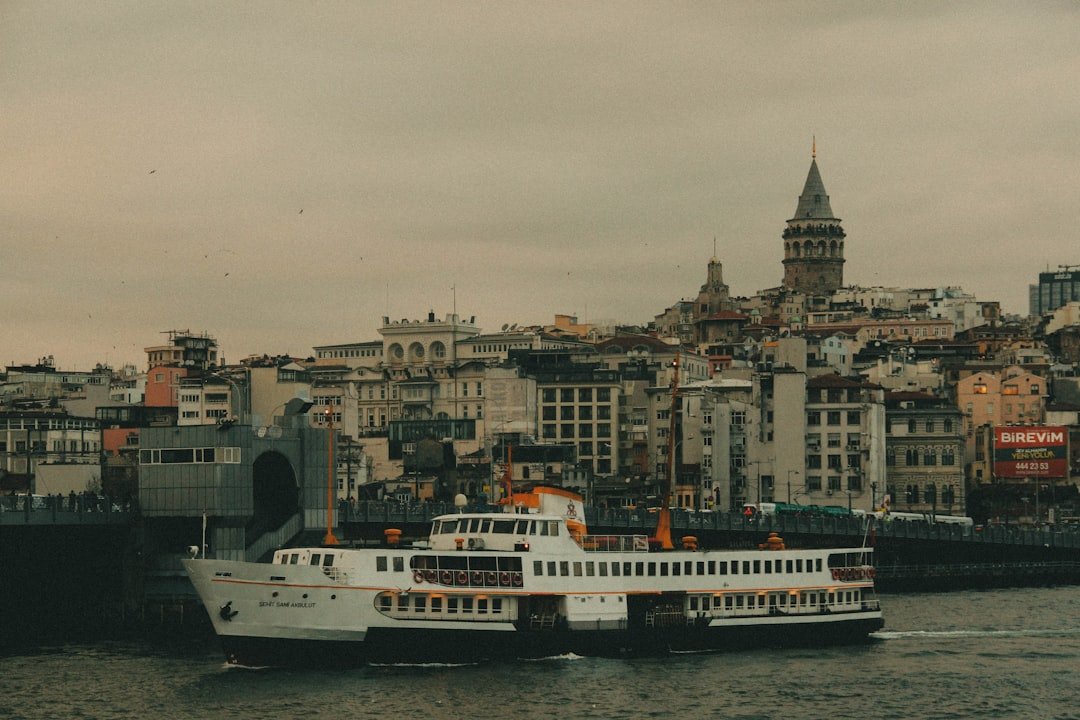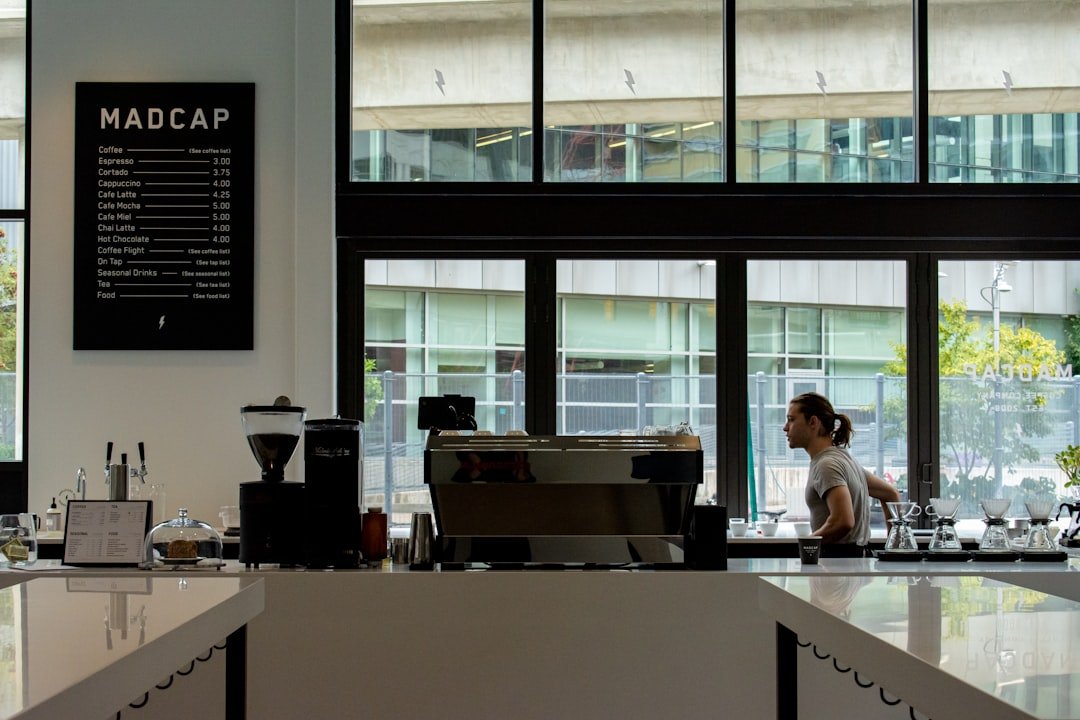
Kadıköy is one of Istanbul’s easiest neighborhoods for exploring more than one side of the city’s coffee culture. Around the historic market, Moda, Caferağa, and Yeldeğirmeni, you can move from traditional Turkish coffee to espresso, pour-over, cold brew, and locally roasted specialty coffee without traveling far. The best choice depends less on finding one universally “best” café and more on deciding what kind of coffee and atmosphere you want.
Quick Answer
Kadıköy is a strong coffee destination because traditional Turkish coffeehouses sit alongside modern specialty roasters. For a first visit, combine a classic Turkish coffee in the Çarşı with espresso or filter coffee in Moda or Yeldeğirmeni. Café branches and opening hours change, so check each venue’s official page before visiting.
Key Takeaways
- Kadıköy offers both traditional Turkish coffee and modern specialty-coffee experiences.
- Useful areas to explore include Kadıköy Çarşı, Moda/Caferağa, and Yeldeğirmeni/Rasimpaşa.
- Current coffee-focused options include Montag, Coffee Manifesto, Kronotrop Moda, Story Coffee Roasters, and Fazıl Bey’in Türk Kahvesi.
- Menus commonly include espresso drinks, filter coffee, Turkish coffee, cold coffee, tea, desserts, and light food, although selections vary by café.
- Turkish coffee culture was inscribed on UNESCO’s Representative List of the Intangible Cultural Heritage of Humanity in 2013.
Where to Drink Coffee in Kadıköy
Kadıköy has enough cafés that a useful guide should match places to different preferences instead of declaring a single winner. The venues below are currently supported by official business or store information, but branches, hours, menus, and seating arrangements can change.
| Coffee shop | Area | Good for | What to look for |
|---|---|---|---|
| Montag Coffee Roasters | Kadıköy / Moda | Specialty coffee | Espresso, filter coffee, Japanese iced coffee, and seasonal drinks |
| Coffee Manifesto | Kadıköy / Yeldeğirmeni | Roasted coffee and modern brewing | Single-origin coffee, espresso, and filter options |
| Kronotrop Moda | Moda | A broad specialty-coffee menu | Espresso, filter coffee, cold coffee, and rotating beans |
| Story Coffee Roasters | Moda / Yeldeğirmeni | Coffee with food or a longer stop | Roasted coffee, espresso, pour-over, breakfast, and desserts |
| Fazıl Bey’in Türk Kahvesi | Kadıköy Çarşı | A traditional Turkish-coffee stop | Turkish coffee and a more traditional coffeehouse experience |
Montag Coffee Roasters
Montag is a useful choice when you want to focus on the coffee itself. Its current menu includes espresso-based drinks, filter coffee, cold brew-style choices, and Japanese iced coffee. Montag states that it served its first coffee in Kadıköy in 2015 and later developed its own roasting operation.
If you normally drink lattes or cappuccinos but want to explore specialty coffee, ask which filter bean is being served that day. A filter coffee can make differences in origin, processing, acidity, sweetness, and aroma easier to notice than a milk-heavy drink.
Coffee Manifesto
Coffee Manifesto is closely associated with Kadıköy’s modern specialty-coffee scene and operates in areas including Yeldeğirmeni and Moda. The company describes itself as an Istanbul roaster working with traceable specialty beans and modern roasting techniques.
This is a good type of café to visit when you want to compare an espresso drink with a hand-brewed or filter coffee. If the menu lists several origins, ask the barista which one is more chocolate-forward, fruity, floral, or low in acidity rather than choosing only by country name.
Kronotrop Moda
Kronotrop’s official store directory currently lists a Moda location. It suits visitors who want a recognizable specialty-roaster experience with espresso, brewed coffee, and cold options. Because menus and available beans rotate, the most interesting choice may be the coffee being highlighted on the day you visit rather than a permanent signature drink.
Story Coffee Roasters
Story combines coffee with a fuller café experience. Its Kadıköy presence dates back to the 2010s, and the brand currently operates around Moda and Yeldeğirmeni. It is useful when one person wants specialty coffee while someone else wants breakfast, a pastry, dessert, tea, or another café drink.
Fazıl Bey’in Türk Kahvesi
For a more traditional counterpoint to Kadıköy’s specialty cafés, Fazıl Bey’in Türk Kahvesi in the historic market area is a better fit. Order Turkish coffee if you want to experience the preparation style that helped make coffee a major part of Ottoman and Turkish social life.
Pro Tip: Do not try to judge Kadıköy’s coffee scene from only one café. Pair one traditional Turkish coffee stop with one specialty roaster. The contrast between the brewing methods is part of what makes the neighborhood interesting for coffee drinkers.
The History of Coffee in Kadıköy
Kadıköy’s coffee culture is best understood as part of Istanbul’s much larger coffee story. According to Türkiye’s Ministry of Culture and Tourism, Turkish coffee culture reaches back to the 16th century, when coffee began to be served in Istanbul coffeehouses. Historical records differ slightly on the exact date, but Ministry research discusses the first Istanbul coffeehouses appearing around the early-to-mid 1550s.
Those early coffeehouses were not simply places to buy a drink. They became social spaces where people met, talked, read, exchanged news, and spent leisure time. That social function is one reason coffee became so deeply connected with everyday life in Istanbul and across the Ottoman world.
The evidence is stronger for Istanbul as a whole than for claims that Kadıköy itself served as a uniquely important coffee-distribution center. What can be said safely is that today’s Kadıköy cafés continue a much older Istanbul tradition of using coffee spaces for conversation and social life while adding modern roasting and brewing practices.
Note: UNESCO inscribed Turkish coffee culture and tradition on the Representative List of the Intangible Cultural Heritage of Humanity in 2013, recognizing both its distinctive preparation and its social traditions.
Turkish Coffee and Specialty Coffee in Kadıköy
One reason Kadıköy is interesting for coffee drinkers is that traditional and modern methods exist side by side. You can drink coffee prepared in a cezve and then walk to another café for an espresso, flat white, V60-style pour-over, cold brew, or another specialty preparation.
Turkish coffee
Turkish coffee uses very finely ground roasted coffee. The coffee is combined with cold water and, if desired, sugar in a cezve and heated slowly so foam develops. It is poured into a small cup without filtering out the fine grounds, which settle at the bottom.
UNESCO describes Turkish coffee not only as a preparation method but also as a social tradition connected with hospitality, friendship, conversation, celebrations, and family life. It is therefore worth trying even if you normally prefer espresso-based drinks.
Espresso drinks
Espresso is the base for drinks such as Americano, cappuccino, flat white, and latte. Choose these when you prefer a concentrated coffee or enjoy milk with your drink. A cappuccino or flat white can be an easy entry point if a straight espresso feels too intense.
Pour-over and filter coffee
Modern Kadıköy roasters often serve filter coffee made from beans identified by origin, producer, processing method, or flavor profile. These coffees can taste very different from the dark, heavy flavor some people associate with coffee.
The Specialty Coffee Association defines specialty coffee around distinctive attributes and the extra value those qualities create. The term does not simply mean that a coffee was made with a V60 or another fashionable brewer.
Cold brew and other cold coffee
Cold brew is extracted with cool or room-temperature water over a relatively long period, producing a different profile from coffee brewed hot and then chilled. Some Kadıköy cafés also offer Japanese iced coffee, iced espresso drinks, espresso tonic, and occasionally nitro-style cold coffee. Availability varies with the café and season.
How to Choose What to Order
If a long coffee menu feels confusing, start with the flavor and texture you already enjoy:
- For a traditional experience: order Turkish coffee.
- For a small and intense drink: choose espresso.
- For espresso with milk: try a cappuccino, flat white, or latte.
- For clearer origin flavors: ask about the day’s filter or pour-over coffee.
- For something refreshing: look for cold brew, Japanese iced coffee, or an iced espresso drink.
- If you avoid coffee: many cafés also sell tea, chocolate drinks, matcha, lemonade, or other seasonal beverages.
Do not worry about knowing coffee vocabulary before ordering. A useful question is simply, “Which coffee would you recommend if I like something chocolatey and low in acidity?” or “Which one is fruity and light?” A good barista can usually narrow the menu quickly.
The Role of Coffee Shops in Kadıköy’s Community
Coffee shops in Kadıköy work as meeting places as much as beverage businesses. Friends meet before dinner, students read or work, freelancers open laptops, and visitors stop between the market, shops, waterfront, and cultural venues.
This social role has deep historical roots. UNESCO’s description of Turkish coffee culture emphasizes coffeehouses as places where people converse, share news, and read. Modern Kadıköy cafés look different from Ottoman coffeehouses, but the basic idea of using coffee as a reason to meet has survived.
The experience varies greatly by venue. A tiny specialty bar may be designed for a short coffee stop, while a larger café with food, Wi-Fi, and wider tables may be better suited to working or spending an hour with friends. Avoid assuming every coffee shop welcomes long laptop sessions simply because it has Wi-Fi.
Sustainability is also part of the conversation around modern specialty coffee. Some roasters publish information about coffee origins, producers, processing, or sourcing. If those issues matter to you, look for specific sourcing information rather than relying on vague words such as “ethical” or “sustainable” without supporting details.
Coffee, Art, and Culture in Kadıköy
Kadıköy’s cafés sit within one of Istanbul’s busiest cultural districts, so coffee naturally overlaps with reading, design, music, writing, and informal creative work. You may see people sketching, reading, editing photos, or discussing projects at café tables, especially in Moda and Yeldeğirmeni.
That does not mean every café is an art gallery or regularly hosts performances. Event schedules change, and claims about a specific venue’s exhibitions, concerts, workshops, or open-mic nights should be checked directly with that business. What is more consistent is the role of cafés as informal spaces where people spend time before or after other cultural activities.
If atmosphere matters as much as the drink, walk a few streets before choosing. A compact coffee bar, a garden café, and a traditional market coffeehouse can offer very different experiences even when they are only minutes apart.
Best Areas for a Kadıköy Coffee Walk
Kadıköy Çarşı
The market and surrounding streets are the best starting point if you want to combine coffee with food shopping, restaurants, bakeries, and the historic center of Kadıköy. This is also a logical area for trying traditional Turkish coffee before exploring newer specialty cafés.
Moda and Caferağa
Moda and Caferağa have a dense mix of coffee shops, bakeries, dessert shops, restaurants, and residential streets. This area works well if you want to compare several modern cafés on foot and then continue toward the waterfront.
Yeldeğirmeni and Rasimpaşa
Yeldeğirmeni, uphill from the ferry and transport connections, has developed a strong café and independent-business scene. Coffee Manifesto and Story both have connections to this side of Kadıköy, making it useful for visitors who want to explore beyond the busiest Moda streets.
A simple first-time route is to start in the Çarşı with Turkish coffee, continue through Caferağa or Moda for specialty coffee, and save Yeldeğirmeni for a second stop or another day if you prefer a slower pace.
Coffee Shop Etiquette in Kadıköy
Kadıköy cafés are generally informal. You do not need complicated etiquette, but a few habits make the experience smoother.
A friendly “Merhaba” when ordering is always useful. Some cafés use counter service, while others take orders at the table, so watch what other customers are doing if the system is not obvious.
Taking time over coffee is normal, especially when meeting friends. However, if a small café is full, avoid occupying a large table for hours with one drink unless the venue clearly encourages laptop work. Peak periods and policies vary from one business to another.
Credit and debit cards are widely accepted across Istanbul, including at many modern coffee shops, but keeping some Turkish lira available is still useful for small purchases or places with temporary payment-system problems.
2026 payment note: Türkiye’s Ministry of Trade announced that restaurants, cafés, patisseries, and similar businesses cannot require extra service, table, or cover charges under the January 2026 amendment it described. Extra payments such as tips are voluntary. You can still leave a tip when you want to reward good service.
If you plan to use a laptop, look for a café with suitable tables and power outlets rather than assuming every specialty coffee shop doubles as a workspace. Ordering another drink or some food during a long stay is also considerate.
Food and Non-Coffee Options
You do not need to be a dedicated coffee drinker to enjoy Kadıköy’s café scene. Many cafés serve pastries, cakes, sandwiches, breakfast dishes, or other light food. Larger café-restaurants such as Story also make it easier to combine a coffee stop with a full breakfast or longer meal.
Non-coffee options vary but commonly include tea, hot chocolate, herbal drinks, cold beverages, and seasonal specialties. Checking the current menu is especially useful if you need vegan, vegetarian, dairy-free, or other specific food options.
The Future of Coffee in Kadıköy
Kadıköy’s coffee culture is likely to remain a mix rather than move completely toward one style. Traditional Turkish coffee still has strong cultural meaning, while contemporary roasters continue to introduce customers to different origins, roasting approaches, espresso recipes, and filter methods.
The strongest modern cafés increasingly compete on more than décor. Bean quality, freshness, barista skill, sourcing transparency, food, service, and the usefulness of the space all affect whether customers return.
At the same time, there is little reason to treat traditional and specialty coffee as rivals. A cezve and a pour-over brewer represent different ways of preparing and experiencing coffee. Kadıköy is particularly useful for visitors because both traditions can be explored within the same district.
Frequently Asked Questions
What are some popular coffee shops in Kadıköy?
Current options worth considering include Montag Coffee Roasters, Coffee Manifesto, Kronotrop Moda, Story Coffee Roasters, and Fazıl Bey’in Türk Kahvesi. They cover different experiences, from modern specialty coffee to traditional Turkish coffee. Check official locations and hours before visiting because branches can change.
What types of coffee can I find in Kadıköy coffee shops?
You can find Turkish coffee, espresso, Americano, cappuccino, flat white, latte, filter coffee, pour-over, cold brew, iced coffee, and other specialty drinks. The exact menu depends on the café and season.
Do Kadıköy coffee shops offer non-coffee drinks?
Yes. Many cafés serve tea, hot chocolate, herbal drinks, lemonade, matcha, and other hot or cold beverages. Menus differ, so check the venue if you need a specific drink.
Are there coffee shops in Kadıköy with outdoor seating?
Yes. Outdoor tables, terraces, and garden seating are available at a number of Kadıköy cafés, especially around Moda and Caferağa. Seating can be limited or seasonal, so current venue information is the best guide.
Do Kadıköy coffee shops offer food?
Many do. Depending on the café, you may find pastries, cakes, croissants, sandwiches, breakfast dishes, desserts, or other light meals. Coffee-focused bars may have a smaller food selection than larger café-restaurants.
Which part of Kadıköy is best for coffee?
Kadıköy Çarşı is useful for traditional coffee and the historic market atmosphere. Moda and Caferağa have a high concentration of modern cafés, while Yeldeğirmeni is a good choice for specialty coffee and a neighborhood feel. All three areas can fit into a coffee-focused visit.
Can I pay by card, and do I need to tip?
Cards are widely accepted in Istanbul and at many Kadıköy cafés, although carrying a little Turkish lira is useful. Tipping is voluntary. Türkiye’s Ministry of Trade stated in January 2026 that cafés and similar businesses cannot require extra service, table, or cover charges under the cited pricing-rule change.
Sources
- UNESCO — Turkish Coffee Culture and Tradition — Turkish coffee preparation, social role, and 2013 inscription.
- Republic of Türkiye Ministry of Culture and Tourism — Turkish Coffee Culture and Tradition — history of coffeehouses and traditional preparation.
- Specialty Coffee Association — What Is Specialty Coffee? — current definition of specialty coffee.
- Kronotrop — Official Stores — current Moda branch information.
- Montag Coffee Roasters — current Kadıköy/Moda coffee information and brand history.
- Republic of Türkiye Ministry of Trade — 2026 Price Label Regulation Update — voluntary tipping and restrictions on mandatory service, table, and cover charges.