Last updated: July 23, 2026
The best day trips from Gstaad range from five-minute regional train rides to ambitious rail journeys that take most of the day. Saanen and Lauenen are best for easy local escapes, Glacier 3000 delivers high-alpine scenery, Gruyères combines cheese with medieval history, Montreux offers Lake Geneva and Chillon Castle, and Zermatt is a long but memorable Matterhorn trip.
Quick Answer
Choose Saanen for the easiest half-day trip, Lauenen for lakes and waterfalls, Glacier 3000 for dramatic mountain views, Gruyères for cheese and medieval streets, or Montreux for Lake Geneva and Chillon Castle. Visit Zermatt only if you can accept roughly four hours of rail travel each way.
Key Takeaways
- Saanen is the easiest choice for a short village walk, heritage architecture, coffee, and lunch.
- Lauenen and Lake Lauenen suit nature lovers, but lake access, buses, roads, and trails vary by season.
- Glacier 3000 is highly weather dependent, so check live lift, activity, visibility, and wind conditions before buying tickets.
- Gruyères is the strongest food-and-history trip, with a medieval center, castle, and cheese dairy.
- Montreux and Chillon Castle make a comfortable full-day rail trip with lake scenery and indoor attractions.
- Zermatt is possible but demanding. An overnight stay is usually better if you want both the village and a mountain railway.
Best Day Trips From Gstaad at a Glance
The travel times below are approximate. Swiss timetables, engineering work, seasonal services, and connection patterns can change, so check your exact date and departure time in the SBB journey planner.
| Day Trip | Best Use, Typical Travel and Planning Notes |
| Saanen | Best for: chalet architecture and a relaxed village walk. Typical rail time: about 5 minutes each way. Trip length: 2–4 hours. Best season: year-round. |
| Lauenen and Lake Lauenen | Best for: nature, waterfalls, lake walks, and quieter scenery. Transport: regional bus, seasonal lake bus, bicycle, car, or hiking route. Trip length: half to full day. Best season: late spring through autumn for the easiest lake access. |
| Glacier 3000 | Best for: cable cars, the Peak Walk, glacier scenery, and high-elevation views. Transport: bus or car to Col du Pillon, then cable car. Trip length: half to full day. Best season: clear-weather days in any operating season. |
| Gruyères | Best for: cheese, fondue, castle history, and a pedestrian medieval center. Typical rail time: about 1 hour 40 minutes each way, depending on the connection. Trip length: full day. Best season: year-round. |
| Montreux and Chillon Castle | Best for: Lake Geneva, scenic rail travel, a promenade, and castle interiors. Typical rail time: about 1½ hours to Montreux, followed by local transport to Chillon. Trip length: full day. Best season: year-round, with longer daylight and boat options in warmer months. |
| Zermatt | Best for: travelers with a specific Matterhorn or Gornergrat goal. Typical rail time: approximately 4 hours each way, usually with transfers. Trip length: exceptionally long full day. Best season: a clear-weather day; an overnight stay is usually more enjoyable. |
Warning: Mountain weather, snow, wind, trail conditions, road access, and lift operations can change quickly. Check the official live report on the morning of your trip, carry warm layers, and do not continue onto a trail or exposed viewpoint when conditions are unsafe.
Saanen: The Easiest Half-Day Trip From Gstaad
Saanen is the easiest day trip from Gstaad when you want a short outing with strong local character. The rail ride normally takes only a few minutes, making it practical for a slow morning, an afternoon walk, or a meal outside Gstaad.
The protected village center is known for historic wooden buildings, traditional craftsmanship, a church, the Museum of the Saanen Countryside, and chalets dating from the 15th century. You can review current attractions on the official Saanen village page.
A simple half-day plan is to arrive in the morning, walk through the historic center, visit an open museum or cultural attraction, stop for coffee or lunch, and return to Gstaad. Because the journey is so short, you do not need to build your entire day around transport.
Choose Saanen when: you want heritage architecture, a gentle pace, an easy family outing, or a useful option on a day with mixed weather.
Choose somewhere else when: your main goal is a mountain summit, glacier, long hike, or major museum.
Lauenen and Lake Lauenen: Best for Nature Close to Gstaad
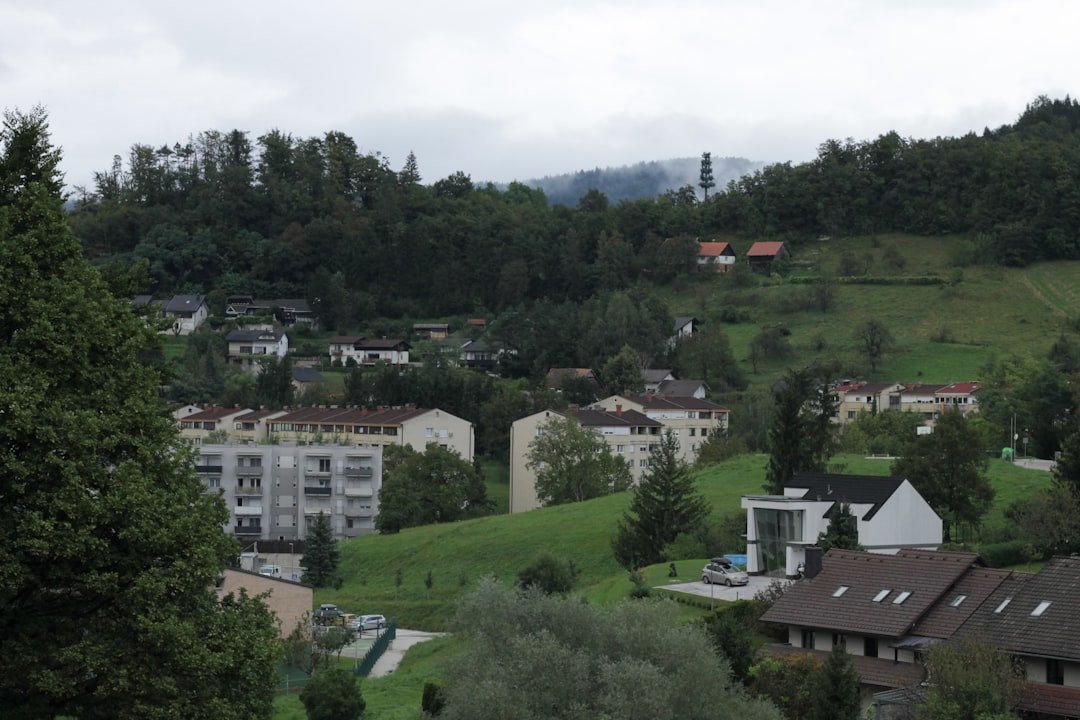
Lauenen is a better choice when you want a quiet nature day. The village and nearby Lake Lauenen suit travelers who prefer alpine meadows, waterfalls, protected landscapes, and walking routes over shopping or museum stops.
Lake Lauenen lies about 4 kilometres beyond the village at an elevation of approximately 1,381 metres. The nature reserve includes a circular walking route and views toward the Tungelschuss and Geltenschuss waterfalls.
Access changes by season. In 2026, PostBus route 181 to Lauenensee is scheduled to run daily from May 14 through October 25. Future operating periods may differ, so check the current PostBus route information before leaving.
Drivers should know that parking near the lake is paid and limited. The access road may close when the parking area is full, and the upper road closes in winter. Walking, cycling, or using public transport is usually less stressful during busy summer periods.
Bring shoes with reliable grip, drinking water, sun protection, and a warm or waterproof layer. Dogs must remain on a leash in the protected area. Families can enjoy the lake, but parents should select a route that matches the youngest walker’s ability rather than assuming every trail is stroller-friendly.
Pro Tip: Overnight guests who receive the Gstaad Card can use designated regional trains and buses free of charge from their first night, including seasonal transport between Gstaad and Lauenensee. The card does not automatically cover complete journeys to distant destinations such as Montreux or Zermatt.
Choose Lauenen when: you want a half-day village visit, a relaxed lake outing, photography, or a longer walk in clear weather.
Allow more time when: you plan to walk from Lauenen village to the lake instead of using seasonal transport.
Glacier 3000: Best for Big Alpine Views
Glacier 3000 is the strongest day trip from Gstaad if you want cable cars and high-alpine scenery without planning a technical summit climb. The attraction reaches elevations near 3,000 metres and includes the Peak Walk by Tissot, glacier views, panoramic terraces, and seasonal activities.
The Peak Walk is a suspension bridge linking two mountain points near Scex Rouge. Some attractions, including the Alpine Coaster, Glacier Walk, restaurants, and individual lifts, may close because of wind, snow, maintenance, or visibility.
Weather should decide whether you go. Check the official live openings, webcams, and forecast before buying a nonrefundable ticket or committing most of the day.
You can reach Col du Pillon by regional bus or car and continue by cable car. The Gstaad Card includes designated regional bus travel to Col du Pillon, but it does not normally include the Glacier 3000 cable-car ticket.
Temperatures at the top can be much colder than in Gstaad. Carry a warm layer, wind protection, sunglasses, sunscreen, and suitable shoes even when the valley feels mild.
Choose Glacier 3000 when: visibility is good and you want a high-elevation highlight, cable-car experience, or dramatic mountain photos.
Postpone it when: the summit is hidden in cloud, strong wind affects exposed areas, or the main lifts and activities you want are closed.
Gruyères: Best for Cheese, Fondue, and Medieval Streets
Gruyères is one of the best food-and-history day trips from Gstaad. The hilltop center is pedestrianized and contains cobbled streets, traditional buildings, restaurants, museums, and the Château de Gruyères.
At the foot of the hill in Pringy, La Maison du Gruyère combines a working cheese dairy with a visitor exhibition. Train travelers can normally reach Gruyères with a change at Montbovon, but the exact pattern depends on the departure.
A balanced day begins at Maison du Gruyère, continues uphill to the medieval center and castle, and leaves enough time for lunch. Trying to combine every museum, a long meal, Broc, and a chocolate-factory visit can make the day rushed.
If you add Broc, check the train or bus connection, attraction reservation requirements, and closing time before leaving Gstaad. Book popular activities in advance during weekends and school-holiday periods.
Choose Gruyères when: food, history, photography, and compact pedestrian sightseeing matter more than mountain lifts.
Rainy-day value: Gruyères remains useful in unsettled weather because the castle, museums, dairy exhibition, shops, and restaurants provide indoor options.
Montreux and Chillon Castle: Best for Lake Geneva Scenery
Montreux makes a rewarding full-day trip from Gstaad because it replaces alpine meadows with Lake Geneva, palm-lined waterfront areas, town attractions, and views across the lake. The rail journey itself is part of the experience as the route descends toward the Lake Geneva region.
A practical itinerary is to spend the morning in Montreux, have lunch near the promenade, and continue to Chillon Castle in the afternoon. Avoid leaving the castle until the final hour because the complete visit takes time.
From Montreux, you can reach Chillon by regional train to Veytaux-Chillon, bus 201, seasonal boat, bicycle, or the lakeside walking route. The official castle guidance estimates that the waterfront walk from Montreux is about 4 kilometres.
From April through September, Chillon Castle currently opens from 9:00 a.m. to 7:00 p.m., with final admission at 6:00 p.m. Shorter hours apply during other months, and the castle closes on December 25 and January 1. Always confirm the current visitor information before traveling.
Choose Montreux and Chillon when: you want a scenic rail day, lakeside walking, indoor history, and a different landscape from Gstaad.
Allow a full day: squeezing Montreux, lunch, onward transport, and the castle into a few free hours will feel rushed.
Zermatt: Best for the Matterhorn, but Only With an Early Start
Zermatt is the most ambitious day trip from Gstaad. Typical public-transport journeys take about four hours each way and usually involve transfers. That can mean eight hours or more on trains before adding time in the village or on a mountain railway.
The car-free town is famous for the Matterhorn and mountain excursions such as the Gornergrat Railway. The cogwheel railway climbs from Zermatt to approximately 3,089 metres and provides elevated views of the Matterhorn, surrounding peaks, and glaciers when visibility is good.
Choose one main goal. A realistic day trip might include a village walk and a Matterhorn viewpoint, or the Gornergrat Railway followed by a brief meal before returning. Trying to combine Gornergrat, a long hike, museums, shopping, and several cable cars is unlikely to be enjoyable.
Note: Families can visit Zermatt, but the long return journey may be tiring for young children. Travelers who want a relaxed village visit, hiking, and a mountain railway should stay overnight rather than treating Zermatt as a rushed day trip.
If you are driving, private petrol and diesel vehicles do not continue into central Zermatt. Most drivers park outside the resort, commonly in Täsch, and finish the journey by train.
Choose Zermatt when: seeing the Matterhorn is a major personal priority, the weather is clear, and you are comfortable with an exceptionally long rail day.
Stay overnight when: you want more than one mountain excursion, are traveling with substantial luggage, want to hike, or prefer a slower pace.
Best Day Trips From Gstaad by Season
Spring
Saanen, Gruyères, Montreux, and Chillon Castle are dependable choices because they include village streets and indoor attractions. Higher trails and lake routes may still have snow, mud, or limited transport.
Summer
Summer offers the widest choice. Lake Lauenen, regional hiking routes, Glacier 3000, mountain biking, paragliding, and lakeside boat connections are easier to combine when services are operating and daylight is long.
Autumn
Early autumn can provide clear views and quieter villages, but cable cars, restaurants, buses, and mountain activities may reduce their schedules. Check the final operating date for every seasonal service.
Winter
Choose destinations according to snow and road conditions. Saanen, Gruyères, Montreux, and Chillon can work without mountain hiking. Glacier 3000 is attractive for snow scenery and skiing when lifts operate, while the upper road to Lake Lauenen is closed during winter.
Scenic Hiking Trails and Mountain Views Around Gstaad
You do not always need to leave the holiday region for a memorable day. Gstaad provides access to side valleys, mountain paths, bike routes, cable cars, and lake walks. Staying local also gives you more flexibility when the weather forecast is uncertain.
For a gentle outing, consider village routes around Saanen and Schönried, a suitable section near Wispile, or a short walk around Lake Lauenen when access and trail conditions allow. The official Lauenen-to-Lauenensee loop is approximately 9.1 kilometres and is classified as a moderate route rather than a casual paved stroll.
For a bigger outing, check the current status of routes such as Rinderberg–Horneggli, higher Wispile paths, Glacier 3000 trails, and marked mountain-bike tours. Do not judge difficulty from distance alone. Elevation gain, exposed ground, wet rock, snow, and altitude can make a short route demanding.
Use the official Gstaad hiking information to compare current route details, lift access, distance, elevation gain, and status.
Adventure Activities in the Swiss Alps
| Activity | Planning Requirements |
| Hiking | Routes range from short village walks to demanding alpine trails. Check distance, elevation, surface, exposure, route status, and the final return transport. |
| Mountain Biking | Use designated routes that match your braking, climbing, and trail skills. Confirm bicycle transport rules before taking a bike onto a train, bus, or lift. |
| Rock Climbing and Via Ferrata | Experience and equipment requirements vary by route. Beginners should book qualified instruction or a guide and should never enter a route without the correct safety equipment. |
| Paragliding | Tandem passengers normally follow the operator’s age, weight, mobility, clothing, and footwear rules. Flights depend on wind, visibility, launch conditions, and provider approval. |
Hiking and biking are flexible because you can adjust the route to your available time and fitness. Guided or airborne activities need firmer plans because equipment, insurance, weather policies, age limits, and cancellation terms vary among operators.
Book specialized activities with an established local provider. Ask what insurance is included, what clothing is required, how cancellations work, and whether the meeting point remains reachable if a lift or bus stops operating.
Culinary Delights and Local Cuisine
Food can shape your day trip as much as the scenery. Gruyères is the clearest choice for cheese culture, while Gstaad and the surrounding villages offer fondue, raclette, bakeries, dairy products, mountain restaurants, and seasonal regional menus.
Fondue and raclette can be satisfying after a cold-weather walk, but many restaurants serve them throughout the year. In warmer weather, consider picnic supplies, an outdoor terrace, or a lake-area lunch if facilities are open.
If your route includes Gruyères, reserve enough time for a proper meal rather than treating lunch as a ten-minute stop. Restaurant kitchens may close between lunch and dinner service, and opening days can vary outside peak periods.
Cultural and Historical Attractions
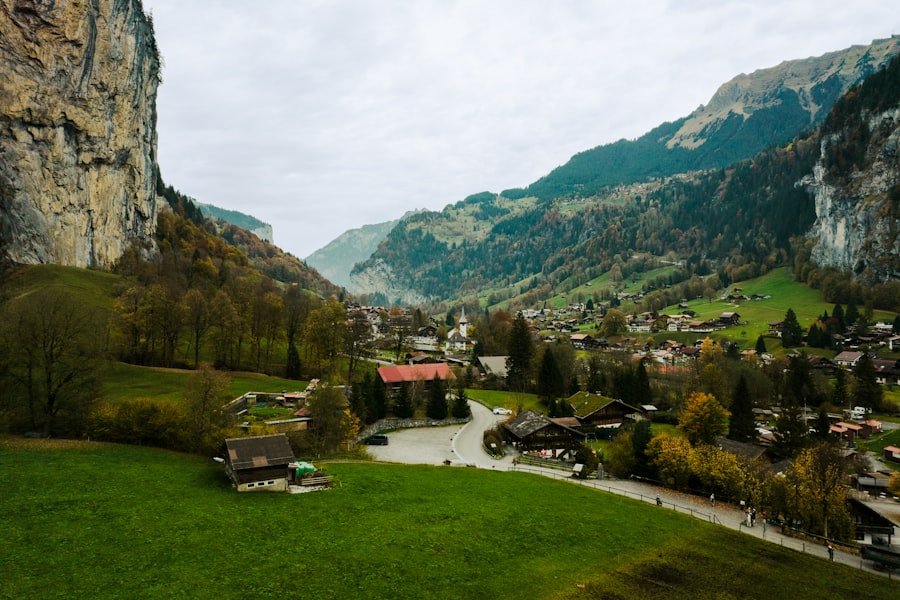
Culture-focused travelers should look beyond Gstaad’s luxury image. Saanen adds protected chalet heritage, a historic church, local museums, and a quieter village atmosphere. Gruyères offers a medieval center, castle collections, food history, and specialist museums.
Montreux and Chillon Castle add lakefront history and music heritage. Chillon is particularly useful on a mixed-weather day because much of the visit takes place inside the castle, although visitors still need to walk across uneven historic surfaces and stairs.
Gstaad also has a major events calendar. The 70th Menuhin Festival Gstaad runs from July 16 through September 5, 2026, with concerts in Gstaad and churches across the Saanenland. Check the official festival listing for current venues, dates, and ticket availability.
Wellness and Relaxation in the Alps
Not every day trip from Gstaad needs to be packed with transport and sightseeing. If your itinerary already includes long hikes, skiing, or full-day rail journeys, use one day for wellness, a slow village walk, or a short mountain-lake outing.
Hotels and resorts in the region may offer spa services, saunas, pools, and massage treatments. Day access is not guaranteed, so contact the property before arriving and ask whether advance reservations, age restrictions, or specific arrival times apply.
A relaxed day can pair well with Saanen, Lauenen village, a short cable-car ride, an easy walk, or a long lunch with valley views. This is often a better use of uncertain weather than committing to a distant mountain journey with poor visibility.
Which Day Trip From Gstaad Should You Choose?
- For the easiest trip: choose Saanen.
- For nature without a long rail transfer: choose Lauenen and Lake Lauenen.
- For the biggest high-alpine views: choose Glacier 3000 on a clear day.
- For cheese, museums, and medieval charm: choose Gruyères.
- For a lake-and-castle day: choose Montreux and Chillon Castle.
- For a bucket-list Matterhorn goal: choose Zermatt, but start very early or stay overnight.
- For uncertain weather: favor Saanen, Gruyères, Montreux, or Chillon over a visibility-dependent summit.
- For travelers with reduced mobility: compare station, vehicle, attraction, path, and lift accessibility before choosing the route.
Public Transport or Driving From Gstaad?
Public transport is the easiest option for Saanen, Gruyères, Montreux, Chillon Castle, and Zermatt. It removes parking concerns and lets the rail journey become part of the day. Check platform changes, transfer times, the final return departure, and any engineering work in SBB before leaving.
Driving can provide flexibility for Lauenen, Lake Lauenen, and Col du Pillon, but it does not remove seasonal restrictions. Lake Lauenen has limited paid parking and winter road closures. Zermatt is car-free, so drivers must park outside the resort and continue by train.
Travelers with wheelchairs, limited walking ability, strollers, or heavy luggage should use SBB’s accessibility filters and contact attractions directly. A destination being reachable by train does not mean every historic street, trail, viewpoint, or castle room is step-free.
Tips for Planning a Day Trip From Gstaad
- Check the weather first. Visibility matters most for Glacier 3000, Zermatt, Gornergrat, Wispile, and Lake Lauenen.
- Check the exact transport next. Confirm connections, transfer times, engineering work, and the final practical return service.
- Verify seasonal operations. Buses, boats, mountain lifts, restaurants, and trails may not run every day or throughout the year.
- Choose one main goal. A castle, mountain railway, long lunch, or hike can each consume several hours.
- Pack for changing conditions. Carry layers, water, sunglasses, sunscreen, and comfortable shoes with reliable grip.
- Reserve time for meals. Restaurant kitchens may have limited lunch hours, especially outside peak periods.
- Download tickets and directions. Mobile reception and battery life can become unreliable during a long outdoor day.
- Leave a return-time buffer. Do not plan to reach the final train, bus, cable car, or castle admission with only a few minutes to spare.
Useful Planning Resources
- Gstaad Card transport and guest benefits
- Official Lake Lauenen access information
- Glacier 3000 live openings and activity status
- Official Gruyères castle, museum, and dairy information
- Chillon Castle hours, prices, and transport
- SBB timetable and Swiss public-transport planner
If you are planning a visit to Gstaad and want more travel ideas, explore more destination guides on Tagline Today.
Frequently Asked Questions
What are the best day trips from Gstaad?
The best day trips from Gstaad are Saanen, Lauenen and Lake Lauenen, Glacier 3000, Gruyères, Montreux and Chillon Castle, and Zermatt. Choose Saanen for the easiest outing, Glacier 3000 for mountain views, Gruyères for food and history, Montreux for Lake Geneva, or Zermatt for a long Matterhorn-focused day.
Can you visit Montreux from Gstaad in one day?
Yes. The rail journey commonly takes about 1½ hours each way, depending on the departure. A full day gives you time for the Montreux promenade, lunch, onward transport, and a visit to Chillon Castle without rushing.
Is Gruyères worth visiting from Gstaad?
Yes. Gruyères is worth the trip if you enjoy cheese, fondue, castles, pedestrian village streets, museums, and traditional Swiss scenery. A full-day itinerary can combine Maison du Gruyère, the medieval center, the castle, and a relaxed meal.
Is Glacier 3000 worth a day trip from Gstaad?
Glacier 3000 is worth visiting when visibility is good and the main lifts and activities are operating. It is best for cable cars, the Peak Walk, glacier scenery, and high-elevation views. Check the official live report and webcam before buying tickets.
Is Zermatt too far for a day trip from Gstaad?
Zermatt is possible but exceptionally long. Public transport commonly takes about four hours each way, so the trip works best when you leave very early and choose one goal, such as a Matterhorn viewpoint or Gornergrat. Stay overnight for hiking or multiple attractions.
Can these day trips be done without a car?
Yes. Saanen, Gruyères, Montreux, Chillon Castle, Glacier 3000, Lauenen, and Zermatt can all be reached using trains, buses, or a combination of public transport and walking. Seasonal services and final connections should be checked before departure.
What is the best day trip from Gstaad in bad weather?
Gruyères and Chillon Castle are strong mixed-weather choices because they include indoor museums, historic rooms, shops, and restaurants. Saanen can also work for a short outing. Avoid paying for a high mountain excursion when cloud hides the views.
Does the Gstaad Card cover these day trips?
The Gstaad Card provides free travel on designated regional trains and buses, including routes within the Gstaad holiday region and seasonal service toward Lauenensee. It does not automatically cover complete journeys to Gruyères, Montreux, Chillon Castle, or Zermatt, and mountain-lift tickets may cost extra.