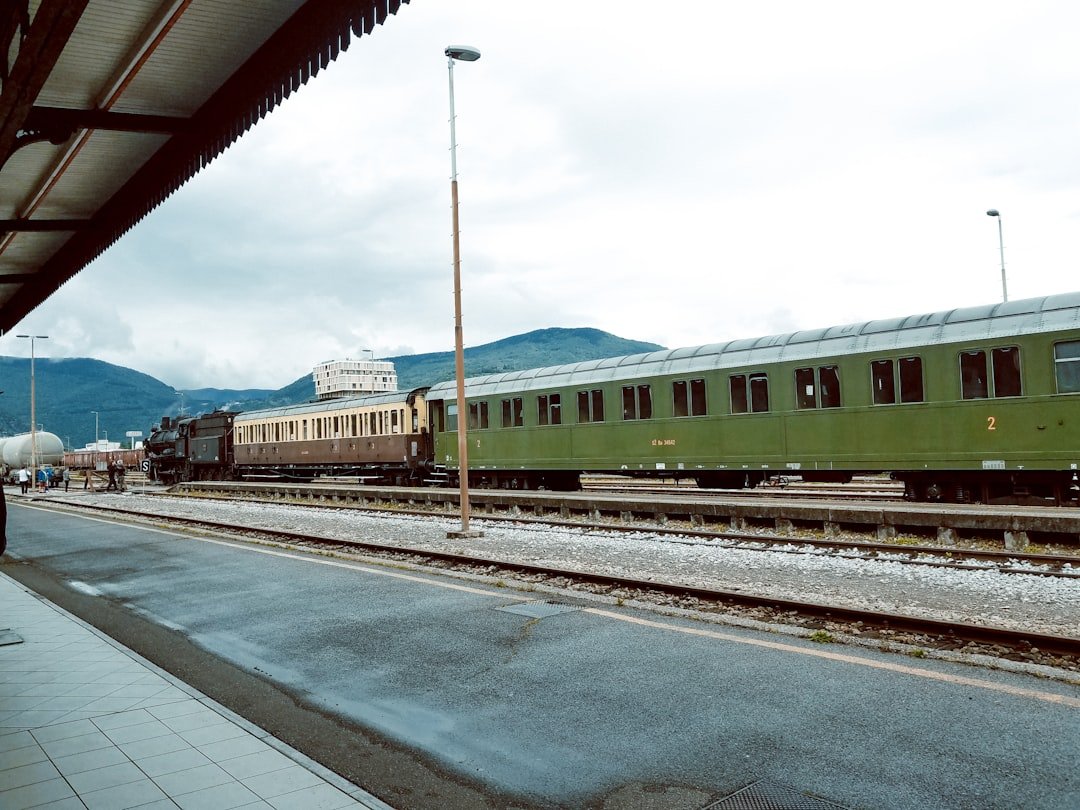
Positano is a beautiful base for exploring Campania, but there is one important detail to understand before planning day trips from Positano by train: Positano does not have a railway station. The most useful train journeys begin only after you travel by bus or ferry to a rail gateway such as Sorrento or Salerno. Once you plan around that first connection, Pompeii and Naples become realistic rail-assisted day trips, while Sorrento, Salerno, Amalfi, and Ravello are usually reached mainly by road or sea.
Quick Answer
You cannot board a train in Positano because the town has no railway station. For train-based day trips, travel first to Sorrento by bus or seasonal ferry, or to Salerno by ferry or bus. From those gateways, trains make Pompeii and Naples practical choices for a full-day excursion.
Key Takeaways
- Positano has no train station, so every rail-assisted trip requires a bus, ferry, taxi, or private-transfer leg first.
- Sorrento is the most useful gateway for the EAV Naples–Sorrento line, including Pompei Scavi Villa dei Misteri.
- Salerno is a useful alternative when ferry connections are convenient and you want access to Trenitalia services.
- Sorrento, Salerno, Amalfi, and Ravello should not be described as direct train trips from Positano.
- Check the first outbound trip, last return, weather, and current operator notices before leaving Positano.
Day Trips From Positano by Train: How They Actually Work
Positano Does Not Have a Train Station
The biggest mistake when planning a train day trip from Positano is assuming you can walk to a local station and board a train. You cannot. Positano sits on the steep Amalfi Coast and relies mainly on road and sea transport. The practical choice is to reach Sorrento or Salerno first and use the railway from there.
For road travel toward Sorrento, check the current SITA Sud Campania timetables. If you prefer to travel by sea when services are operating, check the current Amalfi Coast ferry timetable before making plans.
Use Sorrento for the EAV Naples–Sorrento Line
Sorrento is the most useful rail gateway when your destination is Pompeii or Naples. After reaching Sorrento from Positano, you can use the EAV Vesuvian railway toward Naples. The line serves Pompei Scavi Villa dei Misteri and continues toward Naples, making it the simplest rail connection for several popular day trips.
Always check the current EAV railway timetable rather than relying on a timetable copied into a travel article. Departure patterns, service changes, and replacement transport can change.
Use Salerno for Trenitalia Connections
Salerno is the alternative rail gateway. When coastal ferries are operating, traveling from Positano toward Salerno can also give you the scenic sea views that the original article incorrectly attributed to the train itself. Salerno’s rail station then connects with regional and longer-distance Trenitalia services.
Pro Tip: Choose your gateway based on the destination rather than trying to use one route for every trip. Sorrento usually makes the most sense for Pompeii via EAV, while Salerno can be convenient when ferry times line up well with a Trenitalia connection.
Visiting the Historic City of Pompeii

Pompeii is one of the strongest day-trip choices for travelers interested in ancient history. The city was buried during the eruption of Mount Vesuvius in AD 79, preserving streets, homes, public buildings, baths, shops, frescoes, mosaics, and other evidence of Roman urban life.
How to Get From Positano to Pompeii
- Travel from Positano to Sorrento by the current SITA bus service or an operating seasonal ferry.
- At Sorrento, board an EAV train toward Naples.
- Get off at Pompei Scavi Villa dei Misteri for the archaeological park.
- Allow a generous connection buffer, especially during busy summer periods or when coastal traffic is heavy.
This is not a direct train journey from Positano. The train is only the second part of the trip, but it is still one of the most practical ways to reach Pompeii independently without driving.
Pompeii’s ancient city covers about 66 hectares, and about 44 hectares have been excavated, according to the Archaeological Park of Pompeii.
Once inside, you can explore homes, streets, temples, baths, theaters, and the amphitheater. Because the archaeological area is large, trying to rush through it in an hour or two can leave you seeing only a fraction of the site. An official audio guide or a guided visit can provide useful context for the buildings and everyday objects you encounter.
The Archaeological Park of Pompeii currently uses nominative tickets and limits daily admissions to 20,000. Buying through the official system in advance can be sensible on busy dates.
Note: Travelers with mobility limitations should check EAV accessibility information before using Pompei Scavi Villa dei Misteri. Current platform restrictions can affect passengers arriving from or departing toward certain directions, so the standard route may require an additional transfer or assistance.
Discovering the Charm of Sorrento
| Travel Option | Best For | What to Know |
|---|---|---|
| SITA bus | A straightforward public-transport option | Road traffic can make travel times unpredictable. |
| Ferry | Scenery and avoiding the winding coastal road | Service is schedule- and weather-dependent, so verify it for your date. |
| Private transfer or taxi | Convenience, luggage, or an early departure | Usually costs more but removes the need to coordinate public transport. |
| Sorrento + EAV train | Continuing to Pompeii or Naples | This is the main rail-assisted strategy from Positano. |
Sorrento is an appealing day trip even if you do not board a train at all. The town overlooks the Bay of Naples and has a compact historic center filled with narrow streets, shops, cafes, churches, and viewpoints. Lemon products, ceramics, and local food are common parts of the visitor experience.
You can stroll through the historic center, spend time around Piazza Tasso, visit the cathedral, and walk toward viewpoints overlooking the water. If your goal is a relaxed day rather than a long archaeological visit, Sorrento requires less complicated sightseeing than Pompeii or Naples.
Sorrento is also valuable as a transport hub. Its EAV station lets you continue toward Pompeii and Naples, while sea services can connect the Sorrentine Peninsula with other destinations when operating. That flexibility is why Sorrento matters so much when planning independent travel from Positano.
Exploring the Vibrant City of Naples
Naples is possible as a day trip from Positano, but it is better treated as a full-day outing rather than a quick train ride. You first need to leave Positano and reach a rail gateway. One common independent route is Positano to Sorrento, followed by the EAV train toward Naples. Another possibility is to reach Salerno and continue by Trenitalia if the coastal and rail schedules fit your day better.
Once in Naples, you have far more to see than you can comfortably cover in a few hours. The historic center, churches, archaeological collections, markets, monumental streets, and famous Neapolitan food can easily fill an entire day. Choose two or three priorities rather than trying to cross the whole city.
For archaeology enthusiasts, Naples pairs naturally with a separate Pompeii visit because many artifacts from Vesuvian sites are preserved in museums in the city. Food-focused travelers may instead prefer to spend their time walking through the historic center and enjoying traditional Neapolitan pizza.
Warning: Do not plan a Naples day trip around the last possible connection back to Positano. A delayed train, missed ferry, coastal traffic, or service change can break a tight itinerary. Check the final workable return before leaving in the morning and keep a backup route in mind.
Taking a Scenic Journey to Salerno

The Scenic Part Is Usually by Sea or Road
Salerno is a useful destination and transport hub, but calling the trip from Positano a scenic train ride is misleading. Positano has no railway station. When ferry services are operating, the coastal boat journey can provide the dramatic sea and cliff views travelers expect. A road journey is the other main option.
Explore Salerno Before Catching a Train
Salerno has a long waterfront promenade, a historic center, shops, cafes, churches, and convenient onward rail connections. If you travel by ferry to the central waterfront area, the city can also work as the starting point for a Trenitalia journey later in the day.
Salerno’s position makes it especially useful for travelers who want to combine the Amalfi Coast with Italy’s mainline railway network. Check Trenitalia’s current service notices before committing to a connection, because engineering works and timetable changes can affect regional services.
A Different Side of Campania
Spending time in Salerno gives you a different atmosphere from Positano. The waterfront is broader and flatter, the city feels less like a cliffside resort, and you can explore an urban center while remaining close to the Amalfi Coast. Castello di Arechi, above the city, is another option if your schedule allows enough time.
Enjoying the Beauty of Ravello
Ravello is one of the most rewarding scenic excursions from Positano, but it is not a train destination. The hilltop town has no rail connection. A practical public-transport plan is to reach Amalfi by ferry or bus and then continue uphill to Ravello by bus. Always confirm the return connections before heading up the mountain.
Two of Ravello’s best-known attractions are Villa Cimbrone and Villa Rufolo, both associated with gardens and wide coastal views. Villa Rufolo also has an important connection with composer Richard Wagner. According to Villa Rufolo’s official history, Wagner visited Ravello in May 1880 and associated the garden with his vision of Klingsor’s magical garden in Parsifal. It is more accurate to describe the villa as an inspiration than to say it was literally featured in the opera.
Ravello also hosts cultural and musical events, and its elevated setting creates a quieter contrast with the busy waterfront towns. Give yourself enough time to enjoy the gardens and viewpoints instead of treating Ravello as a rushed stop between other destinations.
Making the Most of Day Trips from Positano
The best day trip depends on how much transport you want to handle. Pompeii is the strongest choice if ancient history is your priority. Naples offers the deepest urban experience but requires a longer day. Sorrento is easier and more relaxed. Salerno works well as both a destination and a rail gateway, while Ravello is ideal for gardens, views, and a quieter hilltop atmosphere.
Before leaving Positano, check these details for your exact travel date:
- The first practical bus or ferry from Positano.
- The current EAV or Trenitalia timetable for any rail segment.
- The final realistic return connection to Positano.
- Weather conditions if your plan depends on a ferry.
- Traffic or service notices affecting the Amalfi Coast road.
- Opening times and ticket requirements for major attractions such as Pompeii.
Do not build your itinerary around a travel time quoted months earlier. Coastal roads become congested, ferry operations can depend on conditions, and railway operators publish temporary changes. A five-minute same-day check of official operator information can save hours of disruption.
Frequently Asked Questions
What are the best day trips from Positano by train?
Pompeii and Naples are the most useful rail-assisted day trips because you can reach Sorrento first and continue on the EAV Naples–Sorrento line. Salerno can also work as a rail gateway after a ferry or road transfer. Sorrento and Ravello themselves do not require a train from Positano.
Does Positano have a train station?
No. Positano has no railway station. For a rail-assisted trip, you normally travel first to Sorrento or Salerno by bus, ferry, taxi, or private transfer and board a train there.
How long does it take to get from Positano to Pompeii?
There is no fixed direct-train time because the journey has at least two transport segments. A well-timed Positano-to-Sorrento connection followed by the EAV train can make Pompeii reachable in roughly a couple of hours, but traffic, waiting time, ferry conditions, and service changes can add substantial time. Build in a generous buffer.
Which train station should I use for Pompeii?
For the archaeological park when traveling on EAV’s Naples–Sorrento line, use Pompei Scavi Villa dei Misteri. Check EAV’s current timetable and accessibility notices before traveling.
What can I do in Sorrento on a day trip from Positano?
Explore the historic center, Piazza Tasso, the cathedral, shops, cafes, and viewpoints over the Bay of Naples. Sorrento also works well as a transport hub if you want to continue toward Pompeii or Naples.
Can I take a day trip from Positano to Naples by train?
Yes, but not directly from Positano. Reach Sorrento and take the EAV line toward Naples, or reach Salerno and use an appropriate Trenitalia service. Naples is best treated as a full-day trip because you also need time for the coastal transfer in both directions.
Is Salerno a train day trip from Positano?
Not in the literal sense. Positano has no train, so you reach Salerno by an available ferry, bus, taxi, or transfer. Once in Salerno, its railway station is useful for onward Trenitalia journeys.
Can I reach Ravello from Positano by train?
No. Ravello has no railway station. A common public-transport route is Positano to Amalfi by ferry or bus, followed by a bus uphill from Amalfi to Ravello.
Sources
- Comune di Positano — infrastructure and transport overview — rail gateways and local transport context.
- EAV — railway timetables — Naples–Sorrento line and Pompei Scavi service.
- SITA Sud — Campania timetables — Amalfi–Positano–Sorrento bus connections.
- Travelmar — Amalfi Coast ferry timetable — coastal ferry connections including Positano and Salerno.
- Archaeological Park of Pompeii — visitor information — current ticket rules, admission limits, and opening information.
- Trenitalia — planned service changes — current railway disruption and timetable notices.