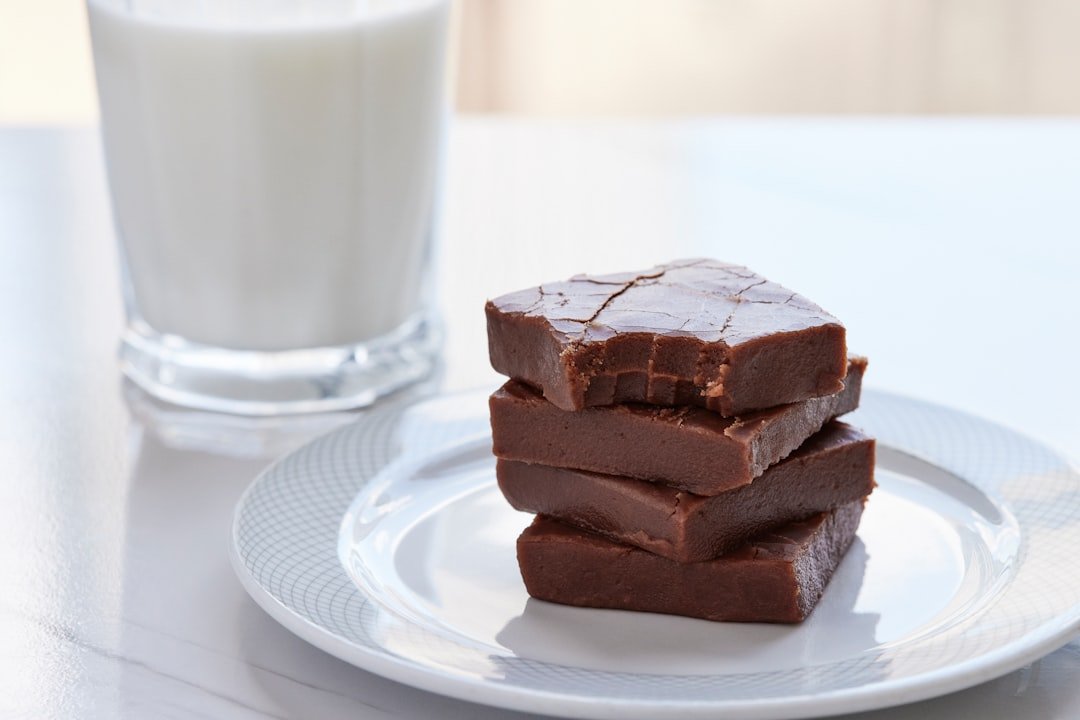
3-ingredient fudge with condensed milk is one of the simplest ways to make rich, sliceable chocolate fudge at home. You only need semisweet chocolate chips, sweetened condensed milk, and vanilla extract, and this shortcut method does not require boiling a sugar syrup or using a candy thermometer. Most of the total time is simply waiting for the fudge to chill and become firm.
Quick Answer
For easy 3-ingredient fudge, gently melt 18 ounces of semisweet chocolate chips with one 14-ounce can of sweetened condensed milk. Remove the mixture from the heat, stir in 1½ teaspoons vanilla, spread it in a lined square pan, and chill for about 2 hours until firm enough to slice.
At a Glance
| Time Required | A few minutes of preparation plus about 2 hours of chilling |
| Difficulty | Beginner-friendly |
| Tools Needed | Heavy saucepan, spatula, and an 8- or 9-inch square pan |
A Short History of Fudge
Fudge became closely associated with American college life in the late 19th century. Its exact inventor is uncertain, so claims that one person definitively created it should be treated carefully.
Vassar College’s account of fudge history says Emelyn Battersby Hartridge, Class of 1892, made fudge for a senior-class auction in 1888. Hartridge did not claim to have invented it; she credited a recipe that came through a classmate’s cousin.
Fudge became especially popular at women’s colleges, where students prepared it in their rooms and shared it at informal gatherings. From there, it developed into a widely recognized American confection with countless chocolate, nut, fruit, and seasonal variations.
The Appeal of 3-Ingredient Fudge
The biggest advantage of 3-ingredient fudge is that it avoids the most technical part of traditional candy making. You melt, mix, spread, and chill rather than cooking a sugar syrup to a precise candy stage.
That makes this version approachable for beginners. It also works well when you need a make-ahead dessert because the active preparation is short and the fudge finishes setting in the refrigerator.
The simple base also gives you room to add nuts, crushed cookies, extracts, dried fruit, or a light topping. However, large substitutions to the chocolate or condensed milk can change how firmly the fudge sets.
Why Sweetened Condensed Milk Works So Well in Fudge

Sweetened condensed milk gives shortcut fudge sweetness, milk solids, and moisture in one thick ingredient. That helps create a creamy mixture without adding granulated sugar separately.
Under the U.S. standard of identity, sweetened condensed milk is made by partially removing water from milk combined with nutritive sweeteners. This is why it behaves very differently from ordinary milk.
In this shortcut style of fudge, the melted chocolate also provides much of the finished structure. As the mixture cools, the chocolate firms again, turning the soft mixture into pieces that can be sliced.
Basic 3-Ingredient Fudge With Condensed Milk Recipe
This recipe uses semisweet chocolate chips, sweetened condensed milk, and vanilla. The chocolate-to-milk ratio follows the core proportions in Eagle Brand’s chocolate fudge recipe, which chills the mixture for 2 hours before cutting.
| Ingredient | Quantity |
|---|---|
| Sweetened Condensed Milk | 1 can (14 oz) |
| Semi-sweet Chocolate Chips | 3 cups (18 oz) |
| Vanilla Extract | 1 1/2 tsp |
| Total Time | About 2 hours, mostly chilling |
| Servings | About 32 small pieces |
Stovetop Method
- Line an 8- or 9-inch square pan with foil or parchment, leaving enough overhang to lift out the finished fudge.
- Place the chocolate chips and sweetened condensed milk in a heavy saucepan over low heat.
- Stir gently and continuously until the chocolate has melted and the mixture looks smooth and evenly combined.
- Remove the pan from the heat as soon as the mixture is smooth. Stir in the vanilla extract.
- Spread the mixture evenly in the prepared pan, pressing it gently into the corners.
- Chill for about 2 hours, or until the center feels firm enough to cut cleanly.
- Lift the fudge from the pan and cut it into small squares with a sharp, dry knife.
Pro Tip: Stop heating as soon as the chocolate mixture becomes smooth. Continued heat does not help this style of fudge set and can make the chocolate thicker, scorched, or grainy.
Can You Make It in the Microwave?
Yes. Condensed-milk fudge also works in the microwave, but short heating periods give you more control. Stir between each burst because chocolate chips can hold their shape even after they have softened.
King Arthur Baking’s microwave fudge method also relies on melting chocolate with sweetened condensed milk and chilling the finished mixture for at least 2 hours. Whichever microwave method you use, stop heating once the mixture is completely smooth.
Tips for Smooth, Firm Fudge Every Time
Good shortcut fudge depends more on ingredient ratio and gentle melting than on candy-making temperature. A few small details make the finished squares much easier to cut.
- Keep the heat low. Chocolate can scorch if you rush the melting process.
- Keep water out of the chocolate. Wet utensils or splashes of water can make melted chocolate tighten or become grainy.
- Use enough chocolate. Reducing the chocolate significantly can leave the fudge too soft.
- Choose chocolate carefully. King Arthur notes that chips listing sugar as the main ingredient can produce unusually soft fudge that is harder to slice.
- Let it chill completely. Cutting warm or partly set fudge makes the pieces smear and lose their shape.
- Use a clean, dry knife. Wiping the blade between cuts gives neater edges.
A candy thermometer is not necessary for this shortcut recipe because you are not boiling a traditional sugar syrup to the soft-ball stage. Traditional fudge uses a different process in which temperature and controlled sugar crystallization matter much more.
Creative Variations on the Classic Fudge Recipe

The basic chocolate fudge is easy to customize because small flavor additions usually do not disturb the chocolate-to-condensed-milk ratio. Add them after the mixture is smooth and removed from the heat.
Vanilla can be replaced with a small amount of another strong extract, such as peppermint, orange, or almond. Because these extracts can be intense, add them cautiously rather than pouring freely.
You can also finish the top with flaky salt, chopped nuts, crushed candy, or cookie crumbs. Add toppings before the fudge has fully set so they adhere to the surface.
Can You Use Milk, Dark, or White Chocolate?
Semisweet chocolate is a dependable starting point for this recipe. Dark chocolate can also work, although its bitterness and firmness will change the finished flavor and texture.
Milk chocolate, white chocolate, butterscotch chips, and other baking chips have different amounts of sugar, cocoa butter, milk solids, and other fats. A direct cup-for-cup swap may therefore produce softer or firmer fudge. For large substitutions, use a fudge formula developed for that specific type of chocolate rather than assuming every chip behaves identically.
Using Different Types of Condensed Milk
Use a product specifically labeled sweetened condensed milk for this recipe. Evaporated milk is not a direct substitute because its sugar and moisture balance is different.
The distinction is more than a naming difference. U.S. regulations define evaporated milk separately from sweetened condensed milk. Substituting it into this three-ingredient formula can leave you with a mixture that is not sweet enough or does not set like the intended fudge.
Flavored or alternative condensed-milk products can also change the result. Coconut-style condensed milk, caramelized condensed milk, and dairy-free versions may contribute interesting flavors, but their fat, sugar, and water content can differ from standard sweetened condensed milk. For the most predictable set, use a recipe designed around the specific product.
Note: Do not treat evaporated milk and sweetened condensed milk as interchangeable in this recipe. Their composition is different, and this shortcut fudge depends on the sweetness and concentration of sweetened condensed milk.
Mix-Ins and Toppings That Work Well
Mix-ins add texture without forcing you to redesign the whole recipe. The safest additions are ingredients that contribute little extra water.
- Chopped walnuts, pecans, almonds, or peanuts
- Crushed pretzels
- Crushed cookies
- Mini marshmallows
- Chopped dried cranberries or cherries
- Crushed peppermint candy
- Toffee pieces
- A light sprinkle of flaky salt
Fold chunky ingredients into the finished mixture just before spreading it in the pan, or press them lightly onto the surface. Avoid pouring in large amounts of watery fruit puree, juice, or other liquid because excess moisture can soften the set.
Packaging Fudge for Gifting or Selling
Fudge makes a practical gift because it can be cut into small, tidy portions and packed ahead of time. Let it set completely before wrapping so the pieces hold their shape.
Separate stacked pieces with parchment or wax paper, then place them in a food-safe box, tin, or airtight container. Decorative labels can identify the flavor and any common allergens such as milk, tree nuts, peanuts, or wheat from cookie mix-ins.
If you sell homemade fudge, presentation should not replace proper food-business requirements. Follow the labeling, allergen, licensing, and cottage-food rules that apply where you produce and sell the candy.
How to Store Fudge and Keep It Fresh
Keep fudge tightly covered so it does not dry out or absorb odors. A cool room is suitable for short-term storage, while refrigeration is useful if your kitchen is warm or the fudge contains additions that benefit from colder storage.
When refrigerating, use an airtight container and separate layers with parchment or wax paper. Let very cold pieces sit briefly before serving if you prefer a softer bite.
For longer storage, fudge can be frozen. King Arthur Baking’s condensed-milk fudge guidance allows freezing for up to four weeks. Wrap the pieces well and place them in an airtight freezer container to protect their texture and flavor.
Sharing and Enjoying Homemade Fudge
The appeal of this fudge is its simplicity. You can make one straightforward chocolate batch for a family dessert, divide it into small squares for a party tray, or customize it with nuts, peppermint, cookies, or other low-moisture additions.
For the most reliable result, remember the core formula: use sweetened condensed milk rather than evaporated milk, keep the chocolate ratio intact, melt over gentle heat, and give the fudge enough time to chill before slicing.
Key Takeaways
- The base recipe uses 18 ounces of semisweet chocolate chips, one 14-ounce can of sweetened condensed milk, and 1½ teaspoons vanilla.
- This shortcut method does not require a candy thermometer because you are melting chocolate rather than cooking a traditional sugar syrup.
- Sweetened condensed milk and evaporated milk are different products and should not be swapped in this formula.
- Low heat and a full chill are more important than prolonged cooking.
- Low-moisture mix-ins such as nuts, cookies, pretzels, and dried fruit are easier to add without upsetting the texture.
Frequently Asked Questions
What are the three ingredients needed to make fudge with condensed milk?
The three ingredients are semisweet chocolate chips, sweetened condensed milk, and vanilla extract. This version uses 18 ounces of chocolate chips, one 14-ounce can of sweetened condensed milk, and 1½ teaspoons vanilla. Use sweetened condensed milk rather than evaporated milk.
How do you make fudge with condensed milk?
Gently melt the chocolate chips and sweetened condensed milk over low heat until smooth, then remove the pan from the heat and stir in vanilla. Spread the mixture in a lined square pan and refrigerate for about 2 hours, or until it is firm enough to slice cleanly.
Can you customize the flavor of fudge with condensed milk?
Yes, you can customize condensed-milk fudge with low-moisture additions such as chopped nuts, crushed cookies, pretzels, dried fruit, peppermint candy, or a different extract. Avoid adding large quantities of watery ingredients because extra moisture can make the finished fudge softer and harder to slice.
How long does fudge with condensed milk take to set?
Plan on about 2 hours of chilling for this recipe. The exact time can vary with pan depth, chocolate, and refrigerator temperature, so use firmness rather than the clock alone. The center should feel set and the fudge should hold a clean edge when sliced.
How should fudge with condensed milk be stored?
Store the fudge in an airtight container so it does not dry out or absorb odors. A cool room works for short-term storage, while refrigeration is useful in a warm kitchen. For longer storage, wrap the fudge well and freeze it in an airtight container for up to four weeks.
Can you use evaporated milk instead of sweetened condensed milk?
No, evaporated milk is not a direct substitute in this three-ingredient fudge recipe. Sweetened condensed milk already contains a substantial amount of sweetener and has a different concentration. Replacing it with evaporated milk changes both the sweetness and the moisture balance needed for this shortcut formula.
Why did my condensed-milk fudge not set?
Fudge can stay soft if it has not chilled long enough, if too little chocolate was used, or if a chocolate formulation produces an especially soft set. Chill it fully before judging the texture. For future batches, measure the chocolate carefully and avoid reducing the amount specified.
Sources
- Vassar College — Fudge Mania: Supports the documented history of Emelyn Battersby Hartridge and the 1888 Vassar fudge batch.
- 21 CFR § 131.120 — Sweetened Condensed Milk: Supports the U.S. definition and composition of sweetened condensed milk.
- 21 CFR § 131.130 — Evaporated Milk: Supports the distinction between evaporated milk and sweetened condensed milk.
- Eagle Brand — Chocolate Fudge: Supports the chocolate-to-condensed-milk ratio, pan size, and 2-hour chilling method.
- King Arthur Baking — Easy Microwave Fudge: Supports microwave preparation, chocolate-selection guidance, chilling, and freezing guidance.