Istanbul is stylish, diverse, and far easier to dress for than many first-time visitors expect. You will see everything from jeans, T-shirts, dresses, shorts, and sneakers to businesswear and modest religious clothing. The main clothing rules apply when you enter mosques and other places of worship, where more coverage and respectful behavior are expected.
Quick Answer
There is no single citywide dress code for tourists in Istanbul. Normal casual clothing is fine for sightseeing, including shorts in warm weather. For mosques, cover your shoulders, arms, and knees; female visitors should also cover their hair. Comfortable walking shoes and a light layer are useful throughout most of the year.
Key Takeaways
- Everyday Istanbul is generally flexible about clothing; tourists do not need to follow a special conservative dress code while walking around the city.
- Mosques have different expectations: cover shoulders, arms, and knees, and women should carry a scarf to cover their hair.
- Shorts and sandals can be suitable for ordinary sightseeing, but they may not meet mosque requirements.
- Comfortable shoes matter because Istanbul includes hills, uneven sidewalks, historic paving, and long sightseeing days.
- For restaurants and nightlife, smart-casual clothing is a safe choice, although individual venues may set their own rules.
- Pack for the season. Istanbul is hot in summer, cool and changeable in spring and autumn, and chilly and wetter in winter.
Is There a Dress Code in Istanbul?
For ordinary sightseeing, there is no single Istanbul dress code that requires visitors to dress conservatively. Istanbul is a huge modern city with a wide range of personal styles. Jeans, dresses, skirts, T-shirts, shorts, sneakers, sandals, business clothing, headscarves, and many other styles are part of everyday life.
The important distinction is the setting. Clothing that is perfectly normal on Istiklal Avenue, along the Bosphorus, or in Kadıköy may not be appropriate inside an active mosque. The UK’s current travel guidance for Türkiye specifically advises visitors to dress modestly when visiting a mosque or religious shrine.
| Setting | What Usually Works | What to Know |
| Everyday sightseeing | T-shirts, shirts, jeans, trousers, skirts, dresses, shorts, sneakers or sandals | Choose comfortable clothing suited to the weather and walking. |
| Active mosques | Clothing covering shoulders, arms, and knees; head covering for women | Shoes are removed before entering the prayer area. |
| Upscale restaurants and nightlife | Smart casual clothing, neat shoes, dresses, shirts or tailored trousers | Individual venues may have their own entry policy, so check ahead for high-end locations. |
Understanding the Traditional Influences on Istanbul’s Dress Code
Istanbul’s clothing history reflects centuries of Byzantine, Ottoman, regional, European, and wider Mediterranean influences. Historical clothing should not, however, be confused with what modern Istanbul residents are expected to wear today.
Ottoman wardrobes included garments such as robes, embroidered textiles, and şalvar, or loose trousers. The Metropolitan Museum of Art’s Ottoman clothing collection, for example, documents women’s historical ensembles in which an entari robe was worn over a gömlek and şalvar.
Traditional Ottoman clothing is part of Istanbul’s fashion history, but modern visitors do not need to dress in traditional Turkish clothing to fit in or show respect.
Headscarves are also part of Istanbul’s visible clothing landscape, but women’s choices vary. Some women cover their hair for religious or personal reasons and others do not. A female tourist does not need to wear a headscarf while walking around Istanbul simply because she is visiting Türkiye. A scarf becomes particularly useful when entering a mosque.
The Modern Twist: How Istanbul’s Fashion Scene Has Evolved
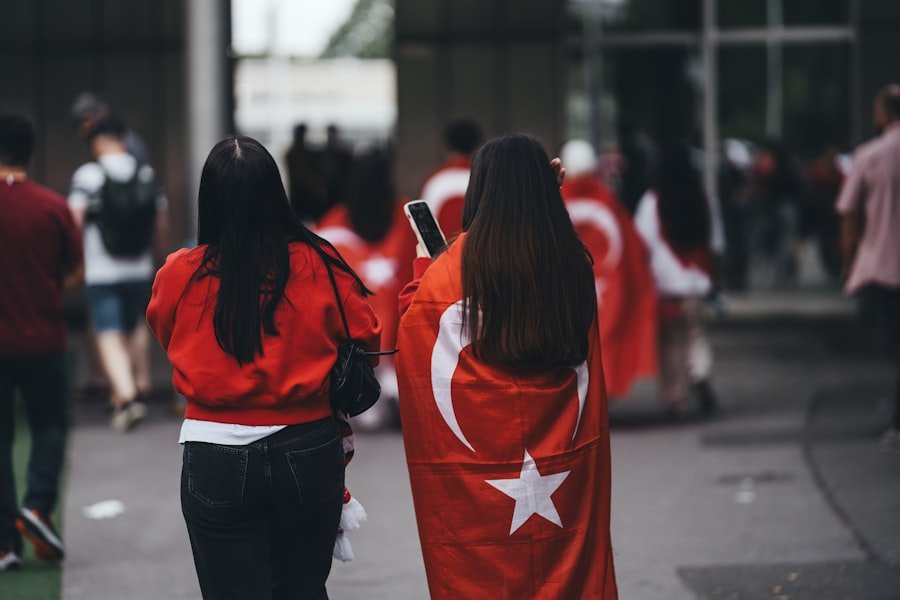
Modern Istanbul fashion ranges from international high-street clothing and denim to designer fashion, streetwear, modest fashion, tailoring, and independent labels. Neighborhoods such as Nişantaşı, Galata, Karaköy, Beşiktaş, and Kadıköy can feel very different from one another, which is another reason a single “Istanbul look” is difficult to define.
Dice Kayek, directed by sisters Ayşe and Ece Ege, describes its design language as a dialogue between East and West and maintains creative links with Istanbul and Paris. Its work is associated with sculptural forms, tailoring, craftsmanship, and couture influences.
Mavi represents a different side of modern Turkish fashion. According to Mavi’s official history, the denim and lifestyle brand was established in Istanbul in 1991. Rather than treating every Turkish brand as “traditional,” it is more accurate to see Istanbul’s fashion scene as a broad mix of heritage, global trends, local design, denim, streetwear, and contemporary personal style.
Social media has also made local boutiques, designers, stylists, and street-fashion trends easier to discover. For a visitor, however, the practical takeaway remains simple: you can dress much as you would in another large European or Mediterranean city, while adjusting your clothes for religious sites, weather, and individual venues.
Deciphering the Daytime Dress Code in Istanbul
| Attire | Good Everyday Choices | When to Adjust |
| Men | T-shirts, polos, casual shirts, jeans, trousers or weather-appropriate shorts | Choose clothing covering the knees, shoulders, and arms before entering a mosque. |
| Women | T-shirts, blouses, dresses, skirts, jeans, trousers or weather-appropriate shorts | Carry a scarf and choose sufficient arm, shoulder, and knee coverage for mosques. |
| Accessories | Sunglasses, hat, scarf, cross-body bag, light layer | A lightweight scarf is especially useful when a mosque visit is part of the day. |
Comfort matters more than trying to imitate a particular Istanbul fashion trend. Sightseeing days can involve long walks, public transport, hills, stairs, uneven paving, and standing in queues. A polished but comfortable outfit therefore works well.
Women may choose dresses, skirts, trousers, jeans, or shorts depending on the weather and their plans. Men commonly have the same flexibility with trousers, jeans, casual shirts, T-shirts, and shorts.
Footwear deserves special attention. Supportive sneakers, walking shoes, flats, or comfortable sandals can all work for ordinary sightseeing. Closed-toe shoes are not a general city requirement.
Pro Tip: If you plan to visit a mosque during a summer sightseeing day, carry a lightweight scarf or overshirt and wear or pack something that gives you adequate knee and arm coverage. That avoids having to design your entire day’s outfit around one religious-site visit.
Unveiling the Evening Dress Code in Istanbul
There is no single evening dress code across Istanbul. A neighborhood restaurant, Bosphorus café, rooftop bar, luxury hotel, nightclub, and fine-dining restaurant can all have different expectations.
Smart casual is the safest all-purpose choice when you are unsure. Women might choose a dress, skirt, tailored trousers, blouse, stylish top, or jumpsuit. Men might wear a neat shirt or polo with trousers or dark jeans. A blazer can make an outfit more formal without requiring a full suit.
Silk, satin, bold colors, patterned clothing, statement jewelry, and other dressier pieces can certainly work, but they are fashion choices rather than Istanbul-specific rules.
Some upscale venues may refuse beachwear or extremely casual clothing, while many neighborhood venues are relaxed. If you are booking an expensive restaurant, hotel bar, or nightclub, check that venue’s own dress policy rather than assuming one rule applies across the city.
The Role of Colors and Patterns in Istanbul’s Chic Dress Code
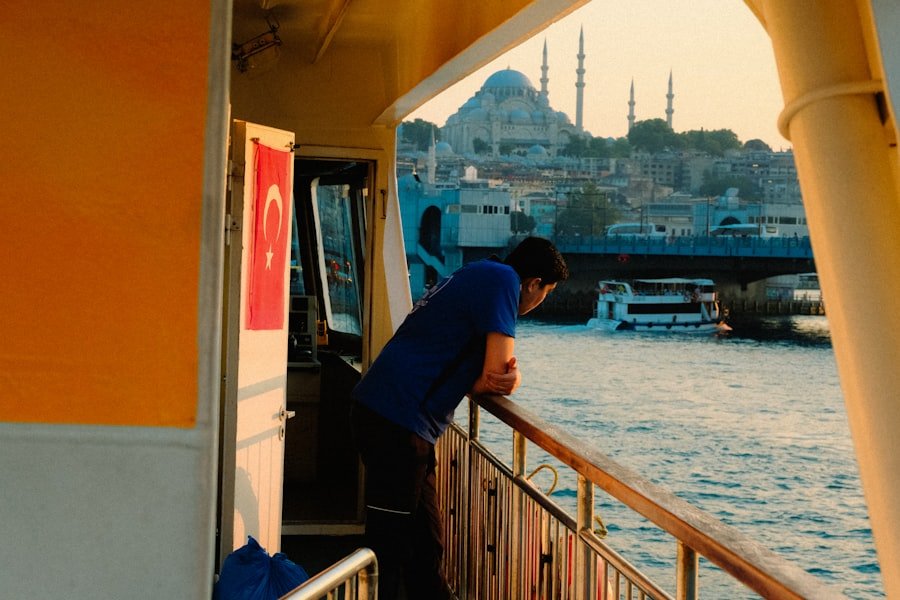
Color and pattern are better understood as parts of Istanbul’s fashion vocabulary than as elements of a dress code. Turkish textile traditions include rich colors, floral designs, geometric motifs, embroidery, and patterned fabrics, while contemporary clothing also follows international trends.
You may see deep reds, blues, greens, neutrals, monochrome outfits, denim, floral prints, geometric patterns, or minimalist tailoring. None of these is required for visitors.
If you enjoy incorporating local inspiration into your wardrobe, a patterned scarf, textile accessory, or locally designed garment can add personality without turning your outfit into a costume. Mixing traditional-looking motifs with contemporary basics can produce a natural look, but simple jeans and a T-shirt are equally acceptable for an ordinary sightseeing day.
Exploring the Must-Have Accessories in Istanbul
A few accessories can make sightseeing in Istanbul easier. A lightweight scarf is one of the most useful because it can provide extra coverage for a mosque visit, add warmth during a breezy ferry ride, or simply work as part of an outfit.
Sunglasses and a sun hat are useful in warm, bright weather. In cooler months, a compact umbrella or water-resistant outer layer can be more valuable. A secure cross-body bag or other comfortable day bag is practical when using public transport and moving through crowded tourist areas.
Jewelry, handbags, scarves, watches, and other accessories can also add style, but there is no expectation that visitors need statement pieces to look appropriate in Istanbul.
Navigating the Dos and Don’ts of Istanbul’s Fashion Etiquette
The most important clothing etiquette applies inside mosques. Türkiye’s Presidency of Religious Affairs guidance for mosque visitors says visitors should wear modest clothing covering the shoulders, arms, and knees; female visitors should cover their heads; and shoes must be removed inside.
Note: A woman does not need to cover her hair throughout Istanbul simply because she is a tourist. The head-covering guidance discussed here applies to mosque visits.
For Women Visiting a Mosque
- Cover your hair with a scarf.
- Cover your shoulders and arms.
- Wear clothing that covers your knees.
- Long trousers can work; a long skirt or dress is not mandatory simply because it is a mosque.
- Avoid transparent clothing inside the mosque.
- Remove your shoes where instructed before entering the prayer area.
For Men Visiting a Mosque
- Wear clothing that covers your shoulders and arms appropriately.
- Make sure your knees are covered.
- Avoid sleeveless tops inside.
- Remove your shoes where instructed.
Respectful Behavior Matters Too
Dress is only part of mosque etiquette. Keep your voice low, silence your phone, avoid disturbing people who are praying, and follow photography instructions displayed at the site. Visitor access may also be restricted during prayer or religious services.
Important: Rules can vary slightly by mosque and visitor area. Follow the instructions posted at the entrance even if they are stricter than the general guidance you have read online.
Outside religious settings, do not feel that respectful travel requires abandoning your own style. Istanbul’s population dresses in many different ways. The goal is to adapt to the setting rather than treating the entire city as if it were one religious venue.
Embracing Istanbul’s Chic Dress Code as a Visitor
Visitors can enjoy Istanbul’s fashion without overthinking it. Start with clothes that are comfortable enough for long days and then add a little extra polish when your plans call for it.
Areas such as Nişantaşı are associated with more upscale shopping, while Istiklal Avenue and surrounding parts of Beyoğlu combine international retailers, local stores, casual clothing, and fashion-conscious crowds. Kadıköy and nearby areas on the Asian side also offer independent shops and a wide variety of street styles.
A versatile travel wardrobe is more useful than packing separate outfits for every neighborhood. Neutral trousers or jeans, comfortable tops, a lightweight layer, walking shoes, one dressier evening outfit, and a scarf can cover most situations.
When shopping locally, you can explore Turkish denim, independent labels, scarves, textiles, leather goods, contemporary clothing, and designer pieces. Choose items you genuinely like rather than feeling that you need “traditional” clothing to look appropriate.
What to Wear in Istanbul by Season
Weather should influence your Istanbul wardrobe at least as much as etiquette. Türkiye’s General Directorate of Meteorology reports average Istanbul temperatures of about 6.8°C in January, 17.6°C in May, 24.7°C in July and August, and 16.7°C in October. Winter also brings considerably more rainy days than midsummer.
Spring: March to May
Spring can move from cool to pleasantly warm, sometimes within the same trip. Layers work best.
- Long trousers or jeans
- T-shirts or lightweight shirts
- Sweater or cardigan
- Light jacket
- Comfortable walking shoes
- Compact umbrella or rain layer
Summer: June to August
Summer is warm, so breathable fabrics such as cotton and linen can make long sightseeing days more comfortable.
- Light T-shirts and shirts
- Breathable dresses and skirts
- Shorts for ordinary sightseeing
- Comfortable sandals or sneakers
- Sunglasses and sun hat
- Light scarf or overshirt for mosque visits
If several mosques are on your itinerary, loose lightweight trousers or a longer skirt can be more convenient than changing or borrowing additional coverings repeatedly.
Autumn: September to November
Early autumn can remain warm, while later autumn becomes cooler and wetter. Pack clothing that can be layered.
- T-shirts or shirts
- Long trousers or jeans
- Light sweater
- Jacket
- Walking shoes
- Rain protection
Winter: December to February
Istanbul winters are much cooler than many travelers expect from a Mediterranean-region trip. Wind and rain can also make the air feel colder, particularly around the Bosphorus.
- Warm coat or water-resistant jacket
- Sweaters or insulating layers
- Long trousers
- Closed walking shoes or boots
- Warm socks
- Scarf
- Umbrella or rain protection
Can You Wear Shorts in Istanbul?
Yes. Shorts can be worn for ordinary sightseeing in Istanbul, particularly during warm weather. They are not automatically inappropriate simply because you are in Türkiye.
The situation changes when you enter a mosque. Your knees should be covered, so short shorts are unsuitable there. If your sightseeing route includes religious sites, wear longer clothing or carry a lightweight layer that provides enough coverage.
The same context-based approach applies to tank tops. They may be fine for an ordinary hot-weather day, but exposed shoulders and arms do not meet mosque visitor guidance.
Tips for Incorporating Istanbul’s Chic Dress Code into Your Wardrobe
If you want your travel clothes to feel polished as well as practical, start with versatile foundations rather than trying to copy a stereotype of Turkish fashion.
- Choose comfortable basics: trousers, jeans, skirts, dresses, T-shirts, and shirts that can be mixed easily.
- Add one useful layer: a cardigan, overshirt, light jacket, or wrap helps with weather changes and extra coverage.
- Prioritize shoes: a fashionable shoe that hurts after two hours is a poor choice for an Istanbul sightseeing day.
- Carry a scarf: it can be useful for mosque visits, wind, cooler evenings, and styling.
- Pack one smart-casual outfit: this covers most nicer dinners and evening plans.
- Use color and pattern if you enjoy them: Turkish-inspired textiles can add character, but they are optional rather than part of a required dress code.
Pro Tip: Build your sightseeing outfit around your most restrictive stop. If your day includes a mosque, start with mosque-ready clothing or keep lightweight coverage in your bag. If it is only museums, cafés, markets, and outdoor attractions, you have far more freedom.
Simple Istanbul Packing Checklist
- 2–4 comfortable daytime tops
- Comfortable trousers or jeans
- Season-appropriate shorts, skirts, or dresses
- One lightweight scarf
- One sweater, cardigan, or overshirt
- Season-appropriate jacket
- Comfortable walking shoes
- Optional sandals in warm weather
- One smart-casual evening outfit
- Sunglasses and sun hat for warm months
- Rain protection for wetter periods
- A secure, comfortable day bag
This compact wardrobe is usually more useful than packing separate “tourist,” “fashion,” and “traditional” outfits.
Embracing the Timeless Elegance of Istanbul’s Fashion
Istanbul’s fashion identity is shaped by history, contemporary design, religious diversity, neighborhood culture, international trends, and individual taste. That variety is precisely why travelers should avoid thinking of the Istanbul dress code as one strict set of rules.
For an ordinary day, dress comfortably for the weather and your activities. For an active mosque, add the required coverage and follow the site’s instructions. For an upscale evening venue, smart casual is a dependable starting point, with individual venue policies taking priority.
Colors, patterns, jewelry, scarves, denim, tailored clothing, and locally designed pieces can all help you explore Istanbul’s fashion culture, but none is compulsory. A simple outfit that is comfortable, clean, weather-appropriate, and respectful of the place you are entering is usually enough.
Cultural norms vary in more than clothing. Even foods and fruits such as Asian melon varieties can differ greatly between regions. Dress works in a similar way: understanding the local context is more useful than assuming one universal standard applies everywhere.
Frequently Asked Questions
What is the dress code in Istanbul?
There is no single citywide dress code for tourists in Istanbul. Normal casual clothing is acceptable for everyday sightseeing. More modest clothing is required when visiting mosques and other religious sites, while some upscale restaurants or nightlife venues may have their own policies.
What should I wear when visiting mosques in Istanbul?
Wear modest clothing that covers your shoulders, arms, and knees. Female visitors should also cover their hair with a scarf. Shoes are removed before entering the prayer area. Always follow the specific instructions posted at the mosque entrance.
Are there specific clothing restrictions throughout Istanbul?
Not for ordinary sightseeing. Istanbul residents and visitors wear many different styles. Clothing restrictions are mainly relevant inside active religious sites or at individual private venues that maintain their own entry rules.
Can I wear shorts and tank tops in Istanbul?
Yes, shorts and tank tops can be worn during ordinary sightseeing, particularly in warm weather. They are not suitable for entering a mosque if they leave your knees, shoulders, or arms insufficiently covered, so bring an extra layer if religious sites are on your itinerary.
What are appropriate clothing options for women in Istanbul?
For everyday sightseeing, women can wear dresses, skirts, jeans, trousers, shorts, T-shirts, blouses, and other normal casual clothing. For mosque visits, clothing should cover the shoulders, arms, and knees, and a headscarf should be worn.
What are appropriate clothing options for men in Istanbul?
Men can normally wear T-shirts, shirts, jeans, trousers, shorts, sneakers, or sandals while sightseeing. Inside a mosque, choose clothing that adequately covers the shoulders, arms, and knees and remove your shoes where instructed.
Do female tourists have to wear a headscarf in Istanbul?
No. Female tourists do not need to cover their hair while walking around Istanbul. A head covering is expected when entering a mosque, so carrying a lightweight scarf is convenient if religious sites are part of your plans.
What shoes should I wear in Istanbul?
Choose shoes that remain comfortable after several hours of walking. Sneakers, walking shoes, flats, and supportive sandals can all work depending on the weather. Remember that shoes are removed before entering mosque prayer areas.
Sources
- Presidency of Religious Affairs — Rules to Follow During a Mosque Visit — mosque clothing, head-covering, footwear, and visitor etiquette.
- UK Foreign, Commonwealth & Development Office — Türkiye Travel Advice — current advice on modest clothing at mosques and religious shrines.
- Türkiye General Directorate of Meteorology — Istanbul Climate Statistics — seasonal temperature and rainfall guidance.
- The Metropolitan Museum of Art — Ottoman Entari — historical Ottoman garments including şalvar.
- Dice Kayek — About — contemporary Turkish fashion, craftsmanship, and Istanbul/Paris influence.
- Mavi — Our Story — verifies the brand’s founding in Istanbul in 1991 and its denim focus.