

Fort Gaines, located on Dauphin Island, Alabama, has a rich and storied history that dates back to the early 19th century. Constructed between 1821 and 1835, the fort was named after General Edmund Pendleton Gaines, a prominent military figure known for his service in the War of 1812 and the Second Seminole War. The fort was built as part of a series of coastal defenses designed to protect the United States from potential naval threats, particularly from European powers.
Its strategic location at the entrance of Mobile Bay made it a critical point for safeguarding maritime interests and trade routes in the Gulf of Mexico. The fort’s construction was influenced by the growing need for enhanced coastal defenses following the War of 1812. The United States recognized that its coastal cities were vulnerable to attacks, prompting the establishment of several forts along the Atlantic and Gulf coasts.
Fort Gaines was designed in the classic bastion style, featuring thick brick walls and a layout that allowed for effective cannon fire against approaching ships. Over the years, Fort Gaines underwent various modifications and expansions, adapting to advancements in military technology and changing defense strategies.
Key Takeaways
- Fort Gaines was established in 1821 and played a significant role in the defense of the United States during the Civil War.
- Visitors can explore the historic fort, enjoy guided tours, and participate in interactive exhibits and demonstrations.
- Fort Gaines played a crucial role in the Battle of Mobile Bay and was a key strategic point in the Civil War.
- The fort’s architecture and design reflect the military engineering of the 19th century, with well-preserved bastions and ramparts.
- Fort Gaines is accessible by car and ferry, and is located on Dauphin Island, Alabama, offering a unique historical experience for visitors.
- Fort Gaines has a positive impact on the local community, providing educational opportunities and attracting tourism to the area.
- The fort hosts various events and activities throughout the year, including reenactments, living history programs, and special tours.
- Visitors should wear comfortable shoes, bring sunscreen and water, and consider joining a guided tour for a more in-depth experience at Fort Gaines.
Things to do at Fort Gaines
Visitors to Fort Gaines can immerse themselves in a variety of activities that highlight both its historical significance and natural beauty. One of the most popular attractions is the guided tour of the fort itself. Knowledgeable guides lead visitors through the fort’s well-preserved structures, sharing fascinating stories about its history, architecture, and the soldiers who once manned its walls.
The tour often includes access to the fort’s original cannons, barracks, and powder magazine, providing a tangible connection to the past. In addition to guided tours, Fort Gaines offers opportunities for outdoor exploration. The surrounding area is rich in natural beauty, with scenic views of Mobile Bay and the Gulf of Mexico.
Visitors can enjoy picnicking on the grounds or taking leisurely walks along the waterfront. Birdwatching is also a popular activity, as the region is home to various species of migratory birds. For those interested in photography, the picturesque landscapes and historic structures provide ample opportunities for capturing stunning images.
Fort Gaines’ role in the Civil War
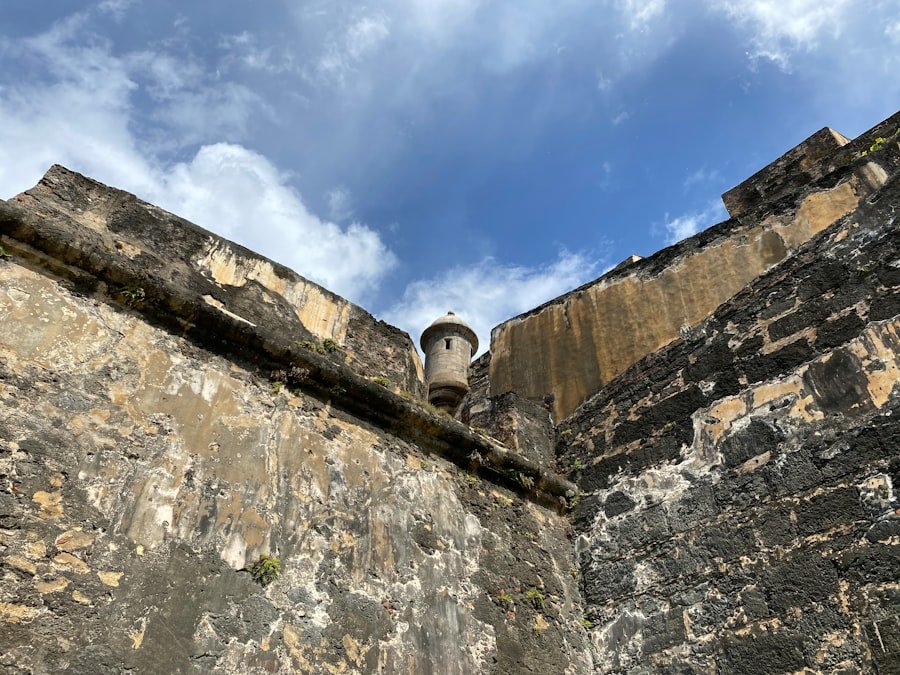
During the Civil War, Fort Gaines played a pivotal role in the defense of Mobile Bay. In 1864, as Union forces sought to gain control over this vital shipping route, Fort Gaines became a focal point in the conflict. The fort was manned by Confederate troops who were determined to protect their territory from Union advances.
The strategic importance of Fort Gaines was underscored during the Battle of Mobile Bay, where it faced intense bombardment from Union naval forces led by Admiral David Farragut. The battle culminated in a fierce confrontation between Union ships and Confederate artillery stationed at Fort Gaines. Despite their valiant efforts, the Confederate defenders were ultimately overwhelmed by superior Union firepower and tactics.
The fall of Fort Gaines marked a significant turning point in the Civil War, as it allowed Union forces to gain control over Mobile Bay and disrupt Confederate supply lines. This loss had far-reaching implications for the Confederacy, contributing to its eventual defeat.
Fort Gaines’ architecture and design
| Aspect | Metric |
|---|---|
| Architectural Style | 19th-century coastal defense fort |
| Construction Material | Brick and concrete |
| Design Features | Bastions, casemates, and gun emplacements |
| Historical Significance | Played a role in the Civil War |
The architectural design of Fort Gaines reflects the military engineering principles of its time. Constructed primarily from brick and tabby concrete—a mixture of lime, sand, water, and oyster shells—the fort’s walls are impressively thick, measuring up to 12 feet in some areas. This robust construction was intended to withstand cannon fire and provide a formidable defense against naval assaults.
The fort’s layout features a star-shaped design with bastions at each corner, allowing for overlapping fields of fire that maximized its defensive capabilities. Inside the fort, visitors can observe various architectural elements that showcase its historical significance. The barracks were designed to accommodate soldiers stationed at the fort, while the powder magazine was constructed with thick walls to safely store munitions.
The fort also features a dry moat that encircles its perimeter, further enhancing its defensive posture. The careful attention to detail in its design not only served practical military purposes but also reflected the aesthetic sensibilities of early 19th-century military architecture.
How to get to Fort Gaines
Reaching Fort Gaines is relatively straightforward, with several transportation options available for visitors. For those traveling by car, Dauphin Island is accessible via a causeway that connects it to the mainland. The drive offers scenic views of coastal landscapes and is an enjoyable journey for those looking to explore the area.
For those preferring public transportation or guided tours, various local services offer shuttle options from nearby cities such as Mobile or Gulf Shores. Additionally, ferry services operate between Dauphin Island and nearby locations, providing an alternative means of access for those arriving by boat.
Regardless of how visitors choose to arrive, the journey to Fort Gaines is often filled with picturesque views and opportunities to appreciate Alabama’s coastal beauty.
Fort Gaines’ impact on the local community
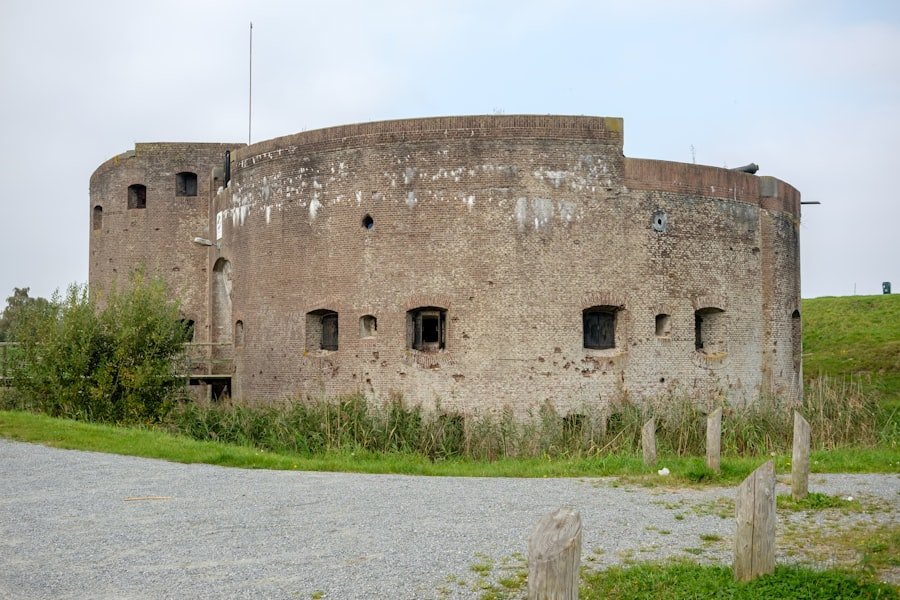
Fort Gaines has had a lasting impact on the local community of Dauphin Island and surrounding areas. Beyond its historical significance as a military installation, the fort has become a symbol of local heritage and pride. Its preservation as a historical site has fostered community engagement and education about the region’s past.
Local schools often organize field trips to Fort Gaines, allowing students to learn about history in an interactive environment. Moreover, Fort Gaines serves as a focal point for tourism on Dauphin Island. The influx of visitors seeking to explore its history contributes significantly to the local economy.
Businesses such as restaurants, shops, and accommodations benefit from tourism generated by interest in Fort Gaines and other attractions on the island. Community events often take place at or near the fort, further strengthening its role as a gathering place for residents and visitors alike.
Fort Gaines’ events and activities
Throughout the year, Fort Gaines hosts a variety of events and activities that celebrate its history and engage visitors in unique ways. One notable event is the annual reenactment of the Battle of Mobile Bay, where participants don period costumes and recreate key moments from this significant conflict. These reenactments provide an immersive experience for attendees, allowing them to witness history come alive through dramatic performances and demonstrations.
In addition to reenactments, Fort Gaines often organizes educational programs aimed at families and school groups. Workshops on topics such as historical cooking or military drills offer hands-on learning experiences that deepen participants’ understanding of life during the fort’s operational years. Seasonal events like ghost tours or lantern-lit walks add an element of intrigue and excitement for those interested in exploring the fort after dark.
Tips for visiting Fort Gaines
When planning a visit to Fort Gaines, there are several tips that can enhance the experience for guests. First and foremost, it is advisable to check the fort’s official website or contact their visitor center for current hours of operation and any special events taking place during your visit. This ensures that guests can make the most of their time at this historic site.
Additionally, wearing comfortable shoes is recommended due to uneven terrain within the fort’s grounds. Exploring various levels and walking along pathways can be more enjoyable with proper footwear. Visitors should also consider bringing sunscreen and water, especially during warmer months when outdoor activities are more prevalent.
For those interested in photography or simply enjoying scenic views, visiting during sunrise or sunset can provide breathtaking backdrops against which to capture images of both the fort and surrounding landscapes.
In summary, Fort Gaines stands as a testament to Alabama’s rich history and cultural heritage.
Its historical significance during pivotal moments such as the Civil War, combined with its architectural beauty and community impact, makes it an essential destination for anyone interested in exploring America’s past. Whether through guided tours or special events, visitors are sure to find something captivating at this historic site on Dauphin Island.
If you’re planning a visit to Fort Gaines and are interested in exploring more of what the area has to offer, you might want to delve into the culinary delights nearby. A related article that could enhance your experience is about making “Delicious Homemade Cottage Cheese: A Simple and Healthy Recipe.” This guide provides a simple recipe that you can try at home, offering a taste of local flavors that might complement your historical journey. For more details, check out the article here.
FAQs
What is Fort Gaines?
Fort Gaines is a historic fort located on Dauphin Island in Alabama. It was built in the early 19th century to protect the entrance to Mobile Bay.
What is the purpose of Fort Gaines?
The primary purpose of Fort Gaines was to defend the strategic entrance to Mobile Bay and the city of Mobile from potential naval attacks.
When was Fort Gaines built?
Fort Gaines was built in the 1820s, with construction continuing through the 1860s. It played a significant role in the Civil War.
Is Fort Gaines open to the public?
Yes, Fort Gaines is open to the public for tours and exploration. It is a popular tourist attraction and offers a glimpse into the history of the area.
What can visitors expect to see at Fort Gaines?
Visitors to Fort Gaines can expect to see well-preserved fortifications, cannons, barracks, and other historic structures. There are also reenactments and educational programs available at certain times.
Is Fort Gaines part of a larger historic site?
Yes, Fort Gaines is part of the larger Historic Fort Morgan site, which includes Fort Morgan, another historic fort located across Mobile Bay from Fort Gaines. Both forts played important roles in the defense of the bay.