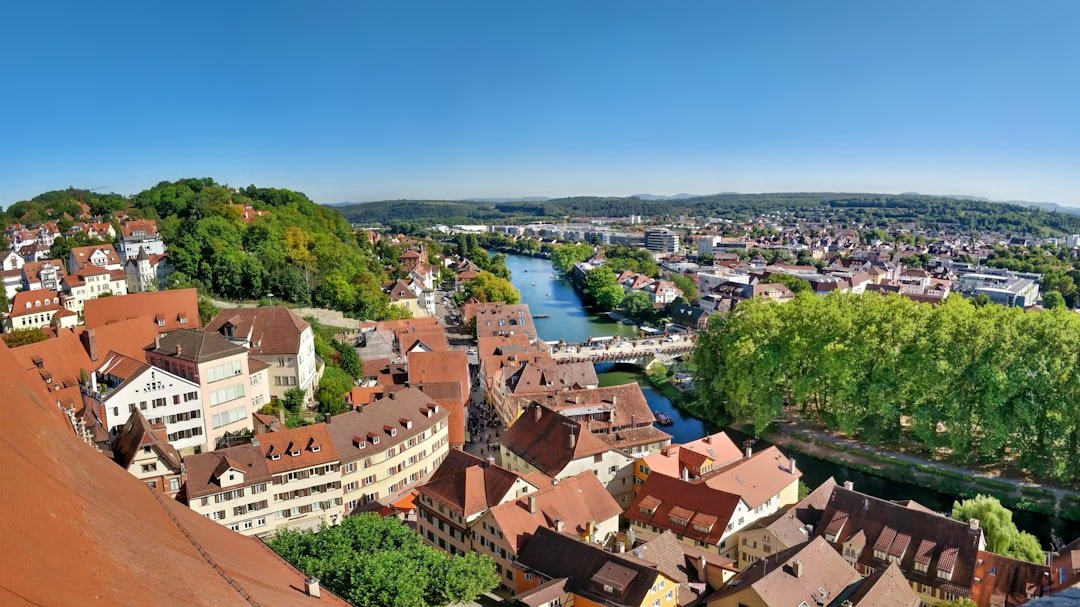
Fribourg is one of Switzerland’s most dramatic medieval treasures, set within a steep loop carved by the Sarine River. Founded in 1157 by Duke Berthold IV of Zähringen, this bilingual city seamlessly unites French and German cultural traditions across its historic quarters. Whether you come to climb gothic bell towers or explore tucked-away fondue cellars, this comprehensive Fribourg travel guide covers the essential sights, dining, and logistics you need to plan a rewarding trip.
Quick Answer
Fribourg is an accessible Swiss destination renowned for its remarkably preserved medieval Old Town, featuring over 200 gothic facades along the Sarine River gorge. Key highlights include the 13th-century Cathedral of St. Nicholas, the 1899 wastewater-powered funicular, the 1653 covered Bern Bridge, and authentic regional fondue moitié-moitié.
Last checked: September 30, 2026. Dates and figures were verified against official sources.
Key Takeaways
- Medieval heritage: Fribourg boasts one of Europe’s largest continuous ensembles of medieval architecture, including 14 historic bridges and accessible fortress ramparts.
- Signature landmarks: Top attractions include the 76-meter Cathedral of St. Nicholas (368 steps), the historic timber Bern Bridge, and the water-ballast funicular.
- Culinary center: Fribourg is the recognized home of fondue moitié-moitié (Gruyère AOP and Vacherin Fribourgeois AOP) and double cream with meringues.
- Complimentary transport: Visitors staying in local commercial lodging receive a free transit card covering city buses and the funicular across Zone 10.
Top Attractions in Fribourg
Fribourg’s top attractions center on its cliffside geography and centuries-old architectural heritage. You can easily navigate the compact historic core on foot while discovering distinct upper and lower districts connected by bridges and stairs.
Cathedral of St. Nicholas
The Cathedral of St. Nicholas is the architectural anchor of the city skyline. Begun in 1283 and completed in 1490, this striking Gothic cathedral sits perched on a rocky promontory 50 meters above the Sarine River. Inside, admire the remarkable stained-glass windows designed by Polish modernist artist Józef Mehoffer and French artist Alfred Manessier, along with an organ built between 1824 and 1834 by Aloys Mooser that attracted composers Franz Liszt and Felix Mendelssohn.
Climbing the 368 steps of the 76-meter bell tower rewards visitors with an unobstructed 360-degree panorama of the historic center, the river meanders, and the distant Prealps. Official parish records and access times are maintained by the Paroisse Saint-Nicolas Fribourg.
Medieval Old Town and Historic Bridges
The Old Town (Basse-Ville) comprises the historic Auge, Neuveville, and Bourg quarters. While not a UNESCO World Heritage site, it ranks among Switzerland’s most intact medieval architectural ensembles, protecting more than 200 Gothic limestone facades dating from the 15th century. Cobblestone lanes lead down to quiet riverbanks lined with historic stone fountains featuring colorful Renaissance figures created by Hans Gieng.
Crossing the Sarine River connects you to centuries of engineering history:
- Pont de Berne (Bern Bridge): Built in 1653 to replace a 13th-century crossing, this is the last surviving covered wooden bridge in Fribourg, supported by massive central stone piers.
- Pont de Zähringen (Zähringen Bridge): Constructed in 1924 with graceful concrete arches, it replaced the famous 1834 “Grand Pont Suspendu” and features an upper roadway for traffic with a pedestrian walkway below.
- Pont du Milieu (Middle Bridge): A handsome three-arch sandstone bridge dating from 1720 that offers classic photographic angles of the cathedral above.
The Wastewater Funicular (Funiculaire Fribourg)
Operating continuously since 1899, the Fribourg funicular is Europe’s last remaining funicular railway powered by wastewater ballast. Designed without an electric motor, the system fills a 3,000-liter counterweight tank on the upper carriage using filtered municipal sewage and runoff. Gravity pulls the heavier descending car down the 55% slope, hoisting the lower car up to Saint-Pierre in approximately two minutes.
Espace Jean Tinguely – Niki de Saint Phalle
Housed in a former city tramway depot built in 1900, this vibrant museum honors Fribourg native Jean Tinguely and his wife, French-American artist Niki de Saint Phalle. Visitors can watch Tinguely’s intricate kinetic metal sculptures clank and spin into action alongside colorful relief figures and voluptuous “Nanas” by Saint Phalle.
Where to Stay in Fribourg
Fribourg provides accommodation options ranging from heritage boutique properties in centuries-old buildings to functional budget hostels. Choosing a location depends on whether you prefer staying in the lively upper town near the train station or down in the tranquil medieval Basse-Ville.

For a historic stay, Hotel de la Rose occupies an elegant 17th-century sandstone building on Rue de Morat, situated just steps from the cathedral. Its central location allows easy access to both upper-town shops and lower-town walking routes, making it an excellent base for sightseeing.
If you prefer an atmospheric lower-town ambiance, Le Sauvage in the Planche-Supérieure district offers boutique rooms within a lovingly restored 16th-century medieval inn. Travelers seeking modern business amenities often choose the Mercure Fribourg Centre Remparts, located near the medieval city walls. Backpackers and budget travelers can book private or shared rooms through local hostels and guesthouses, which provide communal kitchens and straightforward walking access to the rail terminal.
Pro Tip: When checking into any hotel, hostel, or B&B within the city, request your complimentary Fribourg/Freiburg Ticket. This guest card provides unlimited free rides on city buses and the historic funicular across Frimobil Zone 10 for the duration of your stay.
Dining and Cuisine in Fribourg
Fribourg sits at the heart of Swiss dairy country, making it the undisputed capital of artisan cheese gastronomy. The canton’s fertile pastures produce Le Gruyère AOP and Vacherin Fribourgeois AOP, two legendary cheeses that dictate regional dining traditions.
| Specialty | Key Ingredients | Flavor Profile | Traditional Accompaniments |
|---|---|---|---|
| Fondue moitié-moitié | 50% Gruyère AOP, 50% Vacherin Fribourgeois AOP, white wine, garlic | Rich, savory, creamy with a balanced tangy bite | Crusty country bread cubes, cornichons, dry Swiss Chasselas wine |
| Fondue fribourgeoise | 100% Vacherin Fribourgeois AOP, water, crushed garlic | Ultra-creamy, velvety, subtle, and exceptionally digestible | Steamed baby potatoes, warm bread, hot black tea |
| Cuchaule AOP & Bénichon Mustard | Saffron-infused brioche loaf, spiced sweet candied mustard | Sweet, spiced pear vin cuit contrast with delicate saffron bread | Cultured alpine butter, traditional autumn Bénichon banquets |
| Meringues with Double Crème | Egg white meringues, 45% Gruyère double cream | Crisp, sugary crunch paired with thick, rich, spoonable dairy | Fresh local raspberries or stewed Poires à Botzi (AOP pears) |
The standard benchmark fondue across western Switzerland is fondue moitié-moitié. According to specifications from the Interprofession du Vacherin Fribourgeois, the pot combines equal parts grated Gruyère AOP and Vacherin Fribourgeois AOP, blended with a splash of dry white wine and cornstarch over gentle heat.
To experience an authentic communal fondue, visit long-standing institution Café du Midi (Rue de Romont 25), renowned for its traditional wood-paneled interior and classic pots. Another popular venue is Café de l’Ancienne Gare, an active cultural bistro inside the historic 1872 train station building serving regional fondue alongside local craft beers. For contemporary gastronomy, head to Le Pérolles, celebrated in the MICHELIN Guide Switzerland for chef Julien Ayer’s creative, seasonal tasting menus.
Outdoor Activities in Fribourg
Fribourg’s dramatic topography provides a natural playground for walking, hiking, and water sports directly beside the medieval walls. Outdoor activities blend urban history with pristine alpine river ecosystems.
Walking the Medieval Ramparts and Gottéron Gorge
Fribourg features Switzerland’s most extensive surviving medieval fortifications. Stretching over two kilometers, the ramparts include 14 watchtowers and high parapet walls. Between May and October, visitors can walk free of charge along the fortified walls connecting the Belluard Bastion, Tour Henri, and Tour des Rasoirs for sweeping vantage points over the gorge.
For nature walkers, the Gottéron Valley (Vallée du Gottéron) begins directly east of the Old Town. A marked trail winds beneath towering limestone cliffs along a rushing stream, crossing wooden bridges and mossy footpaths where local folklore says a dragon once lived.
Sarine River Recreation and Gantrisch Nature Park
The Sarine River meanders gently through the lower valley, allowing for summer canoeing and stand-up paddleboarding during calm water levels. Swimmers gather at the historic Bains de la Motta, an open-air public pool opened in 1923 that sits beneath the rocky cliffs of the upper town.
Located roughly 25 kilometers northeast, the Regional Nature Park Gantrisch offers elevated Prealpine terrain. Outdoor enthusiasts travel to the park for marked day hikes such as the Gantrisch Panorama Trail, road cycling through the Gurnigel Pass, and winter cross-country skiing across snowfields with views extending to the Bernese Oberland peaks.
Shopping and Markets in Fribourg
Shopping in Fribourg blends weekly open-air agricultural markets with specialized artisan boutiques along pedestrianized shopping streets.

Every Wednesday and Saturday morning, the Place de l’Hôtel-de-Ville and Grand-Rue host the city’s traditional farmers’ market. Regional farmers gather to sell wheels of alpine Gruyère, cured sausages, seasonal mountain honey, and fresh Cuchaule loaves directly from wooden stalls.
For artisan gifts, wander the cobblestones of Rue de Lausanne and Rue de Pont-Muré. Boutiques here showcase regional ceramics, hand-carved wooden kitchenware, and fine chocolates. Be sure to stop by local chocolatiers to sample artisan pralines and chocolate pavés, which celebrate Switzerland’s rich cocoa heritage.
Events and Festivals in Fribourg
Fribourg maintains a busy cultural calendar that reflects both solemn religious roots and contemporary arts communities.
Fête de la Saint-Nicolas (St. Nicholas Festival)
Held annually on the first Saturday of December, the Saint-Nicolas festival is Fribourg’s signature celebration, drawing between 25,000 and 30,000 attendees. Saint Nicholas, the patron saint of the city, rides through the medieval center on a donkey accompanied by his helper, Père Fouettard (Father Whipper), and musicians.
The procession concludes outside the cathedral, where Saint Nicholas delivers a witty, satirical speech from the balcony reviewing the city’s political and civic year. Families gather in the surrounding streets to enjoy warm spiced wine, roasted chestnuts, and traditional biscôme gingerbread.
Cultural and Cinema Festivals
Each March, the Fribourg International Film Festival (FIFF) showcases world cinema, focusing on independent directors and narratives from Asia, Africa, and Latin America. In June and July, the Belluard Bollwerk International transforms the 15th-century artillery fortress into an open-air stage for avant-garde theater, contemporary dance, and digital art installations.
Practical Information for Visiting Fribourg
Planning your trip with a clear understanding of transport, terrain, and weather ensures smooth travel across the canton.
Getting There and Public Transit
Fribourg is an effortless rail trip on the Swiss Federal Railways (SBB) network. Direct InterCity trains connect Fribourg railway station to major hubs every 30 minutes:
- Bern: 20 minutes
- Lausanne: 45 minutes
- Geneva Airport: 1 hour 20 minutes
- Zurich Central Station: 1 hour 25 minutes
Travelers exploring for the day without an overnight hotel booking can purchase the official Fribourg City Card via Fribourg Tourisme et Région. Available from CHF 15, the pass covers public transit in Zone 10, the funicular, entry to the cathedral tower, and admission to multiple city museums.
Warning: Fribourg features roughly 100 meters of vertical drop between the upper shopping district and the river basin. Expect steep cobblestone lanes and long flights of stone stairs. Wear footwear with dependable traction, and use the funicular or local bus line 4 to avoid difficult uphill climbs.
Best Time to Visit
The most favorable season for touring Fribourg runs from May through October. Summer daytime temperatures average comfortable highs of 22°C to 24°C (72°F to 75°F), ideal for walking the ramparts and sitting at outdoor riverside terraces. Autumn brings crisp air and the traditional harvest feast of Bénichon in September and October. Winter temperatures hover between -2°C and 4°C (28°F to 39°F); while cold, early December offers the unforgettable spectacle of the Saint-Nicolas festival.
If you are planning an extended journey through western Switzerland and require additional travel planning tips, explore the Sample Page on Tagline Today for supplemental travel articles and destination insights.
Frequently Asked Questions
What is Fribourg best known for?
Fribourg is best known for its exceptionally preserved medieval Old Town featuring over 200 Gothic facades along the Sarine River. It is equally famous for its bilingual French and German culture, the 1899 wastewater-powered funicular, the 76-meter Cathedral of St. Nicholas, and authentic fondue moitié-moitié.
Is Fribourg’s Old Town a UNESCO World Heritage site?
No, Fribourg’s Old Town is not inscribed as a UNESCO World Heritage site, although neighboring Bern holds that status. Nevertheless, Fribourg contains one of Europe’s largest and best-preserved ensembles of medieval military and civic architecture, protected under rigorous Swiss heritage laws.
What makes the Fribourg funicular unique in Europe?
The Fribourg funicular is unique because it operates entirely without an engine, powered by wastewater and gravity. Opened in 1899, it uses filtered municipal wastewater loaded into a tank on the upper car to counterbalance and pull the ascending carriage up the steep 55% slope.
What is the best time of year to visit Fribourg?
The best time to visit Fribourg is from May to October, when mild weather permits comfortable walking along the medieval ramparts and riverside gorges. Early December is another popular window specifically to attend the annual Saint-Nicolas parade and winter markets.
What cheeses are used in authentic Fribourg fondue?
Authentic fondue moitié-moitié uses equal parts Le Gruyère AOP and Vacherin Fribourgeois AOP melted with dry white wine and garlic. Alternatively, pure fondue fribourgeoise uses 100% Vacherin Fribourgeois melted gently with water, creating a mild and velvety dish served with boiled potatoes.
Sources
- Fribourg Tourisme et Région: Official visitor guide detailing Old Town architectural walking itineraries, museum passes, and the Fribourg City Card.
- Paroisse Saint-Nicolas Fribourg: Cathedral construction history (1283–1490), tower dimensions, and Saint-Nicolas festival procession records.
- MICHELIN Guide Switzerland: Culinary evaluation and current classification for Le Pérolles in Fribourg.
- Interprofession du Vacherin Fribourgeois: Authentic preparation standards, cheese ratios, and protected designation specifications for regional fondue.
- Festival International de Films de Fribourg (FIFF): Annual festival scheduling, cinematic categories, and event locations.