
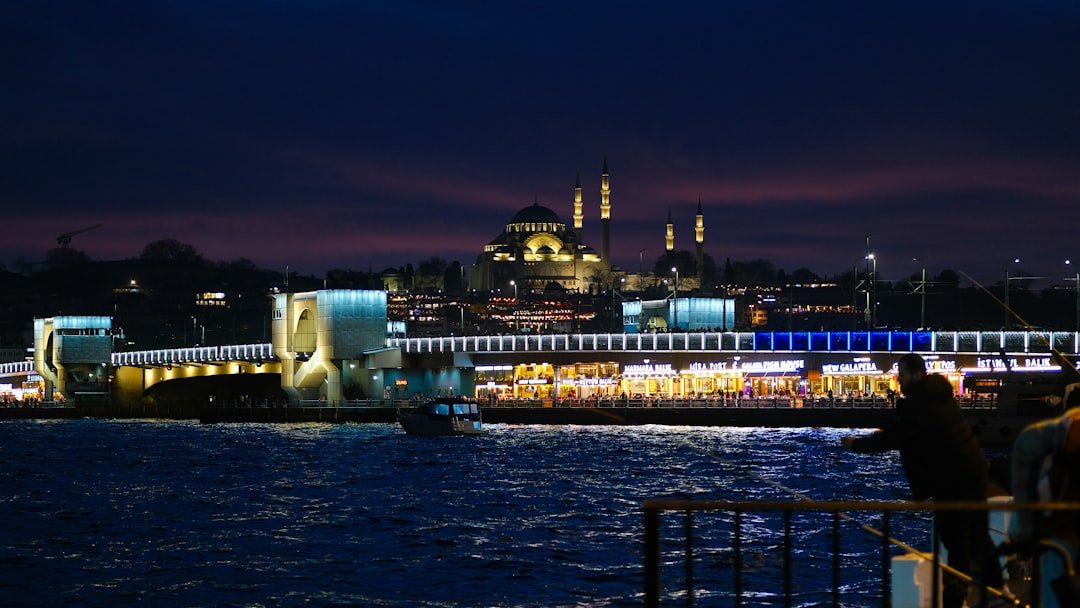
Istanbul attractions bring together Byzantine churches and mosaics, Ottoman mosques and palaces, centuries-old markets, and one of the world’s most distinctive urban waterways. For a first visit, Hagia Sophia, the Blue Mosque, Topkapı Palace, the Grand Bazaar, and a Bosphorus cruise form the core of a strong sightseeing plan, while the Spice Bazaar, Galata Tower, and Kariye Mosque add very different views of the city’s history.
Quick Answer
For a first trip, prioritize Hagia Sophia and the Blue Mosque in Sultanahmet, then allow several hours for Topkapı Palace. Add the Grand Bazaar for historic shopping and a Bosphorus cruise for city views from the water. Galata Tower, the Spice Bazaar, and Kariye Mosque are excellent additions when you have more time.
Last checked: October 1, 2026. Dates and figures were verified against official sources.
Key Takeaways
- Hagia Sophia and Kariye are active mosques today, so older guides that describe them simply as museums are outdated.
- Hagia Sophia, the Blue Mosque, Topkapı Palace, and the Grand Bazaar can be grouped efficiently around the Historic Peninsula.
- Topkapı Palace is closed on Tuesdays, while Galata Tower is currently listed as open every day.
- A public Şehir Hatları Bosphorus tour is a straightforward alternative to private sightseeing cruises.
- Kariye is farther from the main Sultanahmet cluster but rewards visitors interested in Byzantine mosaics and frescoes.
Istanbul Attractions at a Glance
The main sights are not all the same kind of visit. Some are active places of worship, some are ticketed museums, and others are working markets or public ferry experiences. Knowing that difference before you set out helps you build a realistic day.
| Attraction | Area | Visit type | Useful detail |
|---|---|---|---|
| Hagia Sophia | Sultanahmet | Active mosque and tourist gallery route | Foreign tourist access was separated from worship access under the visitor-management plan. |
| Blue Mosque | Sultanahmet | Active mosque | Best known for its six minarets and blue-dominated İznik tile decoration. |
| Grand Bazaar | Beyazıt | Historic covered market | GoTürkiye describes nearly 61 shopping streets and alleys with up to about 4,000 shops. |
| Topkapı Palace | Sultanahmet | Museum-palace | Closed Tuesdays; the foreign visitor combined ticket was 2,750 TL when checked. |
| Bosphorus cruise | Eminönü and Bosphorus | Public sightseeing ferry | Şehir Hatları operates both short and long Bosphorus tours. |
| Spice Bazaar | Eminönü | Historic market | A compact stop for spices, tea, dried fruit, sweets, nuts, and food products. |
| Galata Tower | Beyoğlu | Tower museum and viewpoint | Official 2026 listing: €30 for foreign visitors. |
| Kariye Mosque | Edirnekapı | Active mosque and heritage monument | Known for major late Byzantine mosaics and frescoes. |
Hagia Sophia: Istanbul’s Byzantine and Ottoman Landmark
Hagia Sophia is one of the most important Istanbul attractions because one building preserves major chapters of Eastern Roman, Ottoman, and modern Turkish history. Built under Emperor Justinian I in 532–537, it became famous for its immense dome, marble interior, mosaics, and the Islamic elements added after the Ottoman conquest.
The building served as a cathedral for centuries before Sultan Mehmed II converted it into a mosque after the conquest of Constantinople in 1453. Minarets, large calligraphic roundels, a mihrab, and other Ottoman additions became part of the structure without erasing its earlier Byzantine character.
Hagia Sophia became a museum in 1935 and returned to use as a mosque in 2020. That means the original statement that it is “today” a museum is no longer accurate.
For foreign visitors entering for cultural or touristic purposes, the Ministry of Culture and Tourism introduced a separate gallery-level visitor route on January 15, 2024. The plan directs tourists through the upper gallery, where they can see the prayer hall from above and examine surviving Byzantine mosaics without disrupting worship. The same announcement set the foreign tourist admission fee at €25. Read the Ministry’s Hagia Sophia visitor-management announcement for the access model.
The most rewarding part of a visit is the overlap of traditions. Byzantine mosaics sit within a building that remains an active mosque, while the huge dome still demonstrates why Hagia Sophia influenced later church and mosque architecture across a wide region.
The Blue Mosque
The Blue Mosque, formally Sultan Ahmed Mosque, is the natural companion to Hagia Sophia because the two monumental buildings face the same historic square. It remains an active mosque and is especially known for its six minarets, cascading domes, spacious courtyard, and blue-dominated İznik tiles.
Sultan Ahmed I commissioned the mosque, and architect Sedefkâr Mehmed Ağa designed it. Construction took place from 1609 to 1616. Inside, thousands of ceramic tiles, floral motifs, calligraphy, stained-glass openings, and the scale of the central prayer space create a very different atmosphere from Hagia Sophia.
The official GoTürkiye Blue Mosque guide highlights the six minarets and İznik tile decoration that gave the mosque its familiar English nickname.
Because this is a functioning place of worship rather than simply a monument, visit respectfully. Avoid disrupting prayers, dress modestly, follow the instructions at the entrance, and expect visitor access to be managed around religious services.
A useful way to appreciate the exterior is to walk across Sultanahmet Square rather than viewing it only from the entrance. From farther back, you can see how the central dome, half-domes, smaller domes, and minarets form one balanced composition.
The Grand Bazaar
The Grand Bazaar is the place to experience Istanbul’s historic trading culture rather than simply shop for souvenirs. Dating to the Ottoman period after the 1453 conquest, the covered market developed into a dense network of lanes selling jewelry, carpets, textiles, leather goods, ceramics, antiques, and gifts.
)
GoTürkiye describes the bazaar as having nearly 61 shopping streets and alleys and up to about 4,000 shops. That scale explains why a quick walk through one entrance gives only a small sense of the place. See the official Grand Bazaar overview for its layout and historic role.
Shopping here is partly about conversation. Some merchants may invite you to look more closely at an item, explain its origin, or discuss a price. Bargaining remains common in many shops, especially for higher-priced goods, but you are not required to buy simply because a seller has spent time showing you something.
Pro Tip: Decide what you actually want before negotiating. For valuable carpets, jewelry, antiques, or branded goods, focus on provenance, quality, and documentation rather than treating the lowest quoted price as the only measure of value.
The bazaar also works as a sightseeing stop even if you buy nothing. Look up at the vaulted roofs, explore the older market halls, and notice how different trades tend to cluster in particular lanes. That structure reflects the bazaar’s long history as an organized commercial district rather than a modern shopping center.
Topkapı Palace
Topkapı Palace is the most important stop for understanding how the Ottoman court actually functioned. Sultan Mehmed II began the palace after the conquest of Constantinople, with construction carried out from 1460 to 1478. Later rulers continued adding buildings, gardens, kiosks, chambers, and ceremonial spaces.
| Category | Metric |
|---|---|
| Location | Sultanahmet, Istanbul, Türkiye |
| Construction | 1460-1478 |
| Historic Area | About 700,000 square meters at its historical extent; nearly 350,000 square meters today excluding Gülhane Park |
| Architectural Style | Ottoman palace complex developed over several centuries |
| Significance | Ottoman administrative, educational, artistic, and residential center for nearly four centuries |
The palace is arranged around successive courtyards instead of one enormous building. Important sections include the Imperial Council area, treasury rooms, palace school spaces, private residential quarters, gardens, pavilions, and the Harem.
The Harem is particularly useful for understanding the private and dynastic side of palace life. Rather than being one grand room, it is a complex of corridors, courtyards, apartments, service areas, and ceremonial rooms connected to the household of the sultan and royal family.
The palace collections include imperial objects, manuscripts, arms, decorative arts, and sacred relics. The setting is just as important: terraces and gardens look toward the Bosphorus, the Golden Horn, and the Sea of Marmara.
According to the Presidency of National Palaces, Topkapı Palace is closed on Tuesdays. When checked on October 1, 2026, ticket offices were listed as opening at 09:00 and closing at 17:00, and the foreign visitor combined ticket for Topkapı Palace, Hagia Irene, and the Harem was 2,750 TL.
Do not treat Topkapı as a one-hour photo stop. The palace tells its story through a sequence of courtyards and restricted spaces, so rushing through the entrance and treasury alone misses much of what makes the complex important.
The Bosphorus Cruise
A Bosphorus cruise shows the geography that explains Istanbul better than almost any land-based viewpoint. From the water, you can see how historic palaces, mosques, fortifications, waterfront mansions, ferry piers, bridges, and modern neighborhoods line the channel separating the European and Asian sides.
You do not need a private yacht to get this perspective. Istanbul’s municipal ferry operator, Şehir Hatları, runs scheduled short and long Bosphorus sightseeing tours as part of its public service.
For the winter timetable in effect from September 7, 2026 through June 27, 2027, Şehir Hatları announced that both the Short Bosphorus Tour and Long Bosphorus Tour would operate daily. The Short Bosphorus Tour timetable showed a 14:40 departure from Eminönü, stopping at Üsküdar before reaching Ortaköy.
The operator’s Bosphorus tour fare table listed the Short Bosphorus Tour at 170 TL for a local passenger and 340 TL for a foreign passenger when checked. The long tour was listed at 320 TL round trip for a local passenger and 640 TL for a foreign passenger.
The long tour reaches much farther up the strait and gives you time to see neighborhoods and shorelines beyond central Istanbul. The short tour is easier to fit into a crowded sightseeing day.
From the water, look for Dolmabahçe Palace, Ortaköy Mosque, waterfront mansions known as yalı, the Bosphorus bridges, fortifications, and the contrasting density of the European and Asian shores. Sunset can be beautiful, but daylight makes architectural details easier to see.
The Spice Bazaar
The Spice Bazaar, also called the Egyptian Bazaar or Mısır Çarşısı, is a smaller and more food-focused market than the Grand Bazaar. Built in the 17th century beside the New Mosque complex in Eminönü, it remains one of the easiest places to explore Istanbul’s traditional food-shopping culture.
)
Inside, you will find stalls selling spices, tea, dried fruit, nuts, Turkish delight, sweets, dried foods, and other specialty products. The surrounding Eminönü lanes expand the experience with cheese shops, coffee sellers, fishmongers, bakeries, and other food businesses.
The bazaar was historically connected with the trade in spices arriving through Egypt, which is why the Turkish name translates as Egyptian Bazaar. Today, however, the merchandise extends far beyond spices.
If you are buying saffron, tea, spice blends, lokum, or other packaged foods, compare several stalls before committing. Prices, quality, packaging, and intended use can differ substantially even when products look similar from a distance.
The Spice Bazaar combines well with a Bosphorus cruise because Eminönü ferry piers are nearby. It also fits naturally into a walking day that includes the New Mosque, the waterfront, and the route uphill toward the Grand Bazaar.
Galata Tower
Galata Tower is one of the best-known viewpoints in central Istanbul and an important landmark on the north side of the Golden Horn. The present medieval tower was built by the Genoese in the 14th century as part of the fortified Galata settlement and later served several functions under Ottoman rule.
The tower was used at different times as a prison and fire lookout. Its modern museum presentation explains periods of Istanbul’s history, while the upper level provides broad views toward the Historic Peninsula, Golden Horn, Bosphorus, and surrounding Beyoğlu rooftops.
The official museum page says the tower was restored again in 2020 and that later concrete additions and the former cafeteria were removed. That makes older descriptions of a café at the top outdated.
As of October 1, 2026, the official Galata Tower museum listing showed the site as open every day, with regular opening at 08:30, closing at 18:30, and ticket-office closing at 18:14. The foreign visitor e-ticket price was listed as €30.
The tower works especially well before or after exploring Karaköy and İstiklal-area streets. If panoramic photography is your priority, clear daylight will usually reveal more detail than a very late visit.
Kariye Mosque, Formerly the Chora Church
Kariye Mosque is one of Istanbul’s strongest stops for Byzantine art. Known historically as the Church of the Holy Saviour in Chora, the building is especially famous for its 14th-century mosaics and frescoes depicting scenes connected with Christ, the Virgin Mary, biblical genealogy, resurrection, and salvation.
The surviving decoration belongs largely to the Palaiologan period and is much more intimate than the vast interior of Hagia Sophia. Figures appear in expressive poses, and the narrative cycles unfold across domes, vaults, walls, and passage spaces at close range.
The building was converted into a mosque during the Ottoman period, became a museum in the 20th century, and was redesignated as a mosque in 2020. Following restoration, it reopened for worship and visitors on May 6, 2024, according to the official GoTürkiye Kariye Mosque guide.
The Ministry’s 2024 visitor-management announcement stated that Fridays would be reserved for worship, while tourist visits could take place on other days outside prayer periods. It also announced a €20 fee for foreign tourists at that time. Because I did not find a newer official Kariye tariff during this 2026 check, treat €20 as the last confirmed ministry-announced figure rather than assuming it cannot change.
Kariye sits in Edirnekapı, away from the main Sultanahmet cluster. That extra travel time is worthwhile if Byzantine art is one of your main interests. Its mosaics and frescoes provide a level of narrative detail that complements rather than duplicates Hagia Sophia.
How to Plan These Istanbul Attractions
The easiest approach is to group sights by neighborhood instead of crossing the city repeatedly. Sultanahmet and the wider Historic Peninsula hold most of the headline attractions, while Galata Tower and Kariye require separate short journeys in different directions.
Day 1: Sultanahmet and Topkapı
Start with Hagia Sophia and the Blue Mosque because they face the same historic square. Then continue to Topkapı Palace and give the palace enough time for its courtyards, collections, viewpoints, and Harem if your ticket includes it.
This grouping minimizes transport and gives you a coherent introduction to Eastern Roman and Ottoman Istanbul. If you still have energy, walk through nearby historic streets rather than adding another distant attraction.
Day 2: Markets and the Bosphorus
Visit the Grand Bazaar, work downhill through the commercial streets toward the Spice Bazaar, then continue to Eminönü for a Bosphorus ferry. This creates a natural progression from Ottoman trading districts to the waterfront.
If you plan to use the scheduled short or long Şehir Hatları sightseeing tour, build the day around its departure rather than arriving at Eminönü after the boat has left.
Day 3: Galata and Kariye
Galata Tower and Kariye Mosque are not beside each other, but each adds something the Historic Peninsula core does not. Galata gives you a broad city panorama, while Kariye offers one of the finest concentrations of late Byzantine mosaics and frescoes.
If you have only two days, choose between them according to your interests: Galata for the viewpoint and Beyoğlu atmosphere, or Kariye for art, religious history, and a quieter heritage stop.
If you’re looking for a food-related article from this site, see this homemade cottage cheese recipe.
Frequently Asked Questions
What are the top attractions in Istanbul?
The essential Istanbul attractions for most first-time visitors are Hagia Sophia, the Blue Mosque, Topkapı Palace, the Grand Bazaar, and a Bosphorus cruise. The Spice Bazaar, Galata Tower, and Kariye Mosque are strong additions because each shows a different side of the city’s history, architecture, shopping culture, or geography.
What are some must-do activities in Istanbul?
Must-do activities include exploring Sultanahmet, touring Topkapı Palace, walking through the Grand Bazaar and Spice Bazaar, and seeing Istanbul from the Bosphorus. Add time for a neighborhood walk, Turkish food, and at least one elevated viewpoint so you experience the city from street level, water level, and above.
What is the best time to visit Istanbul?
Spring and autumn are often the most comfortable seasons for sightseeing because long walking days are generally easier than during peak summer heat or colder winter weather. Istanbul is a year-round city, though, and museums, mosques, markets, ferries, restaurants, and neighborhoods still provide plenty to do outside those shoulder seasons.
What cultural experiences should you have in Istanbul?
Good cultural experiences include visiting an active historic mosque respectfully, taking a traditional hammam bath, exploring food markets, riding a public ferry, and seeing Ottoman and Byzantine art in its original architectural setting. A Whirling Dervish ceremony can also provide context for the city’s long connection with Sufi traditions.
What are some family-friendly attractions in Istanbul?
Family-friendly options include Miniatürk, Istanbul Aquarium, ferry trips, waterfront parks, and a day trip to the Princes’ Islands. Older children who enjoy history may also like Topkapı Palace, Galata Tower, and the major bazaars, although younger children can tire quickly during long palace or museum visits.
What are some less obvious historic places to visit in Istanbul?
Kariye Mosque, Süleymaniye Mosque, and the Fener and Balat districts add depth beyond the headline Sultanahmet sights. Kariye is particularly worthwhile for Byzantine mosaics and frescoes, while Süleymaniye combines monumental Ottoman architecture with expansive city views and Fener-Balat preserves layers of neighborhood history.
How many days do you need for the main Istanbul attractions?
Three days gives you a practical minimum for the attractions in this guide without forcing every major stop into one exhausting itinerary. Use one day for Sultanahmet and Topkapı, one for the bazaars and Bosphorus, and one for Galata, Kariye, or neighborhoods that match your interests.
Are Istanbul attractions open every day?
No, opening patterns vary by attraction. Topkapı Palace is officially closed on Tuesdays, while Galata Tower is currently listed as open every day. Active mosques follow worship schedules, and markets and ferry services operate on their own calendars, so plan around the specific attraction rather than assuming one citywide schedule.
Sources
- Türkiye Ministry of Culture and Tourism: Hagia Sophia visitor plan: Supports the separate tourist gallery route and the €25 foreign tourist fee announced in 2024.
- GoTürkiye: Blue Mosque: Supports the mosque’s active status, six minarets, and İznik tile decoration.
- GoTürkiye: Grand Bazaar: Supports the market’s scale, history, and approximately 61 shopping streets and alleys.
- Presidency of National Palaces: Topkapı Palace: Supports construction dates, historical area, closure day, ticket-office hours, and current ticket prices.
- Şehir Hatları: Short Bosphorus Tour: Supports the scheduled Eminönü, Üsküdar, and Ortaköy sightseeing service.
- Şehir Hatları: Bosphorus tour fares: Supports current short- and long-tour fare information.
- Türkiye Museums: Galata Tower: Supports current opening information, museum status, restoration history, and the removal of the former cafeteria.
- GoTürkiye: Kariye Mosque: Supports Kariye’s history, Byzantine mosaics and frescoes, mosque status, restoration, and May 2024 reopening.


[…] tell unique stories that stand out in the indie film scene. Additionally, the state’s diverse historical landmarks can provide unique backdrops that enhance storytelling and visual […]