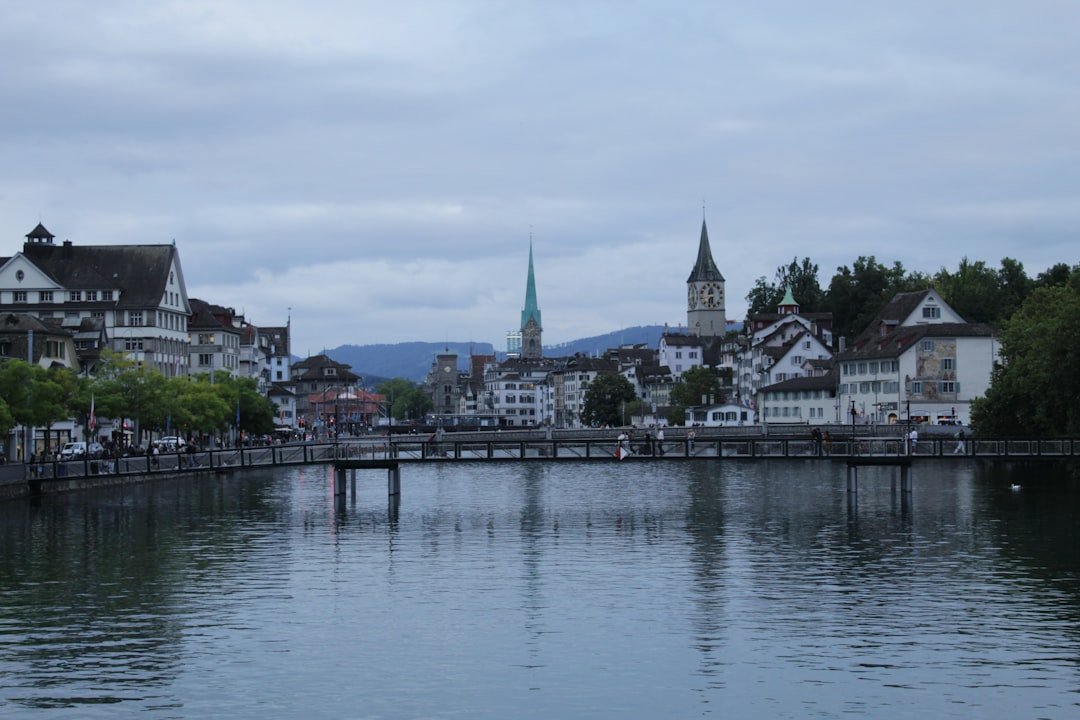
Nestled between the snow-dusted Swiss Alps and the serene shores of Lake Lucerne (Vierwaldstättersee), Lucerne is the cultural heart of central Switzerland. With its preserved medieval quarters, historic covered bridges, and immediate access to alpine peaks like Mount Pilatus and Mount Rigi, the city provides an ideal entry point to Swiss culture and landscape. Spending 72 hours here offers the ideal balance of urban discovery, scenic lake navigation, and high-altitude exploration.
Quick Answer
The ideal 3-day Lucerne itinerary dedicates Day 1 to walking the Old Town, crossing Chapel Bridge, and climbing the medieval Musegg Wall; Day 2 to taking a scenic lake cruise and completing the Mount Pilatus Golden Round Trip; and Day 3 to exploring the Swiss Museum of Transport, the Rosengart Collection, and waterfront promenades.
Key Takeaways
- Day 1: Explore medieval Lucerne on foot—visiting Chapel Bridge, Spreuer Bridge, the Jesuit Church, the Lion Monument, and the ramparts of Musegg Wall.
- Day 2: Experience the “Golden Round Trip” across Lake Lucerne and ascend Mount Pilatus via the world’s steepest cogwheel railway.
- Day 3: Discover Switzerland’s most visited cultural site, the Swiss Museum of Transport, alongside world-class art at the Rosengart Collection and lakeside architecture.
- Transport Perk: Overnight guests receive the complimentary Lucerne Visitor Card, granting unlimited bus and train travel within city Zone 10.
- Culinary Must-Try: Sample authentic regional cheese fondue and traditional Lozärner Chügelipastete at historic Old Town taverns.
At a Glance
| Time Required | 3 Full Days (72 Hours) |
| Difficulty | Easy to Moderate (Leisurely walking and scenic mountain transit) |
| Tools & Passes Needed | SBB Mobile App, Swiss Travel Pass or Tell-Pass, Lucerne Visitor Card, Sturdy Walking Shoes |
| Average Daily Budget | 140–350 CHF ($160–$395) per person (excluding luxury accommodation) |
Day 1: Historic Old Town, Covered Bridges, and Medieval Ramparts
Begin your 72-hour journey by exploring Lucerne’s car-free Altstadt (Old Town), situated primarily along the northern and southern banks of the Reuss River. The area is filled with preserved medieval guild halls, frescoed buildings, and stone-paved public squares that trace their heritage back centuries.
Morning: Chapel Bridge, Water Tower, and Spreuer Bridge
Your first stop is the world-renowned Chapel Bridge (Kapellbrücke). Constructed around 1365 as an integral component of the town’s outer fortifications, this covered wooden footbridge spans diagonally across the Reuss River. As you walk underneath its timber roof trusses, look up at the triangular painted panels depicting centuries of regional history, civic patrons, and Swiss mythology.
Adjacent to the bridge sits the octagonal Wasserturm (Water Tower), an imposing 34-meter stone tower that pre-dates the bridge itself. Over the centuries, it has served various municipal functions, including a treasury, an archive, and a secure prison.
Cross over to the southern riverbank to tour the Jesuit Church (Jesuitenkirche), dedicated in 1677. Regarded as Switzerland’s first major baroque sacred building, its interior features magnificent white stucco work, trompe-l’œil ceiling frescoes, and a striking high altar that provides a stark architectural contrast to Lucerne’s Gothic structures.
Continue downriver along the promenade to cross the 15th-century Spreuer Bridge (Spreuerbrücke). Completed in 1408, this smaller wooden covered footbridge contains a celebrated series of 67 interior panel paintings executed between 1626 and 1635 by Caspar Meglinger, depicting the haunting late-medieval allegory of the Totentanz (Dance of Death).
Midday: Old Town Squares and Riverside Lunch
Head into the heart of the pedestrianized Altstadt to wander through the Weinmarkt, Hirschenplatz, and Kornmarkt squares. Pay close attention to the intricate painted facades illustrating historic guilds, Biblical scenes, and regional folklore. Stop at a riverside terrace along the Unter der Egg promenade for lunch, sampling fresh fish from Lake Lucerne or light Swiss fare while watching the river rush beneath the wooden bridges.
Afternoon: Musegg Wall, Lion Monument, and Glacier Garden
From the riverbanks, hike gently northward toward the Musegg Wall (Museggmauer). Built in the late 14th century after the Battle of Sempach, this surviving section of the city’s defensive fortification features nine imposing stone towers. Four of these towers—including the Männli, Zyt, Wacht, and Schirmer—are open to visitors from spring through autumn. The Zyt tower houses the city’s oldest astronomical clock, crafted by Hans Luter in 1535, which holds the unique historic privilege of chiming one minute before all other municipal church bells.
Pro Tip: Climbing to the ramparts between the towers of the Musegg Wall provides the best panoramic vantage point in Lucerne, framing the medieval towers, Lake Lucerne, and Mount Pilatus in a single shot without any entrance fees.
Descending from the ramparts, take a brief 10-minute walk east to the world-famous Lion Monument (Löwendenkmal), located in a quiet former sandstone quarry park. Carved directly into the rock cliff by stonecutter Lukas Ahorn following a model by Danish sculptor Bertel Thorvaldsen, the monument depicts a dying lion shielding a shield with the French royal fleur-de-lis. It commemorates the Swiss Guards massacred during the storming of the Tuileries Palace in Paris in 1792. American author Mark Twain famously characterized it as “the most mournful and moving piece of stone in the world.”
Directly beside the monument entrance lies the Glacier Garden (Gletschergarten). This geological site reveals 20,000-year-old glacier potholes formed during the last Ice Age, alongside fossilized prehistoric palm leaves, an underground sandstone cavern experience, and an entertaining 90-mirror labyrinth built in 1896 based on the Alhambra Palace.
Evening: Château Gütsch Sunset and Traditional Dinner
To end your first day, board the historic Gütsch Funicular (Gütschbahn) on the western edge of town to reach the terrace of Château Gütsch. Enjoy an aperitif while taking in sweeping bird’s-eye vistas of the city rooftops and the lake before heading down into the Old Town for a traditional dinner of cheese fondue or roasted bratwurst.
Day 2: Discover the Lake and Mount Pilatus (The Golden Round Trip)
On your second day, leave the city streets behind for an alpine adventure via the Pilatus Golden Round Trip, a seamlessly choreographed excursion that combines a scenic boat cruise, the world’s steepest cogwheel railway, an aerial cableway, and municipal transit.
Morning: Historic Lake Cruise to Alpnachstad
Begin your morning at the boat docks located directly opposite the Lucerne Central Station (Bahnhof Luzern). Board an historic paddle steamer or modern motor vessel operated by the Lake Lucerne Navigation Company (SGV). Over the course of the 50-to-90-minute cruise across the southern arm of Lake Lucerne (Alpnachersee), glide past dramatic wooded cliffs, historic lakeside villas, and quiet bays, with the jagged summit of Mount Pilatus looming ahead.
Midday: Ascend via the World’s Steepest Cogwheel Railway
Disembark at the Alpnachstad boat pier and walk directly across the street to the lower terminus of the Pilatus Cogwheel Railway. First engineered and opened in 1889 by Eduard Locher, this railway utilizes a unique horizontal cogwheel engagement system to conquer an astonishing maximum gradient of 48%. Over the 30-minute ascent, the train climbs past alpine pastures, sheer rock faces, and tunnels carved through limestone cliffs before arriving at Pilatus Kulm (2,132 m / 6,995 ft).
Warning: The Pilatus cogwheel railway from Alpnachstad operates strictly from May through mid-November due to heavy winter snowdrifts. If visiting between late November and April, you must travel to the summit and back via the year-round panorama gondolas and aerial cableway from Kriens.
At Pilatus Kulm, take in panoramic 360-degree vistas across 73 distinct Alpine peaks. Walk the weather-sheltered cliff paths of the Dragon Trail (Drachenweg), or take the 10-to-15-minute trail up to the observation summits of Esel or Oberhaupt. On cloudless days, visibility stretches across central Switzerland to the Jura mountain range and Germany’s Black Forest. Enjoy lunch at the summit’s historic Hotel Pilatus-Kulm restaurant or grab a bite on the sun terrace.
Afternoon: Dragon Ride Cableway Descent to Kriens
Begin your descent down the northern face of the massif by boarding the “Dragon Ride” aerial cableway. This panoramic cable car features cockpit-style floor-to-ceiling windows, descending in under four minutes to the intermediate alpine hub of Fräkmüntegg. Families and adventure seekers can stop here to experience central Switzerland’s longest summer toboggan run (Rodelbahn) or navigate the ropes course in the forest.
From Fräkmüntegg, transfer to the comfortable four-passenger panoramic gondolas for a tranquil 30-minute journey gliding above pine forests down to the valley station in Kriens. From the Kriens station, follow the signposted 10-minute downhill walk to the Kriens Zentrum bus stop.
Evening: Return to Central Lucerne
Board municipal Bus 1 at Kriens Zentrum, which delivers you back to Lucerne Central Station in approximately 15 minutes (fully covered by the Lucerne Visitor Card). Conclude your afternoon by resting along the waterfront promenade or enjoying an early evening drink at a lakeside terrace.
Day 3: Visit the Museums and Cultural Sites
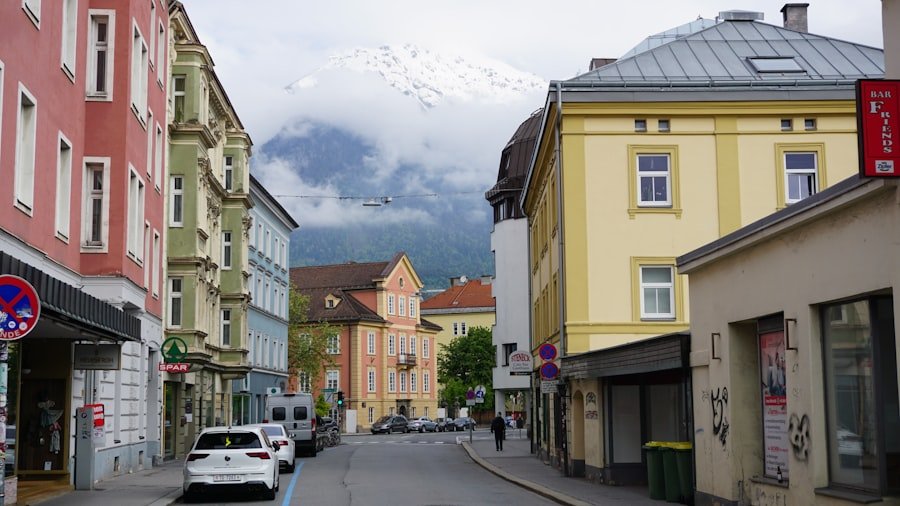
Spend your final day discovering Lucerne’s artistic and technological heritage. The city features some of Switzerland’s finest collections, highlighting European modern art, world-class acoustic architecture, and mobility engineering.
Morning: The Swiss Museum of Transport
Start your morning at the Swiss Museum of Transport (Verkehrshaus der Schweiz), Switzerland’s most visited museum. Easily reached via a short 8-minute ride on Bus 6 or 8 from Bahnhof Luzern, this extensive open-air and indoor complex chronicles human mobility across rail, road, navigation, aviation, and aerospace.
Key highlights include original historic steam locomotives, real postal coaches that once negotiated treacherous alpine passes, flight simulators, and an interactive Swiss Chocolate Adventure attraction developed with Lindt. Allow 2.5 to 3 hours to explore the primary exhibit halls.
Afternoon: The Rosengart Collection and Hofkirche
Return to central Lucerne via bus or a 25-minute scenic lakeside stroll along the Nationalquai promenade to visit the Rosengart Collection (Museum Sammlung Rosengart). Situated in an imposing neoclassical former Swiss National Bank building just steps from the railway station, this museum houses the remarkable private collection of art dealers Siegfried and Angela Rosengart.
The lower floor features an extraordinary collection of over 120 works by Paul Klee spanning his entire artistic evolution, while the main galleries display more than 30 masterworks by Pablo Picasso from his mature periods, accompanied by original pieces by Claude Monet, Paul Cézanne, Henri Matisse, Joan Miró, and Marc Chagall.
Next, take a short walk along Haldenstrasse to the twin-towered Court Church of St. Leodegar (Hofkirche). Reconstructed in 1639 following a destructive 1633 fire, this landmark serves as one of central Europe’s finest examples of German Renaissance church architecture. Step inside to admire its gilded high altar, intricately carved walnut choir stalls, and legendary 4,950-pipe Great Organ.
Late Afternoon: KKL Luzern and Lakefront Sunset
Finish your cultural walking circuit at the KKL Luzern (Culture and Congress Centre), located directly on the lake beside the main rail terminal. Designed by Pritzker Architecture Prize laureate Jean Nouvel, the building is celebrated for its colossal cantilevered roof that stretches 45 meters over the water, capturing the lake’s reflections into the concert hall foyer. Check the event calendar for evening classical performances, or simply enjoy a beverage at the lakeside café as the evening light hits the mountain backdrop.
Where to Stay in Lucerne
Lucerne provides a broad spectrum of lodging options tailored to different budgets and travel preferences. Because the city center is compact, virtually all primary accommodations are within a 5-to-20-minute walk of the central railway station and boat docks.
| Area | Accommodation Options | Distance to Center | Average Price per Night |
|---|---|---|---|
| Old Town (Altstadt) | Historic boutique hotels, romantic guesthouses | Central (0–5 min walk) | 200–380 CHF ($225–$430) |
| Lakefront Promenade | 5-star luxury hotels, historic Belle Époque palaces | 5–10 min walk | 450–900+ CHF ($510–$1,020+) |
| Station / Neustadt | Modern mid-range hotels, apartments, youth hostels | 5–15 min walk | 110–220 CHF ($125–$250) |
For an authentic historic stay right on the river, Hotel des Balances sits in the heart of the Old Town, offering private balconies directly overlooking the wooden bridges and water. Travelers seeking grand historic elegance consistently opt for the Grand Hotel National or the family-owned Hotel Schweizerhof Luzern along the Haldenstrasse promenade, both offering sweeping lake vistas and five-star amenities.
Budget travelers and backpackers will find great value at Backpackers Lucerne, located in a quiet green neighborhood just south of the lake, or Youth Hostel Lucerne situated near Lake Rotsee. Both feature private and dormitory rooms, well-maintained communal kitchens, and quick bus connections to Bahnhof Luzern.
Note: Every guest staying overnight in registered accommodation within the city is issued a digital or paper Lucerne Visitor Card upon check-in. It grants free, unlimited transit on local buses and commuter trains in Zone 10 throughout your stay, along with discounts on regional museums, mountain railways, and boat tours.
Where to Eat in Lucerne
Lucerne’s dining culture showcases the best of central Swiss comfort foods, alongside fresh catches from local lakes and high-end modern European cuisine. Sampling regional culinary specialties is essential to appreciating the area’s culture.
No trip to central Switzerland is complete without indulging in traditional cheese fondue or raclette. Restaurant Fritschi, famous for its elaborately frescoed Old Town exterior, serves classic blends of aged Gruyère and Vacherin Fribourgeois accompanied by crusty bread cubes, baby potatoes, and pickled pearl onions. For historic tavern ambiance, book a table at Wirtshaus Galliker, a culinary landmark operated by the same family for over four generations, or dine at Rathaus Brauerei, which serves craft house beers and sausage specialties directly under the historic Town Hall arcades on the Reuss riverbank.
Make sure to order Lozärner Chügelipastete, Lucerne’s signature heritage dish. This domed puff-pastry vol-au-vent is packed with tender veal ragout, small pork sausages, button mushrooms, and sweet raisins steeped in Kirsch brandy, all brought together in a velvety white sauce.
For Italian dining with lake views, La Cucina prepares handmade pasta and authentic Neapolitan pizza. For breakfasts, afternoon coffees, and day-trip provisions, visit historic confectionery shops like Confiserie Bachmann on the Schwanenplatz or Bäckerei Heini, where you can pick up artisanal chocolates, nut cakes, and fresh rolls.
Transportation in Lucerne
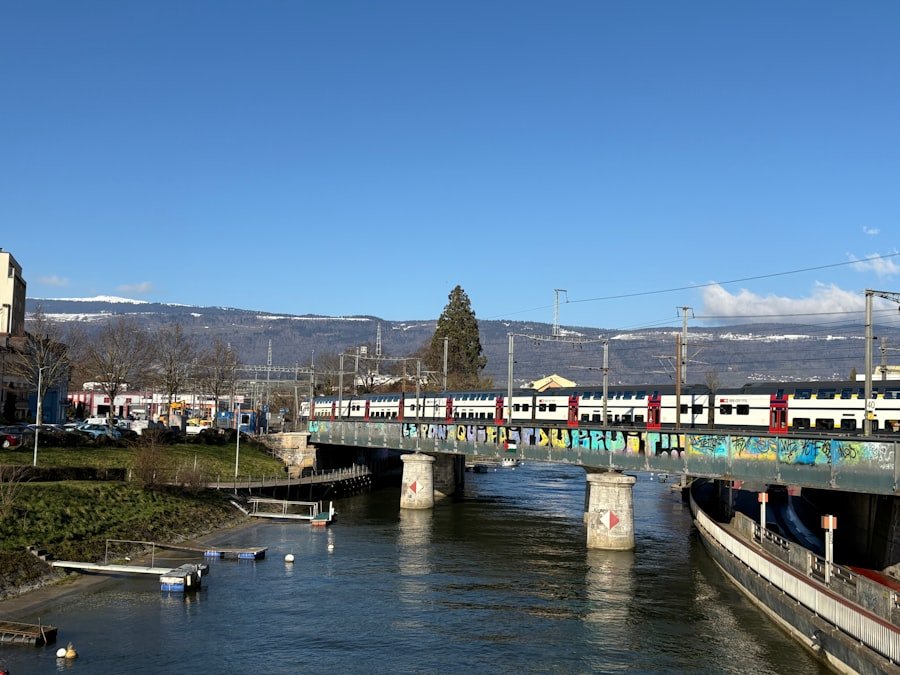
Switzerland’s transit network is renowned for its punctuality and ease of use, and Lucerne stands as one of its most smoothly connected central hubs. While the city’s historic center is pedestrian-only and effortless to explore on foot, broader regional excursions rely on three complementary transit options:
- The Lucerne Visitor Card: Automatically provided upon checking in at your hotel, apartment, or hostel. It covers all municipal buses (VBL) and local S-Bahn trains within city Zone 10, including routes to the Swiss Museum of Transport and the suburban cable car approaches in Kriens.
- The Swiss Travel Pass: If your Lucerne visit is part of an extended tour across Switzerland, an all-in-one Swiss Federal Railways (SBB) pass covers all public trains, scheduled Lake Lucerne passenger boats, and 100% of transit up Mount Rigi, while providing a 50% discount on the Mount Pilatus Golden Round Trip and free admission to over 500 museums nationwide.
- The Regional Tell-Pass: An outstanding seasonal transport pass dedicated specifically to Central Switzerland. Available in durations from 2 to 10 consecutive days, it provides 100% unlimited, hassle-free travel on regional trains, buses, boats, and mountain cableways—including full coverage for both Mount Pilatus and Mount Rigi.
For lakefront cycling, rental bikes and e-bikes are available via shared mobility apps or the rental depot located at central station, offering an easy way to ride along the eastern lakeside path toward the Lido and Meggenhorn Castle.
Day Trips from Lucerne
Because of its strategic placement at the junction of the central plains and the Swiss Alps, Lucerne serves as an ideal base for quick mountain and cultural excursions:
- Mount Rigi (“Queen of the Mountains”): Rising between Lake Lucerne, Lake Zug, and Lake Lauerz, Rigi is accessed via Europe’s oldest cogwheel mountain railway (inaugurated in 1871) from Vitznau or by aerial cableway from Weggis. The summit at Rigi Kulm offers sweeping views over nine distinct lakes. Major Advantage: All transport to Rigi is 100% covered by the Swiss Travel Pass.
- Mount Titlis & Engelberg: Situated just 45 minutes south by direct regional train, Engelberg is the gateway to Mount Titlis. The Titlis Rotair—the world’s first fully rotating aerial cable car—takes visitors up to 3,020 meters (9,908 feet) for year-round glacier snow activities, an illuminated natural ice cave, and the thrilling Titlis Cliff Walk suspension bridge.
- Stanserhorn & The CabriO Cable Car: Located 20 minutes south of Lucerne, this excursion begins on an antique 1893 funicular before transferring to the CabriO, the world’s first double-decker open-top cable car, offering 360-degree open-air mountain views.
- Interlaken and the Jungfrau Region: Located approximately two hours away on the panoramic Luzern-Interlaken Express train, this route provides direct access to the dramatic waterfalls of the Lauterbrunnen Valley, Grindelwald, and connecting railways up to the Jungfraujoch.
“Lucerne is not just a destination in itself; it is the natural gateway to the high Alps, where alpine rail engineering and pristine lake navigation converge seamlessly.”
Insider Tips for a Memorable Stay in Lucerne
To maximize your 3-day visit, keep these practical, field-tested travel tips in mind:
- Check Mountain Webcams First: Before setting out for Mount Pilatus or Mount Rigi, always check the live summit webcams via the official tourism websites or at the dock ticket windows. Sunny skies in the Old Town do not guarantee clear views above the inversion layer at 2,000 meters.
- Book Pilatus Cogwheel Slots in Summer: During peak months (July and August), consider booking a dedicated departure time slot online for the Pilatus cogwheel railway to avoid waiting in long boarding queues at Alpnachstad.
- Carry a Reusable Water Bottle: Lucerne’s historic public fountains—including the ornate basins in the Weinmarkt and Kapellplatz—dispense clean, cold alpine spring water that is thoroughly tested, delicious, and free to drink.
- Plan for Sunday Closures: Most street-level retail stores, fashion boutiques, and supermarkets in the city center are closed on Sundays. However, all grocery stores, bakeries, and pharmacies inside the underground shopping center at Bahnhof Luzern are open 365 days a year with extended hours.
- Watch for Spring Carnival (Fasnacht): If traveling in February or early March, check the local calendar for Lucerne Carnival. The city bursts into a multi-day celebration featuring masked figures, elaborate parades, and booming Guggenmusig brass bands.
Frequently Asked Questions
What are the must-see attractions in Lucerne for a 3-day itinerary?
The core highlights include walking the 14th-century Chapel Bridge and octagonal Water Tower, crossing Spreuer Bridge, touring the baroque Jesuit Church, admiring the Lion Monument and Glacier Garden, walking the ramparts of Musegg Wall, taking a paddle steamer cruise across Lake Lucerne, completing the Mount Pilatus Golden Round Trip, and exploring the Swiss Museum of Transport.
What are the best outdoor and mountain activities to do in Lucerne for a 3-day visit?
The signature mountain adventure is the Pilatus Golden Round Trip, which combines a scenic boat cruise, the world’s steepest cogwheel train, and an aerial cable car descent. Other exceptional options include taking the historic cogwheel train up Mount Rigi, riding the open-top CabriO cable car to Stanserhorn, or taking a day trip to Mount Titlis for year-round snow activities and the cliff suspension bridge.
What are the best dining options in Lucerne for a 3-day trip?
For authentic Swiss cheese fondue, raclette, and regional Lozärner Chügelipastete, make reservations at Restaurant Fritschi, Wirtshaus Galliker, or the riverside Rathaus Brauerei in the Old Town. For Italian cuisine and lakeside dining, venues like La Cucina or the open-air cafés along the Nationalquai offer scenic meals overlooking the water.
What is the best way to get around Lucerne during a 3-day stay?
Lucerne is an exceptionally walkable city where major landmarks, bridges, and lakeside squares are clustered within a 10-to-15-minute radius. To reach outer attractions like the Swiss Museum of Transport or the suburban cableway station in Kriens, use the clean municipal bus network, which is completely free for overnight guests using the complimentary Lucerne Visitor Card.
Is Mount Pilatus or Mount Rigi better for a first-time visitor?
Both offer world-class alpine panoramas, but Mount Pilatus is best for dramatic jagged peaks, sheer cliff walkways, and the thrill of riding the world’s steepest cogwheel railway. Mount Rigi features gentle alpine meadows, classic hiking paths, and views over nine lakes, and is 100% free with the Swiss Travel Pass, making it the more budget-friendly mountain excursion.
Sources
- Luzern Tourismus AG — Official visitor guidance, landmark histories, and Lucerne Visitor Card specifications.
- Pilatus-Bahnen AG — Operating timetables, technical railway specifications, and seasonal Golden Round Trip schedules.
- Verkehrshaus der Schweiz — Swiss Museum of Transport exhibition directories and visitor schedules.
- Swiss Federal Railways (SBB/CFF/FFS) — National rail connectivity, lake navigation timetables, and Swiss Travel Pass coverage details.
- Rigi Bahnen AG — Historic mountain railway operations, hiking route conditions, and accessibility guidelines.