Nişantaşı is one of Istanbul’s best-known districts for fashion, cafés, restaurants, elegant streets, and late-Ottoman architecture, but its most interesting details are easy to walk past. Look beyond the luxury storefronts and you will find historic target stones, Teşvikiye Mosque, notable apartment buildings, long-running Turkish restaurants, contemporary galleries, and the green edge of Maçka.
Quick Answer
The best hidden gems in Nişantaşı include its surviving Ottoman target stones, Teşvikiye Mosque, historic Maçka Palas, independent galleries, long-running Turkish restaurants, side-street cafés, and Maçka Democracy Park. The neighborhood is also easy to explore from Osmanbey station on Istanbul’s M2 metro line.
Key Takeaways
- Nişantaşı’s name is linked to Ottoman nişan taşı, or target/aiming stones, rather than village boundary markers.
- Abdi İpekçi Caddesi remains the neighborhood’s signature luxury-shopping street, while surrounding streets add local boutiques, cafés, galleries, and restaurants.
- Teşvikiye Mosque, Maçka Palas, Millî Reasürans Art Gallery, Hünkar, and Maçka Democracy Park give the district more depth than shopping alone.
- Some famous Istanbul attractions often grouped with Nişantaşı, including Pera Museum and 360 Istanbul, are actually in Beyoğlu.
- Osmanbey station on the M2 metro line is a practical public-transport gateway to the district.
Nişantaşı History and the Meaning of Its Target Stones
Nişantaşı’s history is closely connected to Ottoman shooting practice. The Turkish words nişan taşı refer to a target or aiming stone. Several commemorative stones were erected to record notable shots by Ottoman rulers and archers. One surviving stone in the courtyard of Teşvikiye Mosque dates to Sultan Selim III in 1790–1791, according to the Database for Ottoman Inscriptions.
The area was not simply an old village whose boundaries were marked by these stones. Substantial urban development came later. During the 19th century, Sultan Abdülmecid encouraged settlement around what became Teşvikiye and Nişantaşı. The movement of the Ottoman court toward Dolmabahçe and Yıldız also made the surrounding hills attractive to palace officials, wealthy families, and other members of Istanbul’s upper social circles.
Teşvikiye Mosque became one of the district’s anchors. An earlier mosque was built under Sultan Selim III in 1794–1795, while Sultan Abdülmecid had it rebuilt in 1854. Later repairs helped produce the appearance visitors see today. The mosque and its courtyard are therefore useful places to start understanding Nişantaşı’s transition from open shooting grounds to an established urban neighborhood.
Note: Modern Nişantaşı is best understood as an urban quarter rather than one neatly bounded tourist attraction. Teşvikiye, Maçka, Osmanbey, and nearby streets blend into the broader area visitors commonly call Nişantaşı.
Nişantaşı’s Unique Architecture
The architectural appeal of Nişantaşı comes from layers rather than one single style. Late-Ottoman and early-20th-century apartment buildings stand beside modern commercial buildings, giving streets such as Teşvikiye Caddesi, Vali Konağı Caddesi, Maçka Caddesi, and the surrounding side streets a distinctive character.
Teşvikiye Mosque is one of the most important historical landmarks in the district. Its 19th-century rebuilding reflects the Western architectural influences that became increasingly visible in late-Ottoman Istanbul. The surviving target stones in and around the district add another layer of history that can be easy to miss if you focus only on storefronts.
Another building worth noticing is Maçka Palas. The current Park Hyatt occupies this historic structure, which the hotel identifies as a 1922 design by architect Giulio Mongeri. Its monumental façade provides a strong architectural contrast with the smaller apartment buildings and modern boutiques nearby.
Pro Tip: Look upward while walking through Nişantaşı. Decorative balconies, bay windows, stonework, tile details, and historic façades are often more interesting than the street-level retail signs.
The Best Shopping Spots in Nişantaşı
Shopping remains one of the main reasons people visit Nişantaşı. Abdi İpekçi Caddesi is its best-known luxury-shopping corridor, with major international fashion houses mixed among Turkish brands, jewelry stores, cafés, and other premium retailers.
Current official store listings confirm a Prada Nişantaşı boutique on Abdi İpekçi Caddesi, a Louis Vuitton Nişantaşı store on the same street, and a Chanel Nişantaşı boutique. Retail tenants can change, so checking an official store locator before traveling for one specific brand is sensible.
For an indoor shopping option, City’s Nişantaşı sits on Teşvikiye Caddesi and combines national and international brands with food and entertainment. It is particularly useful during very hot, cold, or rainy weather.
Do not limit yourself to international labels. Teşvikiye Caddesi, Vali Konağı Caddesi, Atiye Sokak, Mim Kemal Öke Caddesi, and surrounding side streets contain smaller fashion shops, accessories stores, design businesses, and changing independent boutiques. These side streets often deliver a more local Nişantaşı experience than simply moving from one flagship store to another.
Nişantaşı’s Culinary Delights
| Dining Style | What to Look For | Planning Tip |
|---|---|---|
| Turkish | Home-style stews, olive-oil dishes, grills, kebabs, meze, and Turkish desserts | Try a long-running lokanta for a more traditional meal. |
| Italian | Pizza, pasta, modern bistro menus, and wine-focused dining | Check current menus because restaurant concepts change frequently. |
| Japanese & Asian | Sushi, noodles, Asian-inspired small plates, and contemporary fusion | Reserve popular dinner venues on busy evenings. |
| Mexican & International | Tacos, international comfort food, brunch, and modern café menus | Use current restaurant listings rather than relying on fixed restaurant counts. |
One of the neighborhood’s established Turkish restaurants is Hünkar. The restaurant states that it was founded in Fatih in 1950 and moved to Nişantaşı in 2000. Its strength is classic Turkish home-style cooking: daily stews, vegetables cooked in olive oil, grills, traditional starters, and desserts rather than a menu built only around kebabs.
Nişantaşı also has a large contemporary dining scene. Streets around Atiye Sokak, Mim Kemal Öke Caddesi, Teşvikiye Caddesi, and the luxury-shopping district contain cafés, brunch spots, bistros, international restaurants, and higher-end dining rooms. Because operators and concepts change more quickly than historic landmarks, check a restaurant’s own site or current listing before making a special trip.
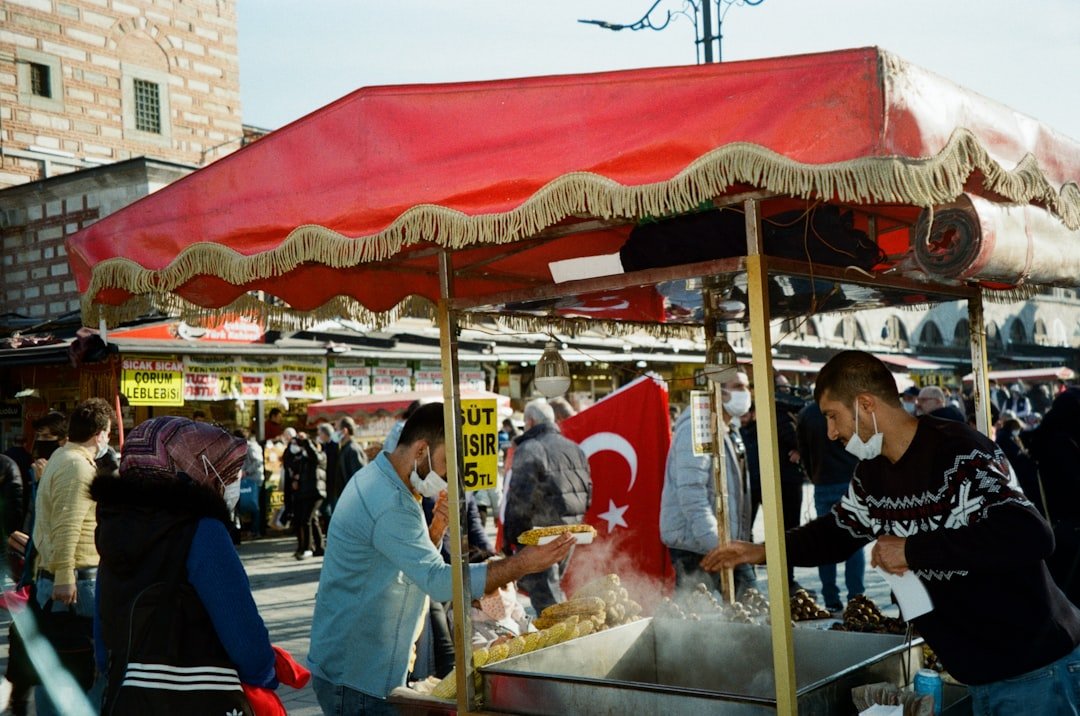
You can still pick up familiar Istanbul foods such as simit, döner, pastries, and sweets in and around the neighborhood. However, Nişantaşı is better known for café and restaurant culture than for being one of Istanbul’s major street-food districts.
Nişantaşı’s Art and Culture Scene
Nişantaşı has a genuine gallery culture, but it is better described through verified galleries than through a supposed large neighborhood contemporary-art museum. One important example is Millî Reasürans Art Gallery. The gallery states that it opened in 1994 within the company’s building in Teşvikiye/Nişantaşı and has hosted a long program of exhibitions and projects.
Smaller commercial galleries and design spaces also appear around Nişantaşı, and exhibitions can change several times during the year. This makes the district particularly rewarding for visitors who enjoy discovering whatever is currently on show rather than visiting only permanent museum collections.
For a nearby historical museum, the Istanbul Metropolitan Municipality’s Atatürk Museum is on Halaskargazi Caddesi in Şişli. Mustafa Kemal Atatürk lived in the house between December 1918 and May 16, 1919. The museum now displays personal belongings, uniforms, photographs, documents, medals, and other material connected with his life.
Hidden Parks and Green Spaces in Nişantaşı
For a substantial green break near Nişantaşı, Maçka Democracy Park is the clearest choice. The park lies between the Maçka and Nişantaşı sides of the valley and includes walking paths, sitting areas, playgrounds, recreational space, and extensive greenery. It offers a noticeable change of pace after the dense shopping streets.
The park is also associated with the Maçka–Taşkışla cable-car line, which crosses the valley and gives passengers an elevated view over the park. If your priority is a proper walk, picnic, or longer rest outdoors, Maçka is more useful than the small planted pockets found within the commercial streets.
Inside Teşvikiye itself, the area around Teşvikiye Mosque provides a quieter historic pause amid the surrounding cafés and shops. It should not be confused with a large formal urban park, but pairing the mosque courtyard with a walk toward Maçka creates a pleasant contrast between historic architecture and greenery.
Nişantaşı’s Trendy Cafes and Bars
Café culture is one of the strongest parts of everyday life in Nişantaşı. A verified local example is The House Café, which began in the neighborhood and continues to operate locations around Teşvikiye. Its Corner branch is next to Teşvikiye Mosque, while the brand also has a long connection with Atiye Sokak.
Independent coffee shops, pastry cafés, brunch venues, and restaurant-cafés fill the surrounding streets, so it is easy to build a visit around coffee and people-watching without entering a luxury store. Seating can become competitive during weekend afternoons and pleasant-weather evenings.
For an evening drink without leaving the district, look to verified Nişantaşı or Maçka venues rather than 360 Istanbul, which is in Beyoğlu. Park Hyatt Istanbul – Maçka Palas, for example, operates dining and bar facilities within its historic Maçka property. Nightlife changes more quickly than monuments or museums, so check current operating days before planning a late visit.
Note: Nişantaşı is lively in the evening, but it should not be confused with the denser bar-and-club zones around Taksim and İstiklal Caddesi in neighboring Beyoğlu.
Off-the-Beaten-Path Attractions in and Around Nişantaşı
The most authentic hidden historic details are the neighborhood’s surviving nişan stones. They are easy to ignore because they sit within the modern city rather than inside a major ticketed attraction. Seeing one after learning what it represents gives the name “Nişantaşı” much more meaning.
Historic façades are another free attraction. Teşvikiye Mosque, Maçka Palas, older apartments on Vali Konağı Caddesi and neighboring streets, and the architectural details around Teşvikiye reward slow walking. The appeal is less about one grand monument and more about spotting layers of late-Ottoman and early-Republic-era Istanbul between modern shops.
If you extend your exploration outside Nişantaşı, keep the geography clear. Pera Museum is at Meşrutiyet Caddesi No. 65 in Tepebaşı, Beyoğlu, so it belongs on a separate Beyoğlu itinerary rather than a list of Nişantaşı hidden gems.
Abide-i Hürriyet is also elsewhere in Şişli rather than central Nişantaşı. The monument is connected to the constitutional struggles surrounding the 1909 31 March Incident and commemorates people killed during those events. It should not be described simply as a monument to Turkish independence.
How to Get to Nişantaşı
The M2 metro is usually one of the easiest ways to approach Nişantaşı from central Istanbul. Metro İstanbul lists Osmanbey as a station on the M2 Yenikapı–Seyrantepe–Hacıosman line. From Osmanbey, you can walk toward Rumeli Caddesi, Vali Konağı Caddesi, Teşvikiye, and the core shopping streets.
Buses and minibuses also serve the district, while taxis are widely available. Traffic around Şişli, Harbiye, Beşiktaş, and Taksim can become slow at busy times, so rail plus walking is often simpler when your starting point is near the metro network.
Practical Tips for Exploring Nişantaşı
- Wear comfortable shoes: Nişantaşı is best explored on foot, and surrounding streets include slopes.
- Give yourself time for side streets: Abdi İpekçi Caddesi is famous, but smaller streets often contain the more interesting cafés, architecture, and independent shops.
- Verify individual stores: Luxury-brand locations and independent retailers can move or close.
- Check gallery schedules: Galleries may close between exhibitions or operate limited days.
- Do not assume every Şişli or Beyoğlu attraction is in Nişantaşı: Istanbul neighborhoods sit close together, which causes many online guides to blur their locations.
- Combine shopping with history: Teşvikiye Mosque and the target stones add context that makes the district more than a retail destination.
Pro Tip: A good Nişantaşı visit does not require buying anything. Architecture, target stones, galleries, café streets, and Maçka Democracy Park can fill several enjoyable hours even on a modest budget.
Conclusion
Nişantaşı stands out because history and modern city life occupy the same streets. Ottoman target stones and Teşvikiye Mosque explain how the area developed, while historic apartments and Maçka Palas show later architectural change. Today, luxury stores, local fashion businesses, restaurants, galleries, cafés, and nearby Maçka Democracy Park keep the district active throughout the day.
The key to finding Nişantaşı’s hidden gems is to look beyond the most obvious shop windows. Slow down on the side streets, notice the old façades, visit a gallery, stop for Turkish food or coffee, and keep walking toward Maçka. That approach gives you a much fuller picture of one of Istanbul’s most distinctive urban districts.
Frequently Asked Questions
What is Nişantaşı known for?
Nişantaşı is known for luxury shopping, fashionable cafés, restaurants, galleries, elegant residential streets, and historic architecture. Abdi İpekçi Caddesi is its most famous retail street, while Teşvikiye Mosque and the area’s Ottoman target stones reveal an older side of the neighborhood.
What are some hidden gems in Nişantaşı?
Look for the historic nişan or target stones, Teşvikiye Mosque, the architecture around Maçka Palas and Vali Konağı Caddesi, Millî Reasürans Art Gallery, traditional Turkish restaurants such as Hünkar, side-street cafés, and the green spaces of Maçka Democracy Park.
Is Nişantaşı only worth visiting for luxury shopping?
No. Shopping is a major attraction, but you can enjoy the district without making a luxury purchase. Historic buildings, target stones, galleries, cafés, Turkish food, people-watching, and nearby Maçka Democracy Park all make Nişantaşı worth exploring.
What are some unique dining options in Nişantaşı?
Nişantaşı ranges from traditional Turkish lokantas to modern international restaurants and fashionable cafés. Hünkar is a long-running choice for Turkish home-style cooking, while streets around Atiye, Teşvikiye, and Mim Kemal Öke contain many contemporary options.
What can visitors expect from Nişantaşı’s art scene?
Expect smaller galleries and changing exhibitions rather than one dominant neighborhood museum. Millî Reasürans Art Gallery is one established venue in Teşvikiye/Nişantaşı, while other independent galleries and creative spaces appear throughout the surrounding streets.
Which metro station is best for Nişantaşı?
Osmanbey on Istanbul’s M2 metro line is a practical station for reaching much of Nişantaşı. From there, you can walk toward Rumeli Caddesi, Vali Konağı Caddesi, Teşvikiye, Abdi İpekçi Caddesi, and the surrounding shopping and dining streets.
Is Pera Museum in Nişantaşı?
No. Pera Museum is on Meşrutiyet Caddesi in Tepebaşı, Beyoğlu. It is a worthwhile Istanbul museum, but it should be treated as a separate Beyoğlu stop rather than a hidden attraction inside Nişantaşı.
Sources
- Database for Ottoman Inscriptions — III. Selim Nişantaşı — supports the history, date, and location of a surviving Ottoman target stone.
- Anadolu Agency — Teşvikiye Mosque history — supports the mosque’s construction and rebuilding history.
- City’s Nişantaşı — supports current information about the neighborhood shopping center.
- Millî Reasürans Art Gallery — supports the gallery’s Nişantaşı/Teşvikiye location and exhibition role.
- Istanbul Metropolitan Municipality — Atatürk Museum — supports the museum’s location, collection, and history.
- Metro İstanbul — M2 Metro Line — confirms Osmanbey station on the M2 line.