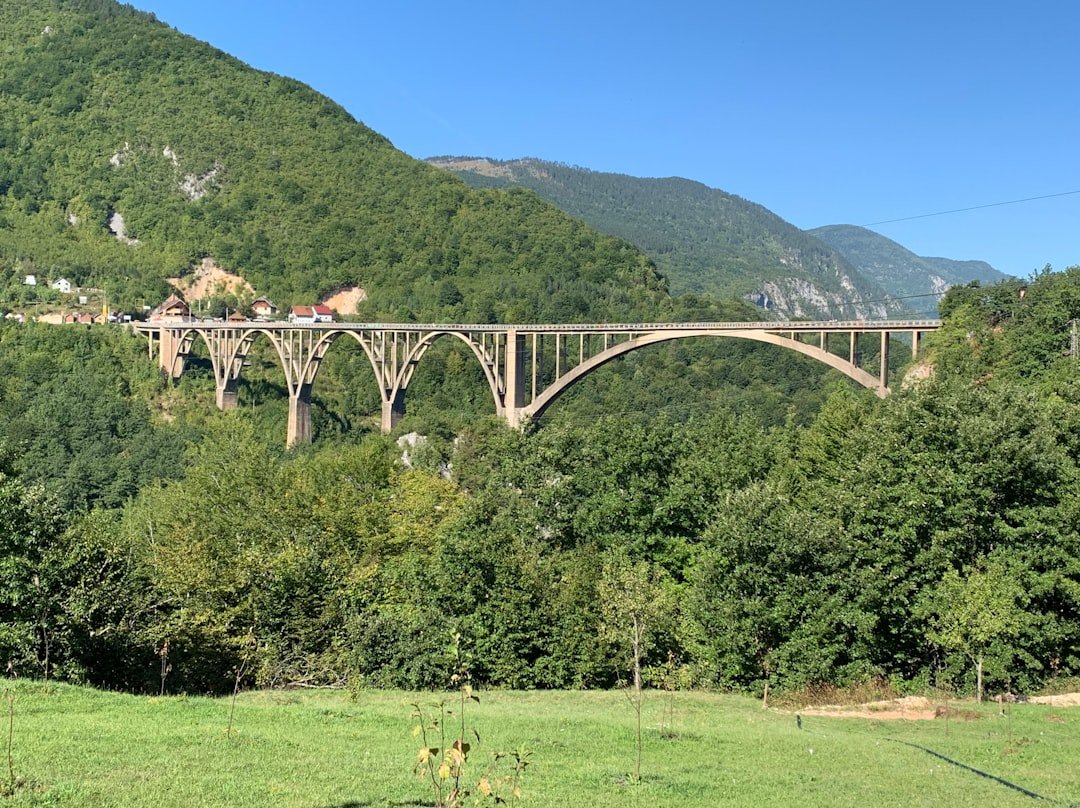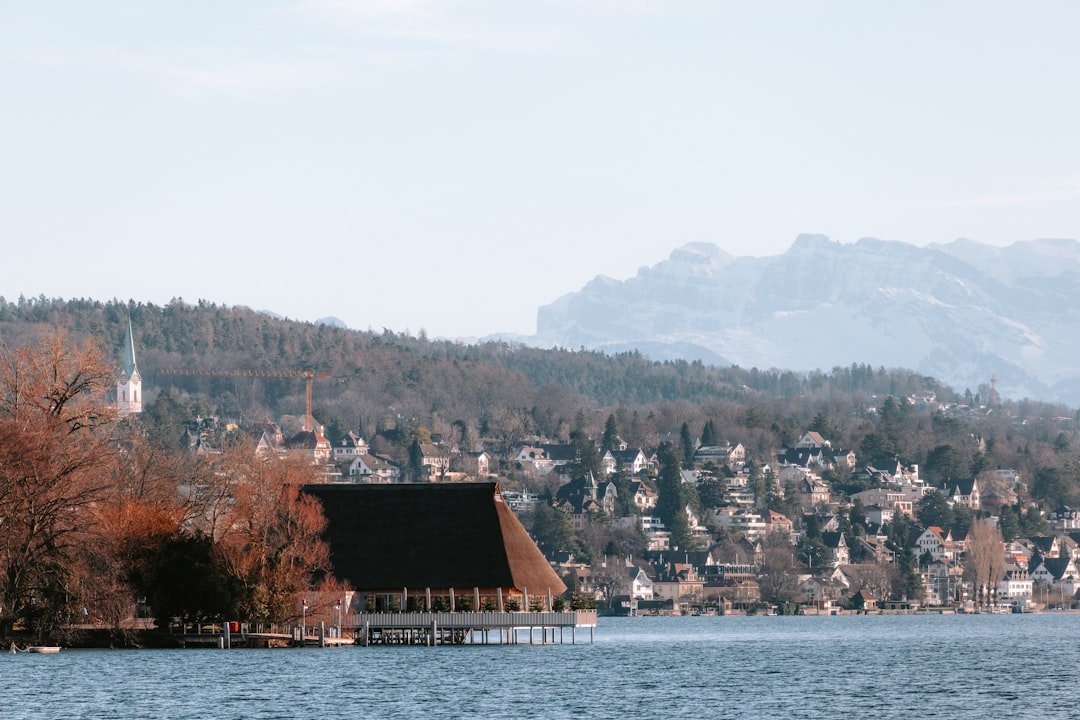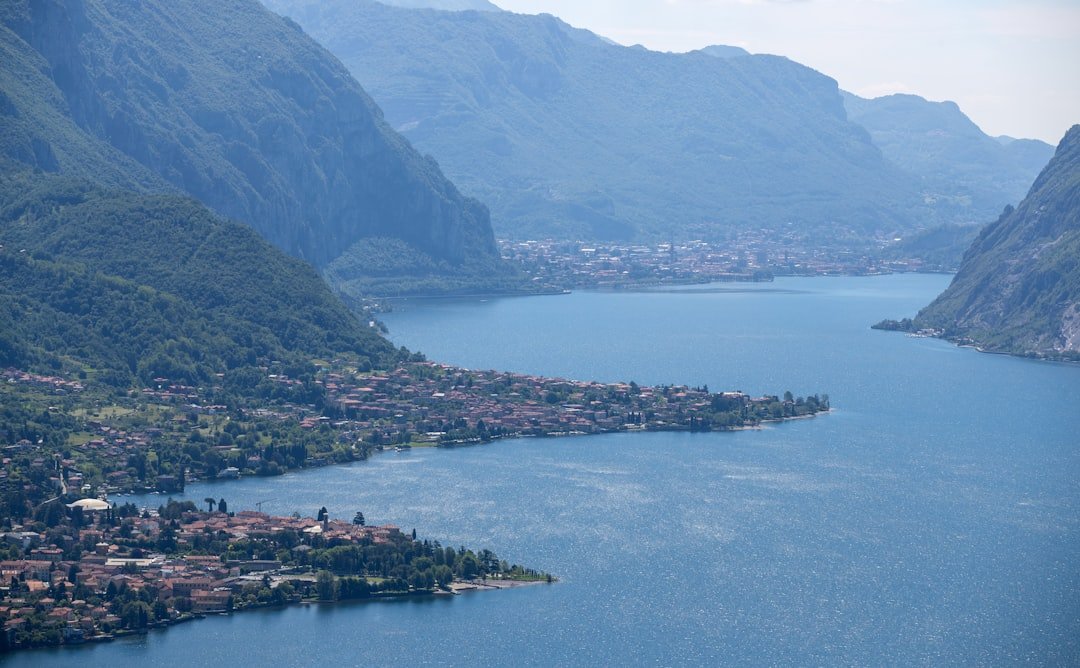
Lake Lugano combines Alpine scenery with the Italian-speaking character of southern Switzerland. The lake stretches across the Swiss canton of Ticino and northern Italy, with Lugano providing the easiest base for most visitors. Around the shore, you can combine historic villages, mountain viewpoints, waterfront walks, boat trips, regional food, museums, swimming, and hiking without traveling far.
Quick Answer
Lake Lugano is best explored by combining Lugano city with a boat trip or lakeside walk to villages such as Morcote and Gandria, plus a mountain viewpoint such as Monte San Salvatore or Monte Brè. Two or three days gives you enough time to enjoy the lake without rushing.
Key Takeaways
- Lake Lugano crosses Switzerland and Italy, but Lugano, Morcote, and Gandria are all on the Swiss side.
- Lugano is the most convenient base for first-time visitors because it combines rail connections, lake boats, restaurants, museums, parks, and mountain transport.
- Morcote is ideal for historic streets and lake views, while Gandria is especially rewarding when combined with the scenic lakeside walking route from Castagnola.
- Monte San Salvatore and Monte Brè provide some of the best elevated views over the Lake Lugano region.
- Popular outdoor activities include hiking, swimming at designated bathing areas, kayaking, stand-up paddleboarding, sailing, cycling, and sightseeing by boat.
- Typical Ticino flavors include risotto, polenta, luganighe sausages, regional cheeses, and Merlot wines.
- Public transportation is practical, and qualifying overnight guests can receive the Ticino Ticket for public transport in the canton and discounts at participating attractions.
- Boat, mountain railway, museum, and cross-border train schedules can change by season, so check official timetables shortly before your visit.
Best Places to Visit Around Lake Lugano
Start in Lugano, the largest city on the lake and the easiest place to combine sightseeing with transportation. The waterfront promenade leads past gardens, cafés, shopping streets, and cultural attractions, while the historic center is compact enough to explore on foot.
Parco Ciani is one of the city’s most relaxing stops. Its lakefront lawns, mature trees, walking paths, playground, and views make it suitable for a picnic or a break between other attractions. Villa Ciani stands within the park and dates from the 19th century.
Morcote, on the Swiss shore southwest of Lugano, deserves at least a few hours. Its narrow streets and steep lanes rise from the waterfront toward the Church of Santa Maria del Sasso. The church contains historic frescoes and is positioned above the village, giving visitors another reason to make the climb.
Morcote was voted Switzerland’s most beautiful village in 2016 and remains one of the signature stops around Lake Lugano.
Gandria offers a different experience. The compact lakeside village is now part of the City of Lugano and can be approached by boat or on foot. Its stone lanes, stairways, waterfront restaurants, and setting beneath Monte Brè make it an easy half-day excursion from central Lugano.
For gardens, you can also visit Parco di Villa Heleneum in Castagnola. The City of Lugano describes the park as a terraced landscape with Mediterranean and subtropical vegetation descending toward the lake. It is better understood as a scenic public park and garden rather than as a standalone botanical-garden attraction.
Mountain Viewpoints Above Lake Lugano
The lake is at its most dramatic when viewed from the mountains above Lugano. Two of the easiest viewpoints to reach are Monte San Salvatore and Monte Brè.
Monte San Salvatore
Monte San Salvatore rises above the southern side of Lugano and can be reached by funicular from the Paradiso area. From the upper station and summit viewpoints, you can look across Lake Lugano toward the surrounding Alps and Lombardy. Check the official Ticino Tourism information before traveling because operating periods and hours vary.
Monte Brè
Monte Brè rises on the opposite side of the city and is also served by a funicular. It works well for travelers who want panoramic views without committing to a long mountain hike. You can combine the summit with the village of Brè or continue exploring the trails above Lugano. Current access information is available through Ticino Tourism.
Pro Tip: If the mountain tops are hidden by low cloud, keep your itinerary flexible. Spend the cloudy period in Lugano’s museums or old town and use the clearest part of the day for Monte San Salvatore or Monte Brè.
Outdoor Activities to Enjoy at Lake Lugano
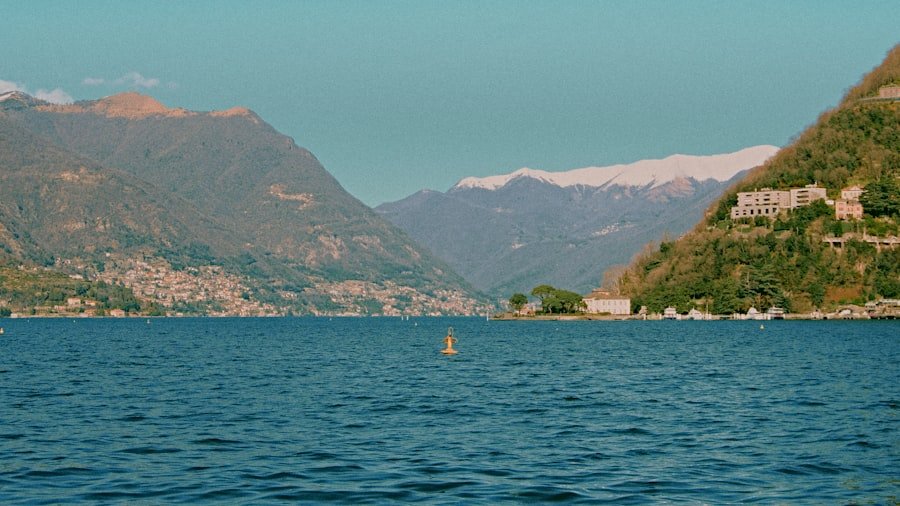
Lake Lugano offers plenty of ways to spend time outdoors. Depending on the season and local conditions, visitors can go kayaking, stand-up paddleboarding, sailing, swimming, diving, or sightseeing by boat. Equipment rental and guided activities are available around the region, but availability varies, so confirm opening times locally.
Hikers should consider the Sentiero di Gandria. The route follows the sunny lakeside landscape between Castagnola and Gandria and is known for both its views and unusual plant diversity. The City of Lugano has even published a botanical guide dedicated to the trail. You can read more on the City of Lugano’s Gandria Trail page.
A related section, often called the Olive Trail, passes through areas where olive trees have been reintroduced along the sunny slopes. A popular plan is to walk toward Gandria, spend time in the village, and return by boat when the seasonal timetable allows.
Warning: Do not treat the entire shoreline as a swimming area. Use designated lidos or bathing areas where possible, check local conditions, supervise children closely, and stay clear of boat traffic. Mountain paths can also become slippery after rain.
Boat Trips on Lake Lugano
A boat trip is one of the easiest ways to understand the shape of Lake Lugano and see villages from the water. Scheduled services connect several lakeside stops, making it possible to combine a cruise with sightseeing in places such as Morcote or Gandria.
Boat frequency changes during the year. The main 2026 timetable from the Lake Lugano Navigation Company runs seasonally, so check the date and departure point shortly before traveling rather than relying on an old itinerary.
If you are planning a walking-and-boat combination, check the return sailing first. That prevents you from reaching a village late in the day and discovering that the next convenient boat has already departed.
Culinary Delights of Lake Lugano
| Local Specialty | What to Expect |
|---|---|
| Ticino Risotto | Creamy rice prepared in several regional styles, sometimes served with luganighe sausage. |
| Luganighe or Luganighetta | Traditional pork sausages commonly paired with risotto or polenta. |
| Ticino Merlot | The region’s best-known wine style, produced in red, rosé, and white expressions. |
| Polenta | A traditional cornmeal dish that may be served with meat, cheese, mushrooms, or hearty sauces. |
The cuisine around Lake Lugano reflects Ticino’s location between the Alps and northern Italy. Risotto is particularly common, and Ticino Tourism notes that it is traditionally served in local grotti and is often paired with luganighe sausage. Polenta, cheeses, cured meats, and seasonal mushroom dishes are also worth looking for.
Wine is another important part of the region’s food culture. Merlot is the dominant grape in Ticino, so travelers interested in local food may want to pair a meal with a Ticino Merlot or visit a winery elsewhere in the canton. You can explore regional food and wine information through Ticino Tourism’s wine guide.
For dessert, you will find Swiss chocolate, pastries, and Italian-influenced gelato throughout the region. Rather than choosing a restaurant only because it faces the lake, compare menus and look for places serving Ticino specialties if local food is an important part of your trip.
Cultural and Historical Attractions Near Lake Lugano
The Museo d’arte della Svizzera italiana (MASI) is one of Lugano’s main cultural attractions. Its collection contains more than 14,000 works and spans from the late 15th century to the present. Exhibitions are presented at its Lugano venues, so check the official MASI website for current exhibitions and opening hours.
Villa Ciani, inside Parco Ciani, was built between 1840 and 1843. The historic villa has long been associated with exhibitions and cultural events and adds architectural interest to a walk through the park.
South of Lugano in Melide, Swissminiatur presents Switzerland through more than 130 detailed miniature models in a landscaped setting. It is especially suitable for families or anyone who wants an easy half-day attraction.
Literature fans can travel to Montagnola for the Hermann Hesse Museum, which documents the writer’s long connection with the area. Opening days vary by season, making an advance check worthwhile.
For a larger history-focused excursion, consider Bellinzona. Its three castles and associated fortifications form a UNESCO World Heritage Site. Bellinzona is inland rather than directly on Lake Lugano, but rail connections make it a practical addition to a longer Ticino trip.
Accommodation Options at Lake Lugano
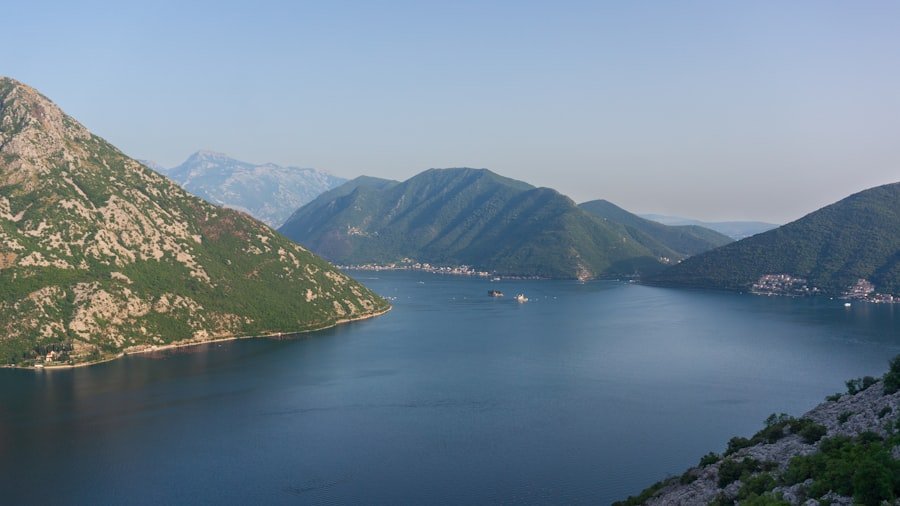
Where you stay should depend on how you plan to spend your time rather than simply on the hotel category.
- Central Lugano: best for first-time visitors who want restaurants, shops, the train station, museums, and regular public transport nearby.
- Paradiso: convenient for travelers interested in Monte San Salvatore and lakeside accommodation south of central Lugano.
- Castagnola: a quieter choice with access toward Gandria, Monte Brè, and lakeside walking routes.
- Morcote: a good option if atmosphere and a slower village stay matter more than having Lugano’s full range of transport and nightlife at your door.
- Holiday apartments: useful for families or groups that want more space, kitchen facilities, or a longer stay.
Luxury hotels, boutique properties, bed-and-breakfasts, hostels, campsites, and holiday apartments are all available in the wider region. If public transportation matters, check the walking distance to the nearest bus or rail stop before booking.
Guests staying at participating hotels, hostels, and campsites in Ticino can receive the Ticino Ticket. It currently provides public transport throughout the canton plus discounts at participating attractions. Confirm participation with your accommodation before assuming it is included.
Transportation Tips for Getting to Lake Lugano
Lugano is well connected by rail, which means many visitors do not need a car. The station sits above the city center, with local connections continuing toward the lakefront and surrounding districts.
From Milan
The TILO RE80 links Lugano with Milano Centrale, with services extending between Ticino and Milan throughout the day. Because engineering work, strikes, and timetable adjustments can affect cross-border trains, confirm your specific departure in the live timetable before traveling.
From Milan Malpensa Airport
The TILO S50 connects Lugano with Varese and Malpensa Airport. Current TILO information describes the service as operating hourly. This makes rail a practical alternative to renting a car immediately after landing.
From Zurich and Northern Switzerland
Regular Swiss rail services connect Lugano with the rest of the country. Use the SBB timetable for the most current departure, connection, platform, and engineering-work information.
Getting Around Once You Arrive
Local trains and buses cover much of Ticino, while lake boats provide a scenic option for selected destinations. If you are staying at qualifying accommodation, the Ticino Ticket can make public transportation particularly convenient.
Note: A car can be useful for remote villages or a wider road trip, but it is not essential for a typical Lugano, Gandria, Morcote, Bellinzona, and mountain-viewpoint itinerary.
Best Time to Visit Lake Lugano
There is no single best month for every traveler. Choose the season based on what you want to do.
- Spring: good for gardens, city walks, and hiking before the hottest part of summer. Some seasonal attractions gradually increase their schedules as the season develops.
- Summer: best for swimming, long evenings, water activities, and the widest choice of lake-oriented experiences. It is also the period when popular waterfront areas can feel busiest.
- Early autumn: a strong choice for hiking, food, wine, and sightseeing with generally fewer peak-summer crowds.
- Late autumn and winter: quieter and atmospheric, but some boat, mountain, museum, and tourism services operate reduced schedules or close seasonally.
If a boat cruise, mountain funicular, or seasonal museum is essential to your trip, check that attraction’s official operating calendar before booking your travel dates.
Sample Lake Lugano Itineraries
One Day
Begin in central Lugano and walk through the old town toward the lake. Spend time in Parco Ciani, then choose either Monte San Salvatore or Monte Brè for a panoramic view. Finish the afternoon and evening along the waterfront with a Ticino-style dinner.
Two Days
Use the first day for Lugano and a mountain viewpoint. On the second day, travel to Morcote by boat or public transport, explore the village and Santa Maria del Sasso, and return to Lugano later in the day. Alternatively, walk part of the Gandria route and return by boat if the timetable works.
Three Days
Add a cultural excursion. Families may prefer Swissminiatur in Melide, literature fans can visit the Hermann Hesse Museum in Montagnola, and history-focused travelers can take the train to Bellinzona for its UNESCO-listed castles.
Tips for Making the Most of Your Trip to Lake Lugano
Build your itinerary around a few major experiences rather than trying to visit every village. Lugano, one mountain viewpoint, and either Morcote or Gandria already make a satisfying short trip.
Check live weather before committing to mountain viewpoints. A cloudy summit can hide the panorama even when conditions beside the lake are pleasant.
Also check boat and train schedules before leaving your accommodation. Seasonal transportation makes it possible to create excellent one-way walks and boat combinations, but only if your return service is running.
Try at least one meal built around regional ingredients such as risotto, luganighe, polenta, local cheese, or Ticino wine. Food is an important part of the area’s Swiss-Italian character and adds more local value than an unrelated culinary detour.
Finally, leave some unscheduled time. Lake Lugano works especially well at a slower pace: a waterfront walk, a village café, a park bench, or an extra boat ride can be as memorable as a packed checklist of attractions.
Frequently Asked Questions
What is Lake Lugano?
Lake Lugano is a transboundary lake shared by Switzerland and Italy. Much of the tourism described in this guide is centered on the Swiss canton of Ticino, including Lugano, Morcote, Gandria, Melide, and the surrounding mountains.
What are some popular activities at Lake Lugano?
Popular activities include sightseeing by boat, walking the waterfront, hiking the Gandria trail, swimming at designated bathing areas, kayaking, stand-up paddleboarding, visiting mountain viewpoints, cycling, exploring villages, and visiting museums.
Are Morcote and Gandria in Switzerland or Italy?
Both Morcote and Gandria are in Switzerland. Morcote is a municipality in Ticino, while Gandria is a district of the City of Lugano. Lake Lugano itself also extends into Italy.
What is the best time to visit Lake Lugano?
Late spring through early autumn is the most flexible period for outdoor sightseeing, boating, hiking, and lake activities. Summer is best for swimming but can be busier. Spring and early autumn are attractive for walking and sightseeing. Winter is quieter, with more limited seasonal services.
What are the best viewpoints around Lake Lugano?
Monte San Salvatore and Monte Brè are two of the most accessible panoramic viewpoints above Lugano. Morcote’s hillside around Santa Maria del Sasso also provides attractive views across the lake.
Can you visit Lake Lugano without a car?
Yes. Lugano has strong rail and bus connections, and seasonal boats serve several lake destinations. Morcote, Gandria, Bellinzona, Melide, and many other attractions can be reached by public transportation. A car is mainly useful if you want to explore less-connected rural areas.
How do you get from Malpensa Airport to Lugano?
The TILO S50 provides a direct rail connection linking Malpensa Airport with Varese, Lugano, Bellinzona, and other stations. TILO currently lists hourly service, but always check the live timetable for your travel date.
Can you swim in Lake Lugano?
Yes, swimming is popular in warmer weather. Use recognized lidos or designated bathing areas where possible, pay attention to local notices and weather, and avoid swimming in boat-navigation zones.
How many days do you need at Lake Lugano?
One day is enough for a quick introduction to Lugano and one viewpoint. Two days allow time for Morcote or Gandria, while three days gives you room for a museum, Swissminiatur, Bellinzona, or a longer hike without rushing.
Sources
- Switzerland Tourism — Lake Lugano — lake destinations, boat trips, mountains, and water activities.
- Ticino Tourism — Ticino Ticket — current visitor public-transport benefits and participating accommodation information.
- TILO — S50 — Lugano, Varese, and Malpensa Airport rail connection.
- Lake Lugano Navigation Company — official boat timetables and ticket information.
- MASI Lugano — official museum, collection, exhibition, and visitor information.
- UNESCO World Heritage Centre — Bellinzona — official information on the Three Castles, Defensive Wall and Ramparts of Bellinzona.