

Istanbul, a city that straddles two continents, is a vibrant tapestry of cultures, traditions, and flavors. Among its many offerings, coffee holds a special place in the hearts of its residents and visitors alike. The rich history of coffee in Istanbul dates back to the 16th century when it was introduced to the Ottoman Empire.
Since then, coffee has evolved from a simple beverage to a symbol of hospitality, social interaction, and cultural identity. The coffee culture in Istanbul is not merely about the drink itself; it encompasses the rituals, the ambiance of coffee houses, and the communal experience that comes with sharing a cup. In contemporary Istanbul, the coffee scene has blossomed into a dynamic mix of traditional practices and modern innovations.
While traditional Turkish coffee remains a staple, the city has also embraced specialty coffee shops that offer a variety of brewing methods and bean origins. This duality reflects Istanbul’s unique position as a crossroads of East and West, where ancient customs coexist with contemporary trends. As you wander through the bustling streets, the aroma of freshly brewed coffee wafts through the air, inviting you to explore the myriad of coffee shops that dot the landscape.
Key Takeaways
- Istanbul’s coffee culture is a rich and integral part of the city’s identity, with a long history and a vibrant modern scene.
- The top 5 must-visit coffee shops in Istanbul offer a diverse range of experiences, from traditional Turkish coffee to modern specialty coffee.
- Traditional Turkish coffee and modern specialty coffee each have their own unique characteristics and are both worth exploring for coffee enthusiasts.
- The art of Turkish coffee making is a time-honored tradition that requires skill and precision, and is a must-see for visitors to Istanbul.
- Off-the-beaten-path coffee shops in Istanbul offer a unique and authentic experience for those looking to explore beyond the tourist hotspots.
Top 5 Must-Visit Coffee Shops in Istanbul
When it comes to experiencing Istanbul’s coffee culture, certain establishments stand out for their unique offerings and ambiance. One such gem is **Mandabatmaz**, located near the Galata Tower. Known for its thick and rich Turkish coffee, Mandabatmaz has been serving patrons since 1967.
The café’s name translates to “it won’t spill,” a nod to the skillful preparation of their coffee, which is brewed in a cezve over low heat. The intimate setting, with its vintage decor and friendly baristas, creates an inviting atmosphere that encourages patrons to linger and savor their drinks. Another must-visit is **Pelit**, a beloved chain that has been part of Istanbul’s culinary landscape since 1957.
While Pelit is renowned for its delectable pastries and desserts, its coffee offerings are equally impressive. The café serves a variety of brews, from traditional Turkish coffee to espresso-based drinks, all made with high-quality beans sourced from around the world. The spacious locations often feature cozy seating areas, making them perfect for both casual meet-ups and quiet afternoons spent reading or working.
**Kronotrop** is another standout in Istanbul’s specialty coffee scene. With a focus on single-origin beans and artisanal brewing methods, Kronotrop has garnered a loyal following among coffee aficionados. Their commitment to quality is evident in every cup, whether you opt for a meticulously crafted pour-over or a velvety flat white.
The café’s minimalist design and knowledgeable staff create an environment that encourages exploration and appreciation of the nuances of different coffee varieties. For those seeking a unique experience, **Çınaraltı** offers a picturesque setting along the Bosphorus. This café is famous for its stunning views and serene atmosphere, making it an ideal spot to enjoy a cup of Turkish coffee while watching the boats glide by.
The café’s outdoor seating area is particularly popular during warmer months, allowing patrons to soak in the beauty of Istanbul’s waterfront while sipping on their favorite brews. Lastly, **MOC** (Ministry of Coffee) has made waves in the city with its innovative approach to coffee. Located in the trendy neighborhood of Karaköy, MOC emphasizes sustainability and direct trade with farmers.
Their menu features an array of brewing methods, including siphon and Aeropress, showcasing the versatility of coffee as an ingredient. The café’s modern aesthetic and commitment to quality make it a favorite among both locals and tourists looking for a contemporary twist on traditional coffee culture.
The distinction between traditional Turkish coffee and modern specialty coffee is not merely one of preparation but also of cultural significance and flavor profiles. Traditional Turkish coffee is characterized by its unique brewing method, which involves finely ground coffee beans simmered with water and sugar in a small pot called a cezve. The result is a thick, strong brew that is often served unfiltered, allowing the grounds to settle at the bottom of the cup.
This method not only highlights the robust flavors of the coffee but also embodies centuries-old customs that have been passed down through generations. In contrast, modern specialty coffee emphasizes precision and variety. Baristas in specialty shops often focus on sourcing high-quality beans from specific regions, highlighting their unique flavor notes through various brewing techniques such as pour-over, espresso, or cold brew.
This approach allows for greater experimentation with flavors and textures, appealing to a new generation of coffee drinkers who seek diverse experiences beyond traditional offerings. While both styles have their merits, they cater to different preferences and occasions—Turkish coffee is often enjoyed during social gatherings or family visits, while specialty coffee may be savored alone or shared among friends in a more casual setting. The rise of specialty coffee shops in Istanbul has sparked interest in exploring different brewing methods and bean origins among locals.
Many cafés now offer tasting flights that allow patrons to sample various coffees side by side, fostering an appreciation for the subtleties that distinguish one brew from another. This trend has not only elevated the city’s coffee culture but has also encouraged conversations about sustainability and ethical sourcing within the industry.
The Art of Turkish Coffee Making
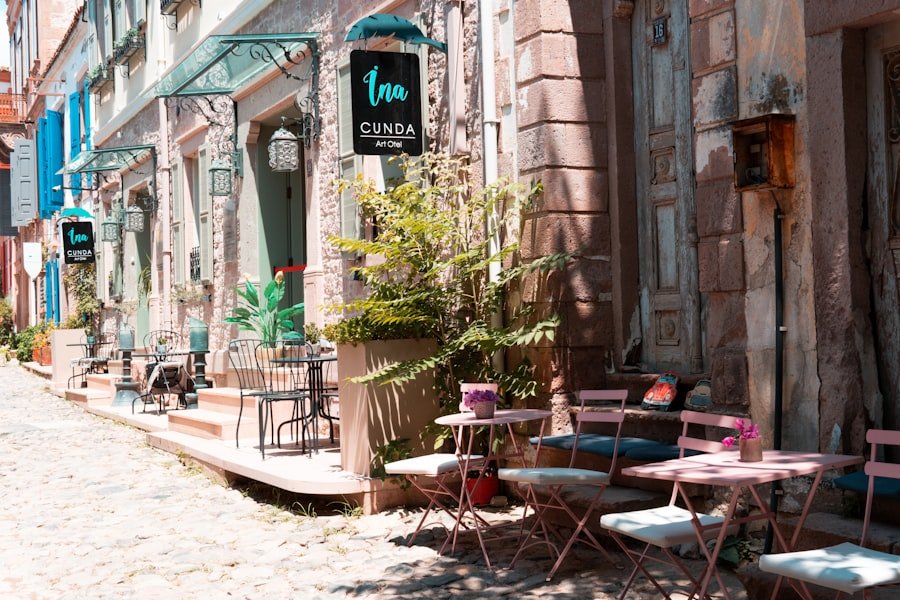
Making Turkish coffee is an art form that requires skill, patience, and attention to detail. The process begins with selecting high-quality Arabica beans, which are then roasted to perfection before being ground into an ultra-fine powder. The grind size is crucial; it should be finer than that used for espresso but coarser than flour.
Once prepared, water is measured into a cezve—typically one cup per serving—and combined with sugar if desired. The next step involves adding the ground coffee to the cezve and stirring gently to combine all ingredients before placing it over low heat. As the mixture heats up, it’s essential to watch closely for signs of boiling; once bubbles begin to form at the surface, it’s time to remove it from heat briefly before returning it to allow for frothing.
This process may be repeated several times to achieve the desired foam—a hallmark of well-made Turkish coffee. Serving Turkish coffee is as important as its preparation. Traditionally, it is poured into small cups without filtering out the grounds, allowing drinkers to enjoy the full-bodied flavor while leaving sediment at the bottom.
Accompanying sweets or water is common practice, enhancing the overall experience. The ritualistic nature of making and serving Turkish coffee fosters connections among friends and family, making it an integral part of social gatherings.
Hidden Gems: Off-the-Beaten-Path Coffee Shops in Istanbul
| Coffee Shop Name | Location | Ambiance | Coffee Quality | Price Range |
|---|---|---|---|---|
| Kronotrop | Karaköy | Cozy and artsy | High quality | |
| Mandabatmaz | Beşiktaş | Traditional and charming | Excellent | |
| Norm Coffee | Kadıköy | Relaxed and trendy | Great | |
| Petra Roasting Co. | Moda | Industrial and hip | Top-notch |
While many visitors flock to well-known establishments in Istanbul’s bustling neighborhoods, there are numerous hidden gems waiting to be discovered by those willing to venture off the beaten path. One such spot is **Cafe Privato**, nestled in the charming district of Balat. This quaint café offers an eclectic mix of vintage decor and cozy seating arrangements that invite patrons to relax and unwind.
Known for its homemade pastries and expertly brewed Turkish coffee, Cafe Privato provides an intimate atmosphere perfect for enjoying quiet conversations or indulging in a good book. Another hidden treasure is **Brew Coffee Works**, located in Kadıköy on the Asian side of Istanbul. This small yet inviting café prides itself on its commitment to quality and sustainability.
Brew Coffee Works sources its beans from local roasters who prioritize ethical practices while offering a rotating selection of single-origin coffees. The knowledgeable baristas are eager to share their expertise with customers, guiding them through various brewing methods and flavor profiles. For those seeking an artistic ambiance, **Kahve Dünyası** in Cihangir offers not only exceptional coffee but also an inspiring environment filled with local artwork and creative energy.
This café serves as a hub for artists and creatives alike, making it an ideal spot for brainstorming sessions or casual meet-ups over a cup of rich Turkish brew. Lastly, **Sahrap** in Beşiktaş stands out for its unique blend of traditional Turkish flavors with modern twists. This café specializes in pairing artisanal coffees with local delicacies such as baklava or simit (a sesame-covered bread).
The fusion of flavors creates an unforgettable experience that showcases Istanbul’s culinary diversity while celebrating its rich heritage.
Istanbul’s Coffee Shop Scene: A Historical Perspective
The history of coffee in Istanbul is deeply intertwined with the city’s cultural evolution over centuries. Coffeehouses emerged during the Ottoman Empire as social hubs where people gathered to discuss politics, literature, and art while enjoying their favorite brews. These establishments played a crucial role in shaping public discourse and fostering community connections among diverse groups within society.
The first recorded coffeehouse in Istanbul opened in 1554 in the Tahtakale district, quickly gaining popularity among intellectuals and artists who frequented these spaces for inspiration and camaraderie. By the 17th century, coffeehouses had proliferated throughout the city, becoming essential venues for social interaction across various classes and backgrounds. However, this flourishing culture faced challenges during different periods in history; at times deemed morally questionable or even banned by authorities concerned about their influence on public life.
Despite these setbacks, coffeehouses persisted as vital components of Istanbul’s social fabric—adapting over time while maintaining their core purpose as gathering places for conversation and connection. Today’s coffee shop scene reflects this rich history while embracing modern trends that cater to evolving tastes and preferences among locals and tourists alike. Many contemporary cafés pay homage to traditional practices while incorporating innovative techniques that highlight quality sourcing and preparation methods—creating spaces where history meets modernity in delightful harmony.
Coffee and Culture: How Istanbul’s Coffee Shops Reflect the City’s Identity
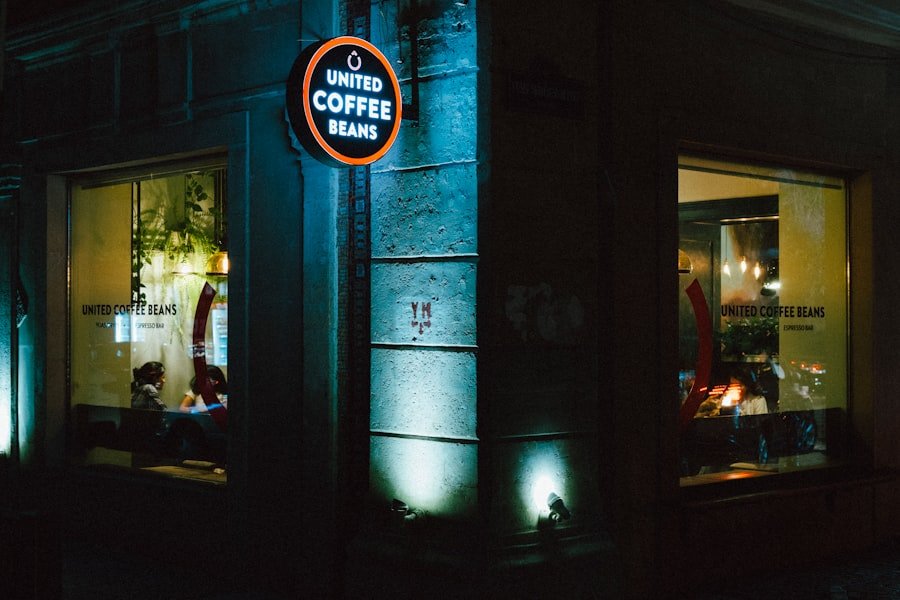
Istanbul’s coffee shops serve as microcosms of the city’s diverse identity—each establishment reflecting unique aspects of its cultural heritage while contributing to an ever-evolving narrative shaped by globalization and modernization. From traditional Turkish cafés adorned with ornate tilework to sleek specialty shops featuring minimalist designs, these spaces encapsulate various influences that define Istanbul’s character. The communal aspect inherent in Turkish coffee culture fosters connections among people from different walks of life—encouraging dialogue between generations while bridging gaps between cultures.
In this way, cafés become more than mere places to enjoy beverages; they transform into venues for storytelling where personal experiences intertwine with collective histories. Moreover, many contemporary cafés actively engage with local artists by showcasing their work or hosting events that celebrate creativity within the community—further solidifying their role as cultural hubs within neighborhoods across Istanbul. This symbiotic relationship between art and coffee culture enriches both realms while providing opportunities for collaboration among creatives seeking inspiration from one another.
As globalization continues to shape urban landscapes worldwide—including Istanbul—coffee shops remain steadfast symbols of resilience amid change—preserving traditions while embracing innovation that reflects contemporary values held dear by residents today.
Tips for Enjoying the Perfect Cup of Coffee in Istanbul
To fully appreciate Istanbul’s rich coffee culture during your visit, consider these tips for enjoying your experience: 1. **Embrace Tradition**: When ordering Turkish coffee at local cafés, don’t hesitate to ask about how it’s prepared or request recommendations based on your taste preferences—many baristas take pride in sharing their knowledge about this time-honored craft. 2. **Savor Slowly**: Take your time when enjoying your cup; Turkish coffee is meant to be savored rather than rushed through—allowing flavors to unfold gradually enhances your overall experience. 3. **Pair Wisely**: Consider pairing your drink with traditional sweets like baklava or lokum (Turkish delight) for an authentic taste experience that complements your beverage beautifully. 4. **Explore Varieties**: Don’t limit yourself solely to traditional offerings; venture into specialty shops where you can explore different brewing methods such as pour-over or cold brew—each showcasing unique flavor profiles worth discovering. 5. **Engage Locals**: Strike up conversations with locals at cafés—they often have valuable insights into hidden gems worth exploring beyond popular tourist spots while sharing stories about their own experiences within Istanbul’s vibrant coffee scene. By following these tips during your visit to Istanbul’s bustling cafés—you’ll not only enjoy exceptional brews but also gain deeper insights into how this beloved beverage weaves together threads connecting people across cultures throughout history.
If you’re looking for a cozy spot to enjoy a cup of coffee in Istanbul, be sure to check out our Istanbul Coffee Shops Guide. And if you’re in the mood for a healthy snack to go with your coffee, you might want to try making some delicious homemade cottage cheese using this simple and healthy recipe from Tagline Today. It’s the perfect accompaniment to your morning brew or afternoon pick-me-up.
FAQs
What are the different types of coffee shops in Istanbul?
In Istanbul, you can find a variety of coffee shops, including traditional Turkish coffee houses, modern specialty coffee shops, and trendy cafes offering a wide range of coffee drinks.
What is the traditional Turkish coffee experience like?
Traditional Turkish coffee is prepared using finely ground coffee beans and served in small cups. It is known for its strong, rich flavor and is often accompanied by a small glass of water and a sweet treat, such as Turkish delight.
What types of specialty coffee drinks can be found in Istanbul?
In addition to traditional Turkish coffee, Istanbul’s specialty coffee shops offer a variety of espresso-based drinks, pour-over coffee, cold brew, and unique coffee creations using local ingredients and flavors.
Are there any coffee shops in Istanbul with a view?
Yes, there are several coffee shops in Istanbul that offer stunning views of the city’s landmarks, such as the Bosphorus Strait, historic mosques, and bustling neighborhoods.
What are some popular coffee shop chains in Istanbul?
Istanbul is home to several popular coffee shop chains, including Kahve Dünyası, Mado, and Starbucks, which can be found in various neighborhoods throughout the city.
Do Istanbul coffee shops offer non-coffee drinks and food options?
Yes, many coffee shops in Istanbul offer a variety of non-coffee drinks, such as tea, fresh juices, and smoothies, as well as a selection of pastries, sandwiches, and desserts.